


Vintage Art Deco Artwork
These vintage art deco artwork pieces capture the streamlined elegance and bold experimentation of the interwar decades through paintings, prints, and sculptures.
Vintage Art Deco Artwork
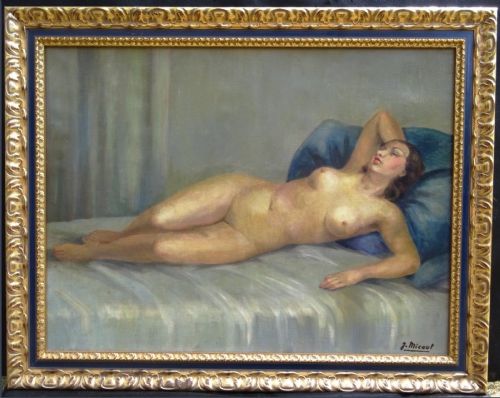
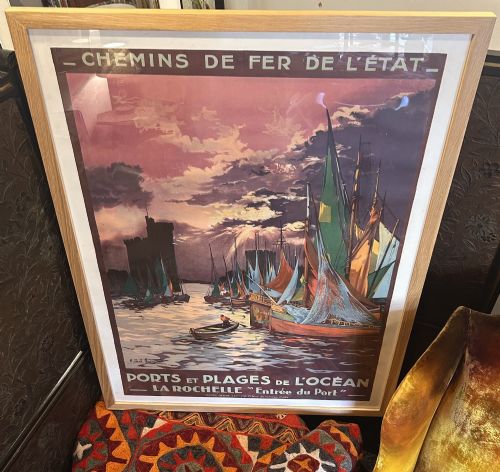
Vintage art deco artwork encompasses original paintings, framed prints, drawings, and sculptures produced primarily during the 1920s and 1930s. Buyers searching this phrase look for period aesthetics ranging from French modernist nudes to stylized transport posters.
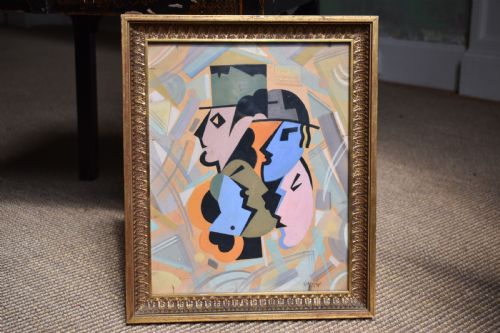
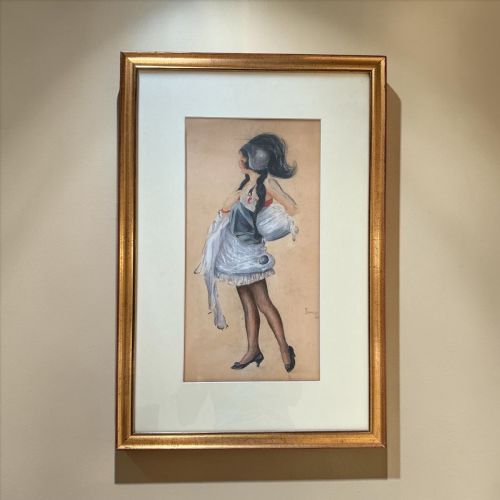
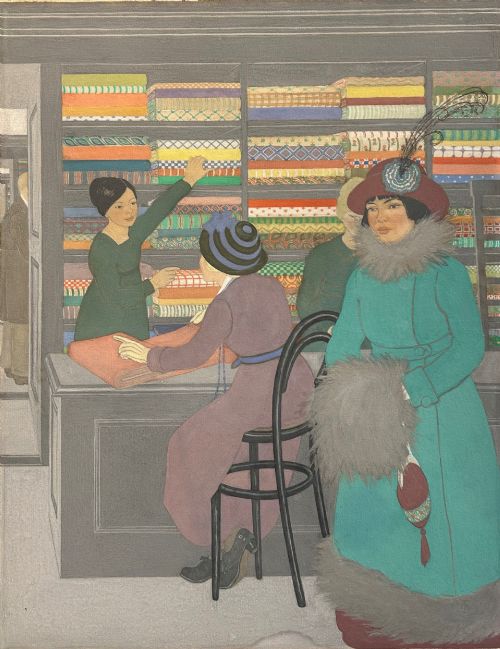
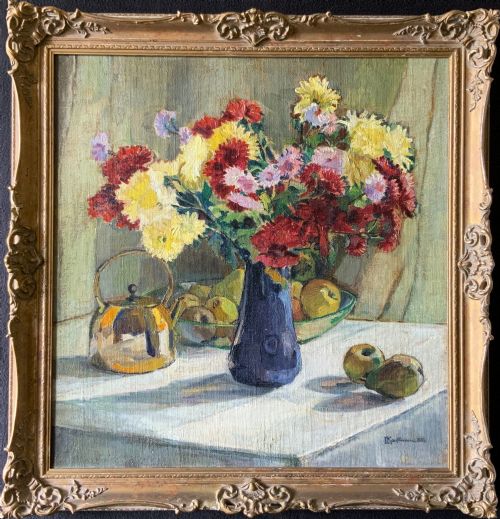
The most common pieces met on this page are paper works and canvas paintings featuring iconic subjects like flapper portraits, botanical still lifes, and dynamic architectural scenes. These items reflect the sophisticated visual culture of Paris, London, and wider Europe during the modernist era.
Objects span from intimate hand-painted miniatures on paper to large glass wall decorations and terracotta busts. Each piece demonstrates the period's characteristic shift away from Victorian ornament toward clean lines and expressive character.
Materials and methods
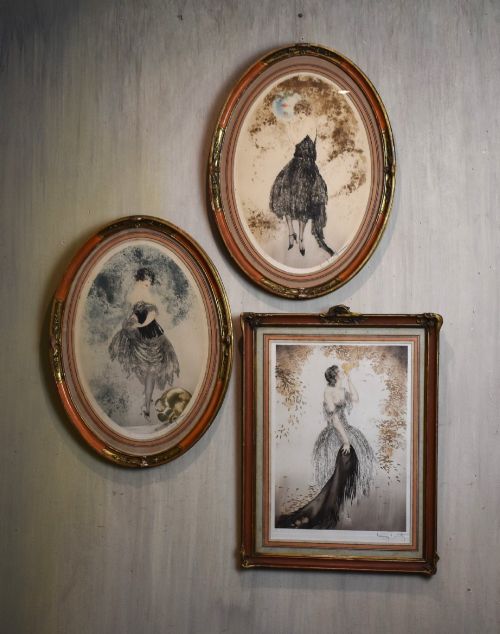
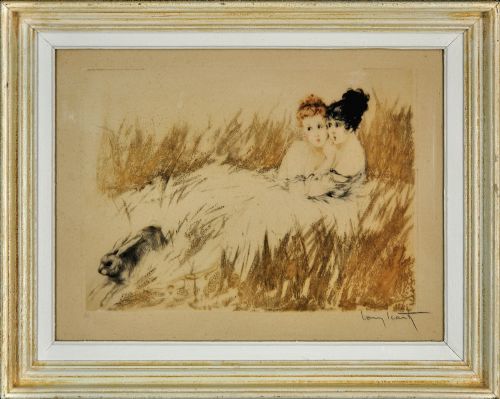
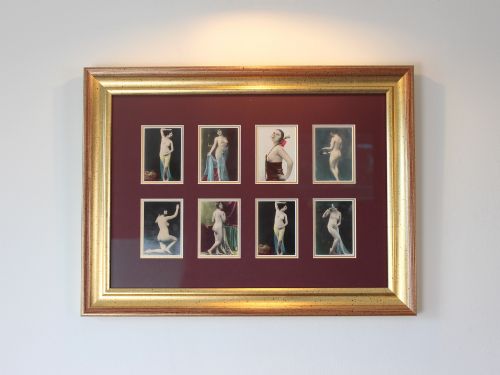
Artists and makers utilised traditional media such as oil paint, watercolour, gouache, and ink applied to canvas, buff paper, or card. Graphic works often involved etching, lithography, collotype, and hand-tinted photography to achieve sharp tonal contrasts.
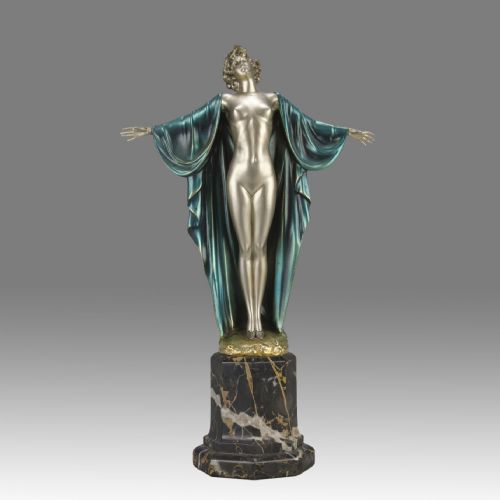
Sculptural and decorative items combine cold-painted bronze, terracotta, and sandblasted glass. These varied substances allowed creators to play with reflective surfaces, matte textures, and saturated colour palettes suited to modern interiors.
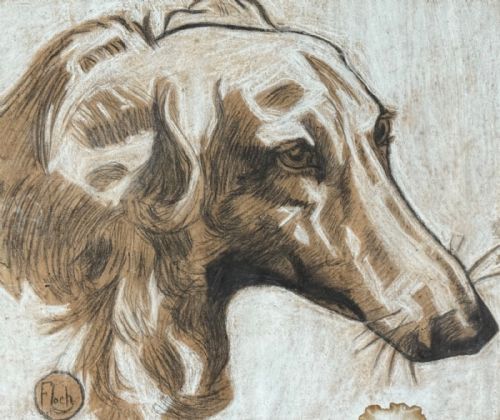
Greyhound breeds like the Borzoi stalked interwar drawing rooms, serving as the ultimate four-legged emblem of streamlined luxury.
Distinctions in quality
Quality rests upon the sureness of the draftsmanship, the originality of the composition, and the crispness of the printing or brushwork. Hand-signed prints and direct works on paper command attention through the artist's direct touch and confident line.
Material permanence and medium-specific preservation also divide the tier of execution. Strong works retain their original pigment vibrancy without excessive fading, while sculptural pieces show clean casting lines and deliberate patination.
Ferdinand Preiss·Louis Icart·Julian Mandel·Gilbert Privat·Jean Hardy·Albert Guillaume
The Vintage Art Deco Artwork Glossary
- Gouache
- An opaque water-based paint that dries to a matte finish. It allows artists to build solid blocks of vibrant colour with high opacity.
- Collotype
- A planographic printing process utilising gelatin-coated glass plates. This technique reproduces continuous tones with photographic fidelity.
- Etching
- A printmaking method where lines are bitten into a metal plate with acid. Inked impressions capture intricate detail and fine linear shading.
- Flapper
- A cultural archetype of the 1920s characterised by modern fashion and independence. Portraiture frequently celebrated this liberated feminine identity.
- Naiad
- A mythological water nymph often referenced in period figurative sculpture. Artists utilised this classical motif to embody natural grace.
Vintage Art Deco Artwork: Frequently Asked Questions
What defines art deco wall art?
Art deco wall art bridges traditional fine art and modern graphic design through stylized forms and simplified geometries. The style avoids ornate Victorian clutter in favour of sleek, rhythmic compositions.
Peculiar to the interwar decades, these works often feature bold typography, flattened perspectives, and glamorous subjects reflecting urban sophistication.
How should I display vintage prints?
Vintage prints require protection from direct sunlight to prevent the fading of watercolours, gouaches, and tinted inks on paper. Professional framing with acid-free mounts safeguards the delicate margins.
Keep pieces away from high-moisture environments like kitchens or unventilated bathrooms to preserve the integrity of both paper supports and wooden frames.
Are these pieces original period items?
The inventory consists of period-authentic works created during the early decades of the twentieth century. Dating relies on stylistic markers, artist signatures, and material analysis.
Items span from limited edition etchings to unique oil paintings, capturing the authentic hand of the interwar European art scene.
How do I distinguish etchings from prints?
Original etchings display a distinct indentation or plate mark where the metal press squeezed the damp paper into the engraved grooves. Under magnification, the ink sits slightly raised above the surface.
Mechanical reproductions lack this tactile plate mark and show a uniform dot matrix or flat ink application under close inspection.