
Vintage Wall Illustration
Vintage wall illustration brings character to a room through framed prints, watercolours and original drawings spanning multiple centuries.
Vintage Wall Illustration
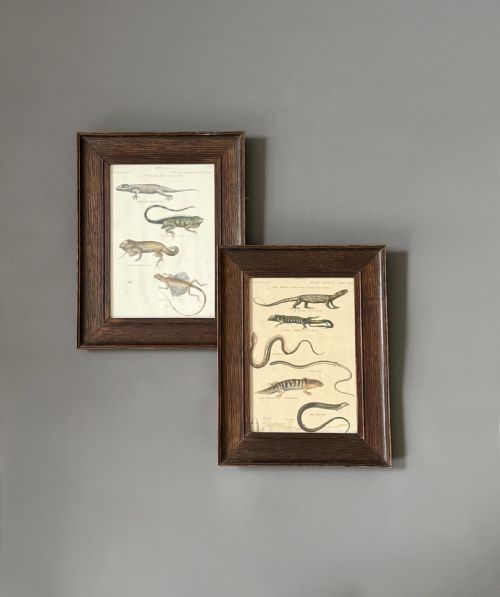
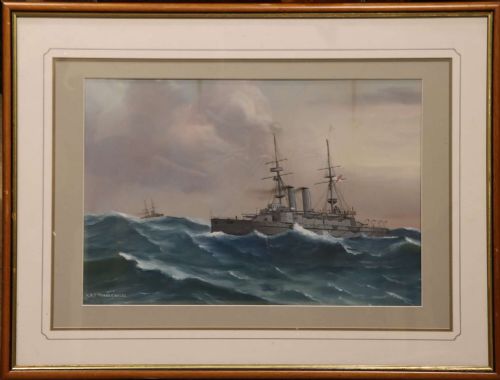
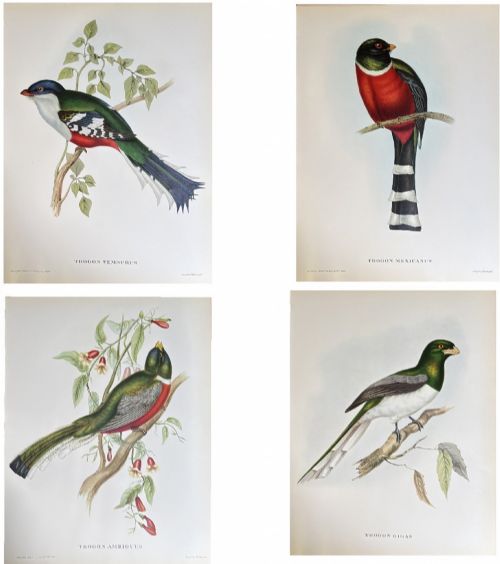
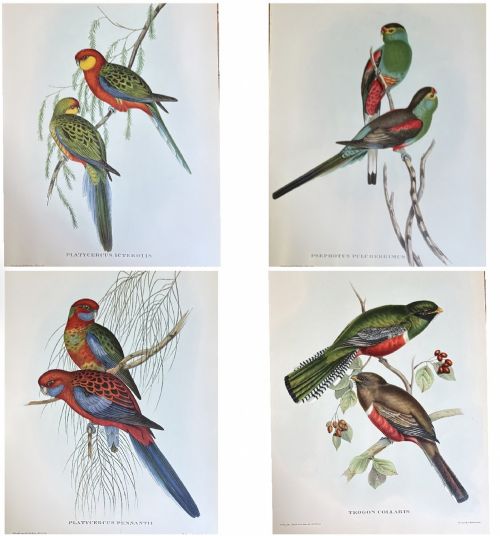
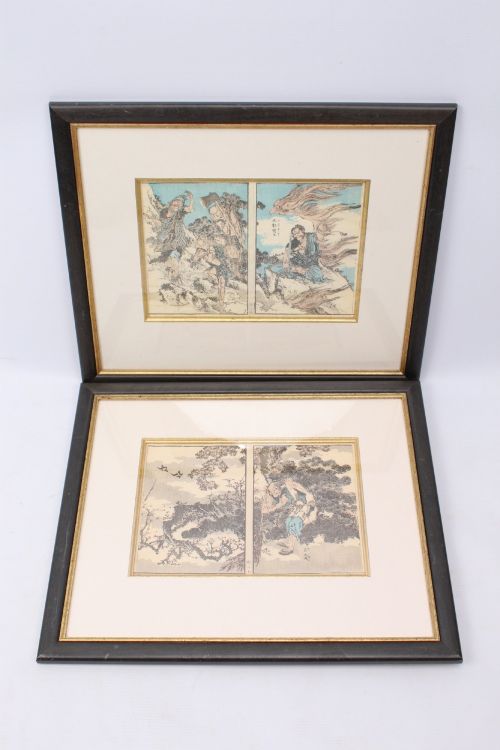
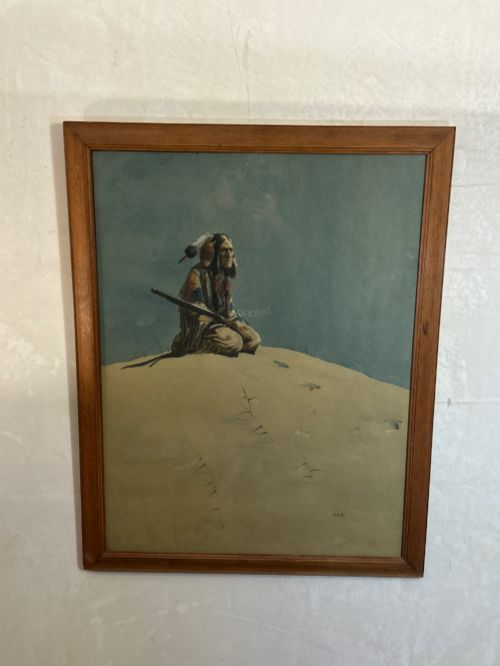
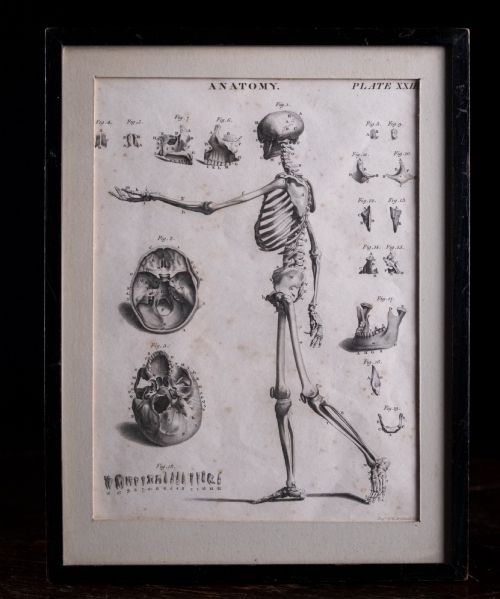
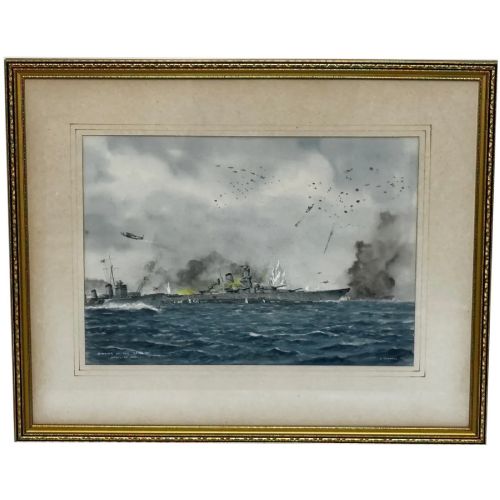
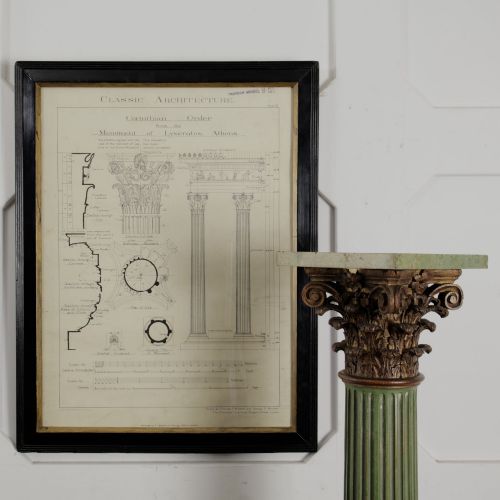
A vintage wall illustration serves as a focal point in a room, capturing historical subjects ranging from natural history and botanical studies to architectural plates and naval watercolours. These pieces appear in framed prints, framed artwork, and original paintings that reflect centuries of graphic production.
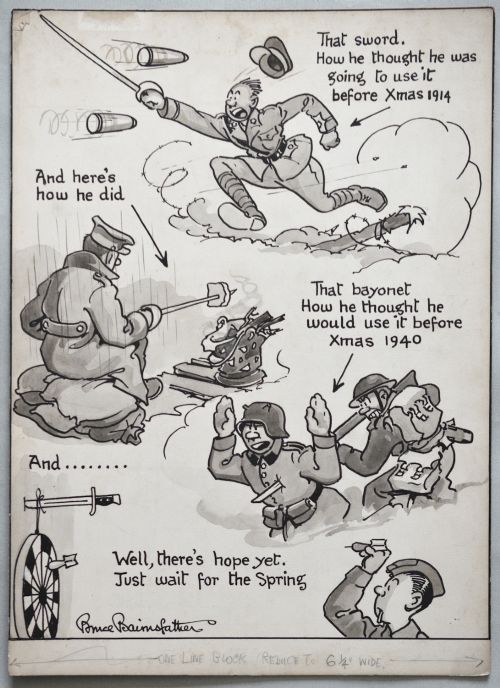
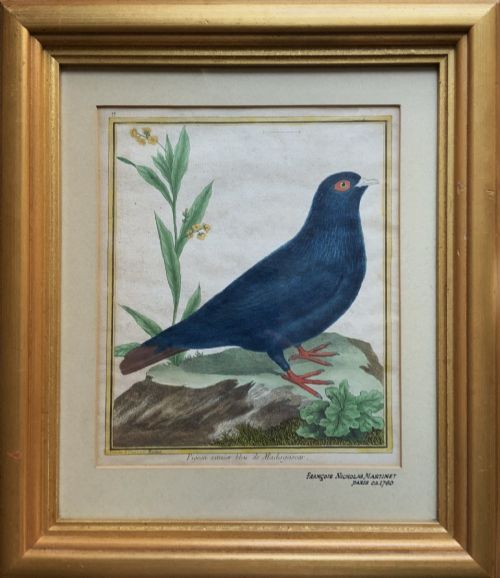
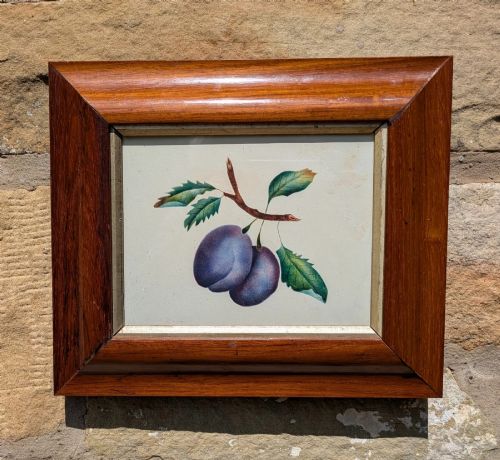
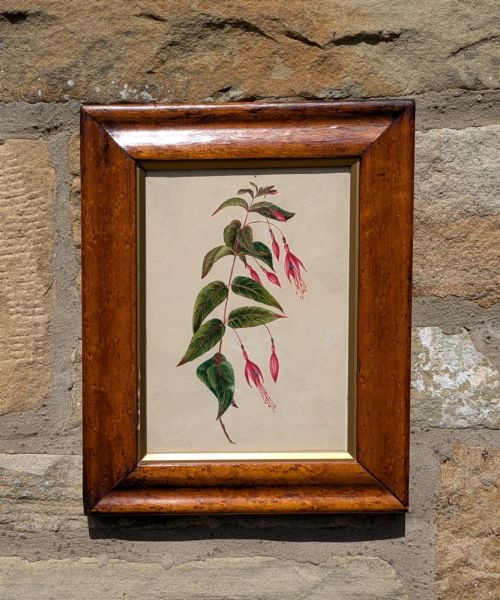
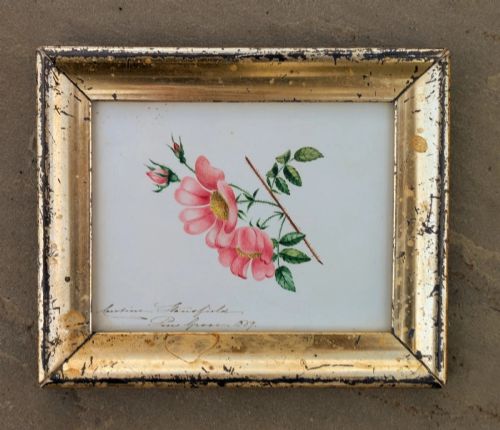
Buyers frequently meet botanical watercolours, bird engravings, and caricatures dating from the eighteenth century through to the mid-twentieth century. The selection includes works by named artists alongside anonymous plates, housed in period frames made of rosewood, oak, or gilt wood.
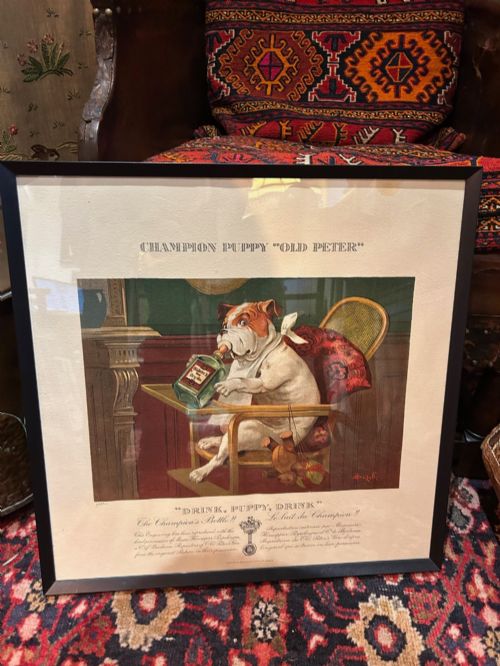
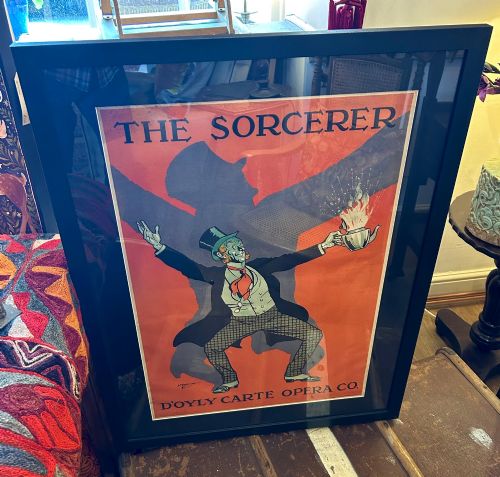
The material formats vary from hand-coloured engravings on paper to ink drawings, gouache sketches, and chromolithographs. Each object carries the specific aesthetic of its decade, whether the refined botanical observation of the nineteenth century or the graphic advertising style of the 1920s.
Materials and Techniques
Makers utilised paper as the primary support for these works, applying watercolour, ink, gouache, and pastel by hand. Engravings and lithographs received manual colouration using watercolour washes to enhance the printed lines.
Framing materials reflect the period of production, incorporating glass for protection alongside wood mouldings such as rosewood, oak, and gilt wood. Gold leaf accents appear on frames designed to elevate formal portraits and architectural studies.
Monkeys, parrots, pigeons, and cats share wall space here with military officers and opera posters.
Evaluating Quality
Quality rests upon the precision of the draughtsmanship and the fidelity of the hand-colouring applied to engravings and lithographs. Skilled application of watercolour and gouache brings depth and permanence to botanical and portrait subjects.
The integrity of the original frame contributes significantly to the piece, particularly when period mouldings in rosewood, oak, or gilt wood complement the artwork. Preservation of the paper surface without excessive fading maintains the visual impact of the illustration.
John Hassall·Bruce Bairnsfather·Andrew Bell·Marcellin Auzolle·Eric Tufnell·David Roberts·Beatrice Saunders·Peter Markham Scott·Louis Icart·Horatio Henry Couldrey·Ralston Gudgeon
The Vintage Wall Illustration Glossary
- Chromolithography
- A planographic printing process that uses multiple stone plates to produce a multi-coloured image. This technique allowed nineteenth-century publishers to replicate oil paintings and watercolours with high fidelity.
- Engraving
- A printmaking method where an artist cuts lines directly into a metal plate using a burin. Ink settles into the grooves and transfers to paper under pressure.
- Gouache
- An opaque water-medium consisting of pigment, water, and a binding agent such as gum arabic. It provides heavier coverage than standard watercolour.
- Lithography
- A printing technique based on the chemical repulsion of oil and water on a flat stone or metal plate. Artists draw directly on the surface to create tonal gradations.
Vintage Wall Illustration: Frequently Asked Questions
How do I hang a vintage wall illustration safely?
Use picture hooks rated for the weight of the framed piece, securing them directly into wall studs or using appropriate masonry fixings. Hang the artwork at eye level to establish a balanced display.
Keep framed works out of direct sunlight to prevent the fading of watercolour pigments and paper degradation over time.
Are these illustrations original works or prints?
The selection includes both original hand-drawn watercolours, ink sketches, and pastels alongside period printed works such as engravings, lithographs, and chromolithographs. Each listing specifies the exact medium used by the creator.
Printed items often feature hand-applied watercolour washes that were added after the initial printing process to increase visual detail.
How do I date a piece of wall art?
Dating relies on stylistic markers, paper characteristics, and framing techniques typical of specific decades or centuries. Evidence such as artist signatures, publication dates on engravings, and framing materials like rosewood or oak provide reliable chronological clues.
Comparative study of period subjects, such as Victorian natural history plates or 1920s advertising posters, helps narrow the production window.
How should I care for antique paper and watercolours?
Protect works on paper from high humidity and dramatic temperature fluctuations to prevent mould growth and foxing. Ensure the glass protects the surface without making direct contact with the paper.
Consult a professional paper conservator if cleaning or stabilization becomes necessary for older or fragile pieces.