

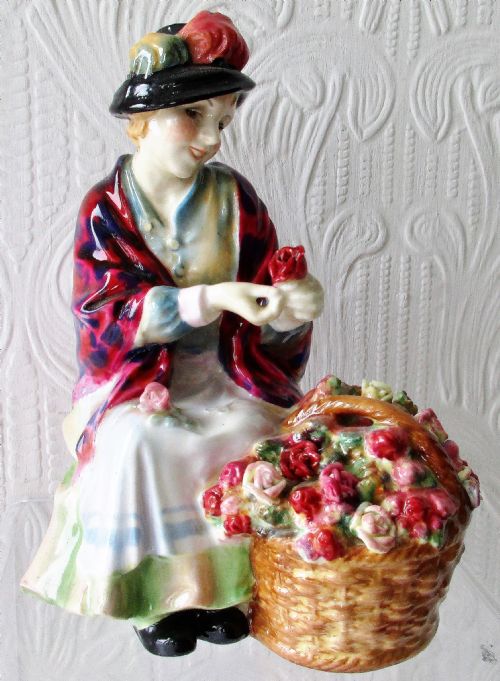
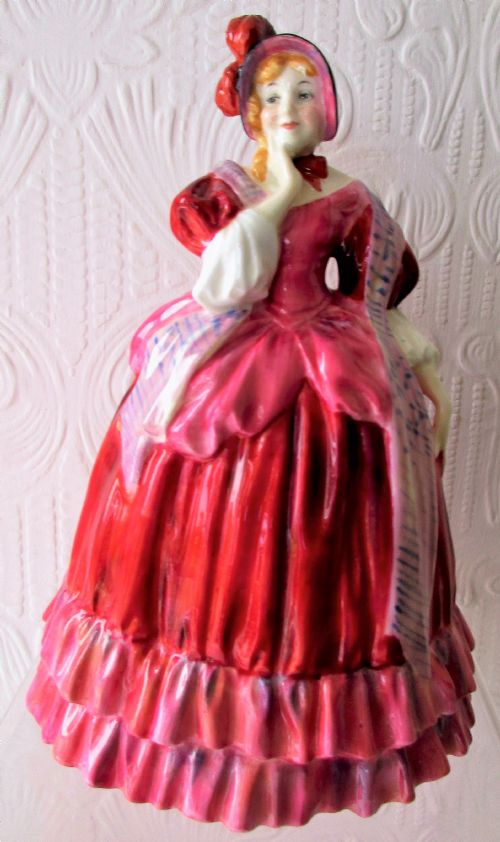
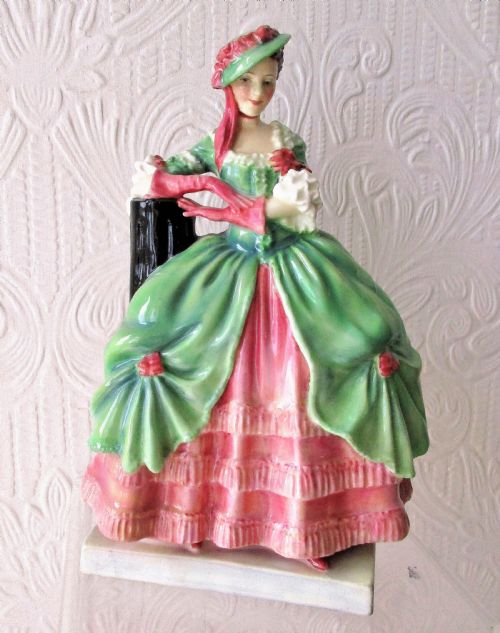
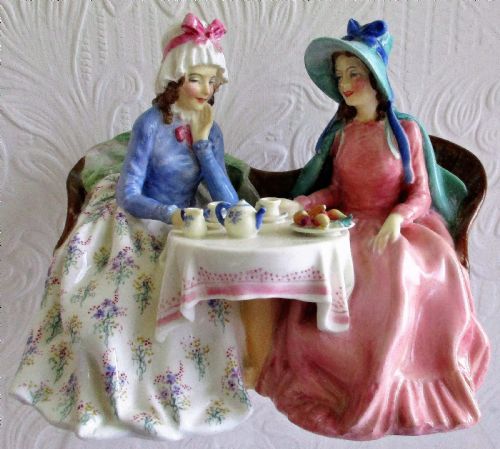
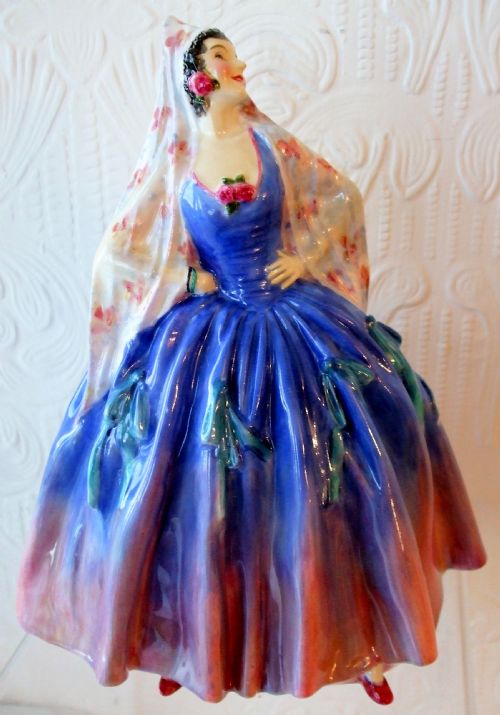


Vintage Porcelain Lady Figurine
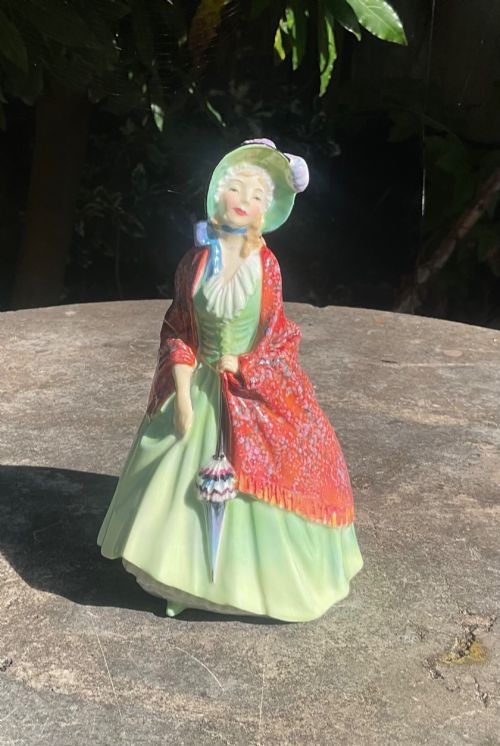
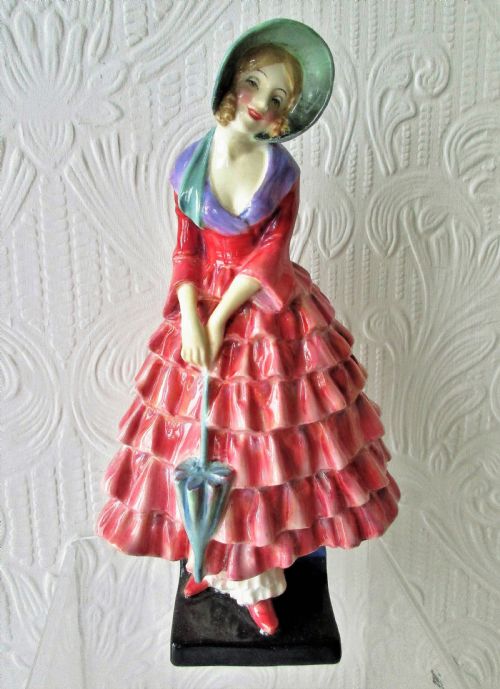
When you search for a vintage porcelain lady figurine, you discover moulded ceramic sculptures reflecting periods from the eighteenth century to the art deco era.
Vintage Porcelain Lady Figurine
A vintage porcelain lady figurine encompasses small sculptural objects, decorative figures, hat pin holders, and dresser powder boxes shaped to depict female forms. These items emerge from various historical epochs, spanning eighteenth-century European workshops to twentieth-century English potteries.
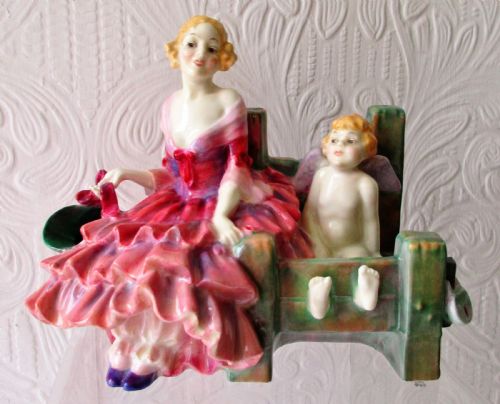
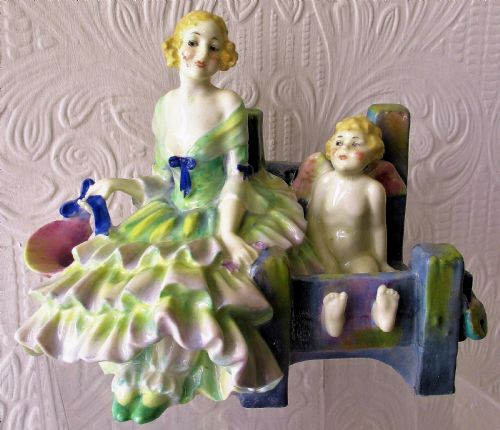
The version most commonly encountered on this page originates from the nineteen-thirties, often taking the form of English porcelain models depicting named characters or art deco powder box lids. These twentieth-century examples sit alongside earlier continental porcelain figures and nineteenth-century bisque statues.
Makers ranged from large factories producing numbered editions to continental studios creating unglazed bisque figures or hand-painted ceramic jars. Forms extend from full-length statues of graceful maidens to half dolls designed for dresser accessories.
How they were made
Makers shaped these items using porcelain, bone china, ceramic, and faience, often finishing the surface with a glossy glaze or leaving it as unglazed bisque. Firing methods allowed kilns to set intricate details such as lace ruffles, folded garments, and holding vessels.
Listings feature porcelain, bone china, and ceramic forms spanning the eighteenth, nineteenth, and twentieth centuries.
What varies in quality
The sophistication of the glaze application alters the visual depth of the surface, with even coatings contrasting against pooling or dry patches. Furthermore, the complexity of the design, such as multi-figure groups or integrated functional elements like powder bowls, reflects the ambition of the original maker.
Royal Doulton·Meissen·Royal Worcester·Royal Dux·Ernst Wahliss·Samson·Fasold And Stuach
The Vintage Porcelain Lady Figurine Glossary
- Bisque
- Unglazed porcelain that has been fired once, presenting a matte, tactile surface texture popular for nineteenth-century figures.
- Bone china
- A type of porcelain incorporating bone ash, yielding a durable body with a bright white colour and high translucency.
- Half doll
- A ceramic upper torso without legs, historically utilised as a decorative cover for powder boxes, whisk brooms, or pin cushions.
- Faience
- Tin-glazed earthenware produced in continental Europe, often featuring hand-painted designs over an opaque white glaze.
- Gold leaf
- Extremely thin sheets of beaten gold applied to ceramic surfaces for decorative trim and highlights.
Vintage Porcelain Lady Figurine: Frequently Asked Questions
How were half dolls used originally?
Half dolls served as decorative tops for functional dressing table items such as powder boxes, perfume bottles, and pin cushions. The ceramic upper body sat above fabric skirts or container bowls.
Owners kept them on dressing tables and boudoirs during the early twentieth century. They combined ornamentation with practical storage for personal grooming accessories.
What is the difference between bisque and glazed porcelain?
Bisque porcelain is fired without a glassy coating, leaving a porous, matte finish that resembles marble. Glazed porcelain receives a vitreous liquid coating before a second firing, creating a shiny, sealed surface.
Glazed finishes protected the ceramic from dust and staining on everyday tables. Matte bisque was favoured for classical figures where skin texture needed a natural appearance.
How can I tell an art deco figurine from an earlier piece?
Art deco figures typically feature stylised geometric lines, flattened planes, and subjects like flapper girls or bathing belles. They often incorporate functional elements such as powder bowls or hat pin holders.
Earlier pieces from the eighteenth or nineteenth centuries rely on romantic, neoclassical, or rococo styling with naturalistic drapery. Makers then focused on standalone statues rather than integrated dressing table containers.
Where were Royal Doulton figurines made?
Royal Doulton pieces were produced in England, drawing upon established ceramic traditions in Staffordshire. The figures were cast in porcelain and bone china before receiving hand-painted details.
Each model received a specific name and an HN number for recording production series. These numbers help identify the design era within twentieth-century manufacturing.