


Antique Ceramic Head Bust
An antique ceramic head bust brings sculptural character and classical or modern form directly into a room.
Antique Ceramic Head Bust
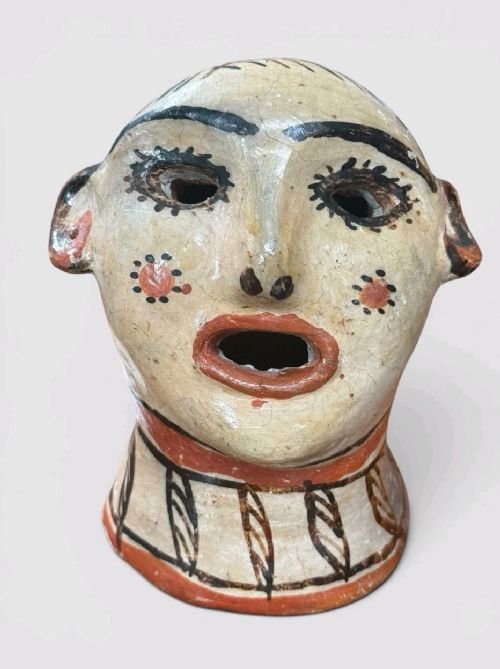
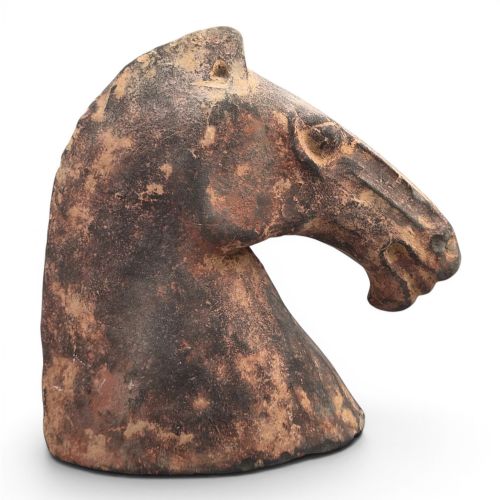
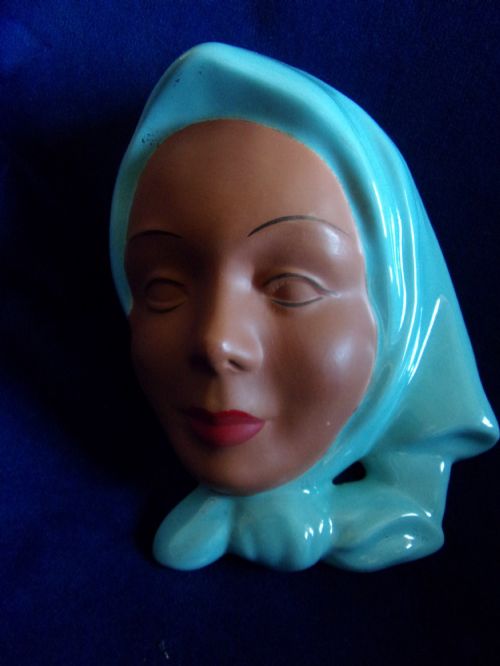
When you search for an antique ceramic head bust, you encounter sculptural pieces spanning centuries, from ancient tomb figures to twentieth-century depictions of female beauty. The selection on this page ranges from Pre-16th century Chinese Mingqi figures to nineteenth-century classical representations and striking Art Deco designs.
Most pieces you meet here are modelled in terracotta or earthenware, capturing individual expressions ranging from solemn religious figures to stylish twentieth-century characters. Formats vary from small pin cushion doll heads to substantial sculptural busts designed for display on stands or pedestals.
The regional origins of these works are diverse, encompassing Chinese burial artefacts, Austrian Renaissance revivals, French sculptural portraits, and Italian decorative pieces. Each era brings distinct stylistic priorities, whether the solemnity of ancient burial art or the sleek geometry of the Art Deco period.
Materials and construction methods
Techniques range from early hand-modelled tomb pottery fired in kilns to nineteenth-century press-moulded terracotta and twentieth-century slip-cast ceramic figurines. Artisans then hand-finished details with surface paint, patination, or glaze before the final firing.
Listings feature terracotta as the dominant material, alongside earthenware, paint, pigment, plaster, glazed ceramic, and wood.
Distinguishing quality in sculptural ceramics
The distinction between standard commercial production and superior artistic output lies in the sharpness of modelling and the sensitivity of facial expression. Finer works display meticulous hand-tooling in the clay, capturing subtle nuances in hair, expression, and drapery that mass-produced items miss.
Surface finish also determines the calibre of a piece, whether through the preservation of original polychrome pigment on early works or the precise application of glaze and patination on later twentieth-century sculptures. The reputation of the modeller and the fidelity of the cast elevate certain examples above everyday decorative items.
Gilbert Privat·Antonio Rossellino·Georges Morin·Bohumil Rezl·Fasold & Stuach·William Goebel
The Antique Ceramic Head Bust Glossary
- Terracotta
- Fired red earthenware clay used extensively for sculptural busts and figures. It is prized for its ability to hold fine detail when modelled before firing.
- Mingqi
- Chinese burial artefacts placed in tombs to accompany the deceased, including terracotta horse heads and figures. These objects provide insight into ancient funerary art.
- Pin cushion doll
- A small half-figure or head, often ceramic, originally mounted onto a cushion for sewing pins. They frequently date from the Art Deco period.
- Earthenware
- Porous ceramic fired at lower temperatures than stoneware or porcelain. It serves as the primary body for most historical terracotta busts.
Antique Ceramic Head Bust: Frequently Asked Questions
How do I display an antique bust?
Place a sculptural bust on a sturdy mantelpiece, bookcase, or dedicated pedestal where adequate lighting highlights its modelling and surface texture.
Ensure the piece rests on a stable, flat surface away from high-traffic areas to prevent accidental tipping or damage to the ceramic base.
Are pin cushion doll heads rare?
Pin cushion dolls and detached ceramic heads survive from the early twentieth century in various quantities, often associated with specific German porcelain factories.
Their survival depends on how well the delicate ceramic parts were preserved away from sewing baskets and everyday domestic use.
How do I clean ceramic sculpture?
Dust terracotta and glazed ceramic surfaces gently with a soft, dry brush to remove accumulated particles without disturbing the material.
Avoid using water, liquid cleaners, or abrasive cloths, particularly on pieces with exposed painted pigment or unglazed terracotta.
What is a Mingqi figure?
A Mingqi is a Chinese spirit object made for burial in tombs during dynasties such as the Han, intended to serve the deceased in the afterlife.
These terracotta pieces often depict animals or attendants, showing ancient moulding and pigment techniques preserved over centuries.