
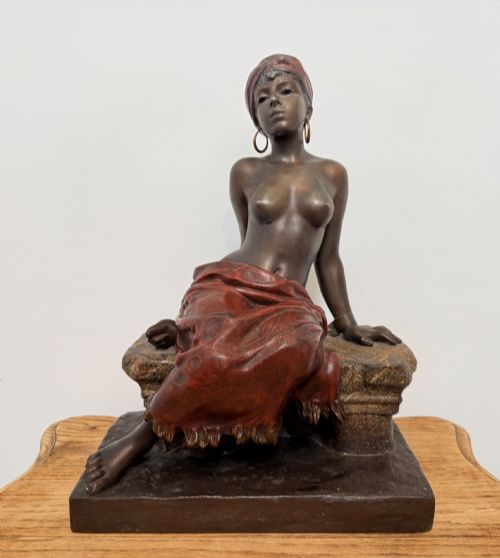
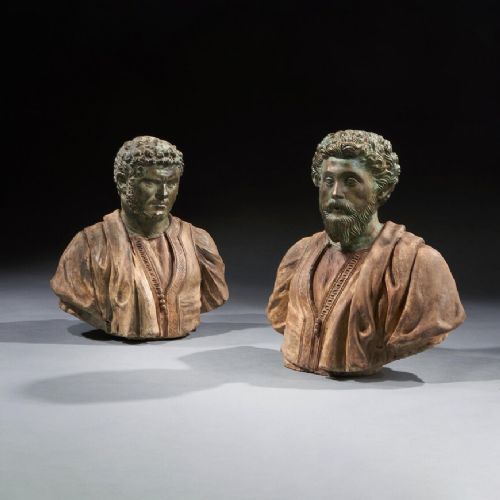
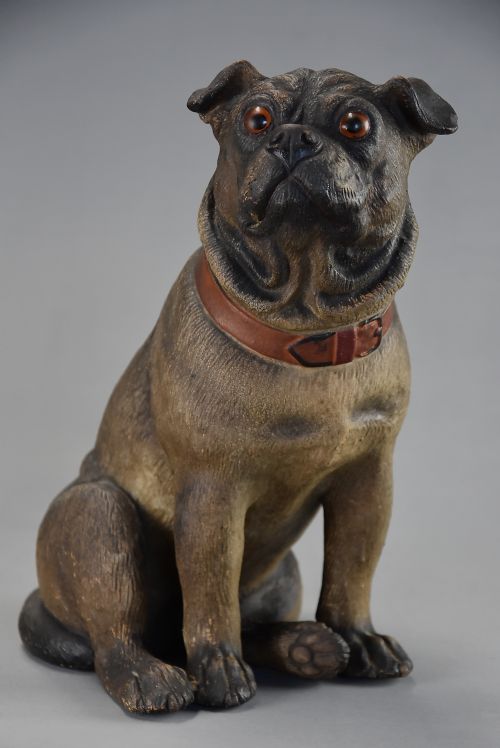
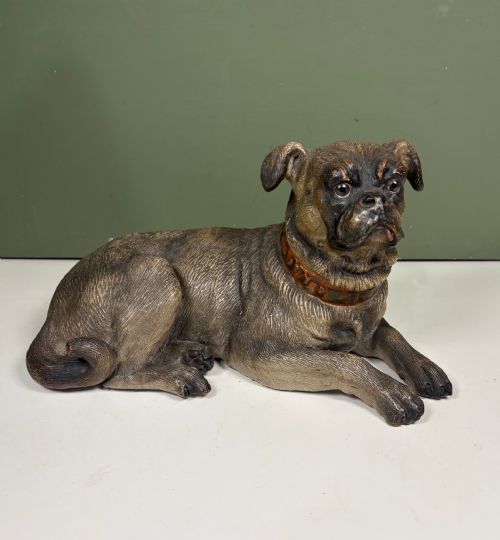


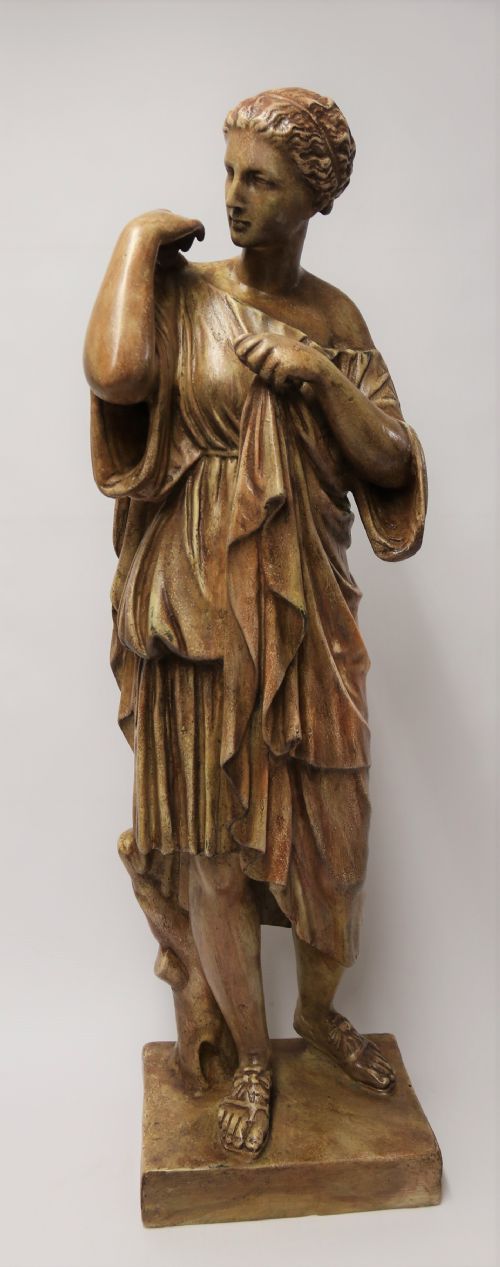

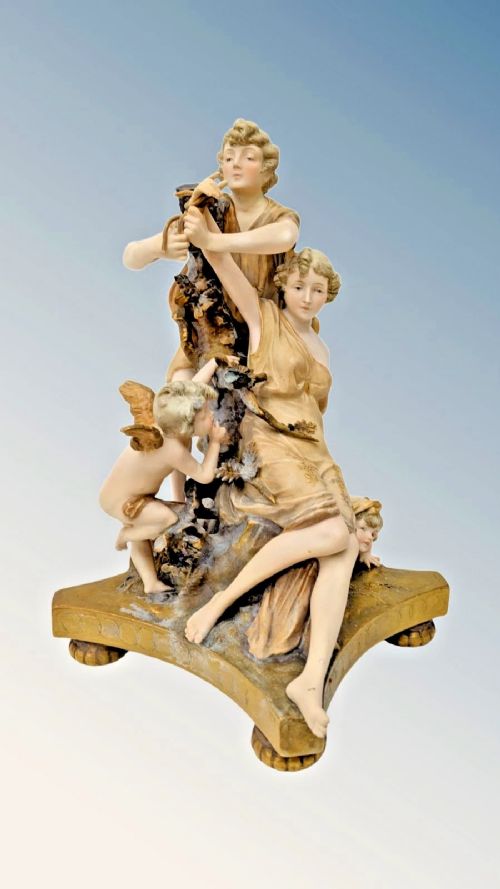


19th Century Terracotta Statue
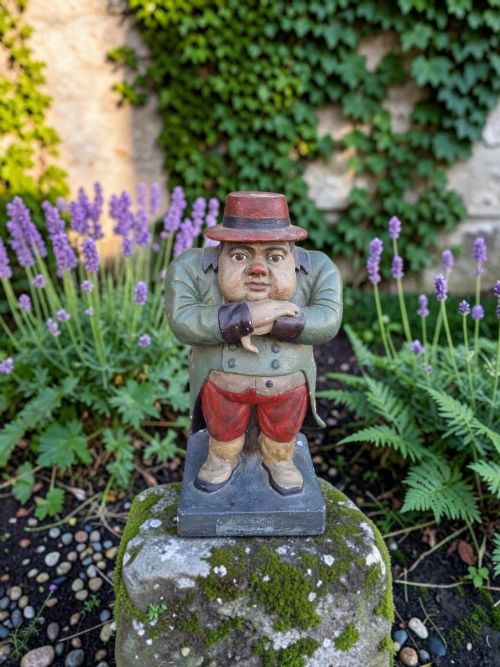
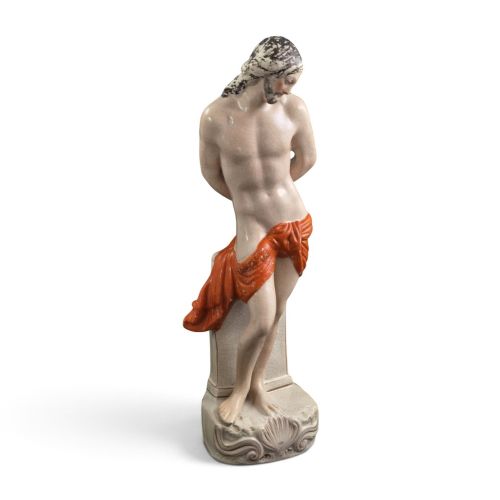
A 19th century terracotta statue brings tactile warmth and classical weight to a room through fired earth and modelled clay.
19th Century Terracotta Statue
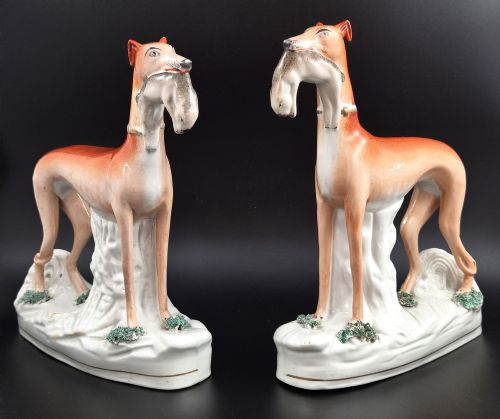
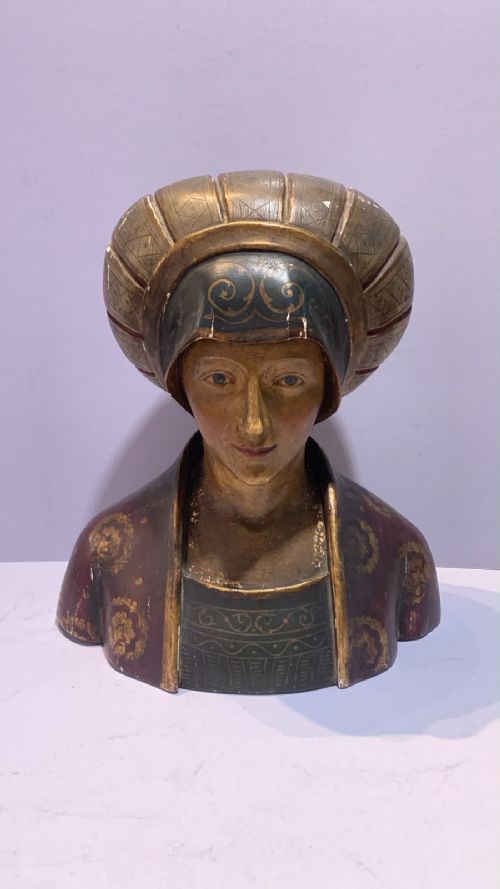
A 19th century terracotta statue encompasses human figures, animal groups, and classical portrait busts produced across Europe and Asia during the Victorian era and adjacent periods. The selection on this page leans heavily toward European works, featuring dogs, mythological subjects, and historical figures modelled with considerable naturalism.
Buyers encounter diverse scales, ranging from cabinet-sized Austrian figures to life-size garden lions and architectural ornaments. Forms span straightforward portrayals of animals to elaborate Neoclassical and Art Nouveau compositions modelled by continental potteries.
The materials recorded include earthenware, stoneware, and painted or glazed surfaces, occasionally accompanied by pedestals or plinths in stone and faux marble to display the figures correctly.
Materials and production methods
The primary medium is terracotta, a porous type of earthenware fired at relatively low temperatures to achieve its characteristic reddish or buff colour. Artisans modelled the clay by hand or pressed it into moulds before firing, sometimes applying polychrome paint, enamel, or glaze to the finished surface.
Many European and Austrian pieces relied on slip casting and intricate moulding techniques, followed by careful hand-finishing to sharpen details in hair, drapery, and facial expressions. The resulting bodies were then kiln-fired, which fixed the pigment where paint or enamel was utilised.
The inventory records diverse sculptural forms ranging from lifesize dogs and lions to portrait busts of Caesars and seated pugs.
Factors of distinction and execution
Signatures, factory stamps, and recognised studio attributions elevate a piece significantly above unmarked commercial output. The ambition of the subject matter, such as complex figural groups or life-size scale, also separates standard decorative objects from works of sculptural art.
E Villanis·Goldscheider·Ernst Wallace·Ernst Whaliss·Pietro Calvi
The 19th Century Terracotta Statue Glossary
- Terracotta
- A hard-baked, brownish-red earthenware clay used extensively for sculptural works and architectural ornaments. It can be left in its natural porous state or finished with paint and glaze.
- Neoclassical
- A style spanning the 18th and 19th centuries that draws inspiration from the classical art and culture of ancient Greece and Rome. This aesthetic is frequently seen in portrait busts and mythological figures.
- Art Nouveau
- An international style of art and architecture prominent in the late 19th century characterised by intricate asymmetrical lines and flowing organic motifs. It heavily influences the floral and figural ceramics of the period.
- Bust
- A sculpted or cast representation of a person's head, shoulders, and upper chest. In this inventory, busts often depict historical characters, nobility, and classical figures.
- Polychrome
- Painted, printed, or decorated in several colours. Many 19th-century terracotta figures utilise enamel or paint layers over the fired clay body.
19th Century Terracotta Statue: Frequently Asked Questions
How do I clean a terracotta statue safely?
Dust the porous surface gently with a soft, dry brush to prevent dirt from settling into the micro-texture of the fired clay. Avoid using water or liquid cleaners, as unglazed earthenware absorbs moisture easily and painted finishes can lift.
Keep the sculpture away from damp environments and direct sunlight to protect any surface pigments or enamels from fading or flaking over time.
Were these statues meant for indoor display?
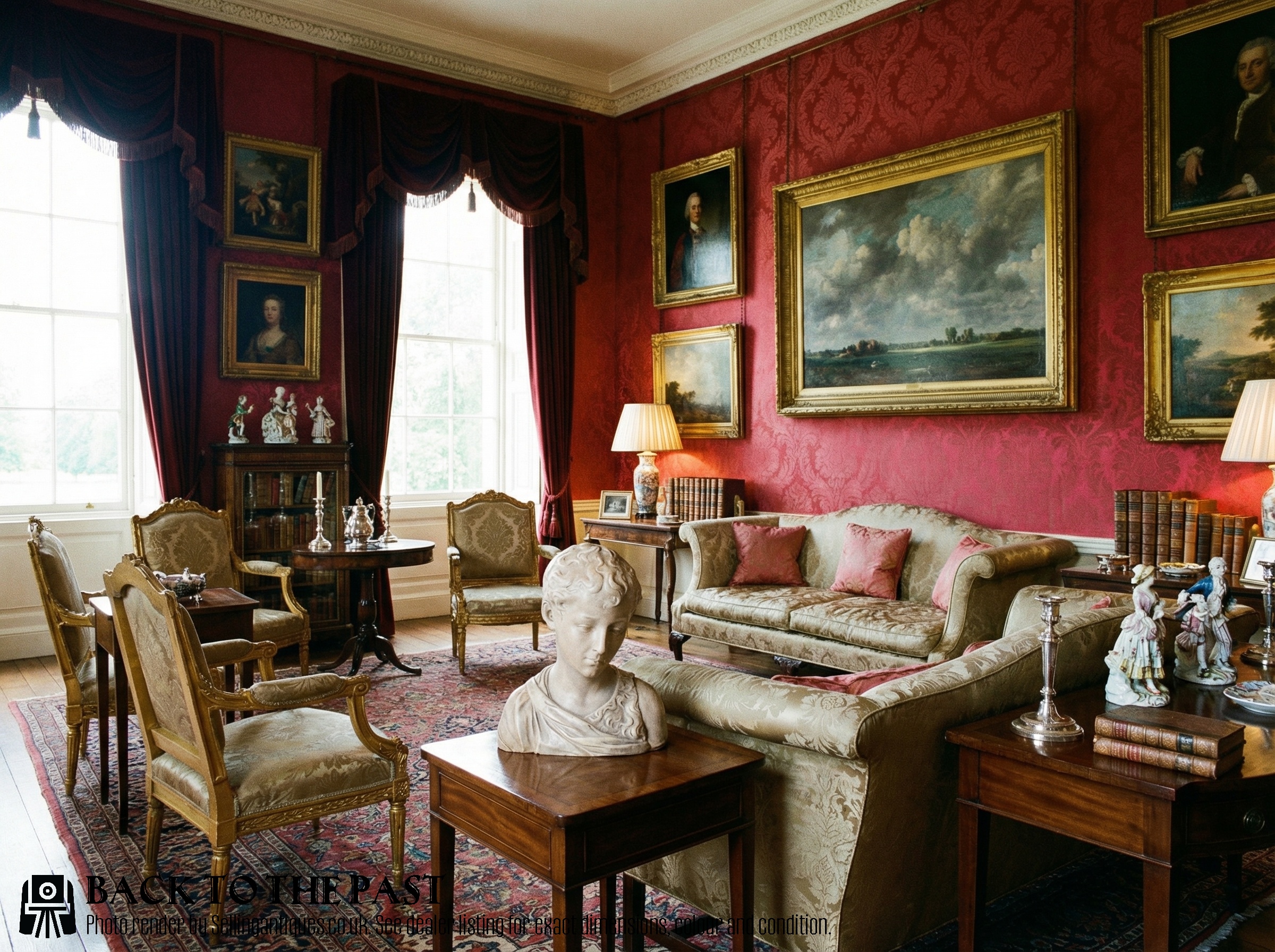
Many smaller figures, portrait busts, and glazed animal studies were produced specifically as interior decorative objects for Victorian parlours and drawing rooms. Larger architectural elements like lions and roof ornaments were made to withstand outdoor conditions.
Check the finish and body density of each piece before placing it outside, since delicate painted terracottas will deteriorate rapidly in frost and rain.
How can I tell an older piece from a modern copy?
Examine the base and interior surfaces for signs of age, including natural wear, firing cracks, and the specific composition of the underlying clay body. Older pieces often display hand-tooling marks or period manufacturer stamps specific to late 19th-century production methods.
Compare the sharpness of the casting details against known period examples, as worn moulds and modern resin imitations lack the crisp texture of genuine fired earthenware.
What does after the antique mean?
This term indicates that a 19th-century sculptor has created a new version of a famous classical Greek or Roman sculpture. These pieces reflect the 19th-century enthusiasm for classical antiquity and Grand Tour education.
Such statues allow collectors to own interpretations of museum-scale masterpieces adapted for domestic interior spaces.