
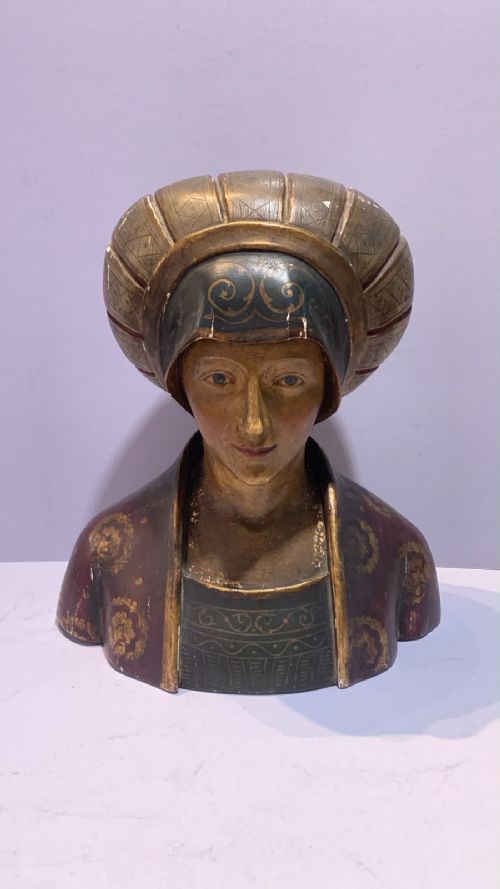


Italian Renaissance Style Sculpture
These italian renaissance style sculpture pieces bring classical grandeur and rich ornamentation into your rooms through historic walnut, bronze, and marble forms.
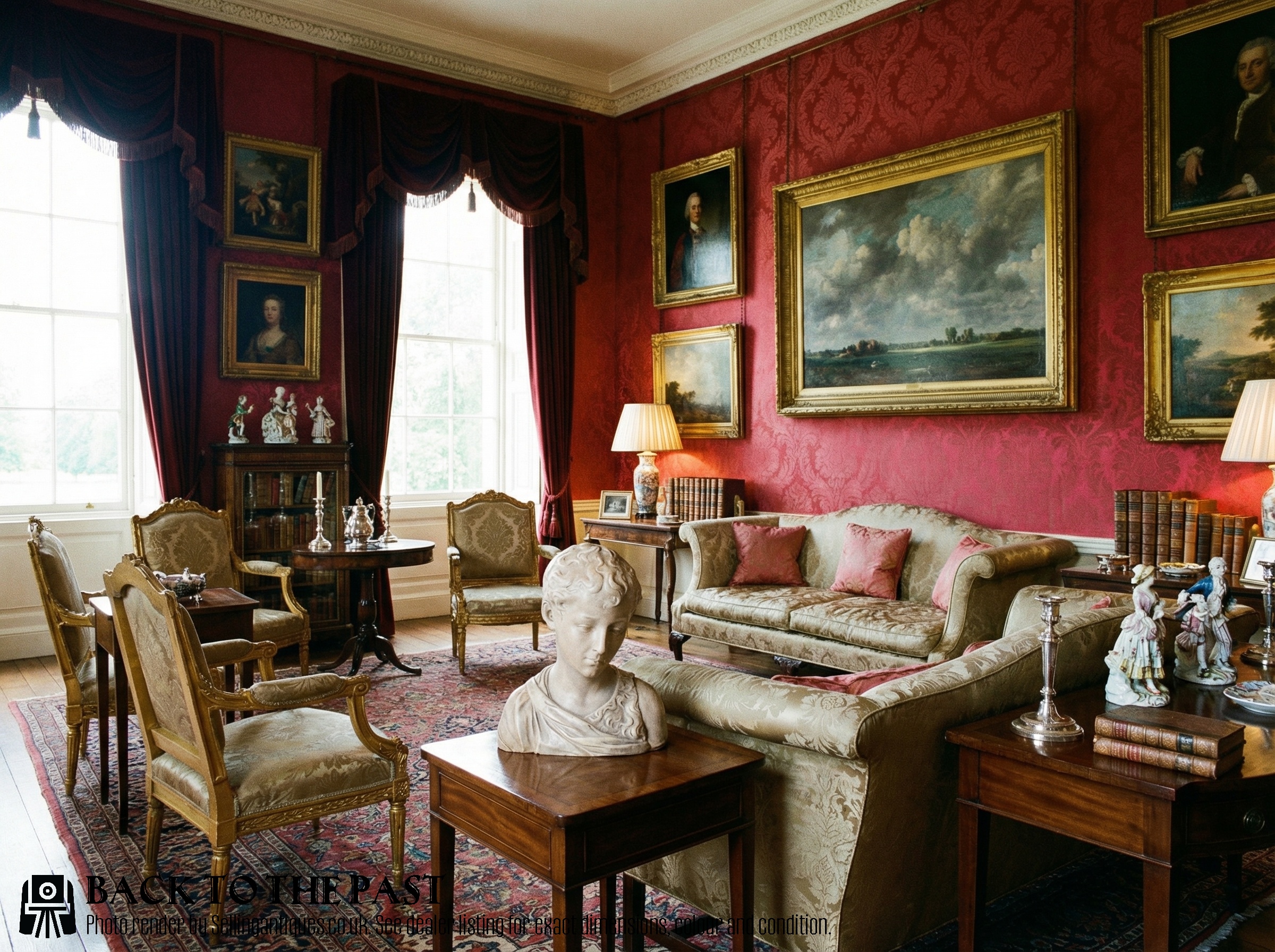
Italian Renaissance Style Sculpture
When you search for italian renaissance style sculpture, you are looking at historical works and later revivals inspired by classical antiquity and the master workshops of Italy. These pieces take the form of busts, relief panels, architectural carvings, and figurative statues created to echo centuries of artistic heritage.
The selections you meet on this page span from authentic seventeenth-century carvings to nineteenth-century interpretations, including Grand Tour pieces and Renaissance Revival creations. You will encounter subjects ranging from religious figures and noblewomen to mythological bronzes and heraldic animals like the Medici lion.
Materials vary widely across the inventory, reflecting both original seventeenth-century craftsmanship and nineteenth-century revival enthusiasm. Whether carved from walnut, cast in bronze, or sculpted in Sienna marble, each object captures the theatricality and detailed precision of Italian artistry.
How they were made
Woodcarving forms a major pillar of this collection, utilising walnut, lime wood, and general timber finished with gold leaf or polychrome pigments. Master carvers shaped these materials into deep-relief panels, winged griffins, and expressive religious figures.
Metalwork relies on bronze casting, producing weighty figures and busts that often reference famous monuments or classical models. Marble appears in carved wall panels and relief sculptures, showcasing the smooth precision of stonework.
Artists employed sophisticated techniques of modelling and chiselling to achieve realistic drapery, muscular definition, and lifelike facial expressions. Polychrome surfaces and gilded details were applied to enhance the visual drama of wood and terracotta.
Listings feature walnut, bronze, and Sienna marble across seventeenth-century and nineteenth-century periods.
What varies in quality
The standard of carving defines the upper tier of these pieces, where depth, anatomical accuracy, and fine detail separate master works from simpler productions. Master carvers achieve an exceptional fluidity in hair, drapery, and muscular form that lesser hands miss.
Material selection and casting finish dictate the presence and longevity of metal and stone objects. Finer bronzes retain sharp chasing and rich patination, while superior marbles display clean veining and crisp relief edges.
Age and provenance elevate certain items, particularly seventeenth-century originals or documented nineteenth-century revival pieces by known makers. The harmony between the subject and its secondary support, such as dedicated sculptural stands, also influences the overall cohesion of the piece.
Valentino Besarel·Luigi Frullini·Antonio Rossellino·Aspetti
The Italian Renaissance Style Sculpture Glossary
- Renaissance Revival
- A nineteenth-century artistic movement that drew heavy inspiration from fifteenth- and sixteenth-century Italian art and architecture. It dominated decorative sculpture and furniture design during the Victorian era.
- Grand Tour
- A traditional trip through Europe undertaken by upper-class Europeans during the eighteenth and nineteenth centuries to study classical art. Travellers often acquired small bronzes and marble plaques as souvenirs.
- Polychrome
- The practice of decorating architectural elements, sculpture, or pottery in a variety of colours. In these pieces, it usually involves painted wood surfaces bringing realism to religious figures.
- Relief Sculpture
- A sculptural technique where the sculpted elements remain attached to a solid background of the same material. Reliefs range from low profiles to deep projections that catch the light.
- Medici Lion
- One of a pair of marble lion sculptures representing guards for tombs or staircases, heavily copied during the nineteenth century. These fierce lions became iconic motifs in Grand Tour bronzes.
Italian Renaissance Style Sculpture: Frequently Asked Questions
What is an italian renaissance style sculpture?
These pieces are decorative and figurative works created in the tradition of Italian classical art, spanning original seventeenth-century carvings and nineteenth-century revival objects.
They encompass busts, relief panels, and statues made from walnut, bronze, and marble.
How do I identify a grand tour bronze?
Grand tour bronzes are typically smaller scale reproductions of famous classical sculptures or Renaissance figures acquired by travellers in Italy during the nineteenth century.
They are characterised by detailed metal casting and often feature rich patination built up over decades.
Where should I place a wall plaque?
Carved marble or wood wall plaques suit prominent interior walls where lighting can catch the depth of the relief work. They work well mounted above mantelpieces or within panelled hallways.
Ensure the wall structure can support the weight of denser materials like marble and walnut.
How do I care for carved walnut?
Walnut carvings require stable indoor humidity away from direct heat sources to prevent the timber from drying and splitting. Dust gently with a soft, dry cloth without applying modern chemical polishes.
Maintaining a consistent environment preserves both the wood grain and any historic polychrome or gilded finishes.