






19th Century Austrian Sculpture
19th century austrian sculpture delivers brilliant animalier bronzes and expressive terracotta figures that bring distinct character to any collection.
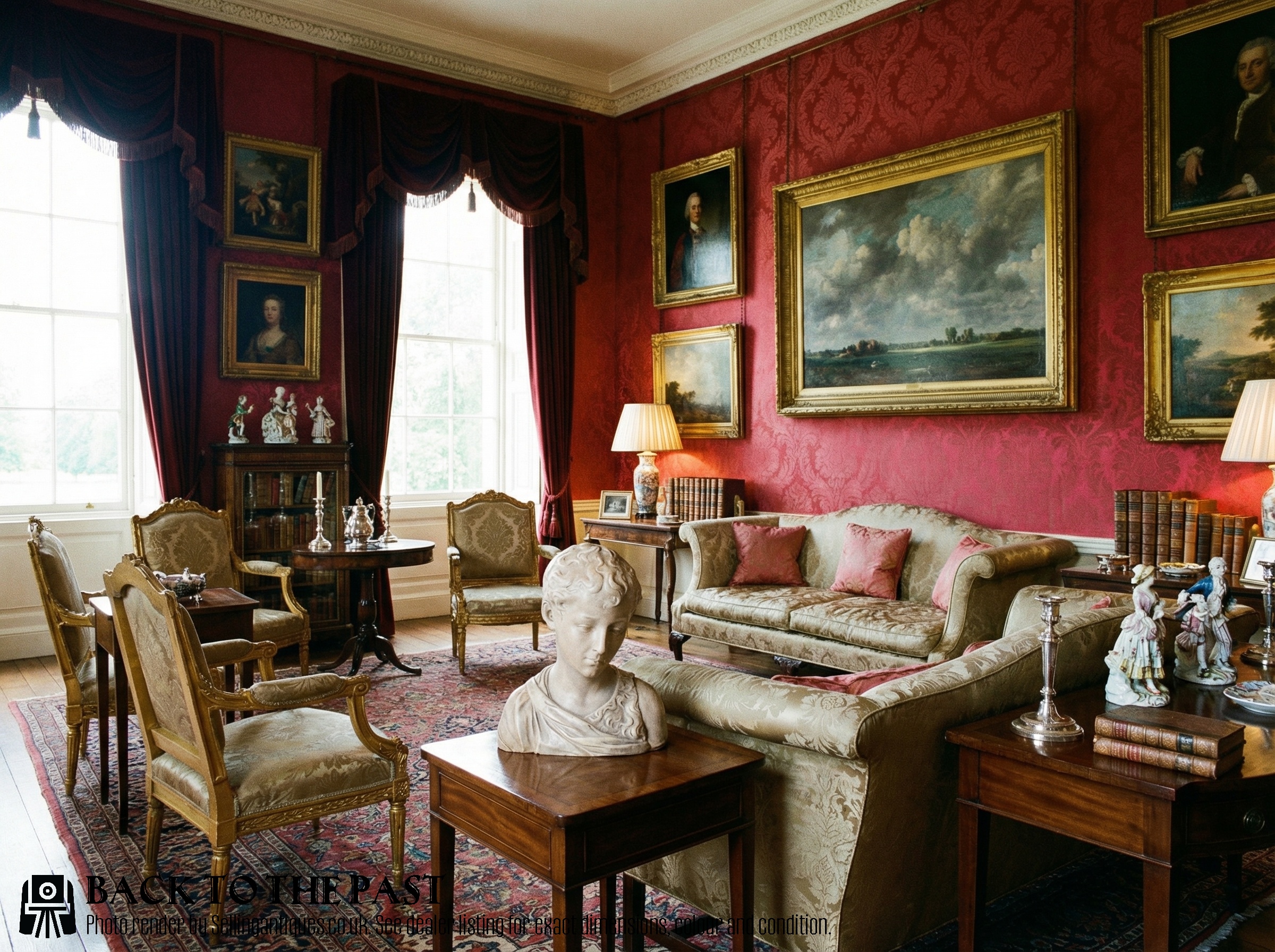
19th Century Austrian Sculpture
When you search for 19th century austrian sculpture, you encounter a diverse range of works spanning classical revival figures, animalier bronzes, and distinctive ceramics. The pieces on this page heavily feature Vienna bronzes, terracotta animal studies, and glazed earthenware figures from major foundries and potteries.
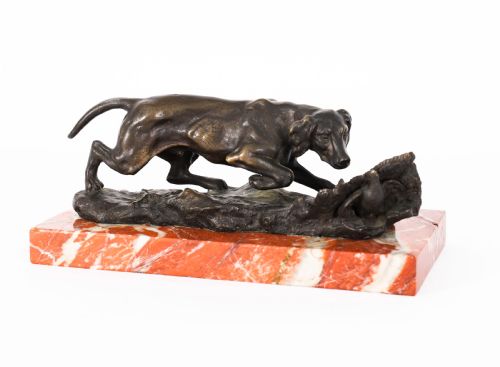
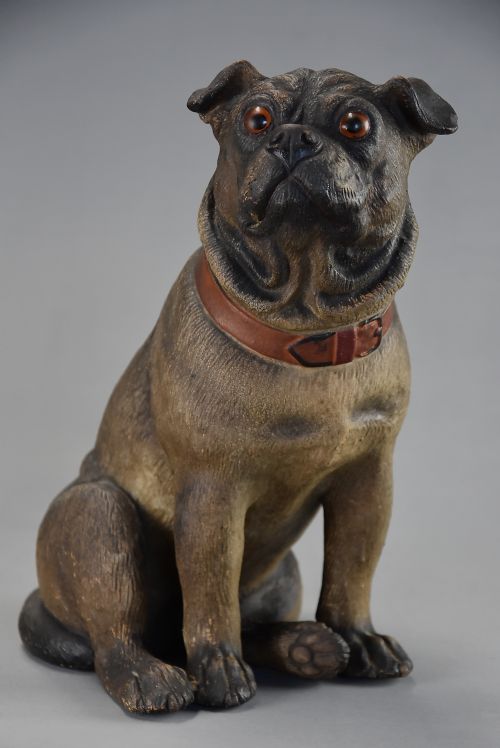
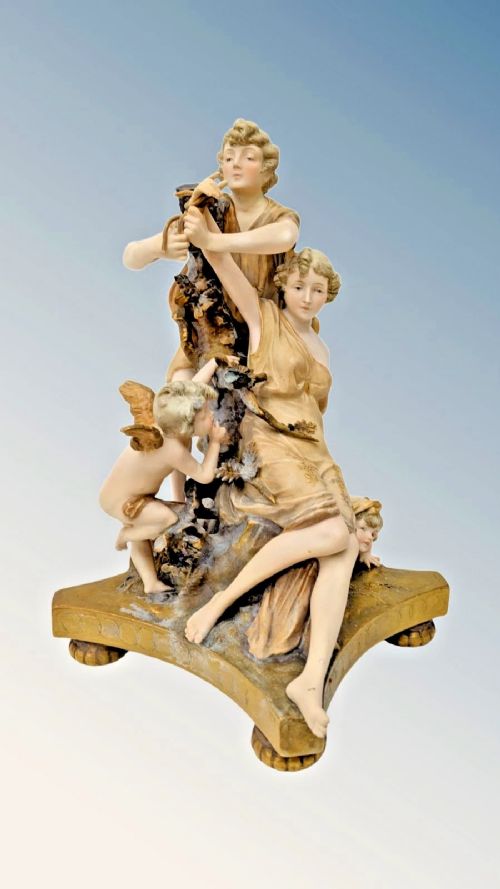
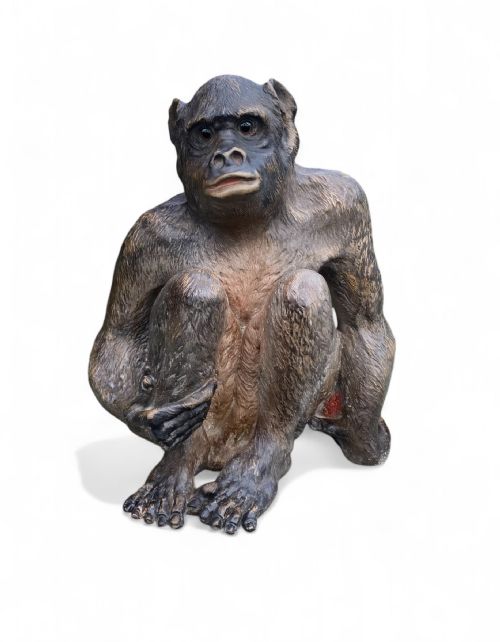
The selection ranges from cold-painted bronze dogs and figures to large terracotta classical subjects and marble-mounted busts. Animalier subjects, particularly dogs and exotic figures, appear frequently alongside human subjects rendered in the academic realism and art nouveau styles of the period.
How They Were Made
Foundries utilised traditional lost-wax casting for bronze works, often finishing the metal with intricate cold-painted polychrome patination or parcel-gilt details. Marble bases and multi-media assemblies provided sturdy foundations for the heavier bronze and terracotta sculptures.
Ceramic and terracotta pieces involved moulded earthenware fired at specific temperatures before receiving hand-painted glazes, slip finishes, or cold-painted decoration. The combination of modelled clay and carefully mixed mineral pigments gave these figures their lasting surface detail.
Listings feature bronze, terracotta, and ceramic works created across the nineteenth century and early twentieth century.
What Varies in Quality
The degree of surface preservation dictates much of the distinction between pieces, particularly in cold-painted bronzes where the original paint layer remains intact and crisp. Crispness of chisel work, clear signatures, and the precision of the casting seam cleanup separate standard studio output from exceptional works.
In terracotta and ceramic pieces, the sharpness of the mould impression and the subtlety of the hand-applied glaze determine the visual impact. Heavier, more ambitious compositions by established makers show greater anatomical and architectural confidence than smaller, commercial workshop variants.
Carl Kauba·Franz Bergman·Goldscheider·Ernst Whaliss·Alajos Strobl
The 19th Century Austrian Sculpture Glossary
- Cold-painted bronze
- Bronze sculpture finished with oil-based paints applied after casting without firing. This technique produces vibrant polychrome surfaces common in Vienna bronzes.
- Animalier
- A nineteenth-century artistic focus on the realistic portrayal of animals, particularly dogs, birds, and wild beasts. These sculptures capture creatures in natural or humorous poses.
- Terracotta
- Fired unglazed clay ranging in colour from buff to reddish-brown. It serves as a primary medium for expressive figures and animal studies.
- Vienna Bronze
- Small, highly detailed bronze figures produced in Austrian workshops, usually featuring cold-painted surfaces. They often depict orientalist scenes, animals, and humorous subjects.
- Parcel-gilt
- Metalwork decorated with portions highlighted in gold leaf or gilt. This method draws the eye to specific costume details or architectural elements.
19th Century Austrian Sculpture: Frequently Asked Questions
What is a cold-painted bronze?
A cold-painted bronze is a metal sculpture finished with oil or tempera paint applied directly to the cold metal surface rather than fired in a kiln. This technique allows for rich, multi-coloured details that define many small Austrian animal and human figures.
Over time, handling can cause gentle wear to the paint layers. Collectors prize examples where this original surface colour remains largely undisturbed.
How do I identify a Vienna bronze?
Vienna bronzes typically present as small, weighty metal sculptures with distinct, hand-applied cold-painted decoration. They frequently depict domestic animals, wildlife, or human figures in narrative poses.
Many bear small stamped foundry marks, registration numbers, or artist ciphers hidden beneath the base. Their charm lies in the humour and meticulous miniature detail of the modelling.
What is Goldscheider pottery?
Goldscheider was a prominent Austrian ceramic manufactory known for producing striking terracotta and earthenware figures and busts. Their output spans historical revival styles, orientalist subjects, and flowing art nouveau designs.
Pieces often feature impressed factory marks and artist signatures on the reverse or base. The firm utilised specialised glaze and slip techniques that set their earthenware apart from standard commercial ceramics.
How should I care for terracotta?
Terracotta requires a stable indoor environment away from direct moisture and sudden temperature shifts to protect the porous fired clay. Dust the surface gently with a soft, dry brush rather than using liquid cleaners.
Because the material can be brittle, place sculptures on secure, level surfaces where they will not suffer bumps. Avoid exposing painted or slip-decorated terracotta to strong direct sunlight.
What is animalier art?
Animalier art describes sculptures dedicated to the realistic and dynamic depiction of animals in various behavioural states. Sculptors observed anatomy closely to capture creatures in motion or repose.
This genre gained immense popularity across Europe during the nineteenth century, particularly in bronze and terracotta. Austrian animalier works frequently combine technical casting skill with expressive characterisation.