



English Bone China Figure
An english bone china figure brings expressive narrative and delicate craft to a room, capturing character through painted glaze and sculpted ceramic.
English Bone China Figure
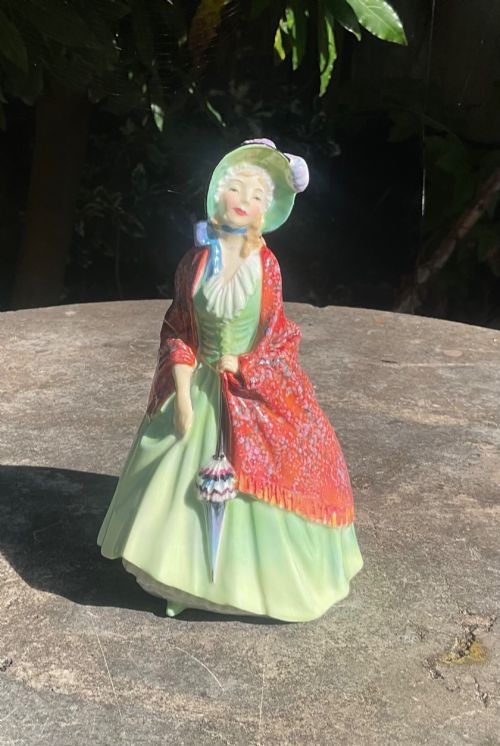
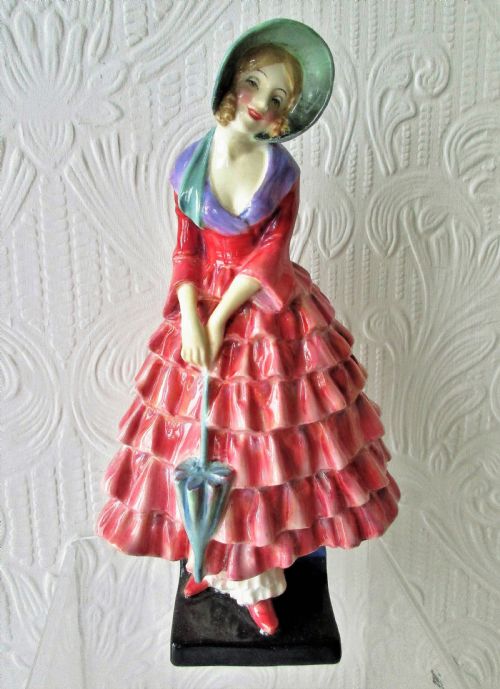
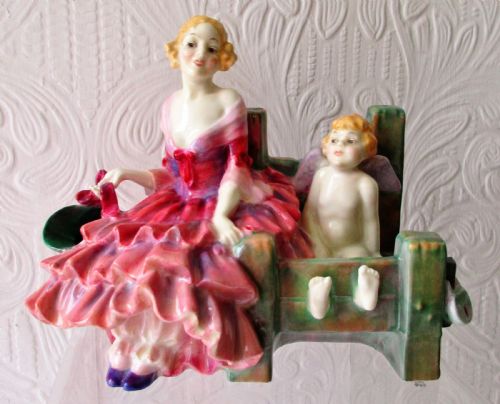
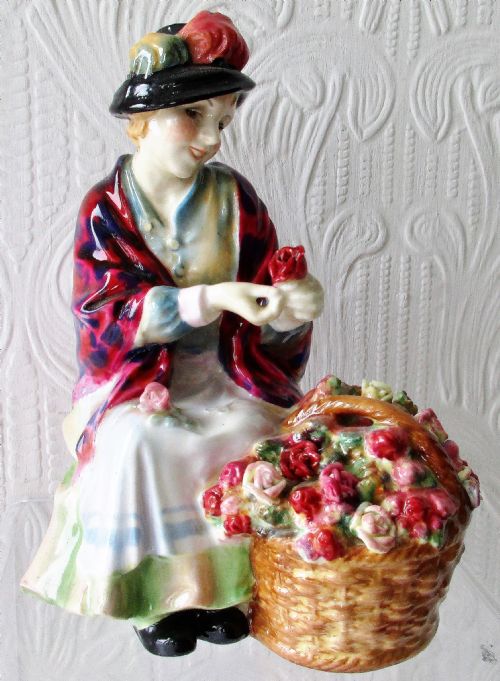
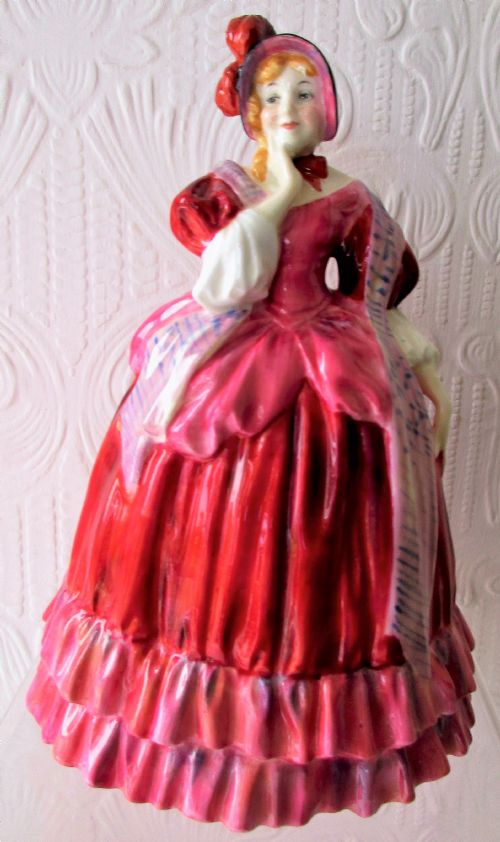
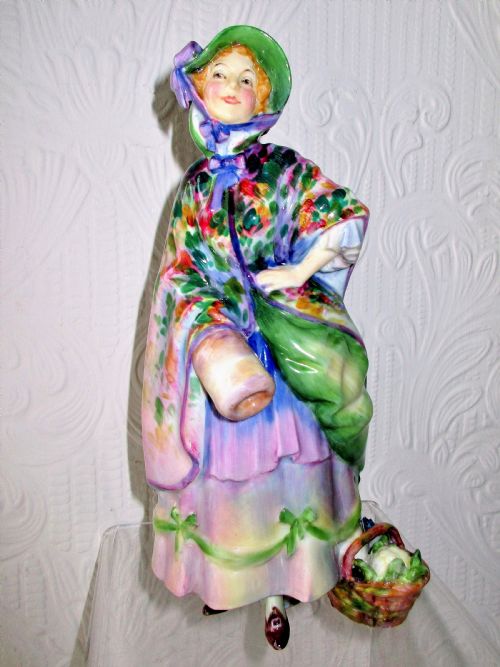
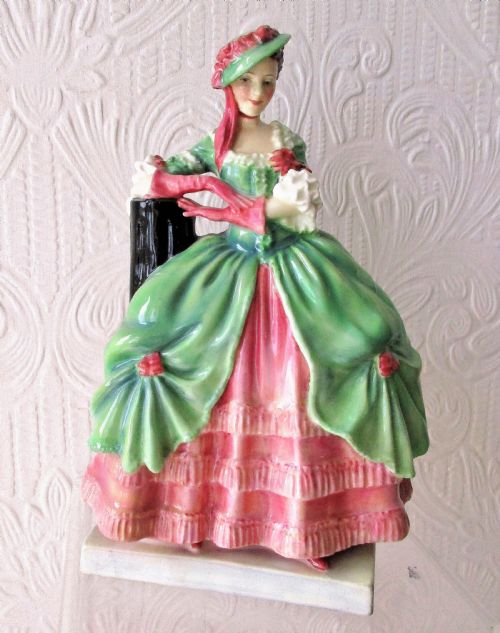
When you search for an english bone china figure, you encounter modelled ceramics that span the Victorian era, the Edwardian period, and the mid-twentieth century. These objects take the form of named ladies, literary characters, gardeners, cherubs, and animals such as gundogs and foxes.
The version you are most likely to meet on this page is a character figurine produced by major potteries during the nineteen-thirties. Pieces representing historical or storybook figures dominate, alongside functional decorative items like candle snuffers.
The range extends from nineteenth-century porcelain figures back to Edwardian works and forward into nineteen-fifty pieces. Each example reflects the prevailing sculptural taste of its decade, shifting from elaborate rococo revival forms to streamlined mid-century decorative styles.
Materials and Manufacture
Gilt highlights frequently accent the edges of garments, bases, and decorative trim, catching the light alongside the polished white ceramic. Firing techniques ensured the durability of the fine clay bodies while maintaining crisp detail in the facial expressions and drapery.
Listings feature bone china and porcelain formed into figures using enamel, glaze, and gilt across Victorian, Edwardian, and mid-century periods.
Distinctions in Quality
The depth of character expression and the fidelity of the sculptural form distinguish standard production pieces from earlier or more ambitious works. Attention to detail in peripheral elements, such as baskets, bonnets, or animal textures, marks the distinction.
Royal Doulton·Royal Worcester·Minton
The English Bone China Figure Glossary
- Bone China
- A type of soft-paste porcelain incorporating bone ash, yielding a durable body with a warm, milky white appearance. It allows for thin casting and delicate sculptural forms.
- Glaze
- A glassy coating fused to the ceramic body through firing, providing a waterproof and lustrous finish. This layer protects the painted enamel colours underneath.
- Gilt
- A thin layer of gold applied to highlights, edges, and bases for decorative emphasis. It adds a warm metallic contrast to the white porcelain.
- Figurine
- A small carved or moulded statuette representing a human or animal subject. These pieces form the primary focus of the selection.
English Bone China Figure: Frequently Asked Questions
What periods do these figures come from?
The pieces span the nineteenth century, the Edwardian era, and the nineteen-thirties, forties, and fifties. Each period brings distinct stylistic traits, from nineteenth-century romanticism to art deco character studies.
Twentieth-century examples often bear specific model numbers and date stamps that help identify their exact year of production.
How were these figures used originally?
Most served as ornamental display pieces on mantelpieces, sideboards, and cabinets in middle and upper-class homes. Some specific forms, such as candle snuffers modelled as animals or characters, combined display with a practical household use.
They functioned primarily to showcase taste and to celebrate literary, historical, or pastoral themes.
How do I care for an english bone china figure?
Keep the figures away from direct sunlight to prevent any fading of the hand-painted enamel colours. Dust them gently with a soft, dry brush rather than using water or liquid cleaners.
Because the porcelain and bone china bodies are rigid and thin, place them on stable, vibration-free surfaces away from table edges.
How can I tell different styles apart?
Nineteenth-century examples frequently employ rococo revival flourishes with elaborate bases and gilt scrollwork. Nineteen-thirties pieces lean towards art deco simplification in posture while retaining narrative charm in costume and title.
Mid-century works show cleaner lines and simpler surface decoration, reflecting changing aesthetic preferences after the Second World War.