


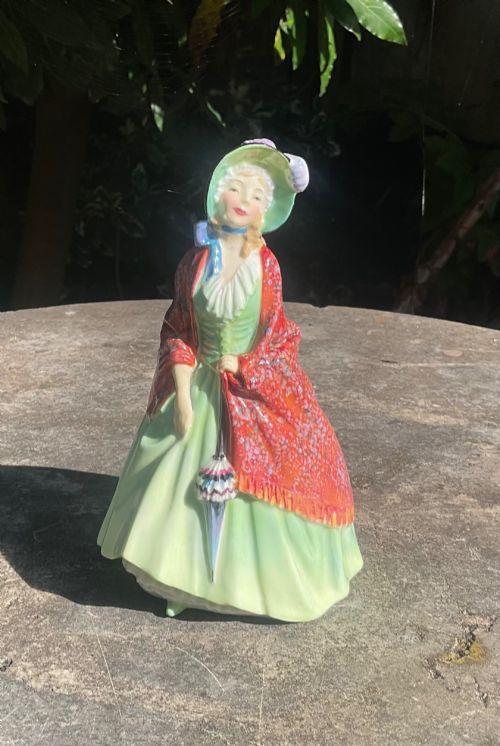
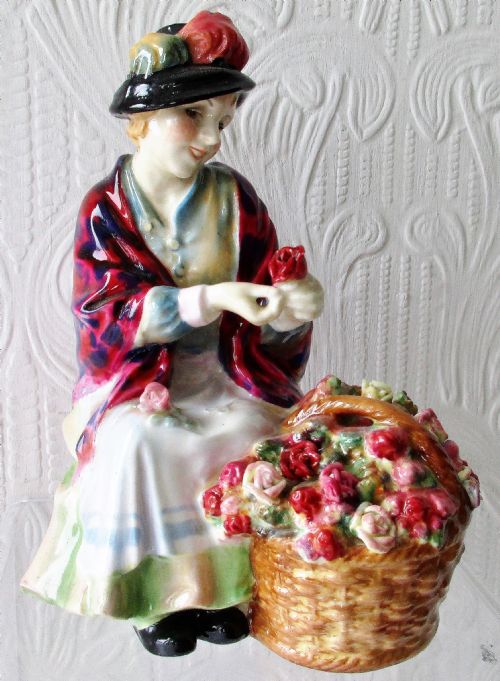
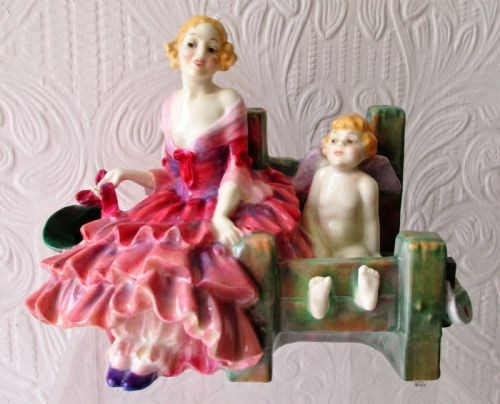
Collectable English Porcelain Figure
A collectable english porcelain figure brings shelves alive with the vibrant glaze and character of past centuries.
Collectable English Porcelain Figure
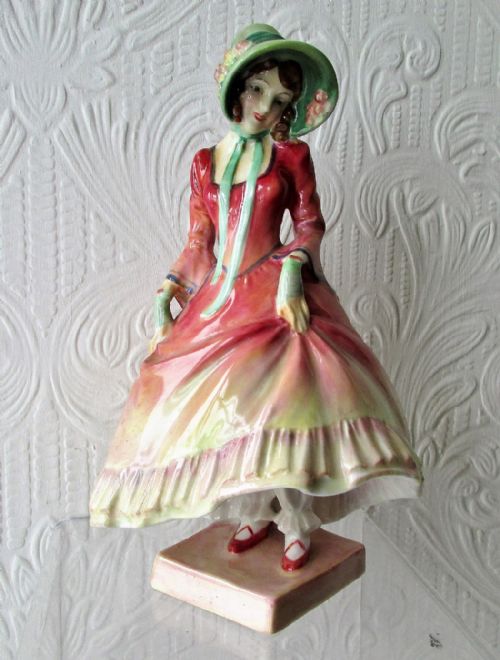
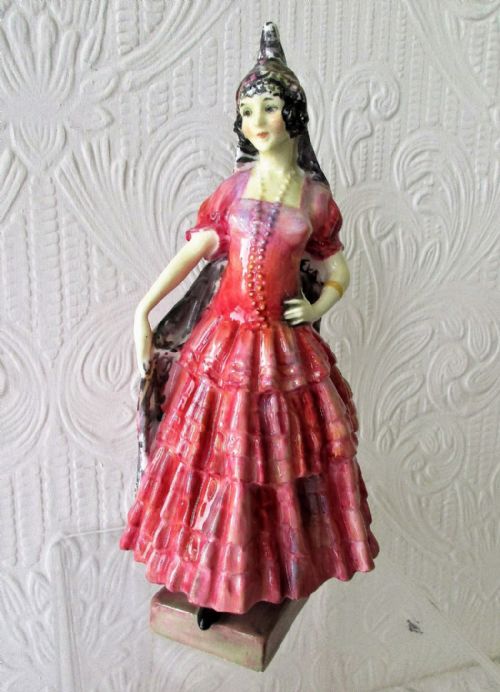
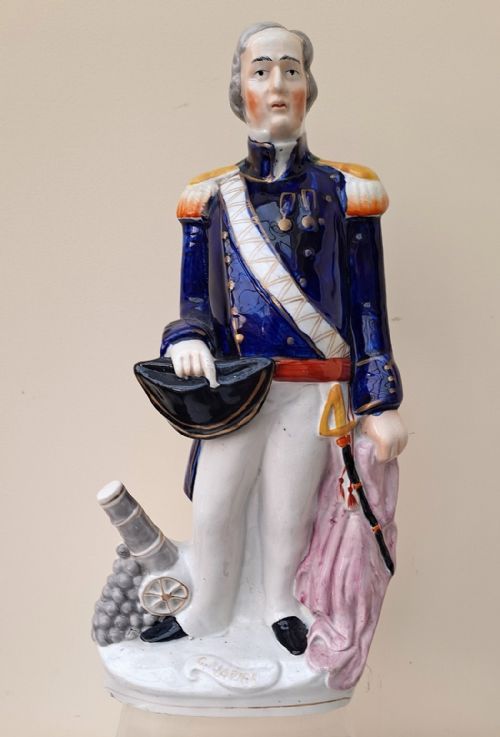
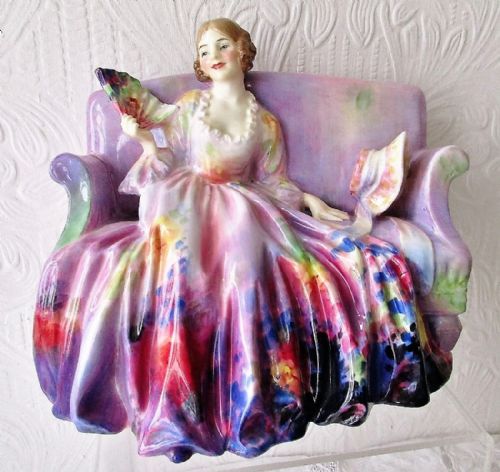
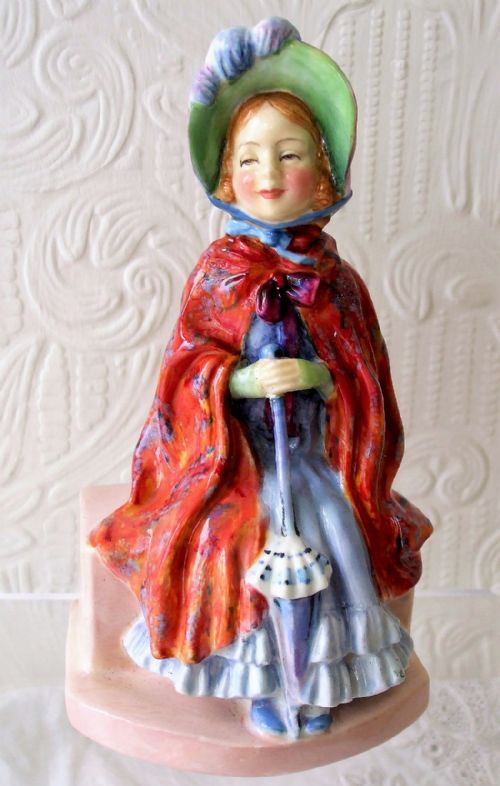
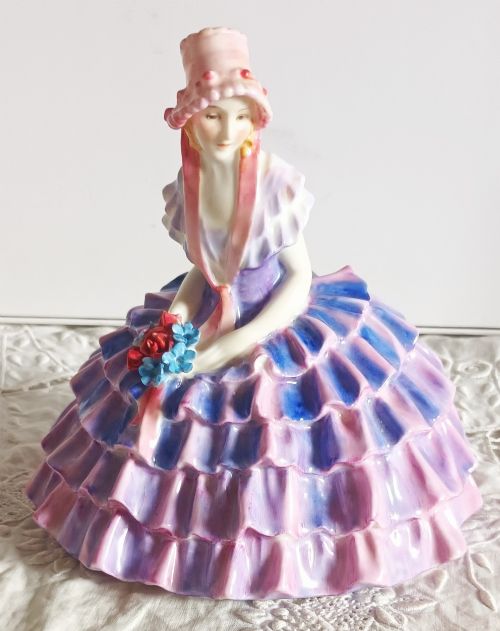
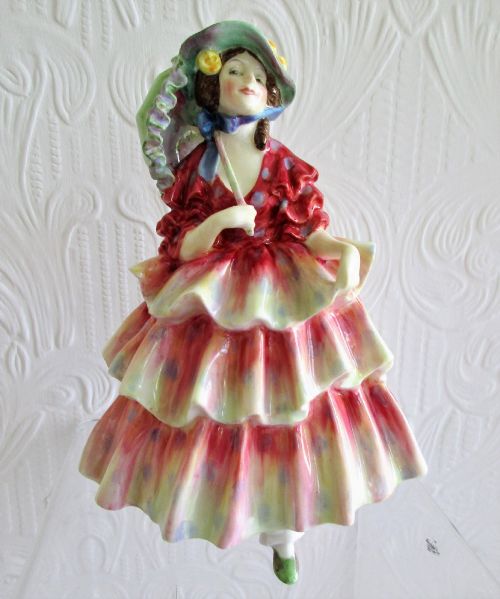
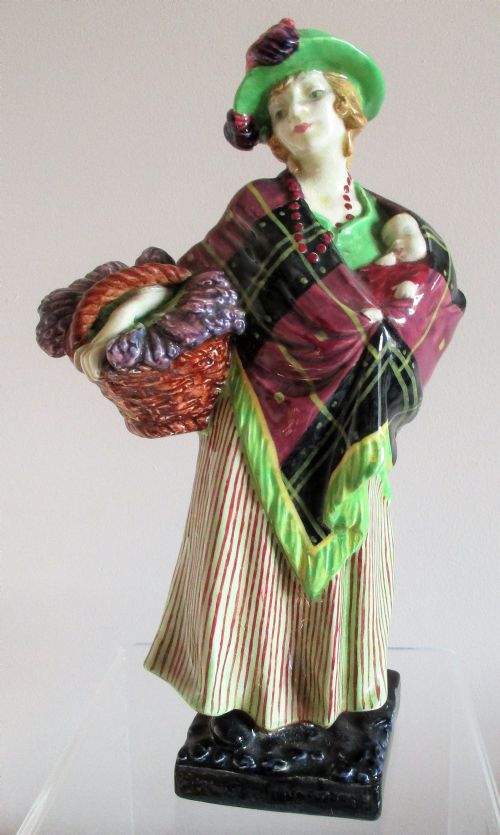
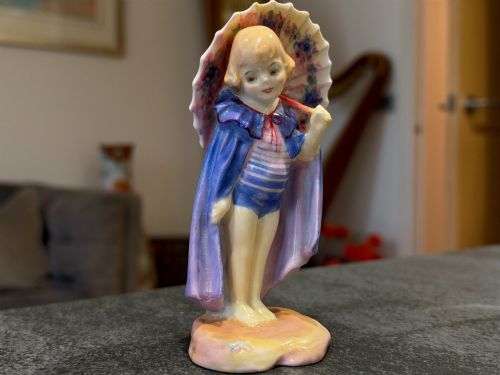
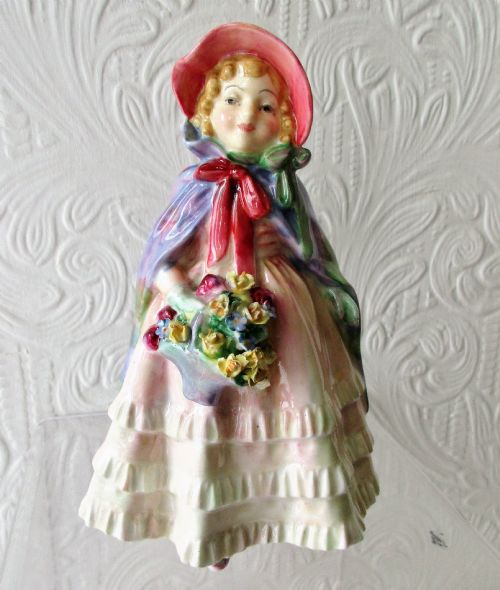
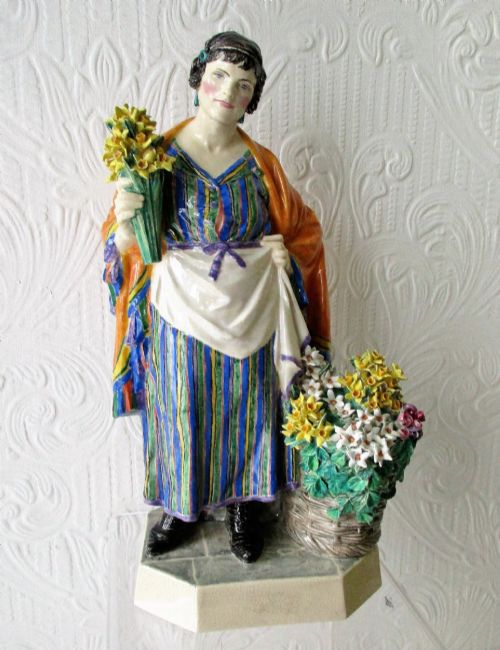
A collectable english porcelain figure encompasses small sculptural ceramics from the mid-eighteenth century through the mid-twentieth century. Buyers encounter eighteenth-century animals and musicians alongside nineteenth-century Staffordshire pairs and twentieth-century ladies.
The material takes many forms on this page, including standard figurines, candle snuffers, and decorative statuettes. Royal Doulton pieces from the nineteen-thirties and forties appear frequently alongside historic Derby and Royal Worcester works.
Materials and construction
Potters utilised porcelain, bone china, and pearlware, shaping bodies through moulds or hand-modelling. Workers applied ceramic glaze and enamel colours before firing the pieces in kilns to seal the surface.
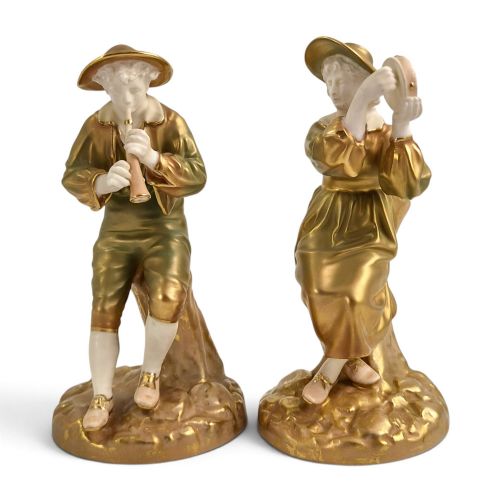
Details often include gold leaf accents and hand-painted touches, particularly on eighteenth-century Derby models and Victorian figures. The combination of glaze and enamel creates the characteristic finish found across these listings.
Collectable English Porcelain Figure Retail Price Guide 2026
Typical asking prices for collectable english porcelain figure among the pieces listed under this phrase on Sellingantiques today, from the lower quarter to the upper quarter. They describe what is for sale here now, not the wider market.
Listings feature pieces spanning the Georgian, Regency, Victorian, and Edwardian periods, alongside items from the nineteen-thirties, forties, and fifties.
Distinctions in quality
Quality rests in the crispness of the modelling and the precision of the enamel painting. Early eighteenth-century examples show distinct hand-finishing, whereas twentieth-century pieces display uniform production standards.
Royal Doulton·Royal Worcester·Derby·Longton Hall
The Collectable English Porcelain Figure Glossary
- Bone china
- A type of soft-paste porcelain containing bone ash, known for its bright white body and durability. It became a staple material for English ceramic figures.
- Enamel
- Vitreous material fused to the surface of porcelain to add colour and detail. Skilled painters applied these pigments before a secondary firing.
- Glaze
- A glassy coating applied to ceramic ware to seal the porous body and provide a glossy finish. This layer protects the painted decoration underneath.
- Pearlware
- An earthenware developed in the late eighteenth century with a bluish-tinted glaze over a white body. It resembles porcelain but remains a distinct ceramic type.
- Figurine
- A small carved or moulded statuette representing a human or animal figure. These objects form the majority of the current selection.
Collectable English Porcelain Figure: Frequently Asked Questions
How do I date an old figure?
Examine the base markings, factory stamps, and style of the piece to determine its era. Eighteenth-century models often lack printed marks, relying instead on paste characteristics and hand-painted numbers.
Later pieces from factories like Royal Doulton or Royal Worcester feature specific stamp designs and registration numbers that link directly to production years.
What is a candle snuffer figure?
A candle snuffer is a specialised ceramic figure designed with a hollow interior to extinguish candle flames safely. Makers such as Royal Worcester produced these functional pieces in various character designs.
They combine decorative sculptural qualities with a practical household use from the late nineteenth and early twentieth centuries.
How should I display my figures?
Display porcelain figures in stable cabinets away from direct sunlight to protect the enamel colours and gold leaf accents. Ensure shelves are secure to prevent accidental tipping of delicate ceramic pieces.
Keep them in a clean, dust-free environment where temperature fluctuations remain minimal to preserve the glaze.
Are Staffordshire figures made of porcelain?
Staffordshire figures in the evidence often utilise pearlware or earthenware rather than true porcelain. These regional pieces feature hand-painted details typical of nineteenth-century production.
They represent a different branch of ceramic manufacturing compared to fine bone china or soft-paste porcelain.