
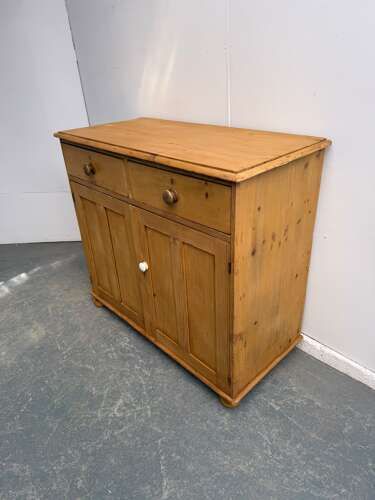
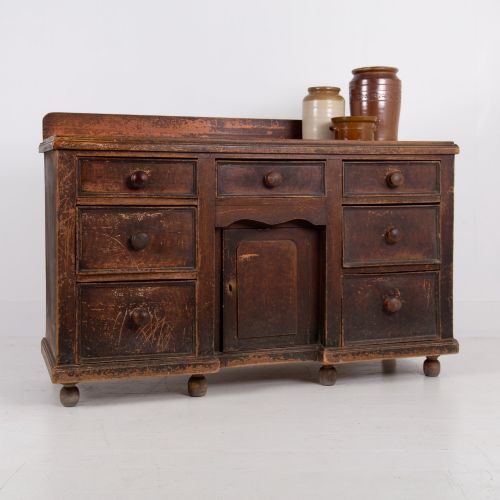
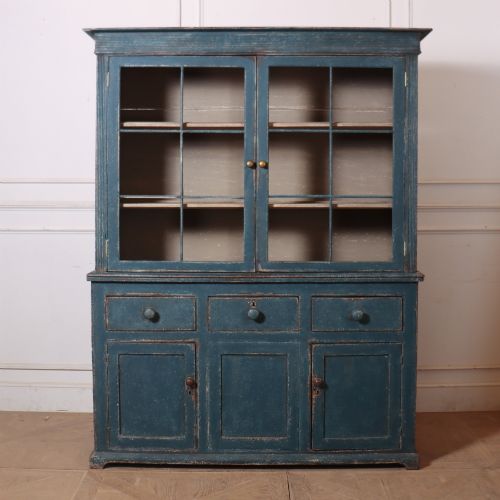
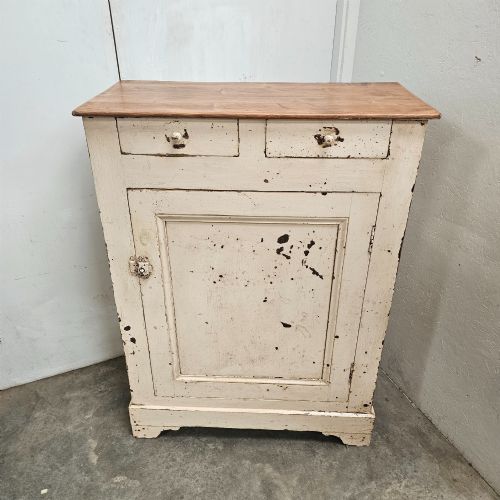
Vintage Pine Kitchen Storage
Vintage pine kitchen storage brings solid utility and honest character into a room, offering practical cupboards, dressers, and larders built for daily use.
Vintage Pine Kitchen Storage
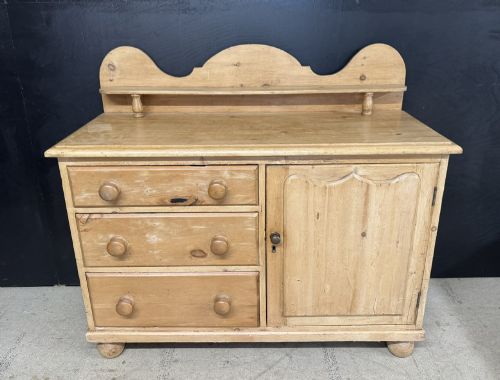
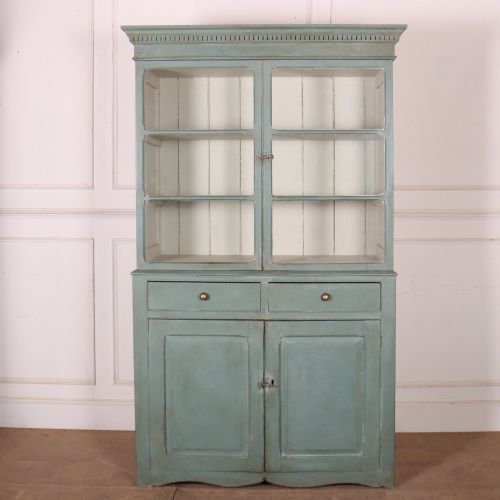
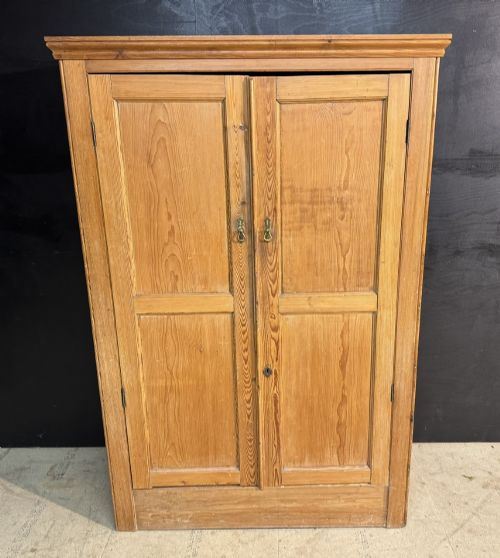
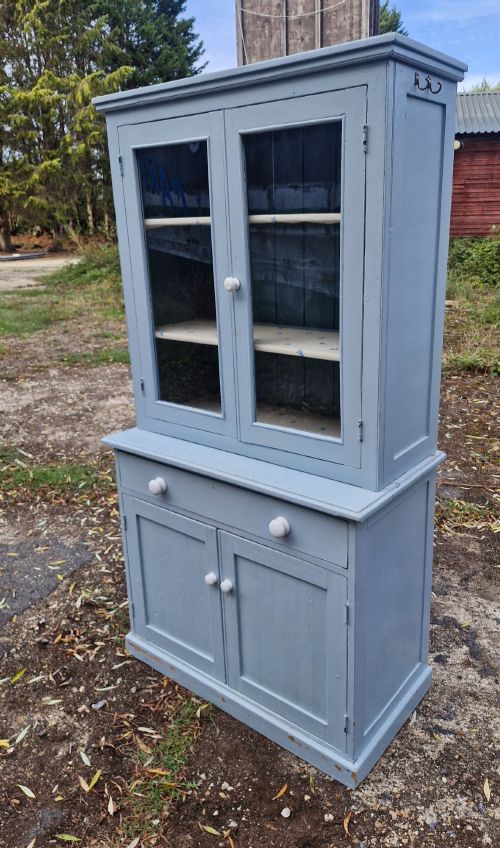
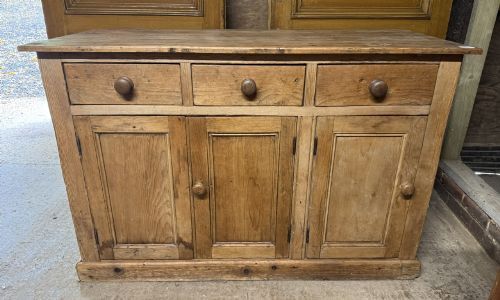
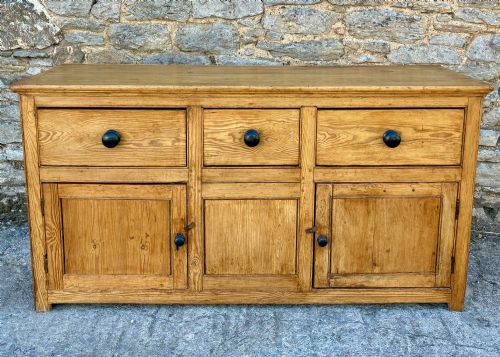
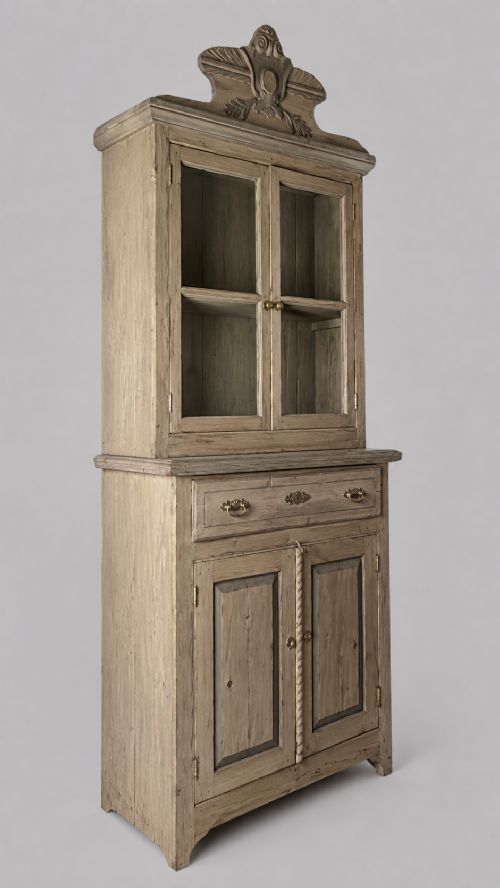
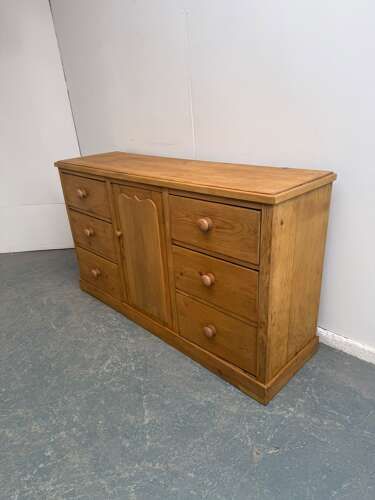
Vintage pine kitchen storage comprises utilitarian furniture designed to hold food, tableware, and household goods in domestic settings. The pieces range from large kitchen dressers and multi-part cupboards to dresser bases, larder cupboards, and wall-hanging spice boxes.
The selection here draws primarily from nineteenth-century and Victorian periods, alongside Georgian, Edwardian, and early twentieth-century examples. English country pieces appear frequently, alongside Welsh, Scottish, French Provincial, Hungarian, and Swedish origins.
Dressers and sideboards dominate the forms, offering open plate racks or enclosed upper cabinets above drawers and cupboards. Housekeeper cupboards and vented larders provide deep storage for provisions, while smaller items like confiturier jam cupboards and dog kennel dressers cater to specific domestic needs.
How they were made
Construction relies heavily on solid pine, shaped into panels, framing, and shelving for everyday domestic service. Secondary materials such as brass, iron, and glass appear in hardware, hinges, door panels, and occasional banding.
Surface finishes divide between waxed bare wood, which highlights the natural grain, and original or later paintwork. Painted surfaces preserve layers of history, showing white, green, and multi-toned coats applied over decades of use.
Some nineteenth-century dressers include a built-in kennel space underneath, proving that household dogs rated high priority in the rustic kitchen.
What varies in quality
Quality rests on the integrity of the original construction and the survival of untouched surfaces. Pieces retaining their original paint or early waxed finishes hold greater character than those stripped down repeatedly.
Proportion and scale distinguish standard utility furniture from finer country house examples. Well-proportioned mouldings, original iron or brass hardware, and intact backboards elevate a piece above basic workshop output.
The Vintage Pine Kitchen Storage Glossary
- Dresser base
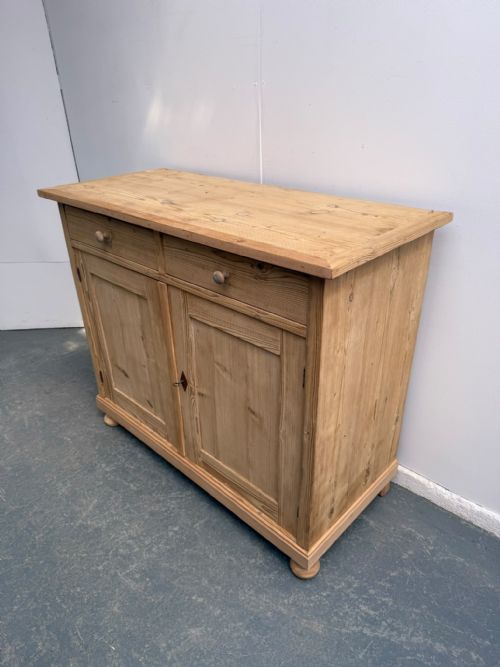
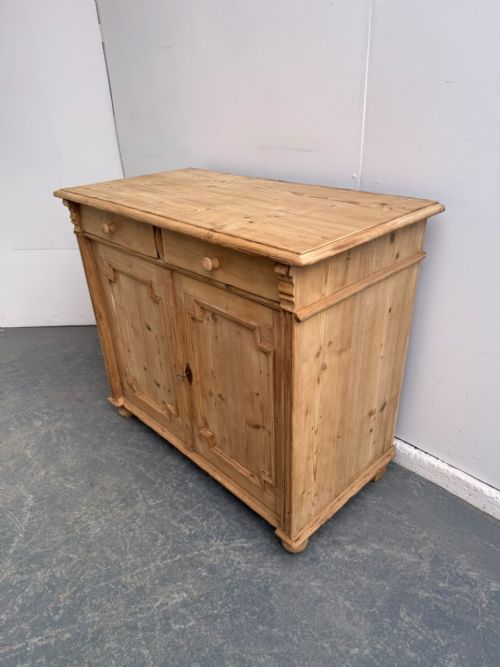
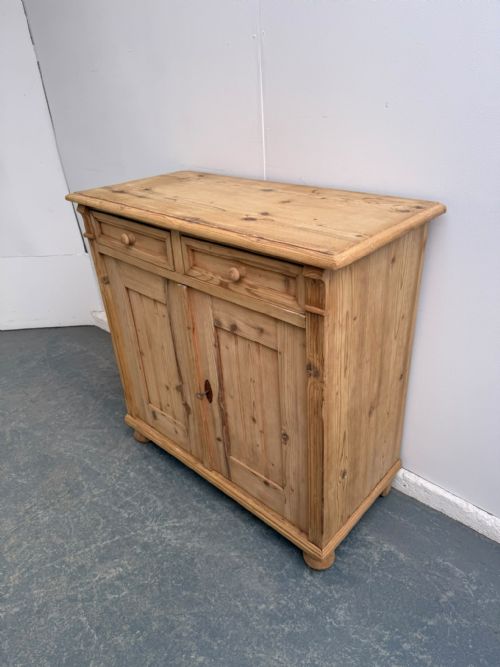
- The lower section of a kitchen dresser featuring drawers and cupboards without the upper plate rack. These sturdy units function well as sideboards.
- Housekeeper cupboard
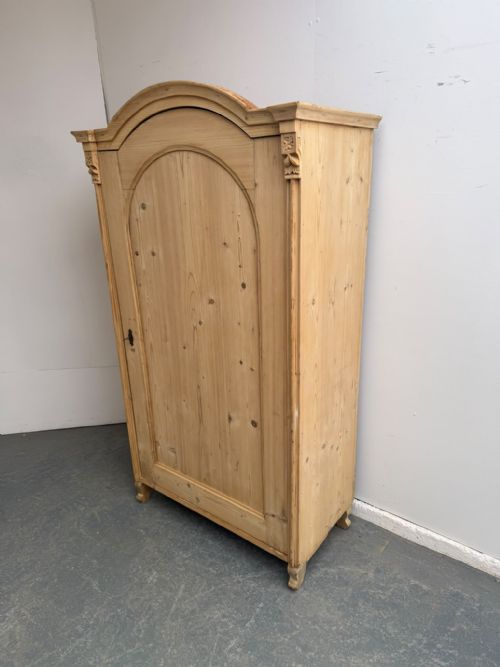
- A large, upright storage cabinet traditionally used for storing linens, dry goods, and provisions. They often feature multiple doors and deep internal shelving.
- Confiturier
- A small French jam cupboard designed to hold preserves and small kitchen jars. These compact cabinets typically have a single door and a shallow drawer.
- Dog kennel dresser
- A regional dresser style featuring a central open recess beneath the drawers, originally intended to house a working dog. This distinct void breaks the bank of lower cupboards.
- Vented cupboard
- A storage cabinet fitted with pierced tin, wire mesh, or slatted panels to allow air circulation. These were essential for keeping dairy and meats fresh before refrigeration.
Vintage Pine Kitchen Storage: Frequently Asked Questions
Are these pieces painted or waxed?
Pine storage pieces appear in two main surface treatments: stripped and waxed timber or painted finishes. Many retain traces of original paint or later decorative coats in colours like green and white.
Waxed finishes highlight the knots and golden tones of the wood, whereas painted surfaces reflect traditional domestic maintenance over generations.
How do I date an antique pine cupboard?
Dating relies on construction methods, timber selection, and hardware styles found across the piece. Nineteenth-century examples often display hand-cut joints, thick backboards, and forged iron or brass fittings.
Regional characteristics, such as Welsh or Scottish proportions, also help anchor a piece within a specific Victorian or Georgian timeframe.
What is the difference between a dresser and a larder cupboard?
A kitchen dresser typically combines an open plate rack or glazed upper cabinet with a solid base of drawers and cupboards. They were built for displaying tableware alongside everyday storage.
A larder cupboard is an entirely enclosed tall cabinet designed strictly for food storage, frequently featuring deep shelves and ventilated panels.