




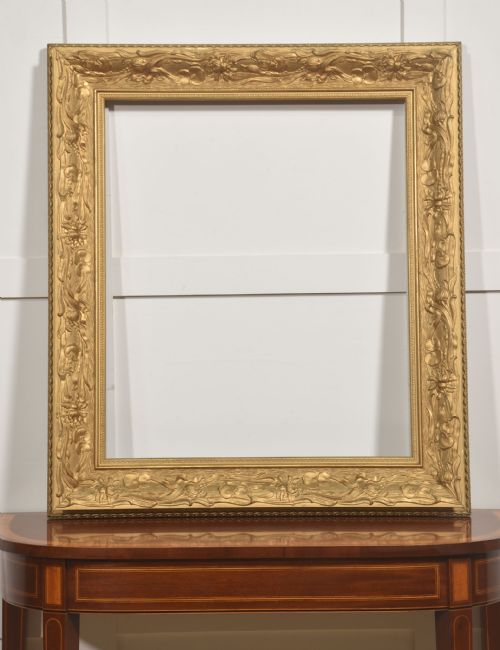


Vintage Picture Frame Mirror
These vintage picture frame mirror options combine pictorial framing with reflective glass, bringing architectural presence and depth to any wall.
Vintage Picture Frame Mirror
A vintage picture frame mirror repurposes historical frames or adopts framing techniques to surround reflective glass, serving both decorative and practical functions.
Most examples found here date from the nineteenth century into the early twentieth century, spanning styles from Victorian and Edwardian to Art Nouveau.
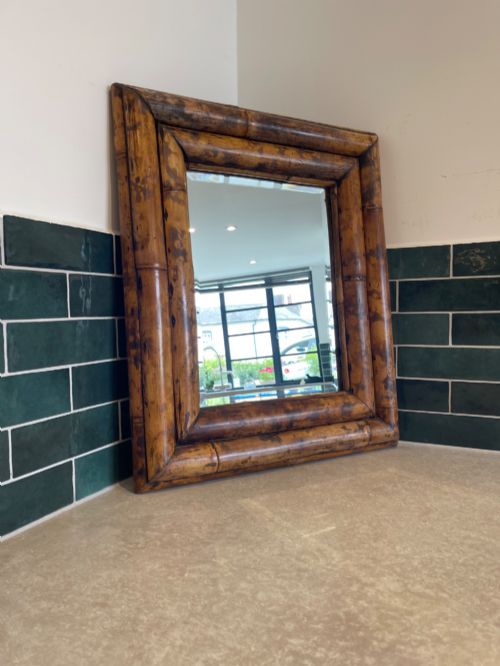
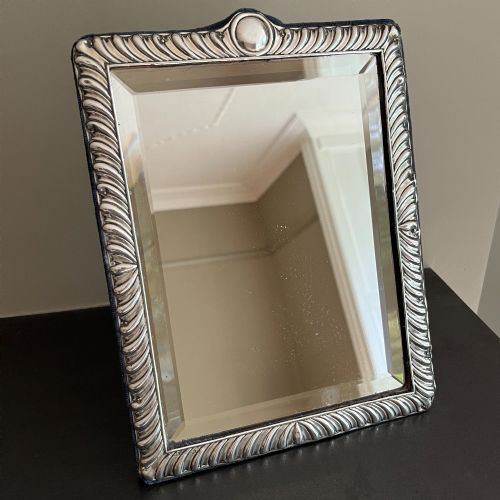
Forms range from wall-mounted pieces to table struts, utilising profiles originally intended for artwork or prints.
Materials and construction
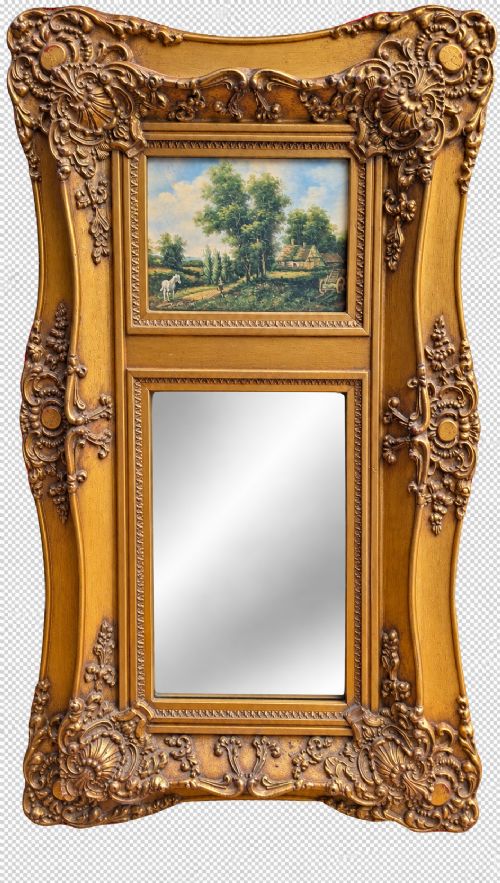
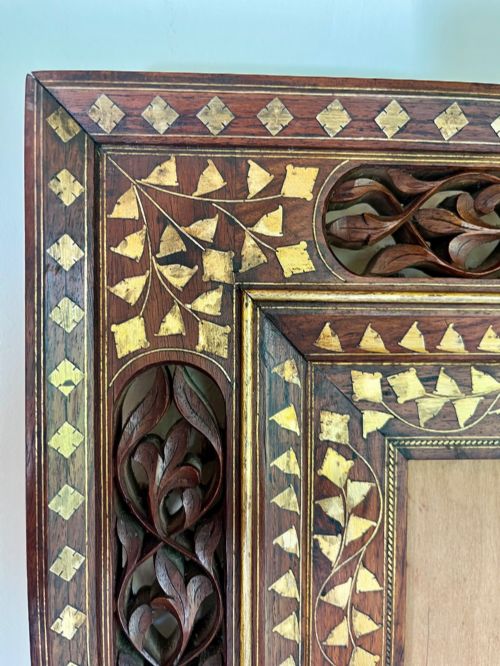
Construction relies heavily on timber, gesso, and glass, with artisans carving intricate decorative elements directly into wood or moulded plaster surfaces.
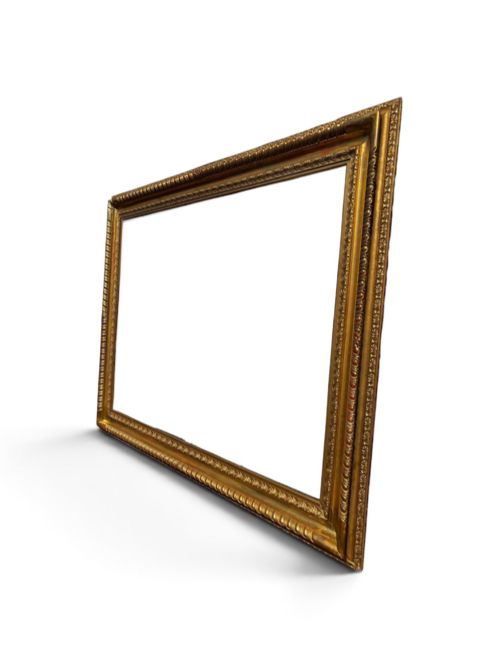
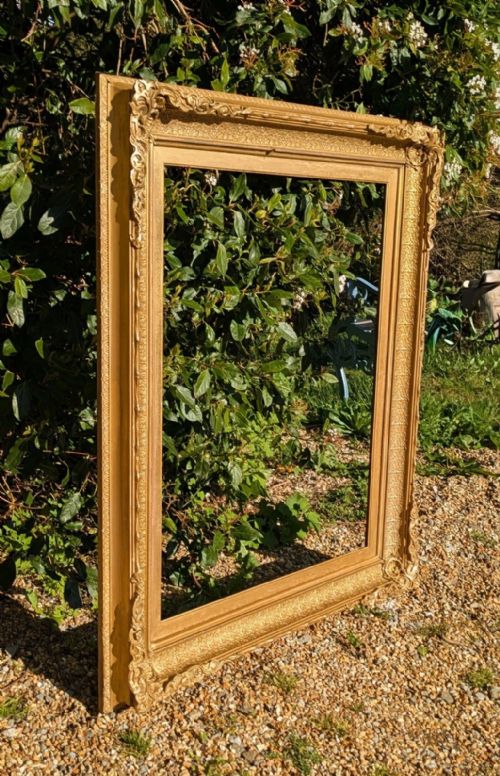
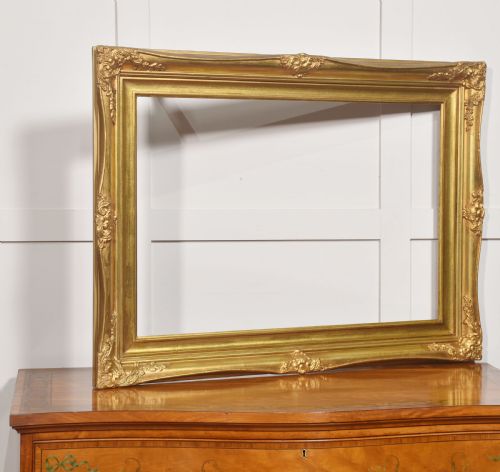
Guilders applied gold leaf or gilt finish over gesso layers, creating the characteristic reflective metallic sheen seen across Victorian and Edwardian pieces.
Specialised techniques include brass casting for smaller table mirrors and detailed piercing work found on specific regional frames.
A few unexpected arrivals feature soldiers and lion heads keeping watch from their wooden perches.
Assessing craftsmanship and condition
Quality separates by the depth of hand-carved detail and the crispness of the gesso moulding, where sharper reliefs indicate superior artisan skill.
The integrity of the original gilt surface and the authenticity of the glass plate influence the overall character and historical weight of the piece.
The Vintage Picture Frame Mirror Glossary
- Gesso
- A plaster-like mixture applied to wood surfaces as a base for gilding. It allows craftsmen to carve intricate relief ornaments before applying gold leaf.
- Giltwood
- Timber coated with gold leaf or metallic paint. This finish defines the ornate aesthetic of many nineteenth-century wall pieces.
- Strut mirror
- A portable looking glass featuring a rear support stand. These pieces typically sit upon dressing tables or desks.
- Tabernacle frame
- An architectural framing style resembling a small shrine. It often incorporates pilasters and a pediment.
Vintage Picture Frame Mirror: Frequently Asked Questions
Can I clean the original glass?
Clean the mirror glass gently using a soft cloth and mild glass cleaner applied to the cloth rather than directly sprayed onto the surface. Avoid letting moisture seep behind the plate.
Older mirror plates often feature foxing or silver loss, which forms part of their historical charm and should not be scrubbed away.
Are these mirrors or picture frames?
Many pieces function as true mirrors with contemporary or period glass fitted inside historical frames originally built for artwork or portraits. Some items retain their dual nature by housing prints behind glass.
This crossover stems from the nineteenth-century practice of converting empty decorative frames into functional looking glasses.
How do I date a Victorian frame?
Dating relies on identifying stylistic markers such as heavy gesso ornamentation, specific leaf motifs, and the type of timber used in the backing construction. Victorian pieces frequently display deep moulding profiles.
Comparing the joinery methods and hardware on the reverse offers further clues to the manufacturing decade.