

Traditional Gilt Frame Mirror
A traditional gilt frame mirror brings warmth and reflective depth to a room through carved timber, gesso, and gold leaf.
Traditional Gilt Frame Mirror
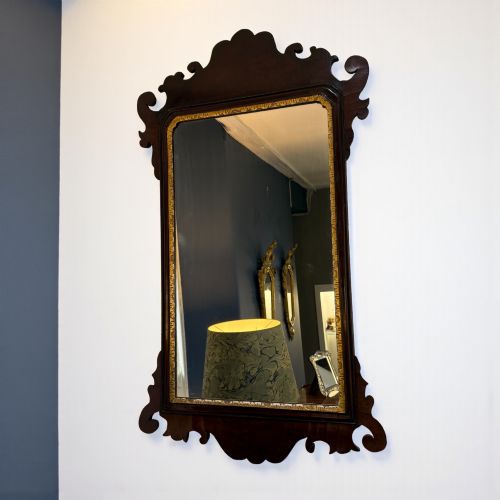
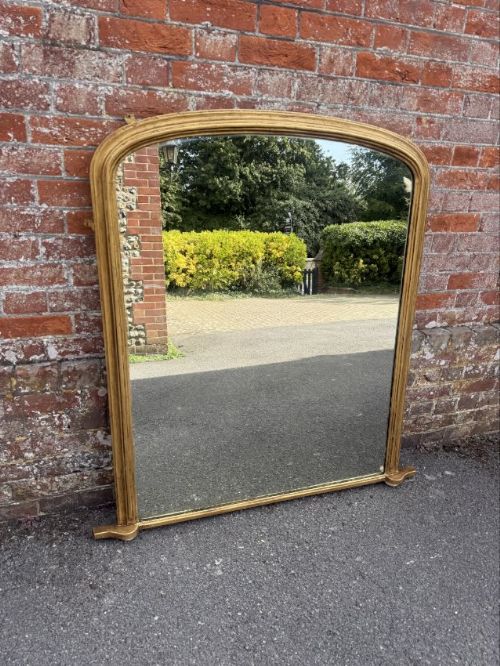
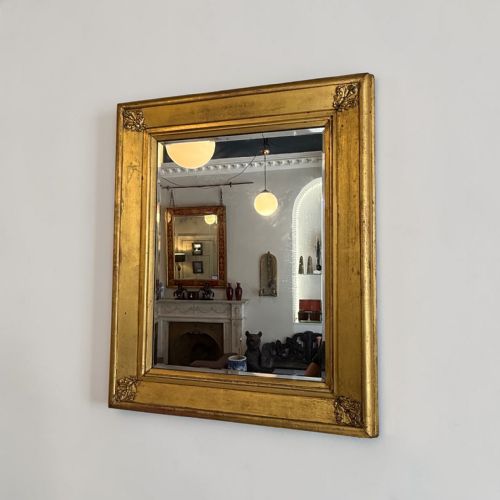
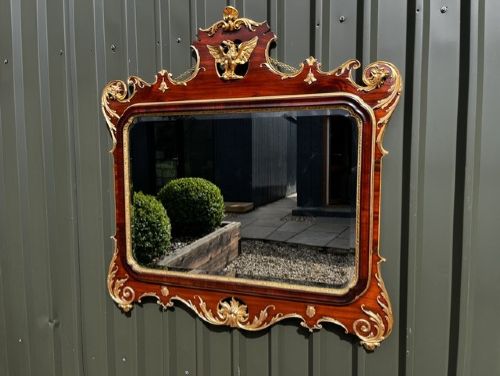
When you search for a traditional gilt frame mirror, you encounter wall-hung and mantel-placed looking glasses spanning the Victorian, Regency, and Edwardian periods.
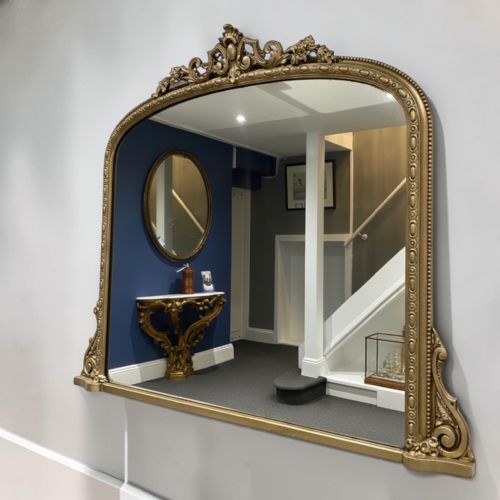
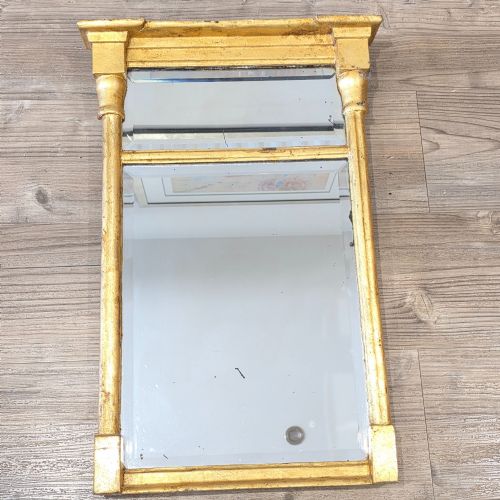
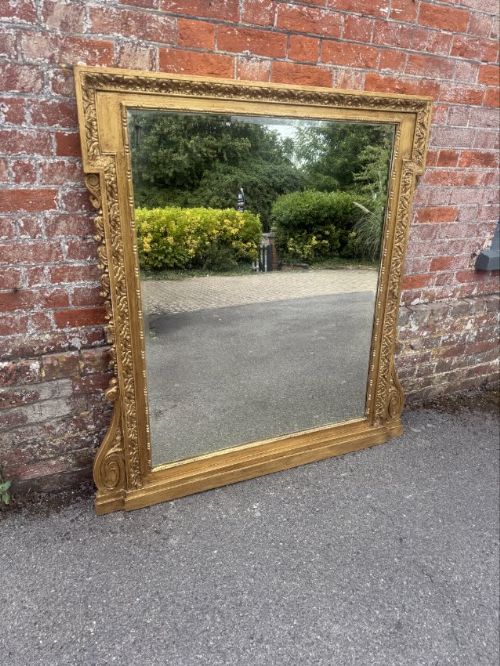
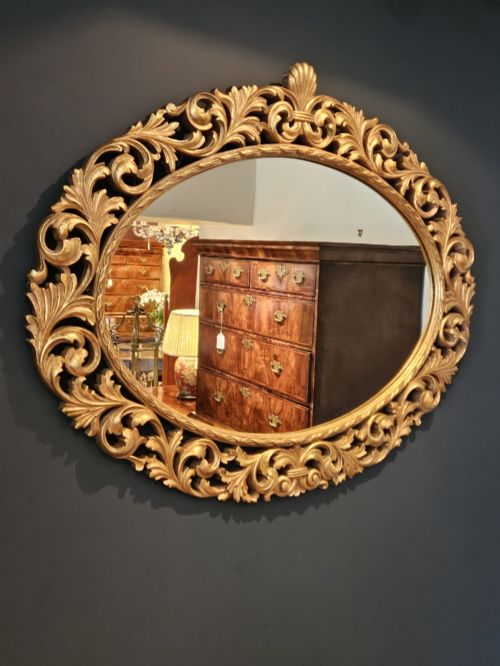
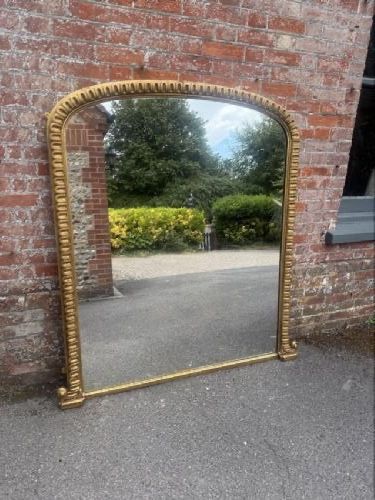
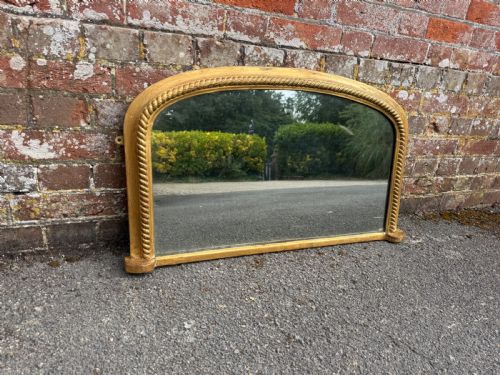
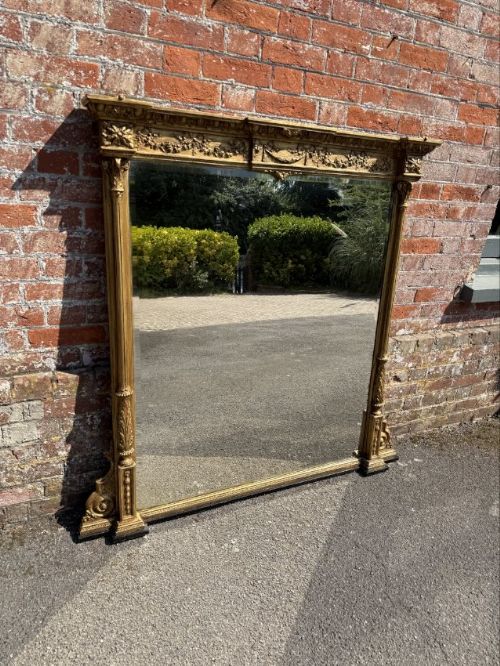
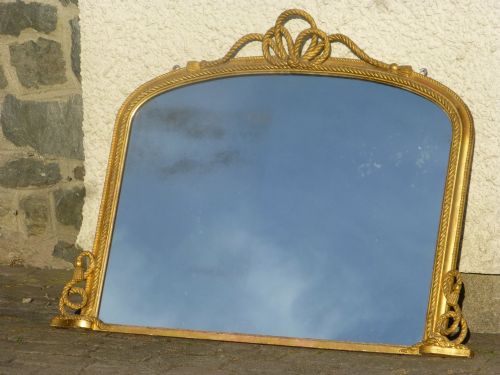
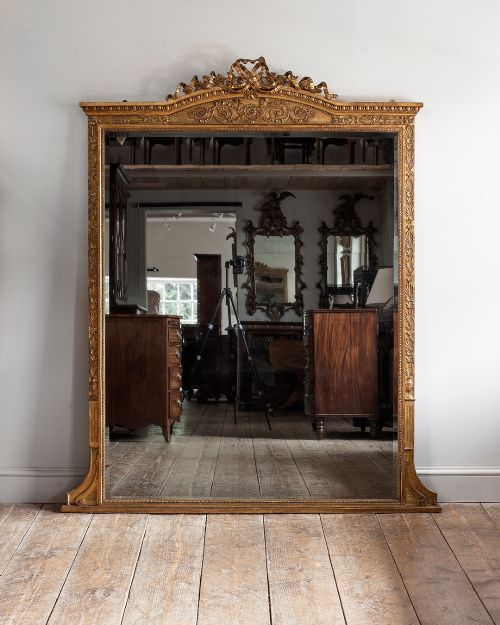
The most common formats on this page are large overmantel mirrors with arched tops, alongside rectangular pier mirrors and oval wall mirrors.
These pieces originate from English and French workshops, utilising classical proportions and ornate decorative motifs suited to period interiors.
How they were made
Makers constructed the carcass from timber such as wood, walnut, or mahogany, providing a stable foundation for the reflective plate.
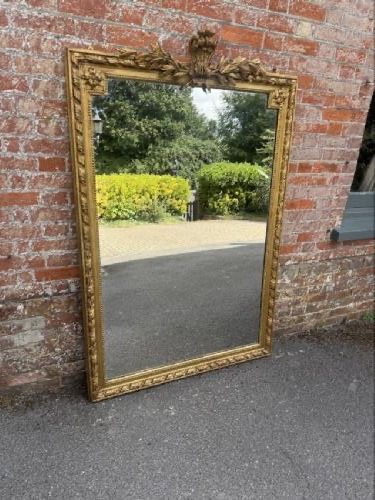
Carved wooden elements and applied composition or gesso ornamentation created relief details like rope twists, columns, and floral motifs.
Surfaces received gold leaf or gilt finishes, sometimes paired with original mirror glass that developed foxed patination over time.
Some nautical-inspired pieces incorporate rope twist carvings, bringing a subtle maritime touch to formal nineteenth-century drawing rooms.
What varies in quality
The crispness of the hand-carved woodwork and the depth of the gesso relief separate refined examples from simpler decorative output.
The integrity of the original gilding and the presence of period mirror glass contribute significantly to the character of each piece.
Proportion and balance across large overmantel frames dictate how successfully the mirror anchors a chimney breast or wall.
The Traditional Gilt Frame Mirror Glossary
- Gesso
- A plaster-like mixture applied to wooden frames as a smooth base for gilding. It allowed makers to mould intricate relief decoration before applying gold leaf.
- Overmantel mirror
- A large horizontal mirror designed specifically to hang above a fireplace mantelpiece. These pieces often feature arched tops and substantial frames.
- Pier mirror
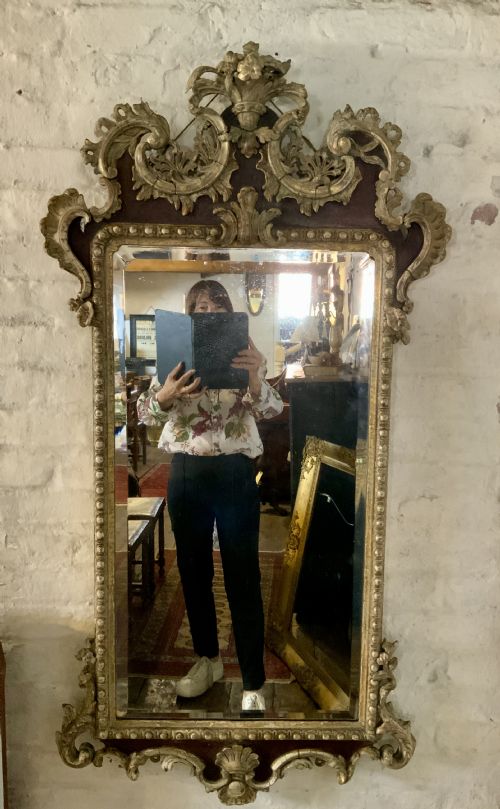
- A tall, narrow mirror traditionally hung on the wall space between two windows. They reflect additional light into the centre of a room.
- Foxed glass
- Mirror glass that has developed spots and discoloration due to age and moisture degradation behind the silvering layer. Collectors value this authentic sign of age.
- Giltwood
- Timber that has been coated with thin sheets of gold leaf or gold paint. This technique gives the frame a rich metallic sheen.
Traditional Gilt Frame Mirror: Frequently Asked Questions
How do I hang a heavy overmantel mirror?
Heavy overmantel mirrors require secure wall fixings anchored directly into masonry or substantial timber studs. Professional installation ensures the substantial weight of the timber and gesso frame is safely supported.
Position the mirror at a height that reflects the room rather than the ceiling. Many pieces were designed to rest partially on the mantelpiece while secured to the wall for stability.
What is foxed glass?
Foxed glass refers to mirror plates that show mottled dark spots and aged discoloration. This natural chemical breakdown occurs as the silver backing reacts to air and moisture over decades.
Rather than a fault, many buyers appreciate foxed glass because it proves the mirror plate is original to the period frame.
How do I clean a gilt frame?
Dust gilt frames gently with a soft dry brush to remove particles without disturbing the delicate gold leaf. Avoid liquid cleaners, chemical sprays, or abrasive cloths that can strip the metallic finish.
Glass panels can be cleaned with a mild glass cleaner applied to a cloth rather than sprayed directly onto the surface, preventing moisture from seeping behind the frame.
Where should I place a pier mirror?
Pier mirrors work best in narrow wall spaces, such as between two windows or above a console table. Their vertical proportions draw the eye upward and amplify natural light within a room.
Matching the scale of the mirror to the available wall space ensures the piece commands the room without overwhelming surrounding furniture.
How can I tell the period of a mirror?
Examine the construction methods, backboards, and fastener types used in the frame. Regency pieces often display classical restraint, while Victorian overmantels favor heavier carved gesso and arched crests.
Subtle details in the floral motifs, rope twists, and the manufacturing process of the mirror glass help narrow down the decade of production.