


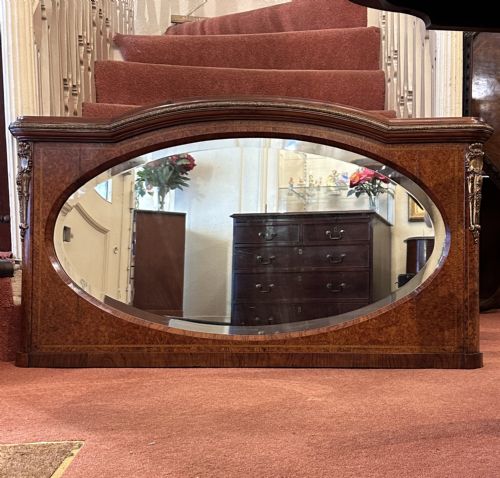


Bevelled Plate Glass Mirror
A bevelled plate glass mirror brings depth and reflected light to a room through angled edge-work that catches the eye.
Bevelled Plate Glass Mirror
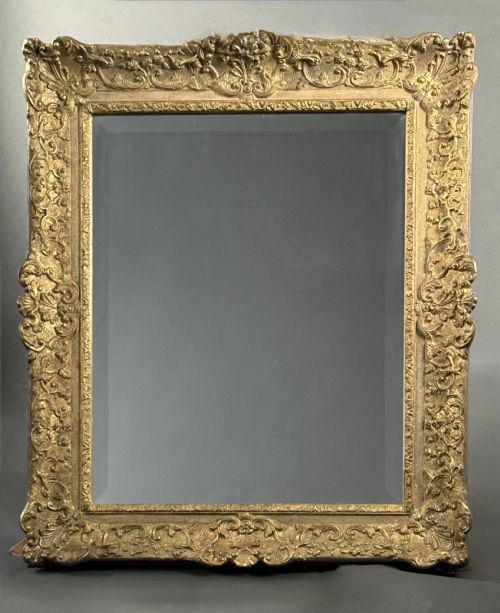
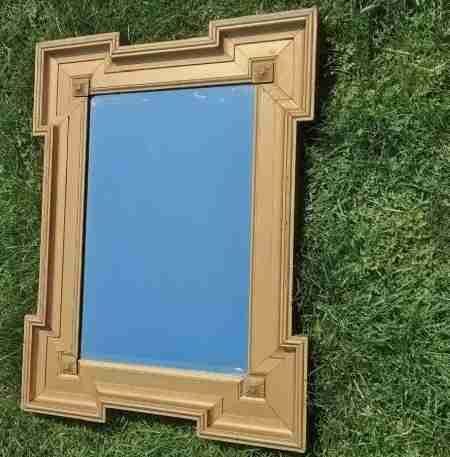
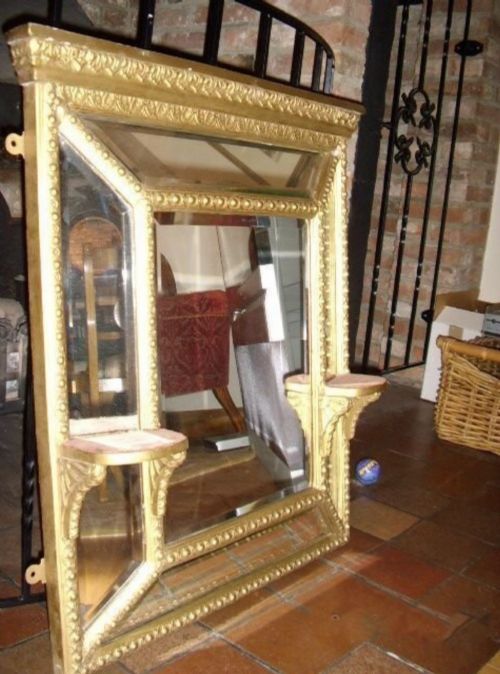
A bevelled plate glass mirror is a looking glass featuring edges angled and polished to a thinner profile, creating a prismatic border that frames the reflection. When searching for a bevelled plate glass mirror, buyers encounter wall hangings, overmantels, and vanity pieces spanning the eighteenth to the twentieth centuries. The selection ranges from compact Edwardian triptychs and Victorian gilt frames to expansive nineteenth-century French gesso designs and early twentieth-century Venetian examples.
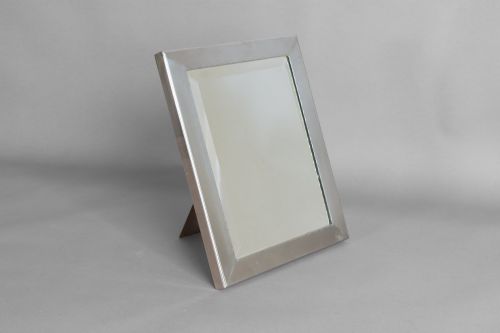
Wall and overmantel mirrors dominate the selection, often taking substantial proportions to anchor a room. Smaller variants include dressing table and vanity mirrors, sometimes incorporating silver plating or folding panels. Period expressions vary widely, encompassing Regency mahogany, Rococo Revival giltwood, and Art Deco geometry alongside Gothic Revival oak.
Origins stretch across English, French, and Venetian workshops, each bringing distinct regional framing traditions to the bevelled plate. Earlier specimens from the eighteenth century sit alongside nineteenth-century revivals and twentieth-century interpretations, showing how the edge-working technique endured across changing design movements.
How they were made
Makers produced these mirrors using glass plates set into frames of giltwood, gesso, mahogany, burr yew-wood, or oak. The characteristic bevel along the edge of the glass required hand-grinding and polishing at an angle against a wheel, a slow process that created the sloping border before silvering.
Frames frequently combined carved wood with applied gesso, finished in gold leaf or silver plate. Metal components like ormolu mounts and structural backings added weight and architectural presence to grand overmantels and pier mirrors.
Listings feature periods spanning from the early eighteenth century to the 1930s, utilising glass, giltwood, gesso, and various woods.
What varies in quality
Quality rests in the depth and clarity of the glass grinding and the crispness of the frame ornamentation. Superior bevels show clean, uniform angles without distortion across the surface, paired with hand-carved woodwork or finely cast metal elements rather than summary mouldings.
The integrity of the frame construction and the preservation of original gilding or silvering determine the standing of an individual piece. Finer examples retain their original mirror plates, showing natural ageing such as light foxing rather than modern replacement glass.
The Bevelled Plate Glass Mirror Glossary
- Bevel
- The angled edge ground along the perimeter of a mirror plate. This sloping border refracts light and distinguishes fine plate glass from plain cut panes.
- Gesso
- A plaster-like mixture applied to wood frames and carved or moulded before gilding. It provides the smooth, responsive base for intricate relief ornament.
- Overmantel mirror
- A large horizontal looking glass designed to hang specifically above a fireplace mantel. These pieces often anchor the decorative scheme of a reception room.
- Pier mirror
- A tall, vertical looking glass proportioned to hang on the narrow wall space between windows. They maximise natural light in period interiors.
- Foxing
- The natural age-related spots and discolouration that develop within the silver backing of older glass. Collectors view light foxing as a mark of authenticity.
- Ormolu
- Gilded bronze mounted onto furniture and mirror frames for decorative effect. It brings a bright metallic contrast to dark woods and gilt surfaces.
Bevelled Plate Glass Mirror: Frequently Asked Questions
How do I date an antique mirror?
Dating relies on examining the construction of the wooden frame, the backing boards, and the characteristics of the glass plate itself. Older plates often display slight distortions and hand-bevelled edges that differ from machine-made modern equivalents.
Style indicators like Regency mahogany or Art Deco geometry also place the piece within a specific era. Comparing the joinery and hardware to known period examples confirms the age of the frame.
What is an overmantel mirror?
An overmantel mirror is a wide looking glass created to sit directly above a fireplace mantelpiece. Their generous proportions reflect light across the entire room and balance the architectural weight of the hearth.
These mirrors often feature gilded frames or decorative crests suited to formal reception rooms. They serve as the primary focal point of a wall scheme.
What causes foxing on mirror glass?
Foxing occurs when moisture seeps behind the silver coating, causing oxidation and dark spots to form over decades. This natural chemical breakdown alters the reflection with characteristic clouding.
Many collectors prize genuine foxing as proof of age and original materials. It adds a soft, atmospheric quality to the reflection.