

Vintage Pew Seating
Vintage pew seating brings centuries of ecclesiastical and communal history directly into domestic interiors through robust wooden forms.
Vintage Pew Seating
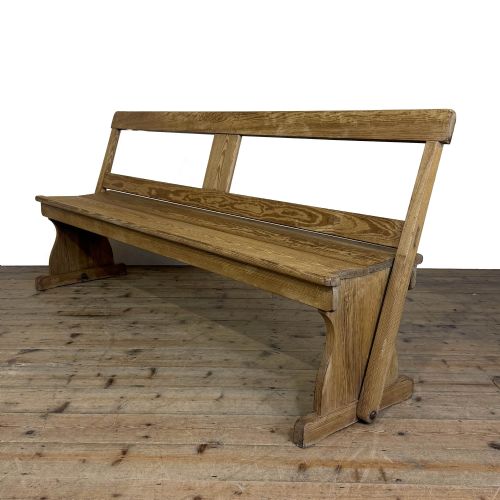
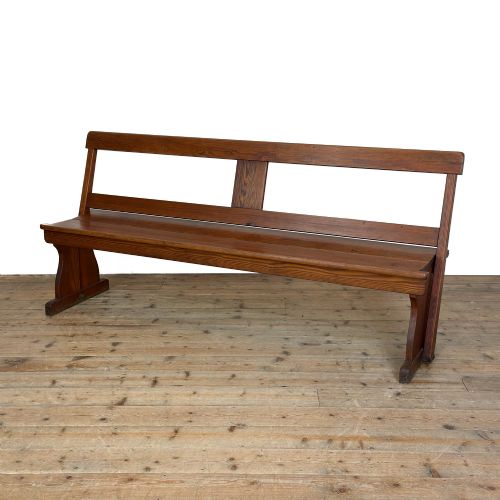
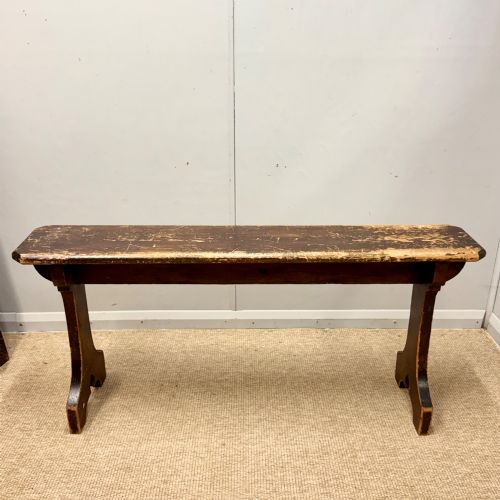
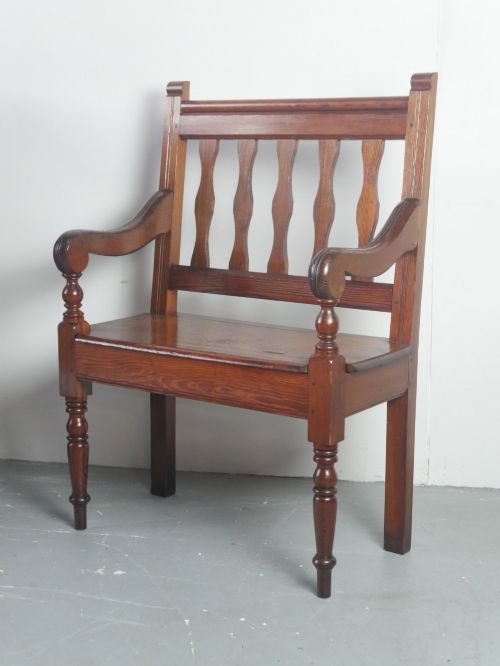
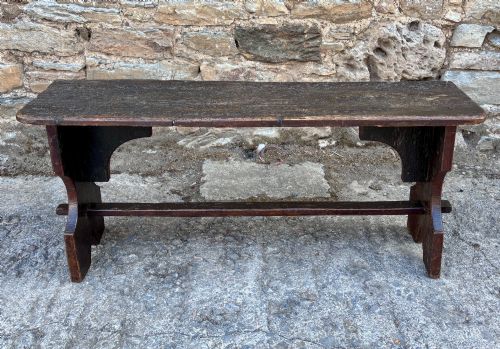
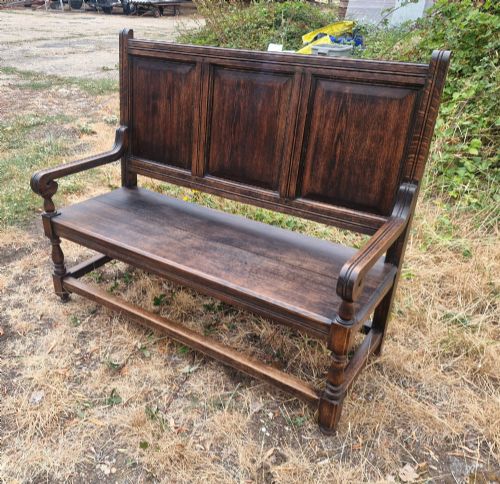
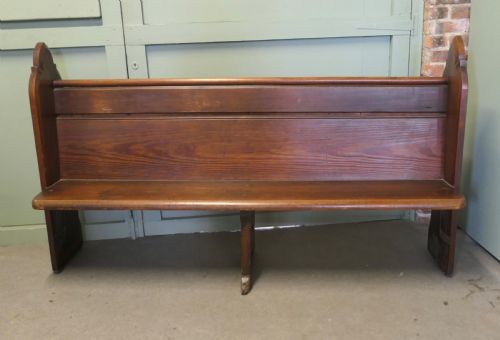
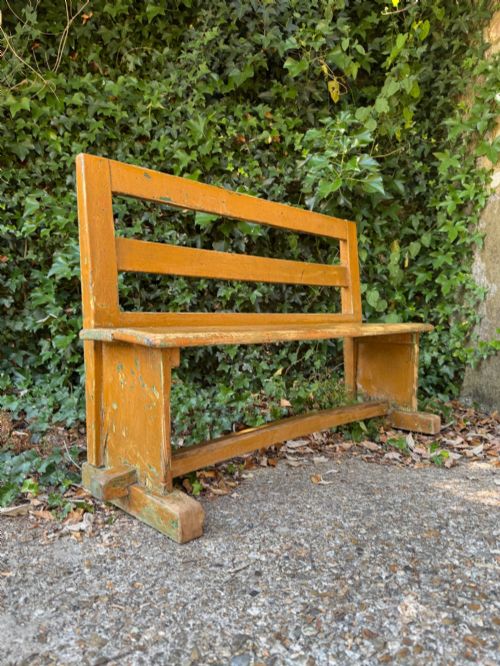
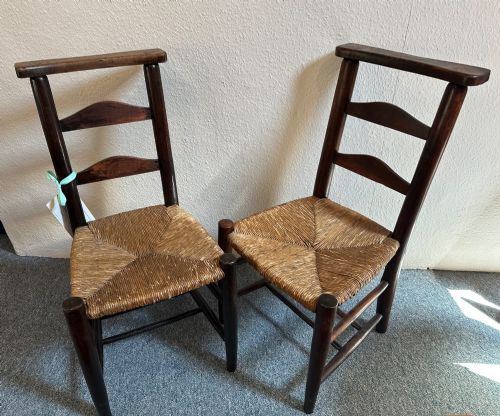
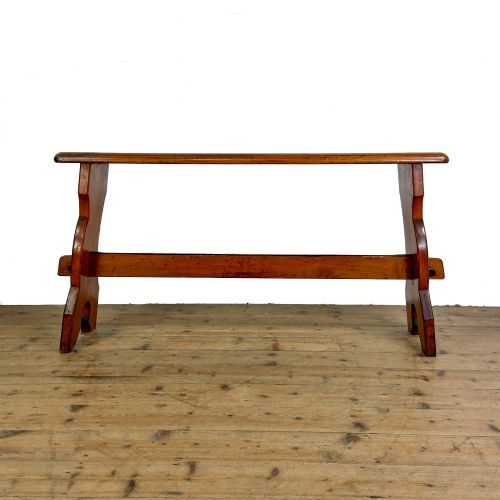
Vintage pew seating encompasses long wooden benches and settles sourced primarily from churches, chapels, schools, and taverns dating from the nineteenth and early twentieth centuries. These pieces reflect vernacular and Gothic revival styles, ranging from simple pine church pews to panelled oak hall seats.
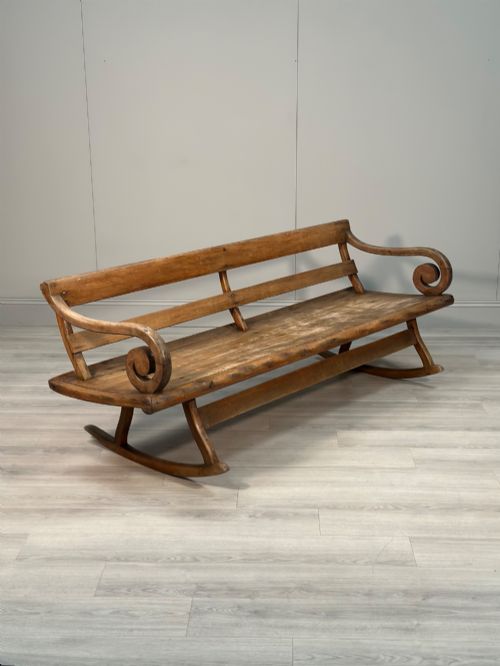
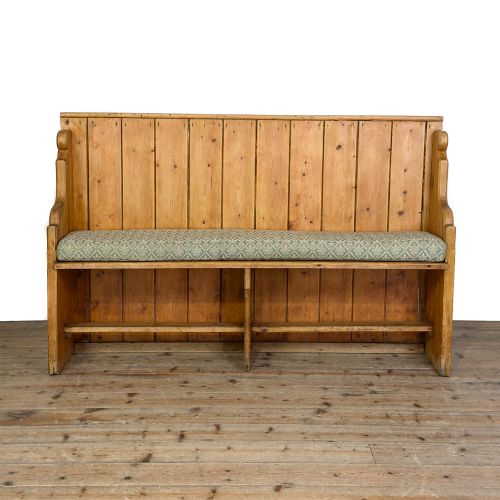
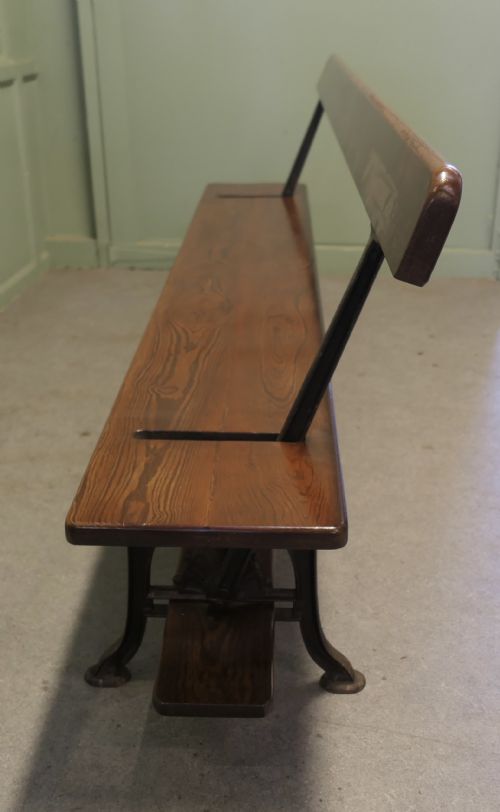
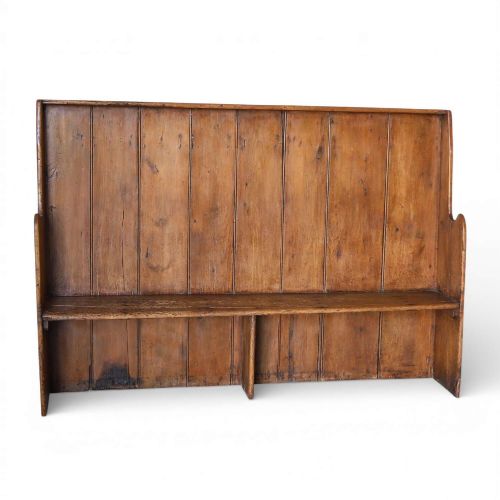
Buyers encounter heavy pine and pitch pine chapel pews alongside oak settles and specialised flip-over benches designed for transport or dual use. The selection spans straightforward rustic country forms to architectural pieces with carved supports and high backs.
Origins vary from English country workshops to European contexts like Hungary and Scandinavia, offering variations in length, timber, and painted finishes. Most examples serve well as hallway seating, kitchen dining benches, or focal points in large living spaces.
How they were made
Construction relies on solid timbers such as pine, pitch pine, and oak, often shaped into sturdy board seats and heavy upright supports. Joinery techniques prioritise utility and endurance, utilising pegged mortise and tenon joints to withstand decades of heavy public use.
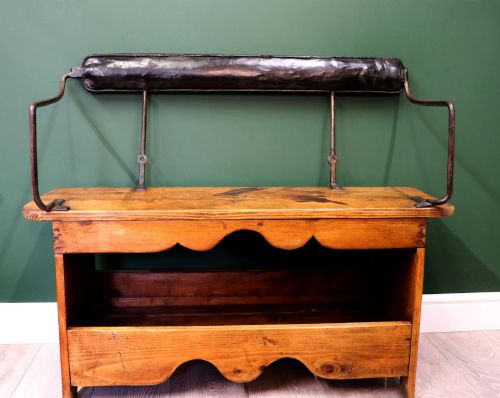
Surfaces receive various treatments depending on their original environment, spanning natural wax finishes that highlight a honey brown patina, bleached chestnut, and original painted layers in blue or other tones. Iron brackets and fixings appear on mechanical forms like reversible tram benches and flip-over railway seating.
Vintage Pew Seating Retail Price Guide 2026
Typical asking prices for vintage pew seating among the pieces listed under this phrase on Sellingantiques today, from the lower quarter to the upper quarter. They describe what is for sale here now, not the wider market.
Listings feature timbers including pine, pitch pine, oak, and chestnut, spanning the nineteenth century through to the Edwardian era.
What varies in quality
Quality rests upon the integrity of the original timber and the restraint of any subsequent restoration. Retaining an authentic surface patina, whether aged wax or historic paint, distinguishes superior pieces from those stripped down harshly.
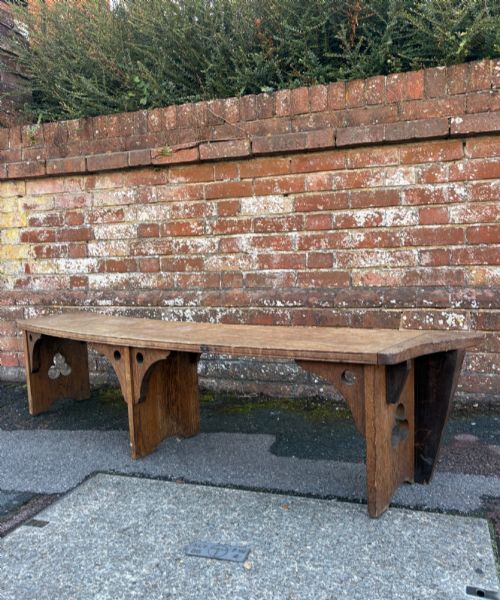
Structural proportion and architectural detail elevate certain items, such as those featuring trefoil carved supports, curved Gothic profiles, or named provenance like cathedral markings. The weight and selection of the primary wood, particularly dense pitch pine or quartersawn oak, dictate the physical substance of the bench.
St Paul's Cathedral
The Vintage Pew Seating Glossary
- Settle
- A wooden bench with a high back, solid arms, and often a storage compartment beneath the seat, designed to keep out draughts in domestic interiors.
- Pitch pine
- A resinous softwood noted for its durability and strong grain pattern, frequently utilised in nineteenth-century ecclesiastical furniture.
- Flip-over bench
- A dual-purpose seating form featuring a reversible backrest that allows occupants to face either direction, common in transport and institutional settings.
- Gothic Revival
- An architectural and decorative style popular during the Victorian period characterised by pointed arches, trefoils, and ecclesiastical motifs.
- Patina
- The surface sheen and colour developed on wood through age, handling, and wax polishing over many decades.
Vintage Pew Seating: Frequently Asked Questions
How do I clean vintage pine pews?
Dust the timber regularly with a dry cloth and apply a quality beeswax occasionally to nourish the dry wood.
Avoid modern liquid polishes or harsh detergents that strip away the historic wax and dull the natural patina.
Are these benches comfortable for dining?
Most vintage pews feature upright wooden backs and solid seats designed for utility rather than lounging.
Adding loose cushions or sheepskins easily softens the seat for longer periods around a kitchen or dining table.
How do I date a church pew?
Examine the timber species, tool marks left on the underside, and the style of any structural mouldings.
Victorian and Edwardian examples often display machine-sawn elements alongside hand-finished joints, unlike earlier eighteenth-century work.
Can heavy pews be shortened?
Altering the length of a solid wood pew requires dismantling the end panels and carefully cutting the seat and back boards.
This work is best left to a skilled restorer to maintain the structural balance and proportions of the bench.