


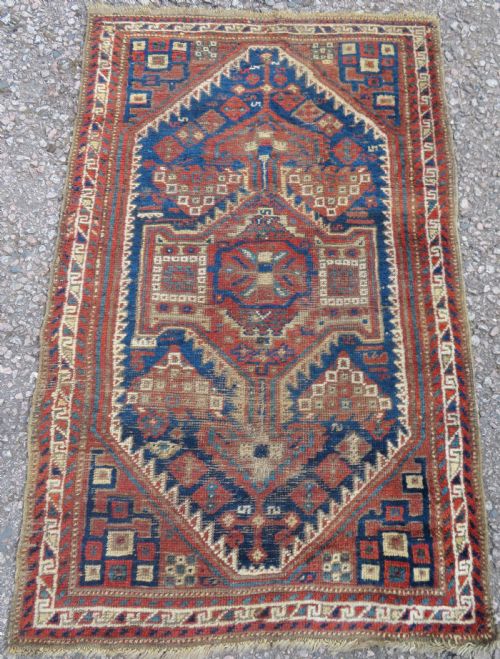
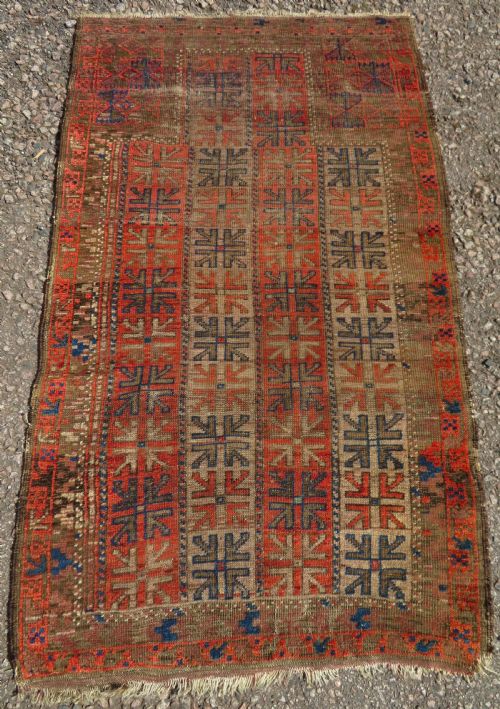
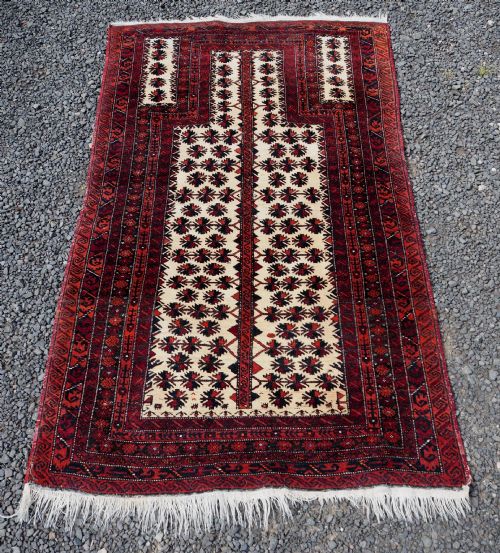
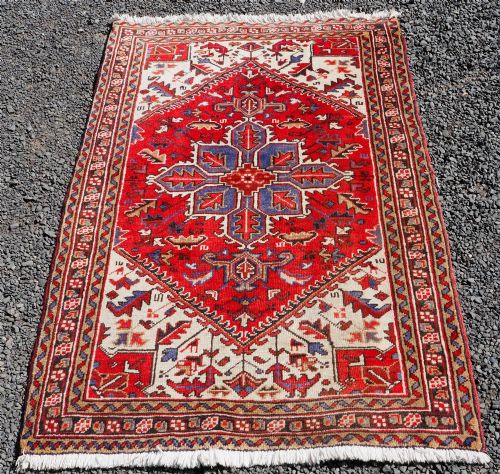
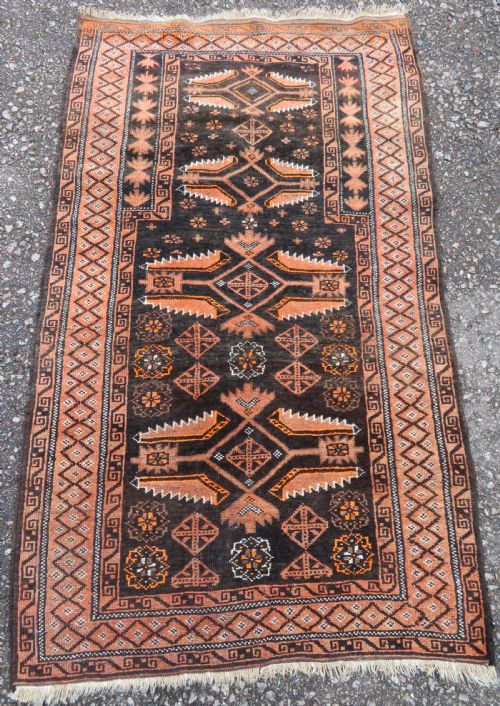
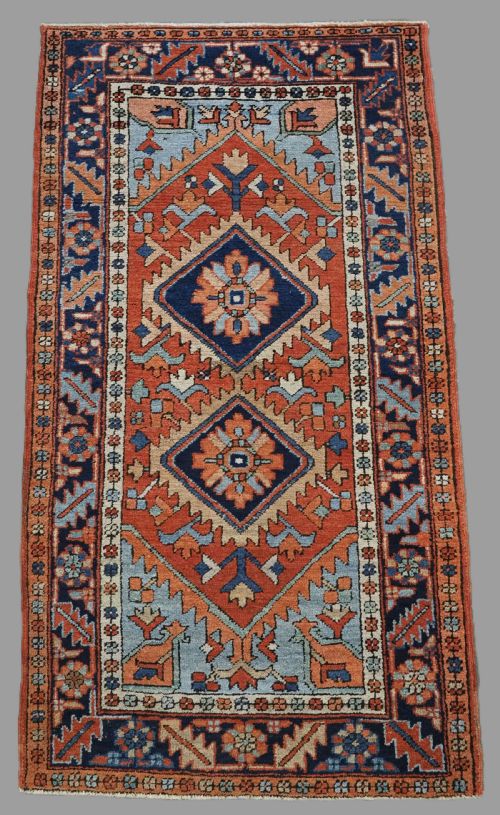
Vintage Persian Mat
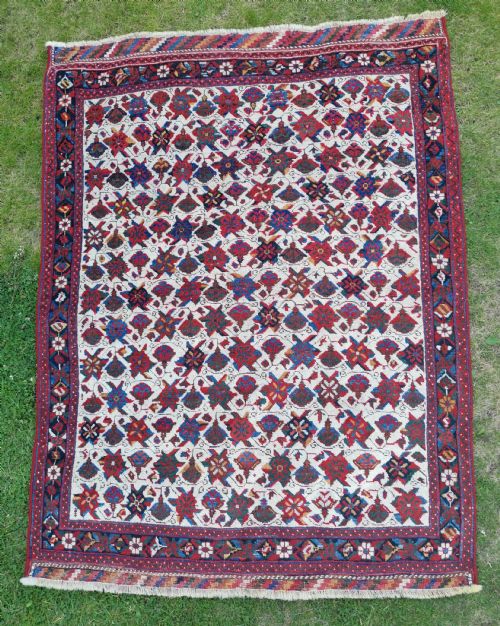
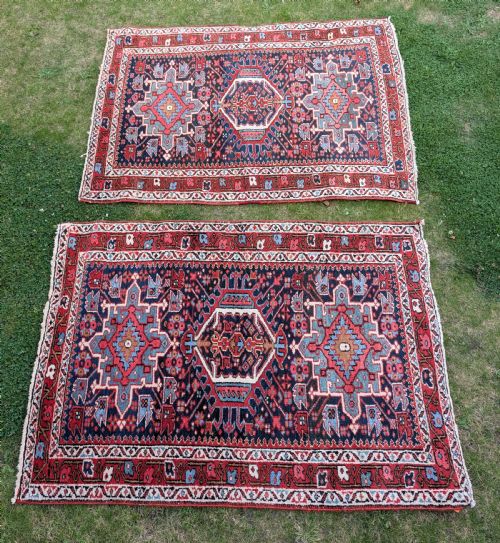
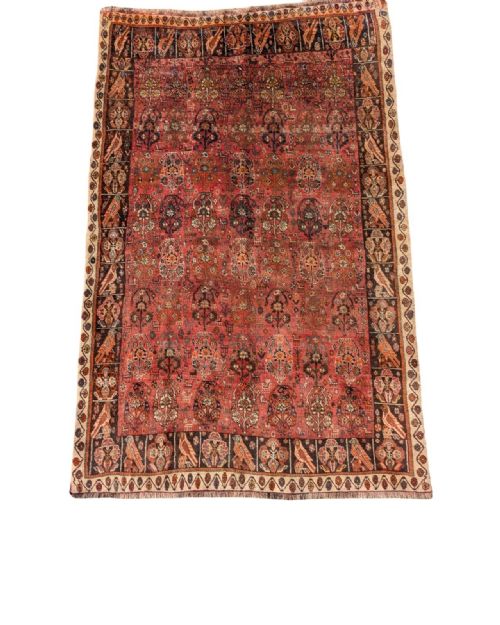
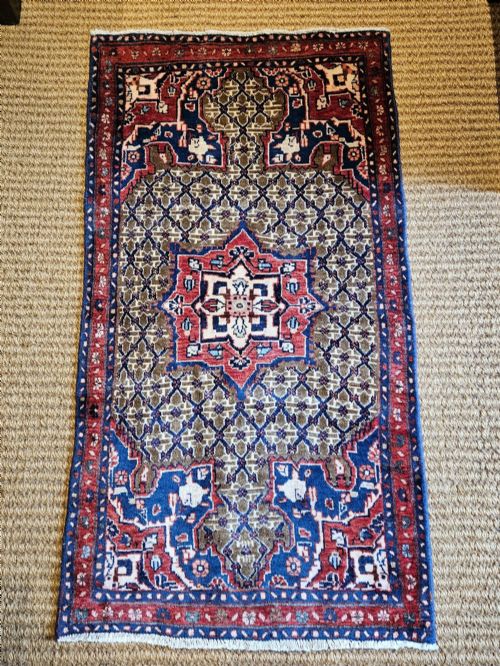
These vintage persian mat examples bring regional village and nomadic craftsmanship into smaller domestic spaces.
Vintage Persian Mat
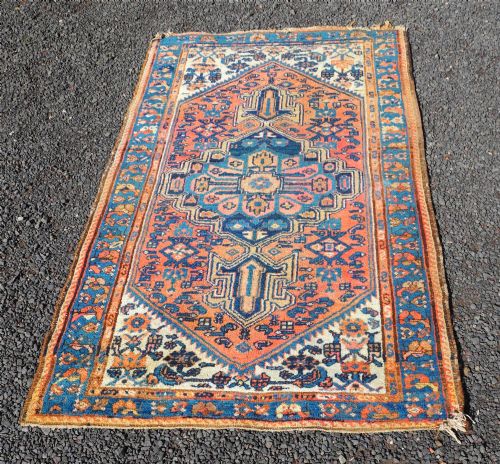
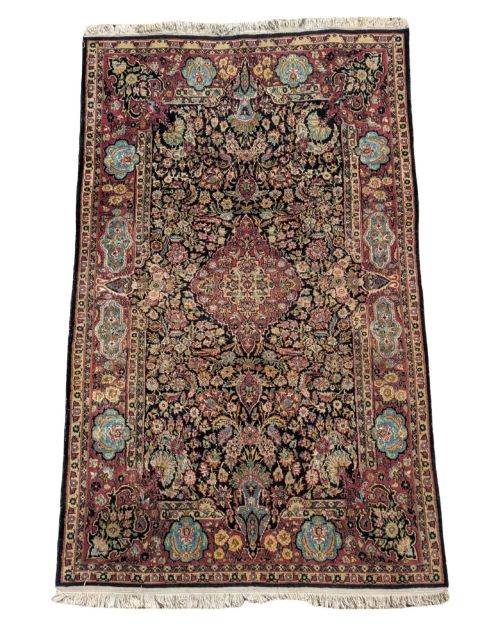
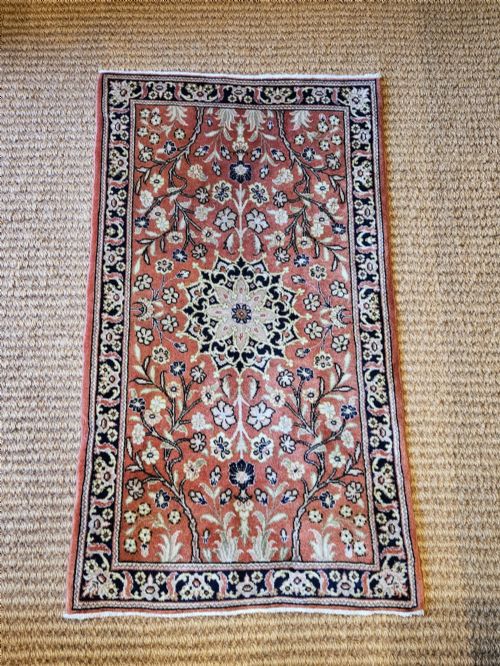
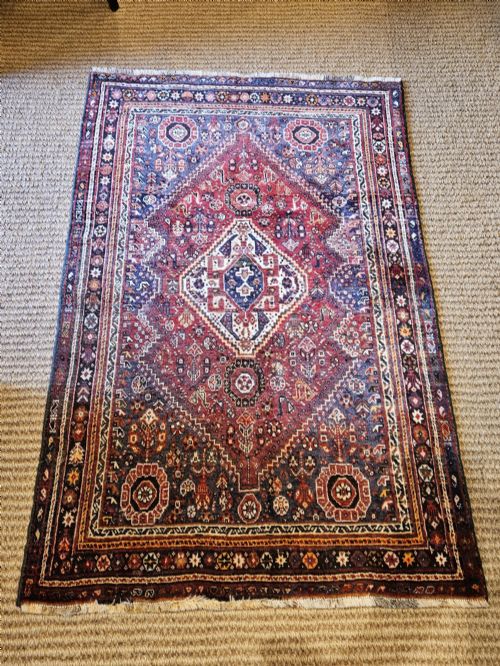
A vintage persian mat search reveals smaller format floor coverings, hearth rugs, and prayer rugs originating from various tribal and regional traditions across Persia. These pieces include hearth sized formats and compact formats woven by nomadic groups and village weavers alike.
Nomadic and village pieces dominate the offerings, spanning the late nineteenth century through the early decades of the twentieth century. Sofreh cloths and prayer rugs appear alongside standard rectangular formats, each reflecting the specific heritage of its makers.
Materials and Construction
Weavers relied primarily on wool for pile construction, often pairing it with cotton foundations for structural stability. Certain pieces incorporate silk highlights to accentuate specific motifs within the design field.
Natural dyes provide the colour palette across these textiles, yielding organic tones that mellow gradually over decades of exposure and use. Hand knotting techniques ensure durability while accommodating intricate geometric and floral patterns.
The listings span wool, cotton, silk, and natural dyes across periods ranging from the late nineteenth century to the nineteen thirties.
Assessing Quality
Knot density and structural integrity determine the foundational calibre of a piece, influencing how crisply the motifs resolve against the ground. Finer knotting allows for more intricate rendering of traditional medallion and vase designs.
The vibrancy and depth of the natural dyes separate standard examples from superior ones, as does the balance of the composition. A well executed design maintains proportion across the borders and field without feeling cramped or distorted.
Afshar Nomads·Kashgai Tribe·Sarouk Village
The Vintage Persian Mat Glossary
- Sofreh
- A woven spread used for dining, kneading bread, or gathering food within nomadic households. These flatwoven or piled textiles often feature bold geometric iconography specific to the weaving tribe.
- Prayer rug
- A small format rug featuring a mihrab or niche design used by Muslims for daily prayers. The orientation of the arch directs the user toward Mecca during worship.
- Natural dyes
- Colourants derived from plants, insects, and minerals rather than synthetic compounds. These dyes create nuanced shades that develop a characteristic patina over time.
- Pile
- The upright yarn loops that form the soft surface of a rug. Pile depth varies between dense urban carpets and coarser nomadic pieces.
- Hearth sized
- A smaller format rug traditionally placed in front of a fireplace. These pieces typically measure under two metres in length to fit domestic hearth spaces.
Vintage Persian Mat: Frequently Asked Questions
Where should I place a small Persian mat?
These compact formats suit entryways, bedside placement, or hearth areas where a full room carpet is impractical. Their smaller dimensions allow them to accent specific zones without overwhelming the floor plan.
Positioning them away from heavy foot traffic helps preserve the wool pile and natural dyes on antique examples.
How do I identify a tribal rug from a city rug?
Tribal pieces often display geometric memory patterns, asymmetric motifs, and bolder colour contrasts woven by nomadic or village groups. City rugs tend to feature balanced floral curves and intricate medallion systems planned on a loom drawing.
Regional variations in materials, such as cotton warps versus all wool foundations, further distinguish village work from urban workshop production.
What is the purpose of a sofreh?
A sofreh functioned as an everyday textile for kneading dough, serving meals, or gathering flour within nomadic households. These flatweaves or light pile covers prioritized utility while maintaining traditional tribal iconography.
Collectors prize them today for their minimalist geometric compositions and direct link to domestic nomadic life.
How do natural dyes age on old rugs?
Natural dyes mellow gradually when exposed to light and air, developing soft abrash and varied tonalities across the wool pile. This organic fading process creates depth and character unique to plant and insect based colourants.
Synthetic dyes tend to fade unevenly or harshly, whereas natural tones retain a harmonious balance as they age.