
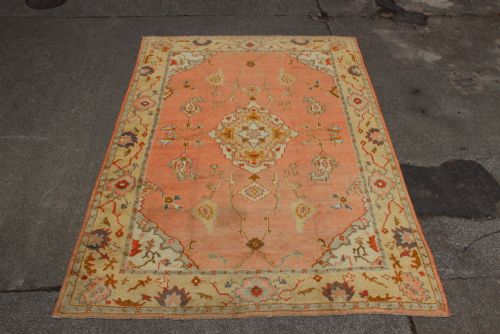
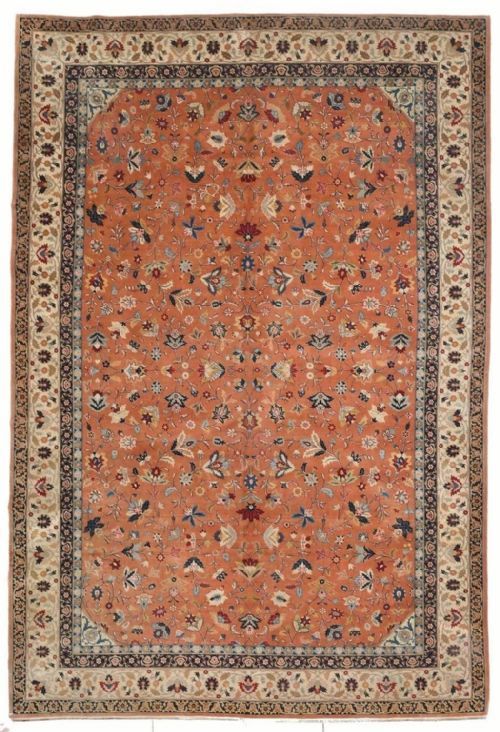
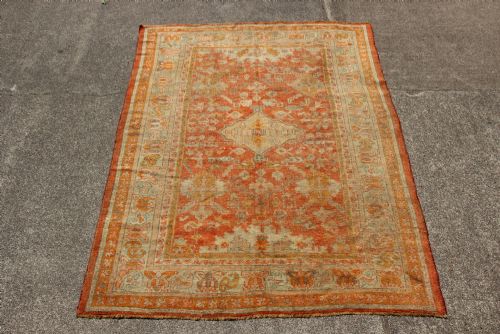


Orange Wool Rug
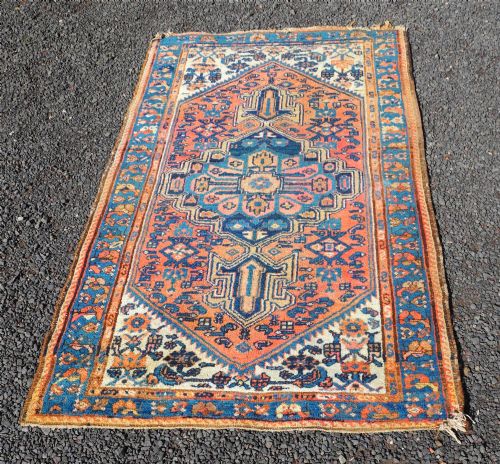
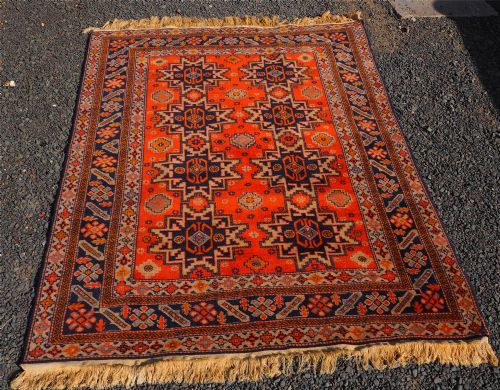
An orange wool rug brings warmth and rich hue to a room, offering enduring floor coverings shaped by regional tribal and village traditions.
Orange Wool Rug
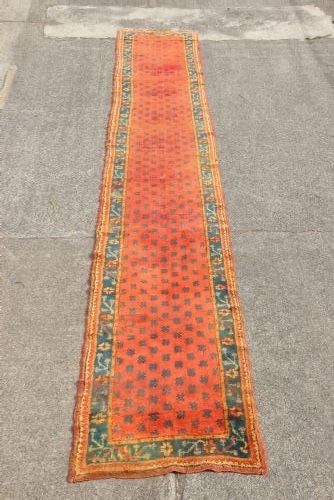
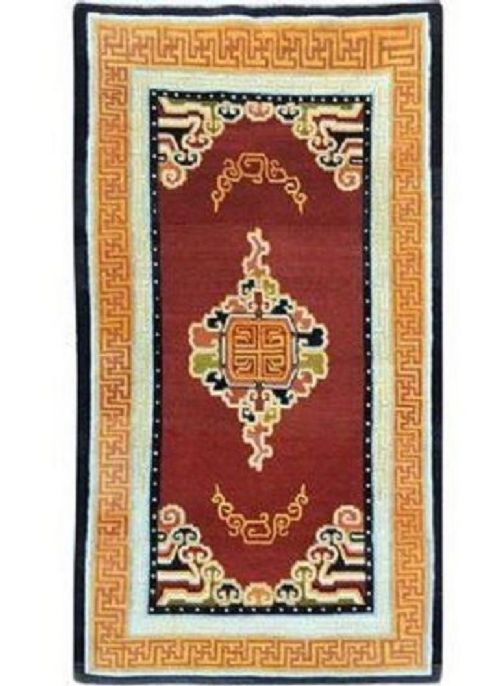
An orange wool rug encompasses diverse regional weaving traditions originating from Persian, Ottoman, Anatolian, and Afghan workshops. Buyers navigating this selection encounter various formats ranging from expansive carpets and area rugs down to long hallway runners and prayer rugs.
The material palette primarily centres on wool, occasionally augmented by cotton, silk, and wool felt foundations. Dating spans from the nineteenth century through the 1930s, capturing antique and vintage pieces created across diverse cultural regions.
Materials and construction
Weavers constructed these textiles using natural animal fibres, predominantly wool, combined with cotton foundations for structural stability in larger formats. Certain specialist items incorporate silk details on wool felt or employ flatweave kilim techniques without pile.
The construction relies on traditional hand-knotting or flatweaving methods passed down through generations within specific tribal and village communities. These methods ensure robust durability across long runners, compact rugs, and large carpets alike.
Several nomadic weavers tucked small protective amulets directly into the geometric borders of their daily wool creations.
Assessing quality and execution
Quality separates along the precision of knot density and the fineness of the raw wool utilised by the weaver. Tighter manipulation of the pile yields greater resilience and clearer delineation of traditional motifs across the field.
Another factor lies in the harmony and depth of the dye palette, where skilled preparation achieves rich, enduring tones across the carpet surface. The integrity of the foundational structure and selvages further indicates the overall standard of craftsmanship.
The Orange Wool Rug Glossary
- Kilim
- A flatwoven carpet or rug produced without a pile. These pieces rely on interlocking weft threads to create geometric patterns.
- Runner
- A long, narrow carpet designed specifically for hallways, corridors, or staircases. Dimensions typically emphasise length over width.
- Prayer rug
- A small textile featuring a mihrab or niche design, traditionally used for individual prayer. The layout often directs the orientation of the user.
- Medallion
- A central ornamental motif positioned in the middle of the carpet field. It serves as the primary focal point of the textile design.
Orange Wool Rug: Frequently Asked Questions
How do I clean an antique wool rug?
Professional specialist cleaning is essential for antique textiles to protect delicate wool fibres and natural dyes from damage. Regular gentle vacuuming without a beater bar removes loose surface dust safely.
Avoid chemical detergents and excessive moisture, which can weaken old foundations and cause colours to bleed. Promptly blot liquid spills with a clean, dry white cloth rather than rubbing.
How do I identify a tribal rug?
Tribal rugs display geometric motifs, bold asymmetrical designs, and spontaneous colour variations woven by nomadic or village communities. These pieces reflect local heritage rather than formal court workshops.
Materials often include thicker, robust wool spun by hand, resulting in a heavier handle and distinct regional character.
What causes fading in old carpets?
Prolonged exposure to direct sunlight naturally lightens organic and natural dyes over decades of use. This gentle mellowing process is common in older textiles.
Rotating the floor covering periodically ensures even exposure to light and foot traffic, balancing wear across the entire surface.