



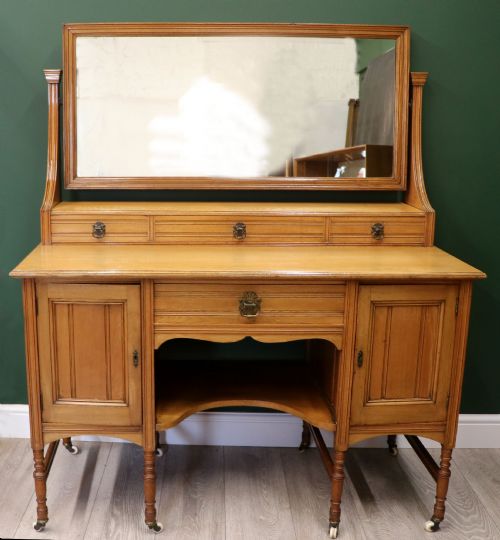

Vintage Pedestal Mirror
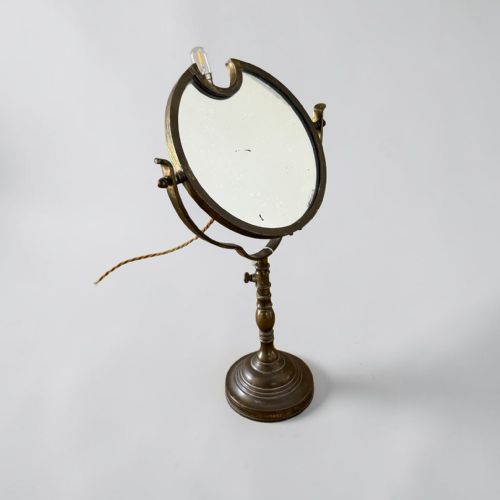
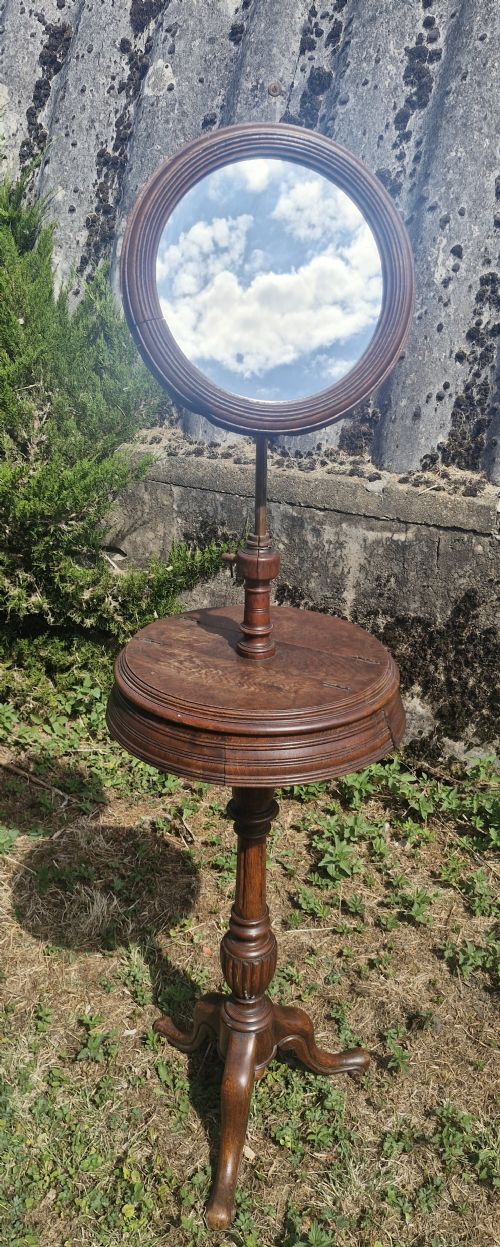
A vintage pedestal mirror brings functional elegance to a room, offering adjustable glass surfaces supported by sturdy stands from various design periods.
Vintage Pedestal Mirror
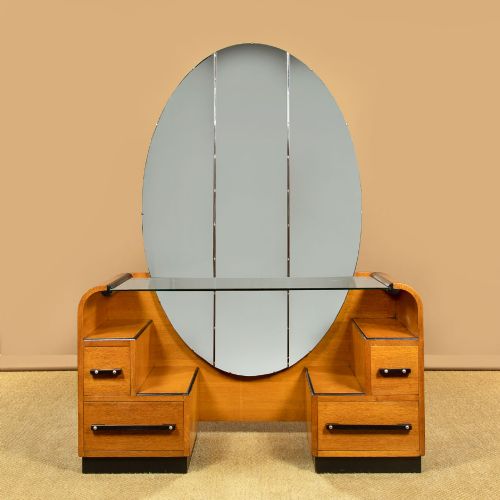
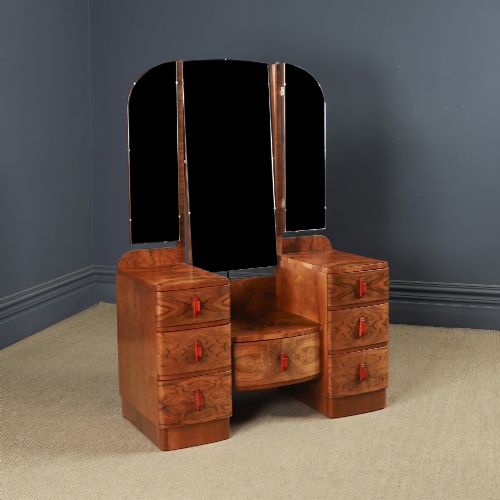
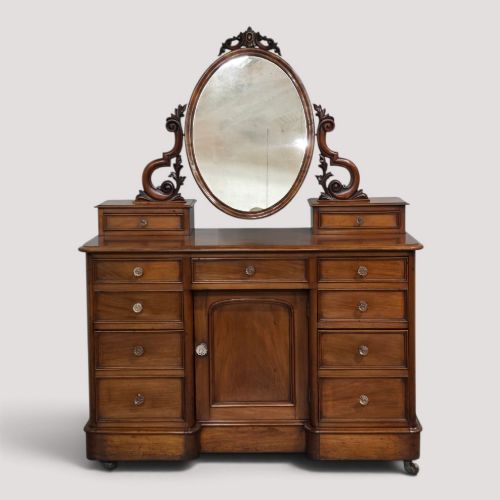
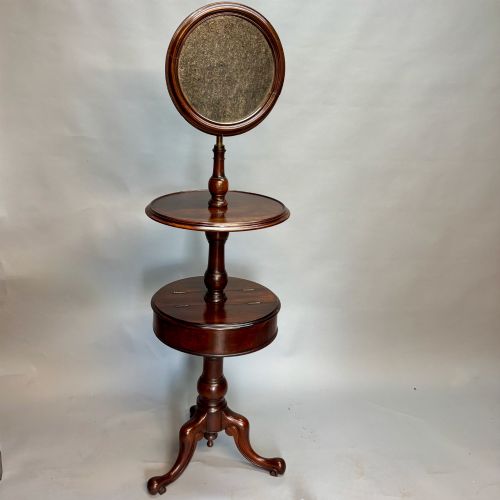
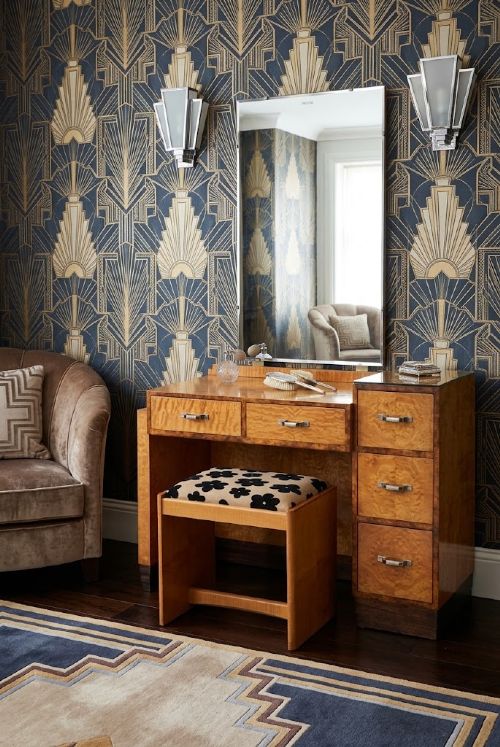
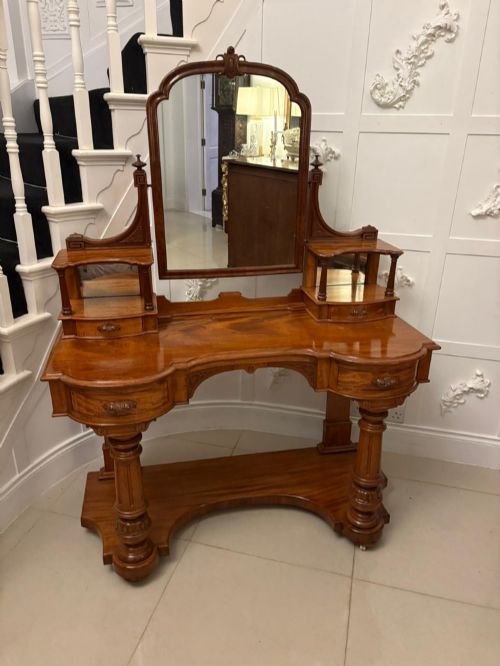
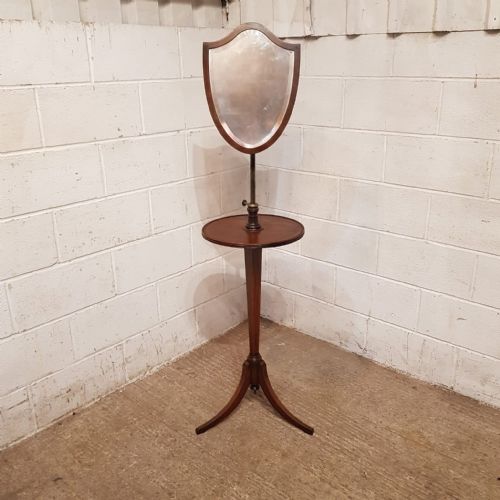
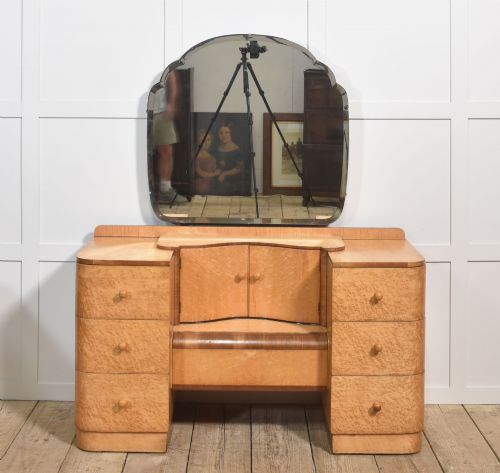
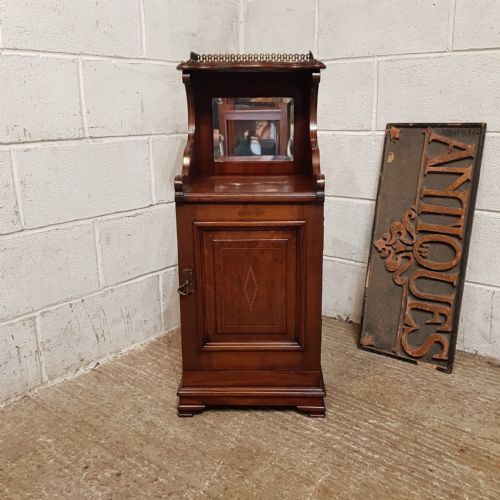
When buyers search for a vintage pedestal mirror, they encounter a diverse selection of dressing table mirrors, shaving stands, and vanity tables dating from the nineteenth century through the art deco era. These pieces combine vertical wooden or metal supports with pivoting glass plates designed for grooming and daily use.
The most common examples on this page date from the Victorian and Edwardian periods alongside 1930s art deco designs. Mahogany, walnut, and oak frequently form the structural frames and pedestals holding the mirror glass.
Originating primarily from English, French, American, and Scandinavian workshops, these items range from simple adjustable shaving mirrors to large dressing chests with integrated mirrors.
Materials and construction methods
Cabinetmakers utilised dense hardwoods such as mahogany, walnut, and oak to build stable pedestals and frames capable of supporting heavy mirror glass without tipping. Inlaid satinwood, marquetry, and carved detailing often decorated the surfaces of Victorian and Edwardian pieces.
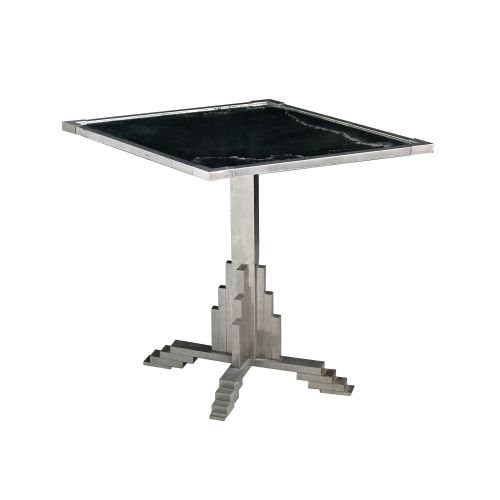
Art deco examples from the 1920s and 1930s frequently employed figured walnut, maple, and chrome plating to achieve sleek, modern geometric lines. Mirror glass was typically bevelled by hand and mounted on brass or iron pivots allowing the user to tilt the reflection angle.
Vintage Pedestal Mirror Retail Price Guide 2026
Typical asking prices for vintage pedestal mirror among the pieces listed under this phrase on Sellingantiques today, from the lower quarter to the upper quarter. They describe what is for sale here now, not the wider market.
Assessing quality and craftsmanship
The standard of a pedestal mirror rests on the structural integrity of its joints, the retention of original silvering on the glass, and the precision of its pivoting hardware. Superior pieces display crisp hand-carving or finely matched veneer grains, whereas lesser examples exhibit simpler construction and replaced components.
The presence of maker marks, original stencilled decoration, or branded brass fittings elevates a piece significantly. High-quality items maintain balance across the pedestal base and retain their original finish without excessive restoration.
Harry and Lou Epstein·Edwards & Roberts·James Shoolbred
The Vintage Pedestal Mirror Glossary
- Pedestal mirror
- A freestanding glass plate mounted on a central column or twin upright supports attached to a heavy base. This design allows the mirror to be tilted to various angles for personal grooming.
- Shaving stand
- A specialised compact piece of furniture incorporating an adjustable mirror, small drawers, and sometimes a basin ring. These were commonly used by gentlemen in the nineteenth and early twentieth centuries.
- Veneer
- A thin slice of figured wood applied over a secondary timber core to create decorative patterns on furniture surfaces. Burr walnut and mahogany veneers frequently appear on art deco dressing tables.
- Marquetry
- The art of applying pieces of veneer to a structure to form decorative patterns and pictures. Skilled craftspeople used contrasting woods like satinwood and fruitwood to embellish Victorian dressing tables.
Vintage Pedestal Mirror: Frequently Asked Questions
What is a pedestal mirror?
A pedestal mirror is a freestanding looking glass supported by a column, base, or upright frame that rests on a table or the floor. It provides an adjustable reflection without requiring wall mounting.
These pieces typically feature pivot screws that allow the user to tilt the glass to different viewing angles.
How do I date a mirror?
Dating a mirror involves examining the wood types, construction methods, and hardware style. Victorian pieces often use solid mahogany or walnut with hand-bevelled glass.
Later art deco examples from the 1930s favour streamlined chrome, maple, and geometric veneers that reflect the modern design movements of the period.
Were shaving stands common?
Shaving stands were essential bedroom and bathroom furniture pieces during the Victorian and Edwardian eras. Gentlemen used them daily for grooming before the widespread adoption of fitted wall mirrors.
Many incorporate small drawers for razors and soaps beneath the adjustable pivoting glass.
How should I clean the glass?
Cleaning antique mirror glass requires a soft cloth and a gentle, ammonia-free cleaning solution sprayed onto the cloth rather than directly onto the glass. This prevents moisture from seeping behind the silvered backing.
Care must be taken around the edges where the original silvering is often delicate and prone to tarnishing.