
Vintage Pearl Strand Necklace
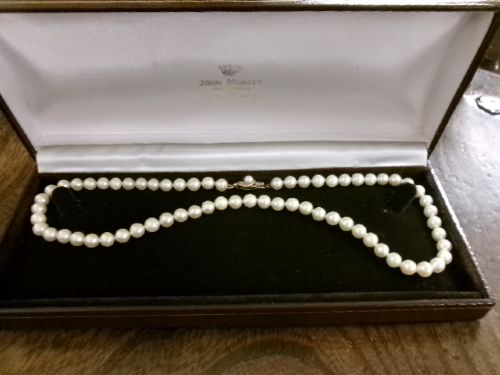
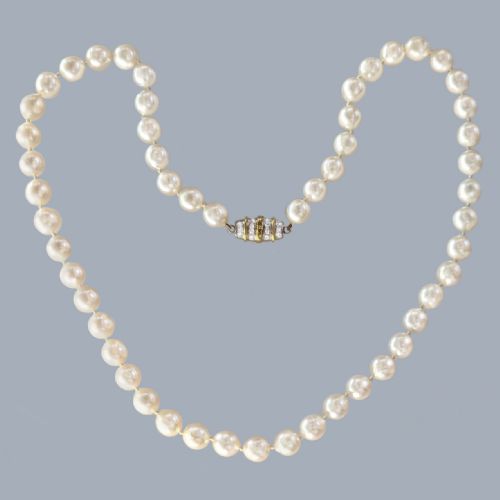
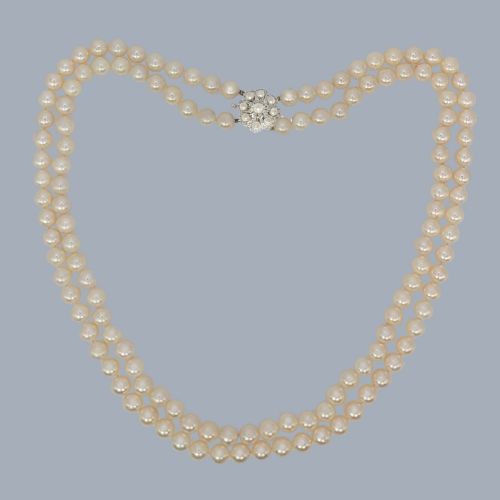
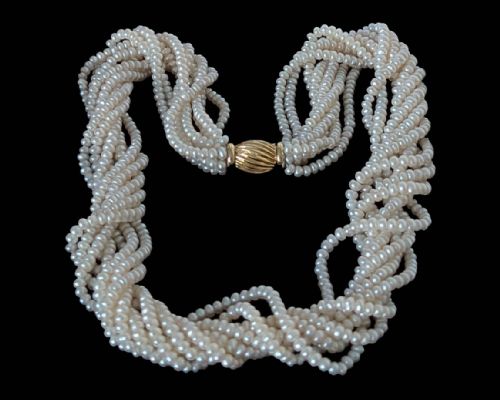
A vintage pearl strand necklace brings timeless elegance to any collection, featuring classic single, double, or multi-strand layouts secured by precious gemstone clasps.
Vintage Pearl Strand Necklace
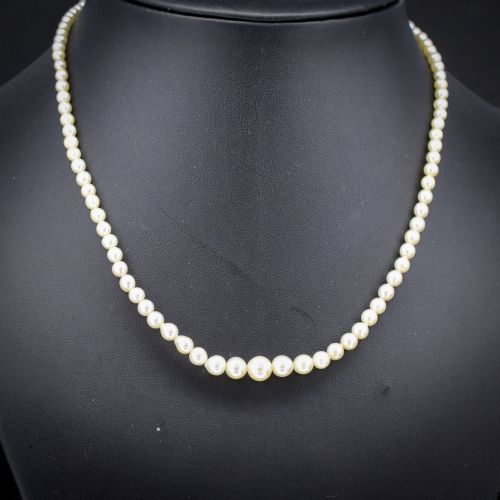
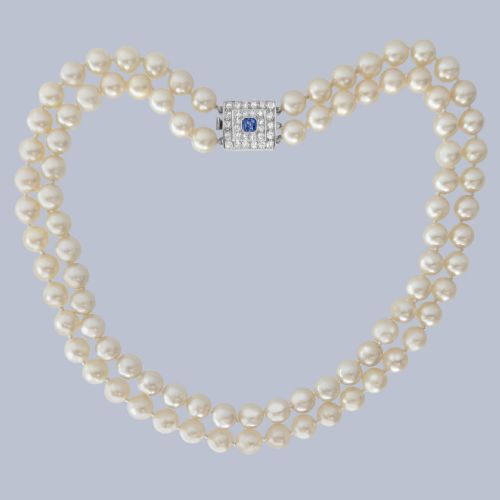
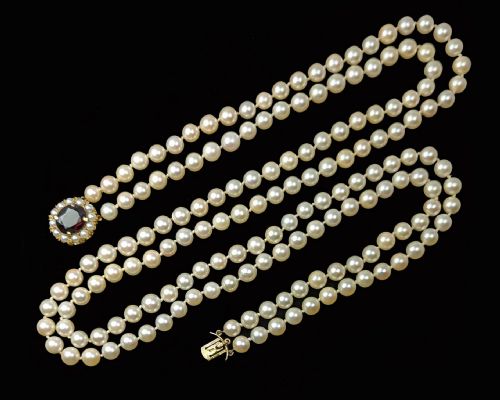
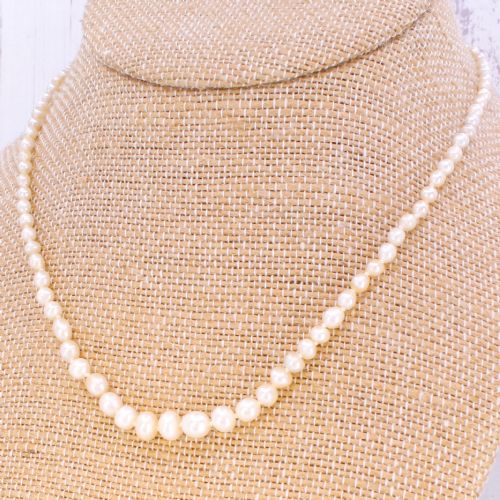
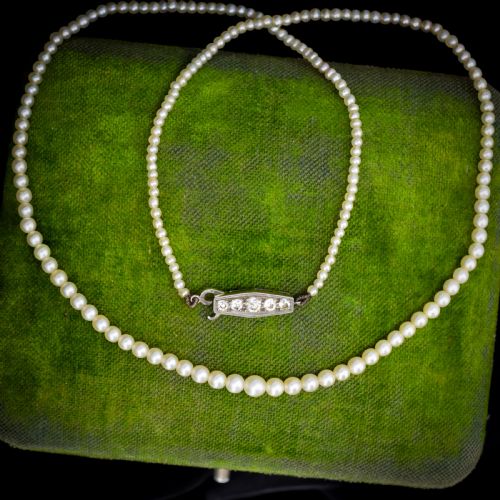
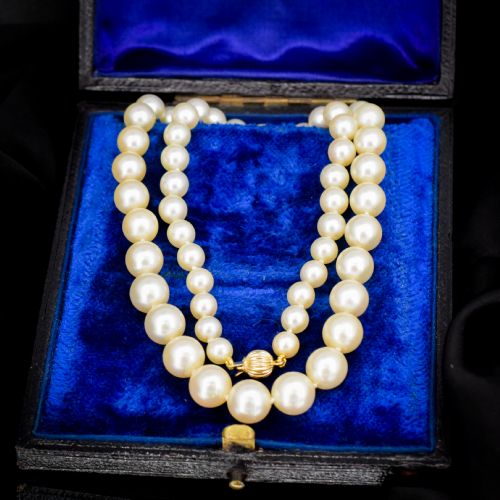
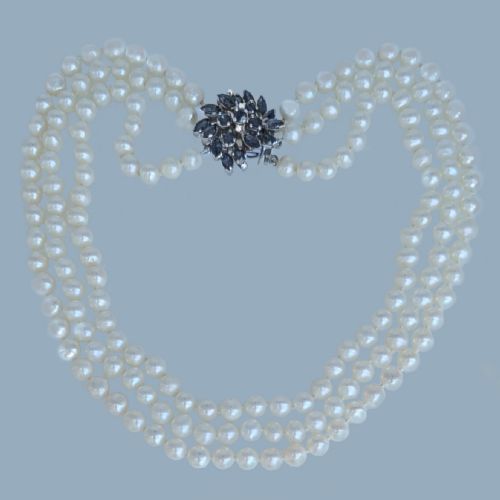
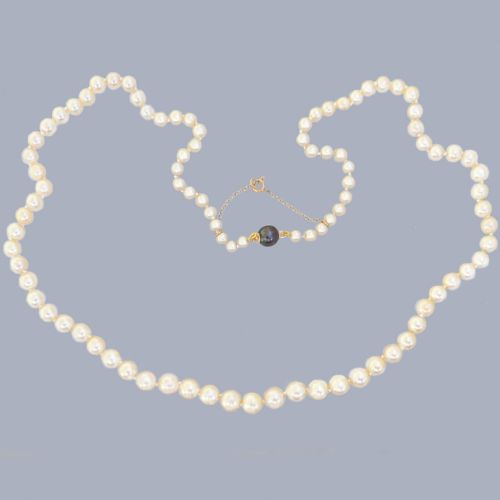
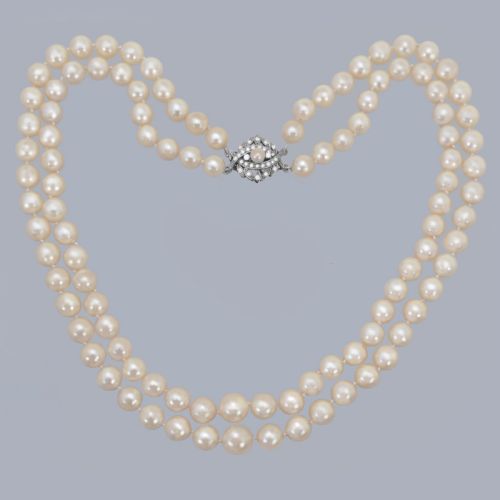
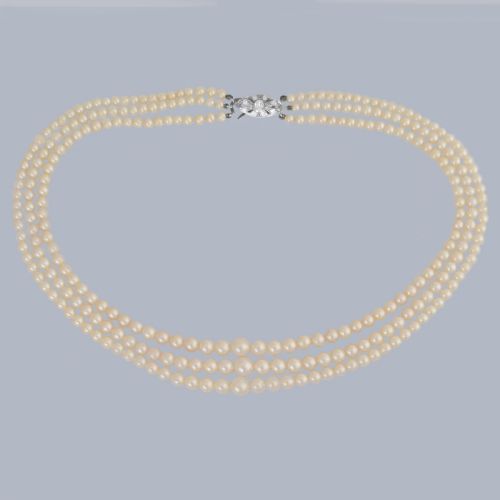
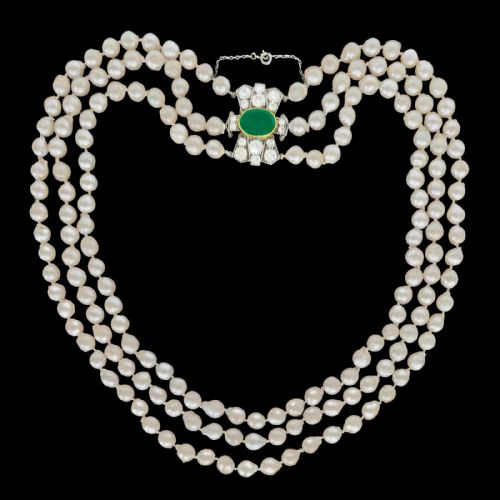
When searching for a vintage pearl strand necklace, buyers encounter classic neckwear spanning the Edwardian era through the mid-twentieth century. Single strands offer understated simplicity, while double, triple, and multi-strand configurations deliver a more dramatic statement.
How They Were Made
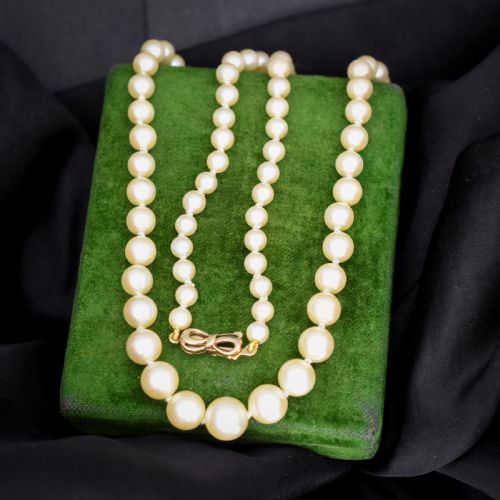
Master jewellers constructed these pieces using durable silk threads, painstakingly hand-knotting the cord between individual pearls to protect the nacre from friction and prevent total loss if a strand broke.
Clasps were forged from 9ct, 14ct, and 18ct white or yellow gold, as well as platinum and silver, utilising traditional settings like pavé, bezel, and cluster arrangements to secure accompanying diamonds and coloured gemstones.
The pearls were carefully selected for matching lustre, orient, and graduation, then drilled and secured to bespoke metal findings that often bore Birmingham or London assay office hallmarks.
Listings feature pearl necklaces spanning the Edwardian period, 1920s Art Deco, and 1950s to 1960s Mid-Century eras.
What Varies in Quality
The overall standard of a vintage pearl strand necklace depends heavily on the lustre, skin purity, and matching of the pearls, where deep, reflective nacre distinguishes superior specimens from dull alternatives.
Craftsmanship in the clasp construction and the quality of accompanying gemstones, such as certified diamonds, sapphires, or emeralds, significantly elevate the piece's pedigree.
The integrity of the threading work matters greatly; hand-knotted silk cords in secure condition ensure the piece maintains proper drape and longevity without requiring immediate restringing.
Mikimoto·Chaumet·Cropp and Farr·Unoaerre
The Vintage Pearl Strand Necklace Glossary
- Graduated
- A design where the pearls increase steadily in size from the smallest near the clasp to the largest at the centre front. This traditional layout flatters the neckline.
- Cultured Pearl
- A pearl formed by the introduction of an irritant into an oyster or mollusc by human intervention, allowing nature to coat it in layers of nacre. These form the majority of mid-century pieces.
- Saltwater Pearl
- Pearls harvested from marine pearl oysters, prized for their deep, luminous orient and natural formation. They often command higher regard among collectors.
- Restrung
- The maintenance process of replacing old, stretched silk thread with fresh cord and knots. This ensures the necklace hangs correctly and remains secure during wear.
- Orient
- The shimmering interplay of rainbow colours reflected just beneath the surface of a pearl's nacre. High-quality pearls display a strong, vivid orient.
Vintage Pearl Strand Necklace: Frequently Asked Questions
How do I style a multi-strand pearl necklace?
Multi-strand necklaces work best with open necklines, evening wear, or tailored high-collared garments where the rows can sit flat and undisturbed.
The substantial presence of double or triple rows means minimal additional jewellery is required to complete the ensemble.
How should I store my vintage pearls?
Store your pearl necklace flat in a soft-lined box or pouch, away from hard gemstones that might scratch the delicate nacre.
Keep them separate from cosmetics, perfumes, and hairsprays, which can erode the surface lustre over time.
Can I wear my pearl necklace every day?
While durable, pearls are organic gems that require gentle care to maintain their natural sheen and prevent premature wear on the silk thread.
Putting them on last after applying makeup and wiping them with a soft cloth after wearing helps preserve their condition.
How do I identify an Art Deco pearl clasp?
Art Deco clasps typically feature geometric platinum or white gold settings, showcasing calibre-cut coloured stones, square motifs, and old-cut diamonds.
These mechanical box or tongue clasps were designed to be worn visibly at the front of the neck.