


Vintage Pastoral Wall Art
Vintage pastoral wall art brings the quiet of the countryside indoors through rural scenes painted and woven across past centuries.
Vintage Pastoral Wall Art
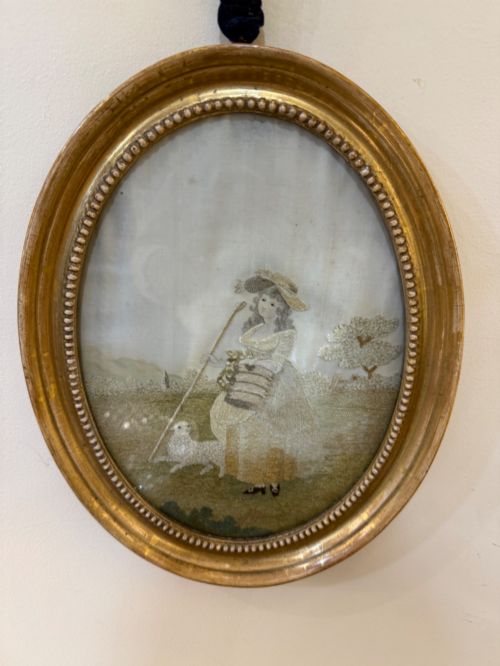
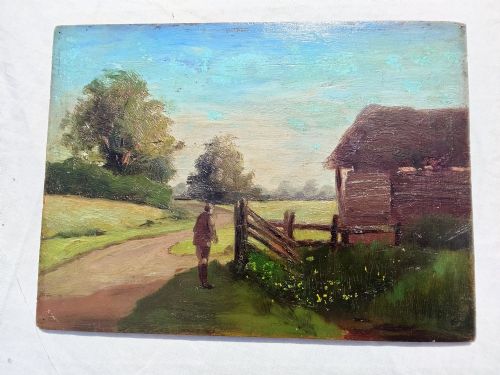
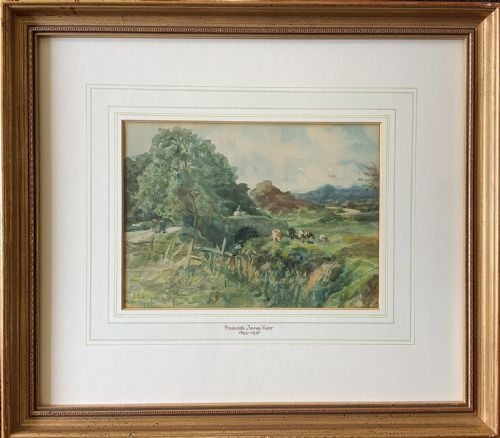
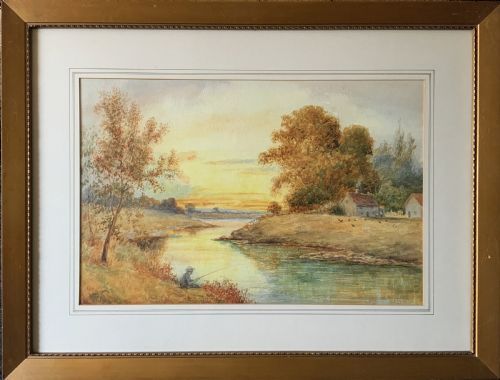
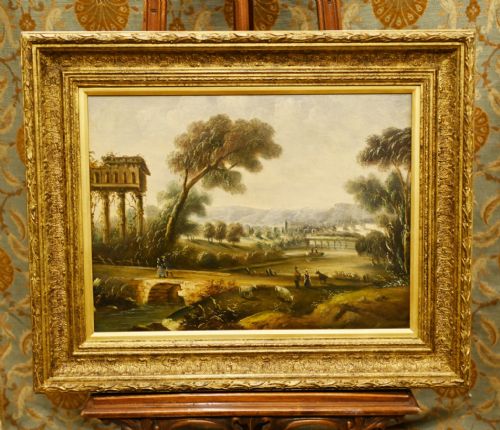
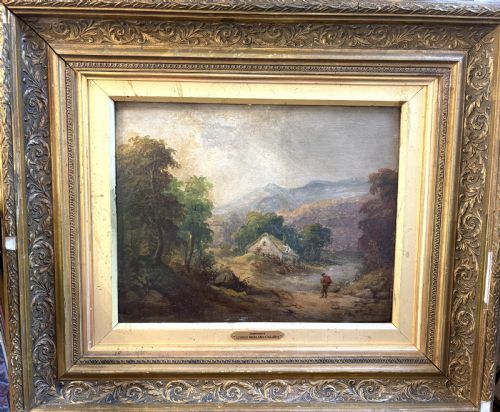
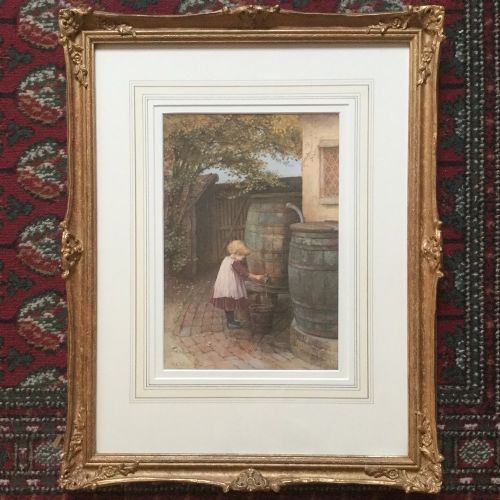
Vintage pastoral wall art covers rural scenes featuring cattle, sheep, rivers, and cottages set within 19th-century and early 20th-century landscapes. Buyers encounter oil paintings on canvas and wood panel, watercolours, needlework pictures, and woven tapestries.
The selection includes British and European works spanning Georgian, Victorian, and Edwardian periods. Pieces range from small watercolours of farmland to large framed tapestries and triptych wall hangings.
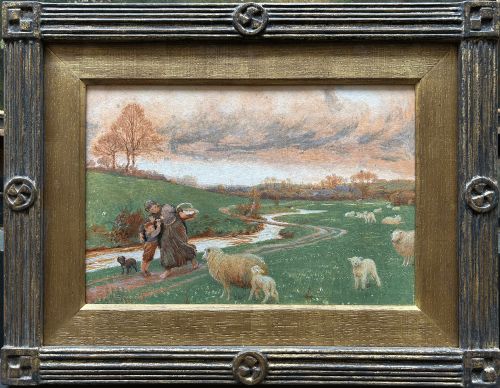
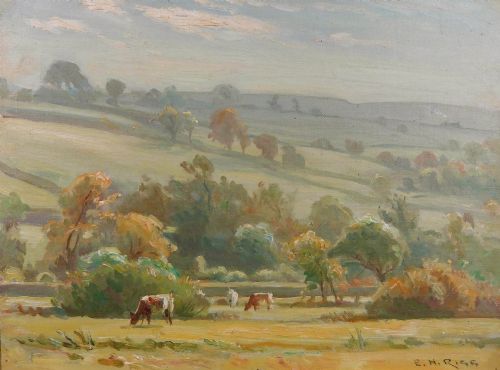
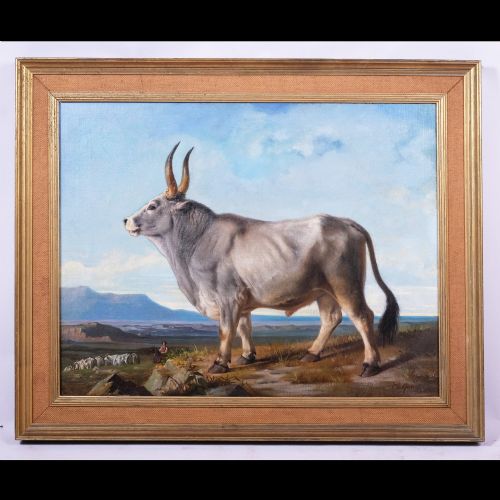
Rural idylls and agricultural scenes dominate the imagery, often depicting figures working the land or animals grazing by rivers. These works reflect both British Impressionism and continental influences such as the Barbizon school.
Materials and technique
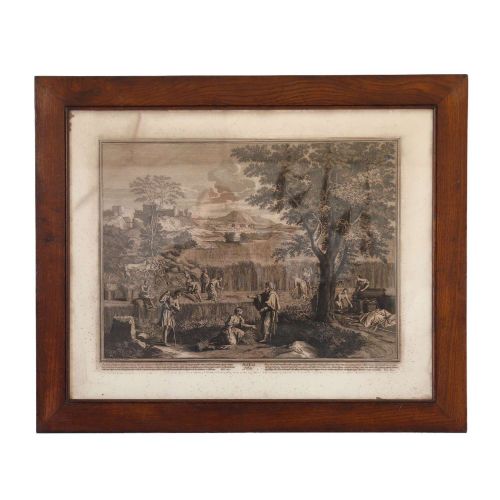
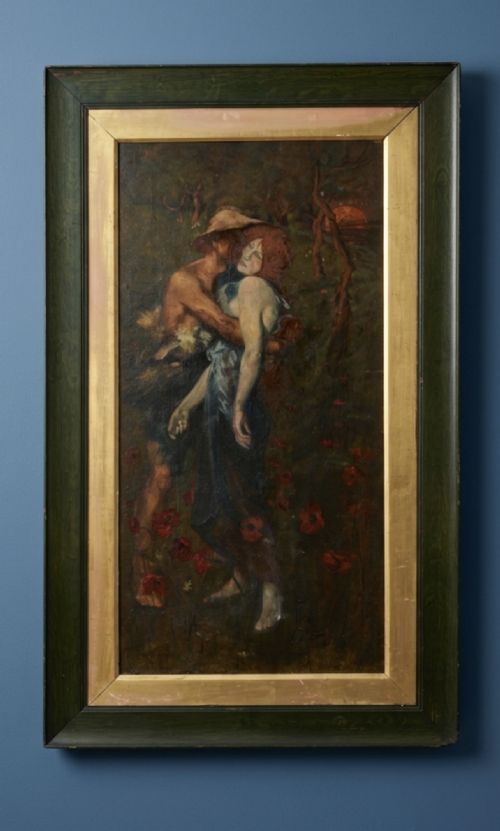
Artists painted primarily with oil paint on canvas or wooden board, utilising gilt frames to finish the works. Watercolours on paper and lithographs also appear frequently in the selection.
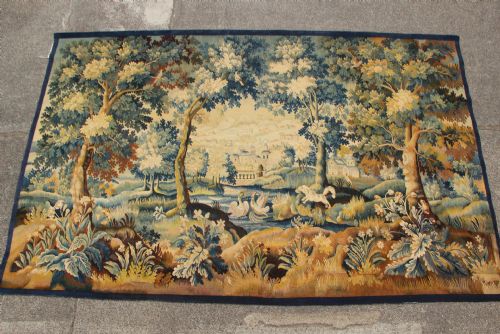
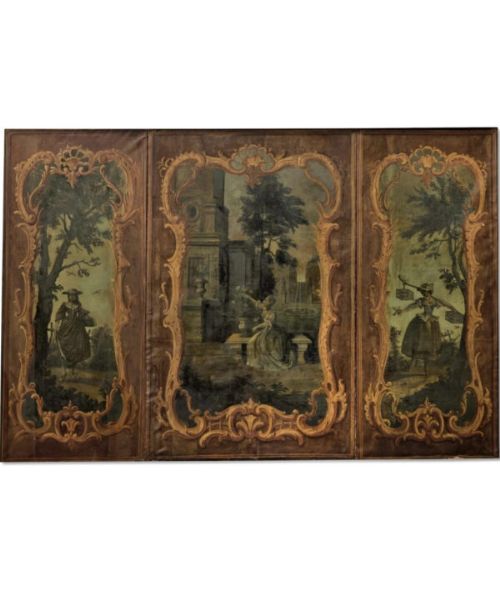
Weavers constructed textile pieces using wool and silk threads, creating verdure tapestries and detailed needlework pictures. Artisans mounted these works with wood and glass for wall display.
Vintage Pastoral Wall Art Retail Price Guide 2026
Typical asking prices for vintage pastoral wall art among the pieces listed under this phrase on Sellingantiques today, from the lower quarter to the upper quarter. They describe what is for sale here now, not the wider market.
Several sheep, cattle, and bulls make regular appearances across these pastures.
Assessing quality
Quality rests upon the handling of light and brushwork in painted pieces, distinguishing competent regional work from masterly composition. The depth of perspective in oil landscapes and the precision of detail in needlework pictures set individual pieces apart.
Material preservation dictates overall value, with intact canvases, stable wooden panels, and well-preserved textile weaves commanding attention. Original framing and clear signatures by known artists elevate standard examples into notable finds.
Tom Campbell·Frederick Walker·Ernest Higgins Rigg·Frederick James Kerr·George Morland·Charles Edward Wilson·Henry Charles Fox·John Sanderson Wells·Ernest Pile Bucknall·Owen Bowen·James Orrock·Henry John Boddington·Willem Anton Alexander Knip·Giulio Cecchini·Eugene Verboeckhoven·Alfred Grey·George Soper
The Vintage Pastoral Wall Art Glossary
- Verdure tapestry
- A woven wall hanging depicting a stylised landscape filled with foliage, trees, and often animals. These large textiles traditionally covered stone walls to retain heat in grand rooms.
- Grisaille
- A painting executed entirely in shades of grey or neutral monochrome. This technique creates the visual illusion of a low-relief stone carving.
- Needlework picture
- A pictorial composition stitched with wool or silk threads onto a fabric ground. These works imitate contemporary oil paintings using varied stitch counts and colours.
- Wood panel
- A flat wooden support used by artists in place of canvas for oil paintings. These boards provide a rigid foundation that alters the application and ageing of the paint layer.
Vintage Pastoral Wall Art: Frequently Asked Questions
What periods do these pieces cover?
The listings span from the 17th century through the Victorian and Edwardian eras up to the mid-20th century. Most examples originate from the 19th century and the early decades of the 20th century.
Different decades brought distinct stylistic shifts, moving from formal Georgian needleworks to looser Impressionist watercolours and oils.
How were tapestries used originally?
Large woven tapestries hung in chateaux and manor houses to insulate stone walls against dampness and cold drafts. They served both a practical warming function and a decorative purpose.
Smaller panels and framed textile art were designed specifically for domestic wall decoration in period parlours.
How do I hang a textile panel safely?
Heavy tapestries and needlework pictures require weight-distributing hanging systems rather than a single central hook. Professional framers often mount textiles onto stretched padded boards to support the weave evenly.
Keep woven wall art away from direct sunlight and damp walls to preserve the integrity of the threads.
How do I identify a watercolour from an oil painting?
Watercolours are painted on paper and typically displayed behind glass to protect the delicate medium from moisture. Oil paintings utilise canvas or wooden boards and present a textured surface without glass protection.
Oils also show visible brush strokes and heavier pigment layers compared to the translucent washes of watercolour.