




Vintage Paisley Carpet
A vintage paisley carpet brings rich boteh motifs and woven depth into a room, offering enduring texture and historical character.
Vintage Paisley Carpet
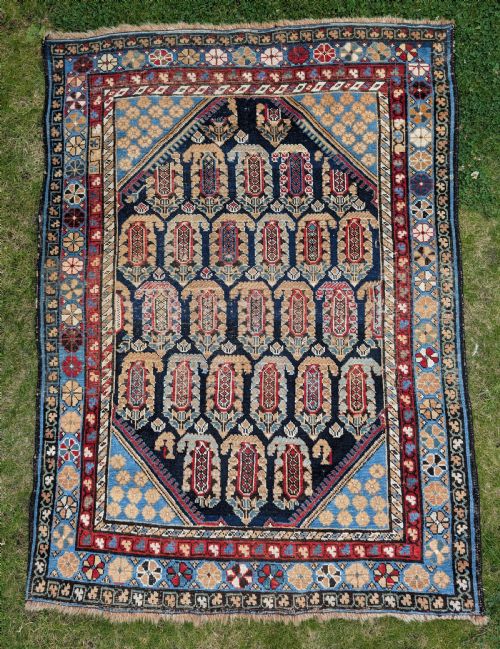
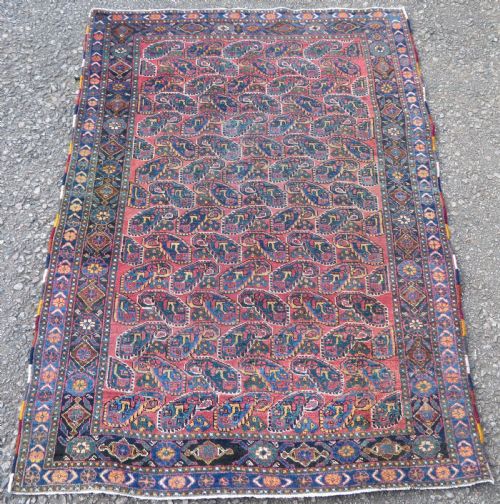
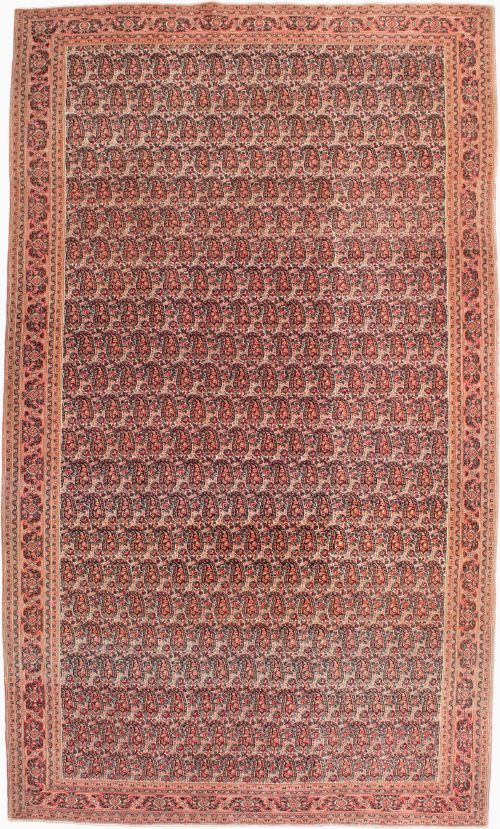
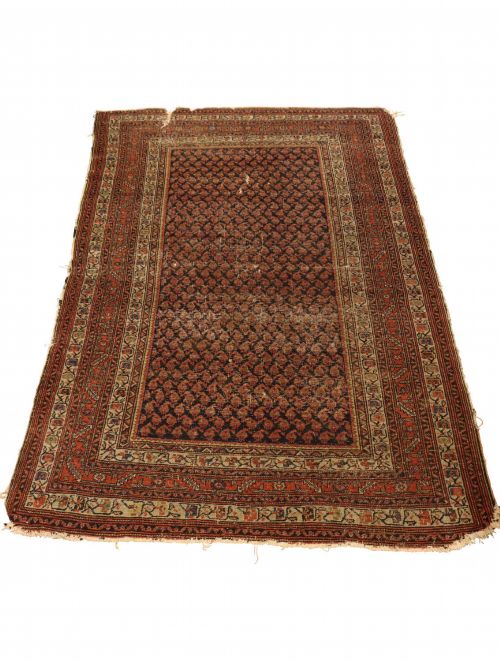
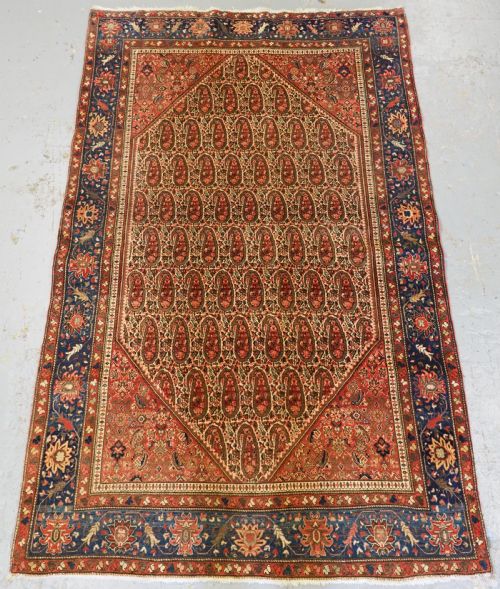
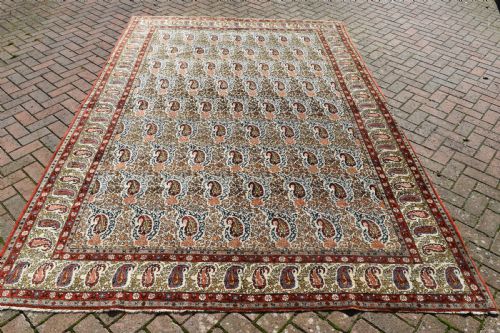
Buyers searching for a vintage paisley carpet encounter woven floor coverings defined by the characteristic teardrop or pine-cone motif known traditionally as the boteh. These textiles span periods from the late nineteenth century into the twentieth century, originating primarily from Persian and Caucasian weaving centres.
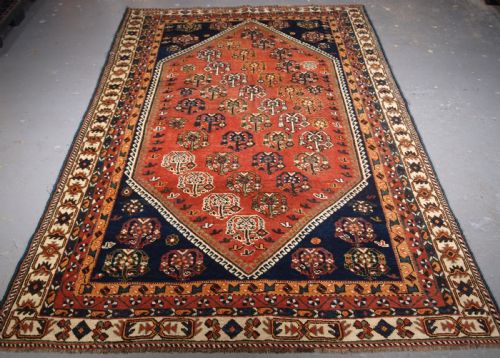
The pieces available on this page include room-sized carpets, gallery runners, and smaller rugs featuring repeat floral boteh patterns or all-over designs. Common regional attributions range from Khorassan and Tabriz to Kurdish, Afshar, and Caucasian Karabagh regions.
Most examples rely on traditional hand-knotting techniques executed in wool, cotton, angora wool, or silk. Selecting the right piece involves matching the scale of the boteh design and the format - whether runner or large area rug - to the dimensions of the interior space.
Materials and construction methods
Weavers constructed these carpets predominantly using natural animal and plant fibres, with wool serving as the primary pile material alongside cotton foundations. Certain fine or specialised pieces incorporate angora wool or silk to achieve softer textures and finer detail.
The creation of these textiles relied on hand-knotting techniques passed down through regional traditions, allowing intricate curveilinear or geometric boteh patterns to form across the surface. Natural dyes supplied the distinct soft colours and deep tones visible in the surviving examples.
Every single boteh on these rugs points its crooked little top in roughly the same direction, like a flock of stubborn birds.
Distinctions in quality and execution
The fineness of the knotting and the density of the pile dictate the precision of the boteh design and the durability of the textile under foot. Tighter foundations allow for crisper outlines in complex floral and medallion layouts.
The choice of materials also alters the character of the piece, with silk or angora additions providing heightened tactile softness compared to standard wool piles. Regional origin and the complexity of the repeat pattern further distinguish standard village productions from finer city workshop carpets.
The Vintage Paisley Carpet Glossary
- Boteh
- A stylised teardrop, almond, or pine-cone motif of Persian origin that forms the defining pattern of paisley textiles. This ancient symbol appears repeatedly across regional rugs and carpets.
- Hand-Knotted
- A construction method where individual strands of wool, silk, or cotton are tied by hand to warp and weft threads. This labour-intensive process creates durable carpets with distinct pile depth.
- Runner
- A long, narrow carpet format designed specifically for hallways, corridors, or alongside beds. These pieces often feature repeating geometric or boteh motifs down their length.
- Pile
- The upright yarn surface of a carpet that forms the soft layer walked upon. Pile height and density vary depending on the regional workshop and the materials utilised.
Vintage Paisley Carpet: Frequently Asked Questions
How do I clean a vintage carpet?
Maintenance requires gentle vacuuming without a rotating brush head to protect the delicate wool or silk pile from excessive friction. Professional specialist cleaning remains essential for addressing deeper dirt without damaging the natural dyes.
Placing the rug in low-traffic zones or rotating its position periodically helps prevent uneven wear patterns from developing over time.
What rooms suit a long runner?
Gallery runners fit narrow hallways, entryways, and corridors where their elongated format can guide movement through a home. They also work effectively alongside large pieces of bedroom furniture.
Checking the exact length and width dimensions ensures the runner allows doors to clear the pile smoothly without catching.
How do I identify regional designs?
Regional attribution relies on observing specific colour palettes, border arrangements, and the geometric or curvilinear rendering of the boteh motif. Village pieces often display more expressive structures, whereas city workshops tend towards refined symmetry.
Comparing knot density and foundation materials provides further clues regarding the specific weaving tradition.
Are these carpets suitable for daily use?
Wool and cotton constructions possess natural resilience that allows these textiles to endure everyday foot traffic in living spaces. Using an appropriate underlay helps secure the rug and provides additional cushioning beneath the pile.
Protecting the piece from direct, intense sunlight prevents the soft natural colours from fading prematurely.