
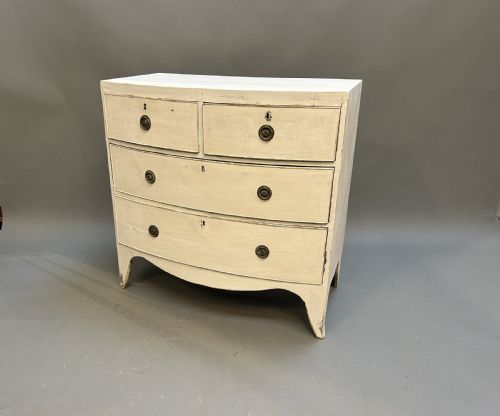

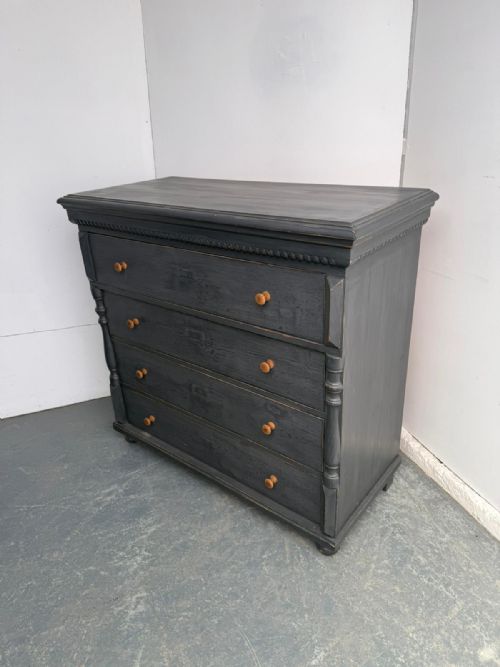
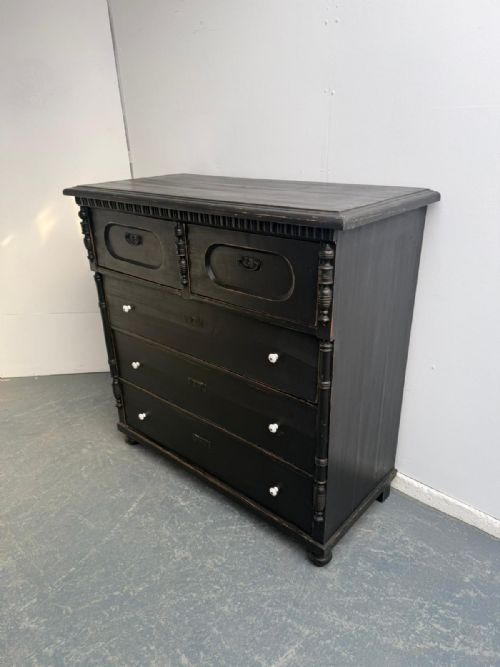


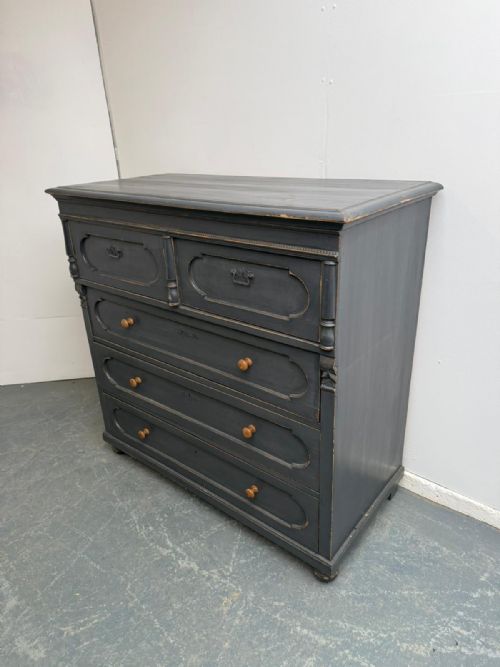
Vintage Painted Wooden Commode
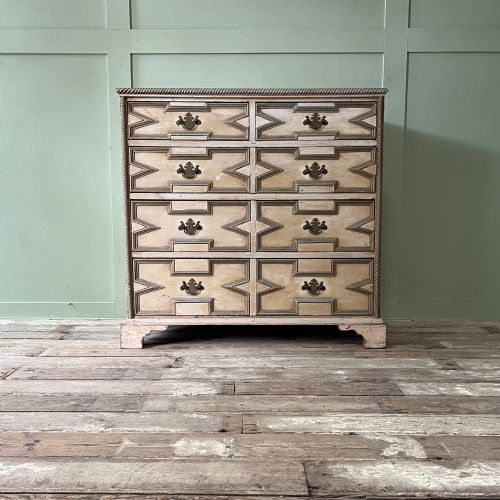
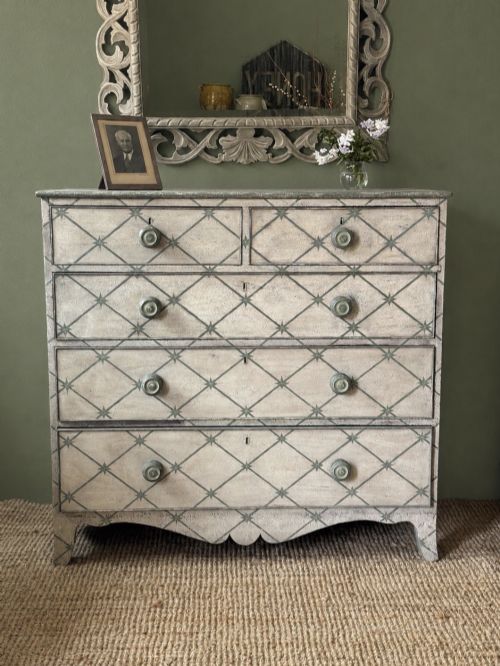
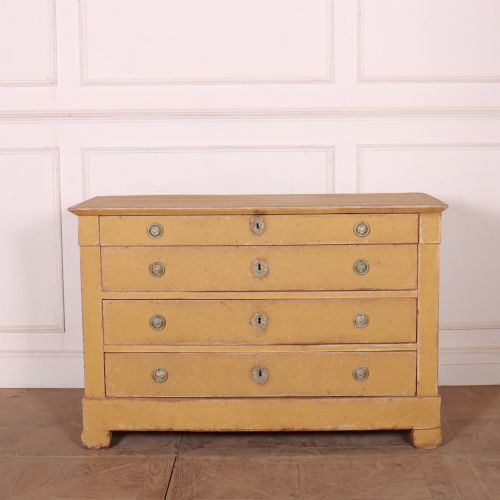
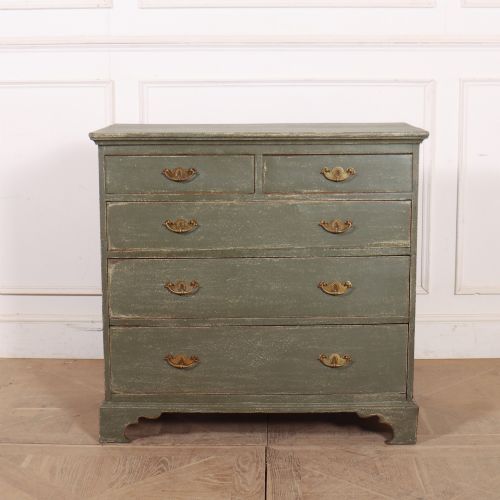
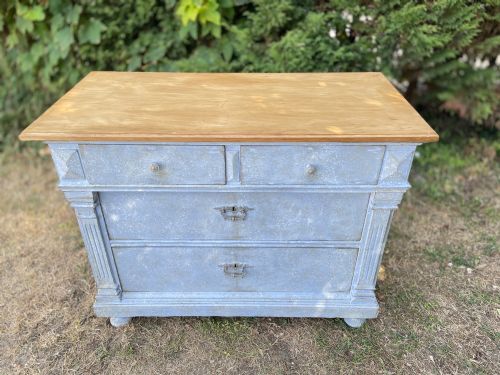
A vintage painted wooden commode brings surface colour and deep storage to a room, offering functional utility wrapped in period charm.
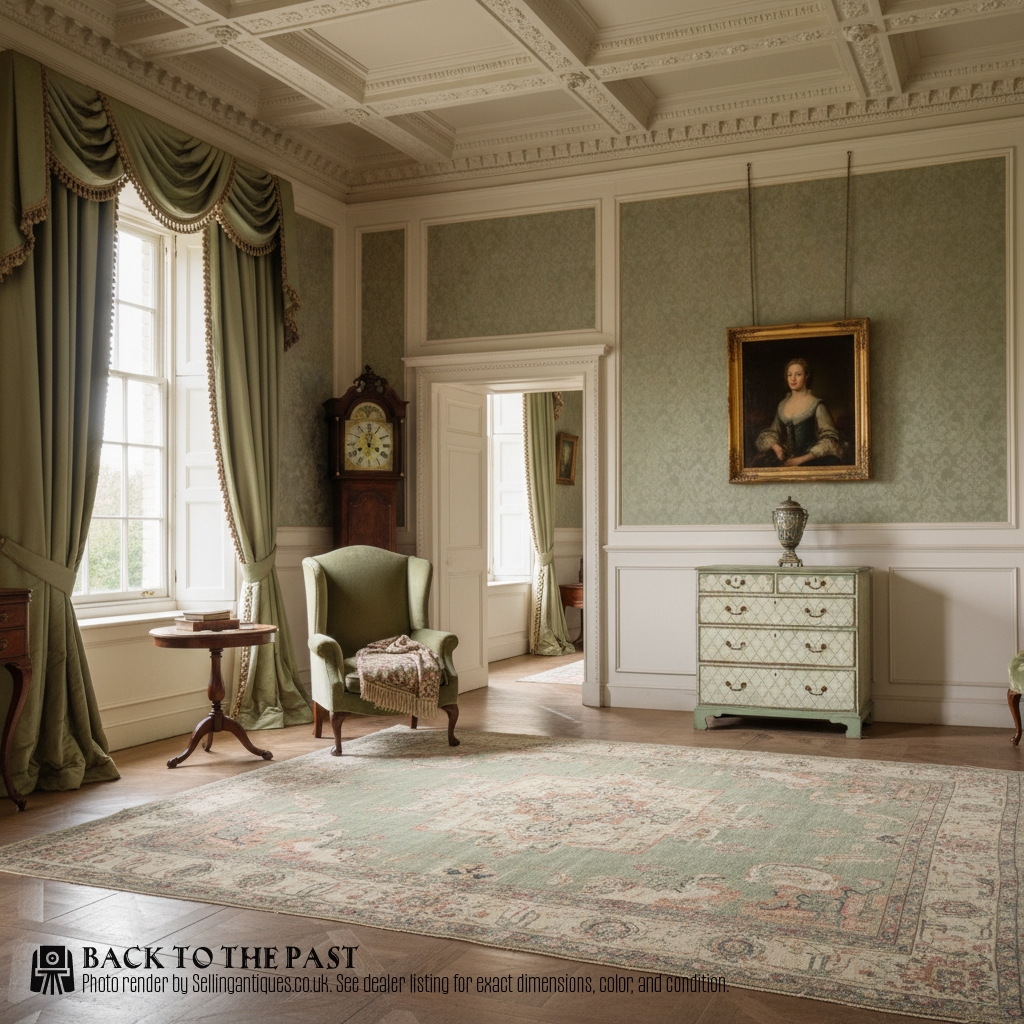
Vintage Painted Wooden Commode
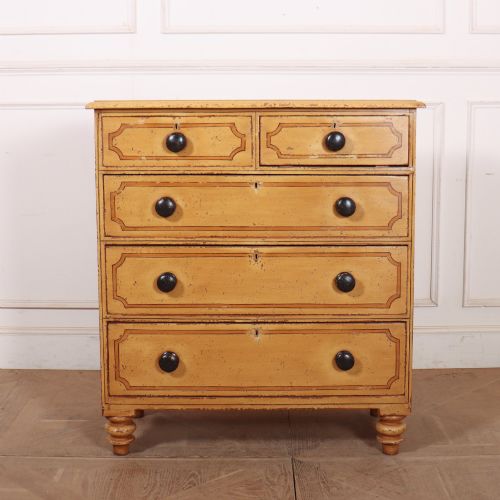
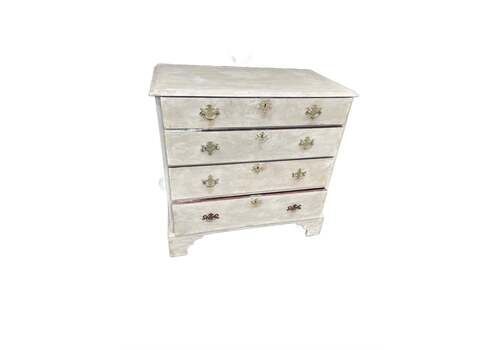
A vintage painted wooden commode serves as a practical storage chest with drawers or cupboards, combining everyday utility with decorative painted surfaces. When you search for a vintage painted wooden commode, you encounter pieces that range from English country furniture to continental European examples.
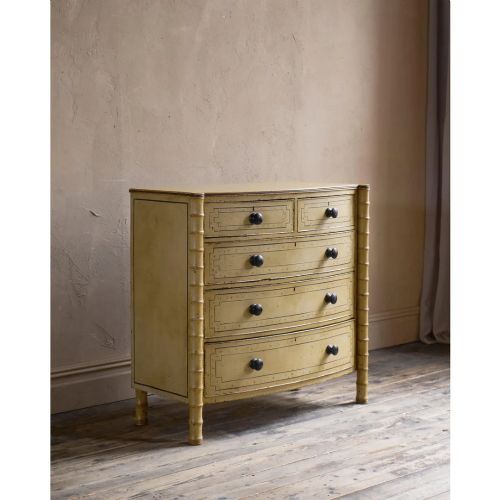
The pieces appearing on this page span several centuries, with the nineteenth century and the Victorian era providing the greatest number of examples. Forms include standard chests of drawers, bow front designs, side cabinets, and serpentine front commodes originating from England, France, Sweden, Hungary, and Italy.
Materials and construction methods
Carpenters constructed these items primarily using solid pine, oak, and mixed woods, often applying multiple layers of paint, scumble finishes, or giltwood detailing. Brass and iron hardware such as handles and drawer pulls completed the structural assembly.
Makers applied hand-painted finishes directly onto timber surfaces, sometimes simulating finer woods like birch or creating distinctive provincial patinas. These applied finishes interact with the underlying pine or hardwood base, weathering naturally over decades of use.
Among the heavy pine chests and formal commodes sits a single child's high chair waiting quietly for its tiny occupant.
What distinguishes finer examples
Quality rests in the integrity of the timber frame, the smoothness of drawer operation, and the survival of the original painted surface rather than later retouching. Finer pieces retain their authentic regional character and structural soundness without excessive timber replacement.
The sophistication of the decorative work sets exceptional items apart, whether through delicate French carving, balanced proportions on a bow front, or the distinct folk art character of Scandinavian and Hungarian pieces.
Sir Clough Williams Ellis·Edwards and Roberts·Gemla Fabrikers
The Vintage Painted Wooden Commode Glossary
- Commode
- A low cabinet or chest of drawers designed for domestic storage. These pieces typically sit waist-height and provide multiple tiers of drawer space.
- Serpentine front
- A furniture front curved in a wave shape, convex at the centre and concave at the sides. This technique demands high skill from the woodworker.
- Scumble pine
- Pine timber treated with a translucent glaze or paint manipulated with tools to create mottled wood grain patterns. It mimics richer timbers using accessible woods.
- Bow front
- A convex curved cabinet or chest front that projects outward in an arc. This shape gained popularity during the Regency period.
- Gustavian style
- The Swedish interpretation of French neoclassical design, characterised by lighter paint colours and restrained ornamentation. It emerged during the late eighteenth century.
Vintage Painted Wooden Commode: Frequently Asked Questions
What is a painted commode?
A painted commode is a set of drawers or a small cabinet finished with decorative paint rather than polished wood grain. These items served as functional storage furniture in bedrooms and parlours.
Over generations, the painted surfaces acquired distinct wear patterns that collectors value for their historical depth.
How do I identify a Victorian piece?
Victorian examples frequently utilise solid pine or oak with generous proportions, often featuring five-drawer configurations. They typically display heavier mouldings and darker original paint applications than earlier pieces.
Examine the drawer construction and interior timber to confirm the nineteenth-century manufacturing methods.
Where were these commodes made?
Makers across Europe produced these items, with significant regional styles originating from England, France, Sweden, Hungary, and Italy. Each country developed distinct painting traditions and cabinet-making proportions.
English pieces tend toward sober utility, while continental examples often feature brighter colours and serpentine fronts.
How do I care for painted wood?
Maintain painted furniture by dusting regularly with a soft, dry cloth and avoiding harsh chemical cleaning agents. Keep pieces away from direct sunlight and steady moisture sources to preserve the historic paint layers.
Wax can be applied sparingly to unpainted timber elements, but consult a restorer before treating fragile original paint surfaces.