




Traditional English Painted Furniture
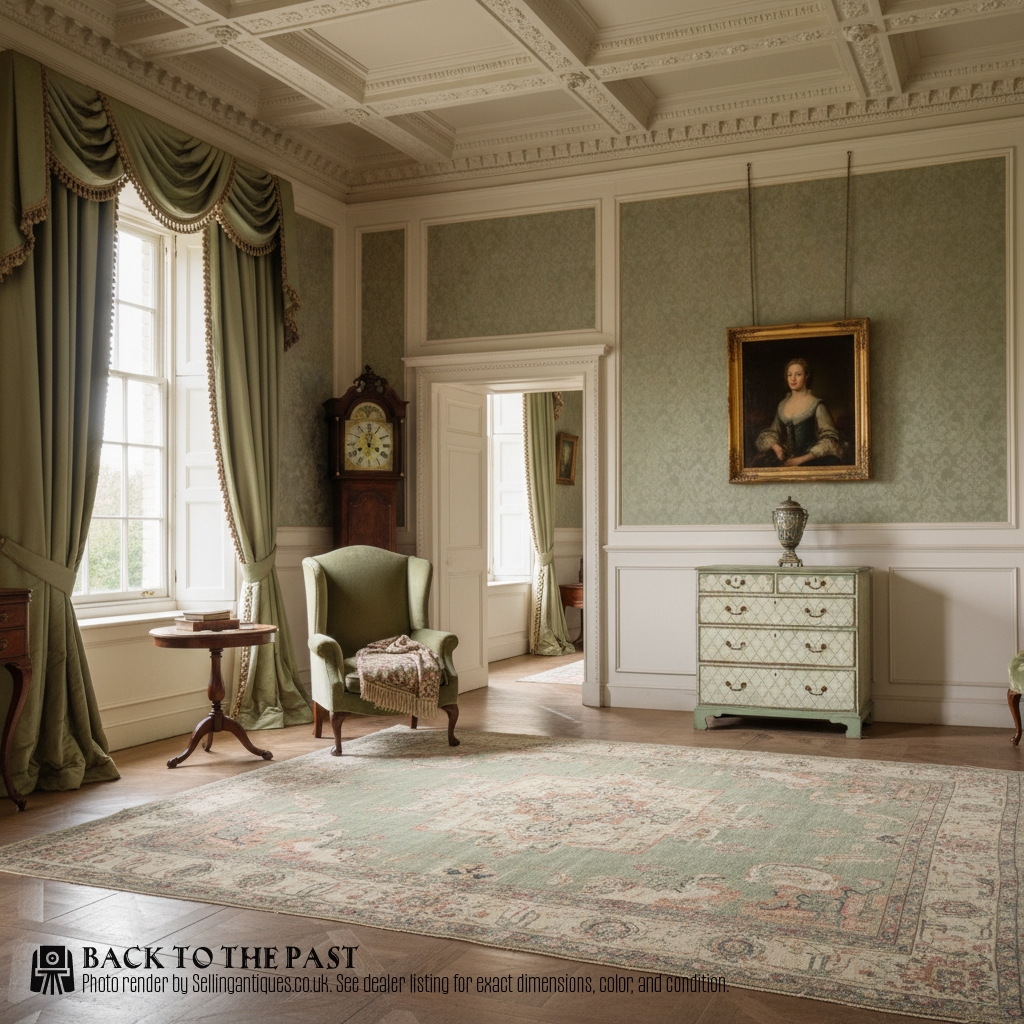
Traditional English painted furniture brings immediate character to a room through weathered surfaces and honest craftsmanship.
Traditional English Painted Furniture
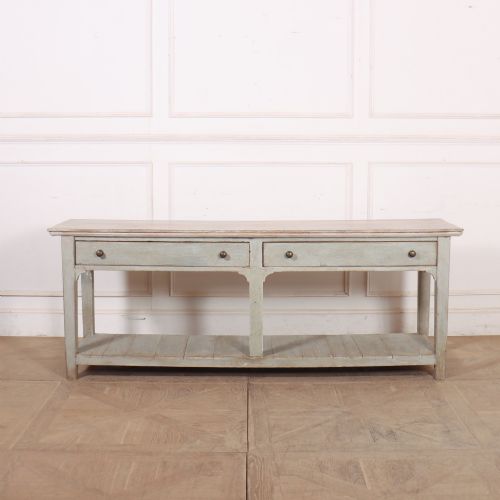
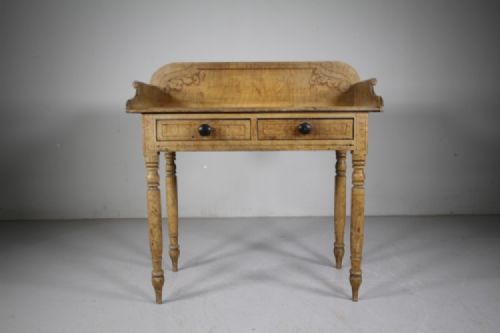
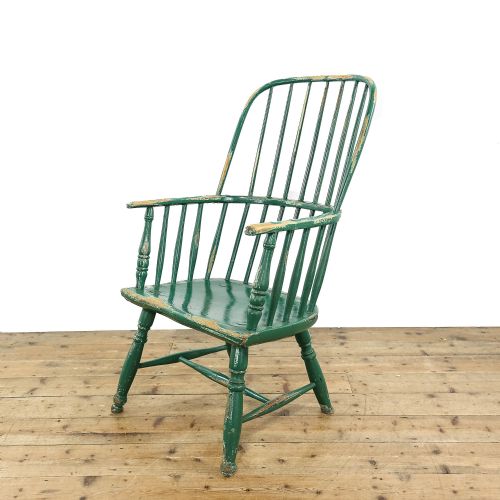
Traditional English painted furniture encompasses domestic utilitarian items produced across the eighteenth and nineteenth centuries, including chests of drawers, dresser bases, benches, and cupboards. These pieces reflect regional vernacular traditions rather than metropolitan court styles, often showing the simple utility required by country houses, farmhouses, and taverns.
The versions most commonly met on this page belong to the nineteenth century, alongside Georgian and Victorian examples. Common forms range from potboard dresser bases and side tables to storage benches and linen cupboards, built largely from pine and finished with original painted surfaces.
Makers and regional workshops utilised local softwoods and hardwoods to build sturdy storage and seating solutions suited to everyday rural life. The aesthetic relies heavily on original scumble paint, layered tones, and hand-painted decoration that has survived decades of domestic use.
How they were made
Construction relies primarily on pine and other accessible woods, shaped into robust forms like chests of drawers, settles, and dresser bases using traditional joinery. Artisans built these utilitarian objects for daily domestic service, prioritising sturdy framing and functional storage over delicate ornamentation.
Surface decoration frequently involved layers of paint, including scumble finishes and hand-painted details that gave plain timber an aged or decorative appearance. Brass and metal hardware, alongside ceramic and glass elements occasionally, provided the necessary functional fittings for doors and drawers.
Listings span the eighteenth and nineteenth centuries, predominantly featuring pine constructions finished with original paint, scumble, or hand-painted decoration.
What varies in quality
The distinction between ordinary and superior pieces rests largely in the survival of original painted surfaces and the integrity of the timber. Original scumble paint, untouched decorative layers, and honest patination distinguish items that retain their historical surface from those heavily stripped or overpainted.
Proportion, regional character, and the complexity of the form also divide standard utility items from finer vernacular examples. Serpentine fronts, well-proportioned kneehole desks, and substantial dresser bases demonstrate greater ambition in design than basic storage benches.
The Traditional English Painted Furniture Glossary
- Scumble paint
- A decorative painting technique involving translucent glazes dragged or wiped across a base coat to simulate grain or aged texture. This finish is frequently found on country house furniture.
- Potboard dresser
- A kitchen dresser featuring an open lower shelf used historically for storing pots and pans. These practical bases form a staple of English vernacular furniture.
- Settle
- A wooden high-backed bench with solid arms and a closed base designed to block draughts in traditional rooms. Tavern and country house examples often used painted pine.
- Kneehole desk
- A desk featuring a recessed central space for the legs flanked by pedestals of drawers. Georgian versions show refined proportions within domestic woodwork.
Traditional English Painted Furniture: Frequently Asked Questions
What is traditional English painted furniture?
Traditional English painted furniture consists of utilitarian domestic pieces from the eighteenth and nineteenth centuries, finished with painted surfaces rather than polished wood. These items include chests of drawers, settles, and dressers.
Such pieces originate from rural and provincial workshops, reflecting the practical needs of country houses, farmhouses, and taverns through simple construction and durable materials.
How do I identify original paint?
Original paint surfaces show natural wear, mellowed patination, and multiple underlying layers that cannot be easily replicated by modern refinishing. Examining the edges and protected areas reveals the true age of the finish.
Evaluating the integration between the timber and the pigment helps determine whether the paint application dates to the period of manufacture or represents a later decorative layer.
Where were these pieces used?
These items served functional roles in domestic interiors, kitchens, hallways, and public spaces like taverns across the English countryside. Dressers held kitchenware, while settles provided draught-proof seating near hearths.
Their robust construction in pine and other accessible woods suited the heavy demands of daily rural life and communal gathering spaces.
How do I live with painted furniture?
Living with painted furniture involves embracing existing wear and protecting the historic surface from direct sunlight and excessive moisture fluctuations. Simple dusting and minimal intervention preserve the fragile top layers.
These pieces integrate easily into contemporary and traditional interiors alike, serving as practical storage or seating while adding distinct historical character to a room.