
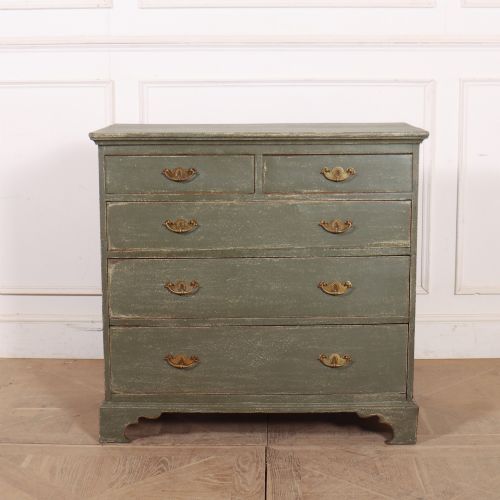


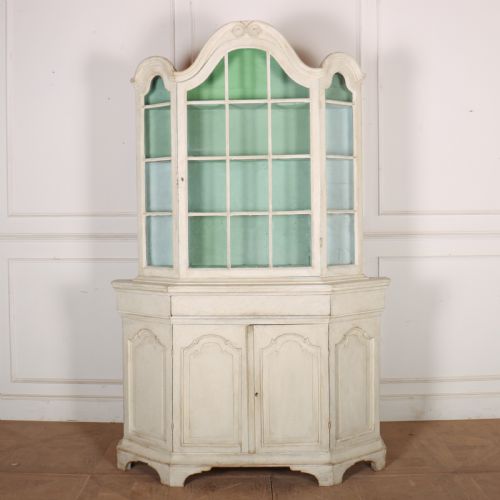
Green Painted Wooden Dresser
A green painted wooden dresser brings functional storage and characterful painted surfaces together in the traditional farmhouse kitchen or country house interior.
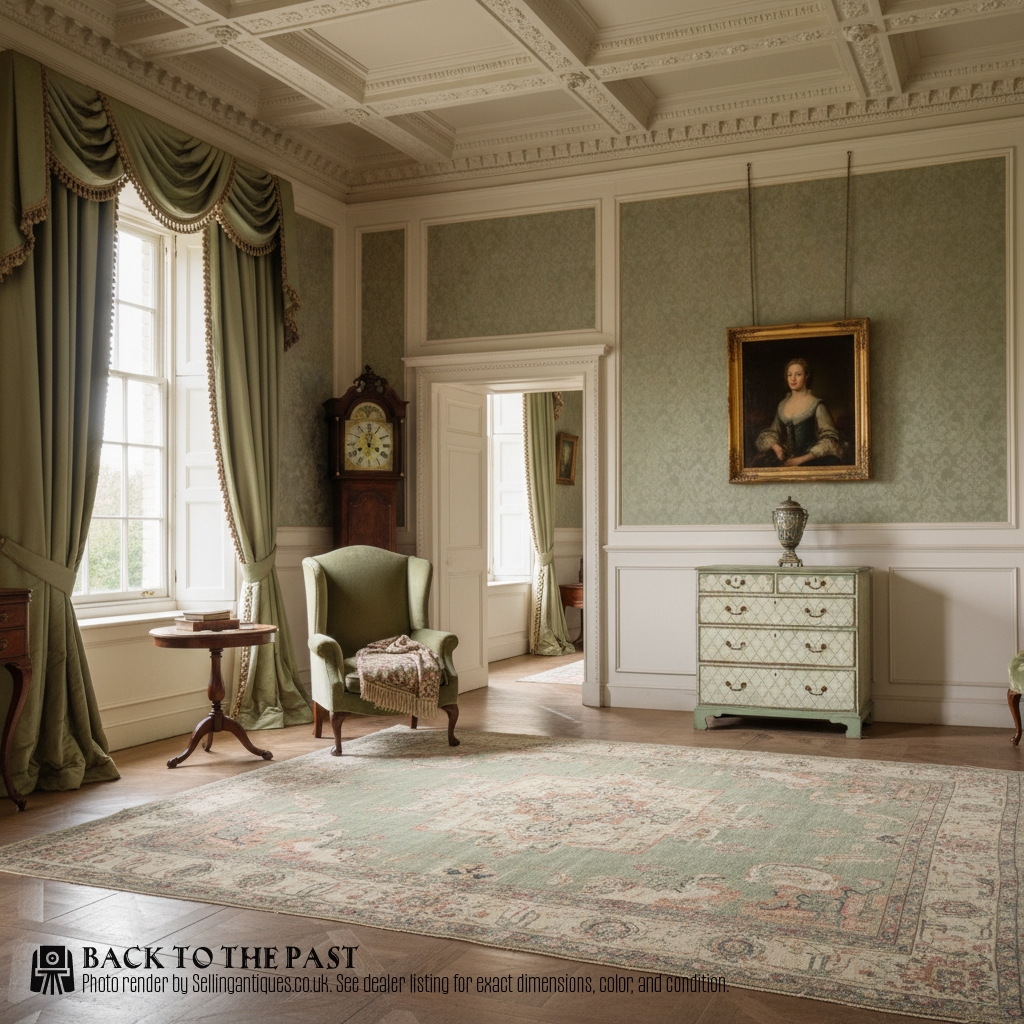
Green Painted Wooden Dresser
A green painted wooden dresser provides robust storage through combinations of drawers, cupboards, and surface tops suited to domestic utility. Pieces matching this green painted wooden dresser search span kitchen dressers, dresser bases, serving tables, and sideboards.
The selections appearing here draw primarily from the nineteenth and eighteenth centuries, with English country, Victorian, Georgian, and Regency examples forming the core of the group. Regional variations extend to Scottish, Swedish, Dutch, and German origins in pine and oak.
Storage forms vary from bow front chests of drawers and commodes to large potboard serving tables, housekeepers cupboards, and vitrines. Each piece reflects the functional domestic demands of its original setting.
How they were made
Construction relies predominantly on solid pine and oak, shaped into carcases, drawers, and shelving units using traditional joinery methods. Metal and brass hardware often provides functional pulls, escutcheons, and handles across the doors and drawers.
Surfaces receive layers of paint, sometimes in original finishes, applied over wood to protect the material and create a decorative coloured exterior. Detailing frequently includes carved elements, bow fronts, serpentine shapes, or glass panels in glazed doors.
Some nineteenth-century cupboards hide deep drawers behind simple painted facades, built to keep household supplies safe from curious mice.
What varies in quality
Quality rests in the integrity of the timber frame, the survival of original painted surfaces, and the subtlety of proportion in pieces such as bow front chests and dresser bases. The execution of carved details and the weight of brass or metal hardware also distinguish finer examples.
Regional variations in construction, from simple English country house pieces to more elaborate German bombe forms or Dutch vitrines, show distinct levels of cabinetmaking skill. The preservation of historical paint layers over pine and oak determines much of the character of each piece.
The Green Painted Wooden Dresser Glossary
- Dresser base
- A low sideboard or cupboard unit featuring surface space and lower storage drawers or doors, historically used for food preparation and serving in kitchens.
- Potboard
- An open slatted lower shelf fitted beneath a serving table or dresser base, traditionally designated for storing heavy pots and earthenware.
- Bow front
- A convex, curved front elevation commonly found on chests of drawers and commodes, designed to soften room angles and increase interior depth.
- Serpentine
- A gently undulating front edge that curves inward centrally and outward at the ends, requiring advanced woodworking skill.
- Vitrine
- A glass-fronted display cabinet or cupboard used for holding and exhibiting porcelain, glass, or collectables.
Green Painted Wooden Dresser: Frequently Asked Questions
What is a dresser base?
A dresser base is a lower storage unit featuring drawers and cupboards without the upper plate rack typically associated with tall kitchen dressers. These pieces served as practical work surfaces and storage points in historic kitchens and dining rooms.
In modern interiors, a dresser base functions effectively as a sideboard or serving console. The surface accommodates lamps or decorative items while the lower compartments store tableware or linens.
How do I care for painted wood?
Painted wooden furniture requires gentle maintenance to preserve historical finishes and prevent surface damage. Dust regularly with a soft, dry cloth and avoid harsh chemical cleaners that can strip or soften older paint layers.
Keep pieces away from direct heat sources and strong sunlight, which can cause wood to warp and paint to fade or crack. Natural beeswax can be applied sparingly to unpainted wooden sections if needed.
What is a potboard serving table?
A potboard serving table is a large furniture form featuring a flat top for food preparation or display, supported by legs connected with a low slatted shelf. This lower shelf provided practical storage for heavy kitchen pots in traditional households.
These tables suit large dining spaces or kitchens where their open lower tier and generous top surface offer both display potential and utility.
How do I distinguish regional styles?
Regional differences appear in the choice of timber, structural proportions, and decorative motifs used by local cabinetmakers. English country pieces often employ pine with simple painted finishes, while continental examples such as Dutch vitrines or German commodes feature more elaborate carving and shaping.
Examining the construction methods, hardware types, and wood species helps identify the geographic origin of a piece. Swedish and Scottish variants display distinct local interpretations of nineteenth-century forms.