
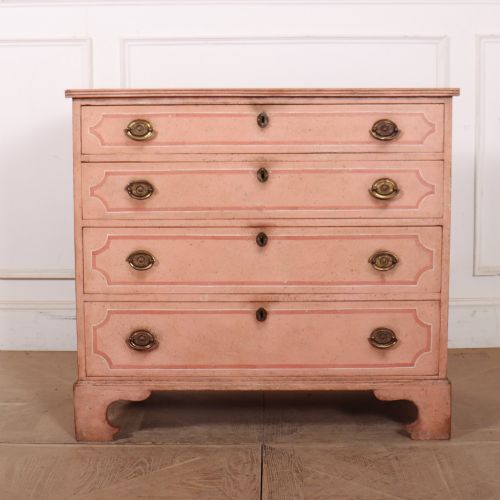

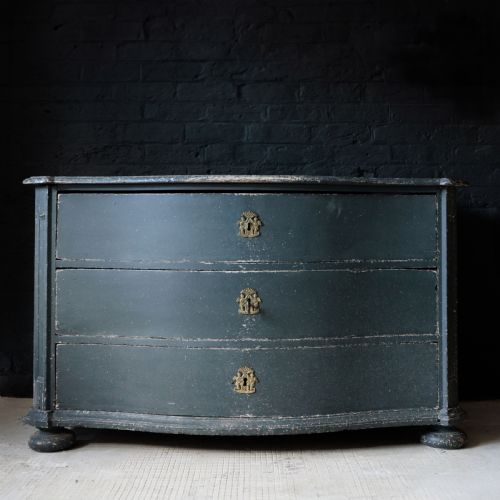
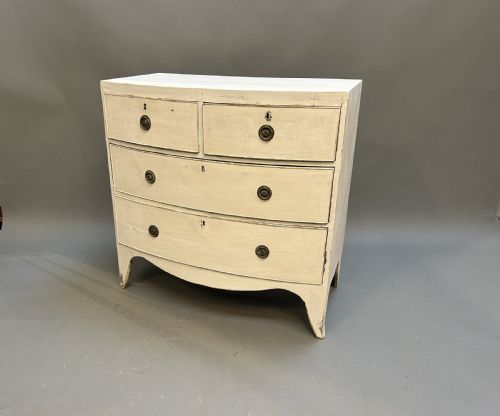


Georgian Style Painted Chest
These georgian style painted chest pieces bring colour and historical character to a room, offering practical storage disguised in period surfaces.
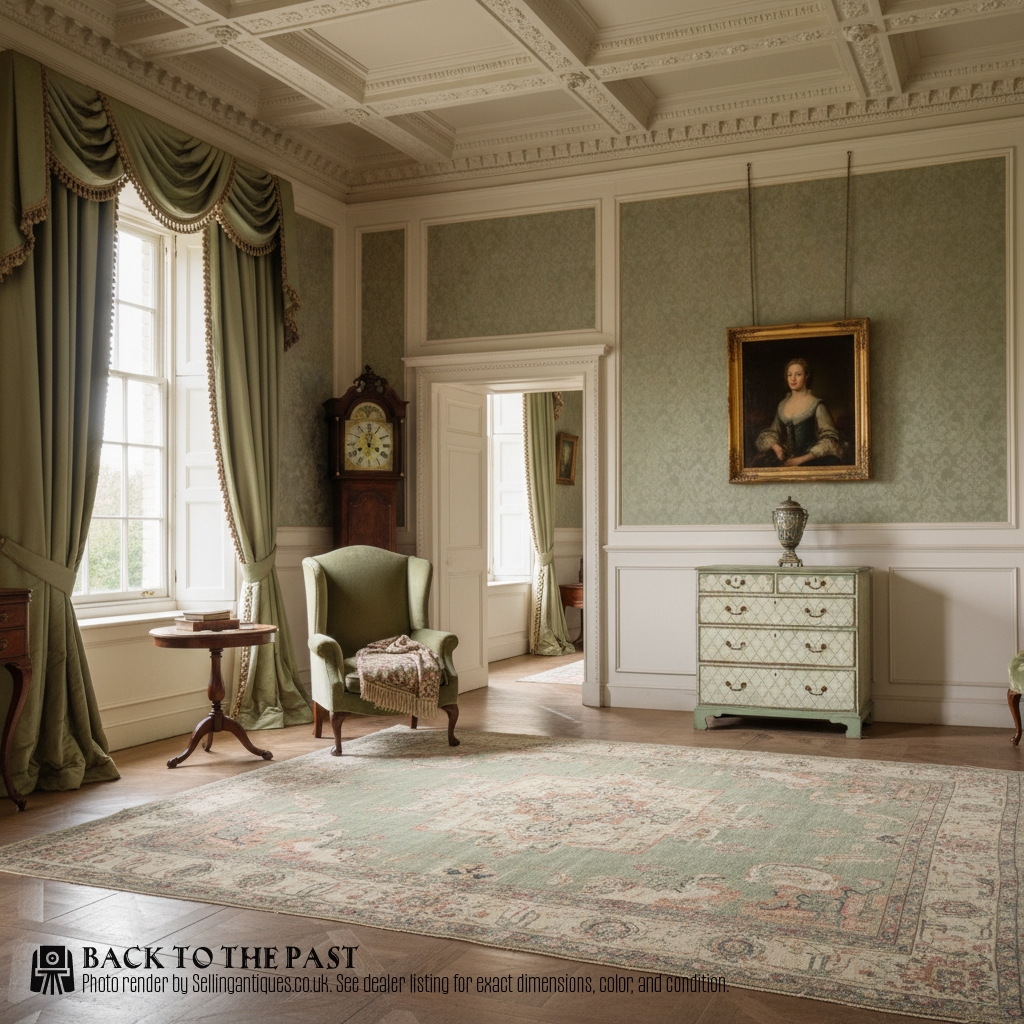
Georgian Style Painted Chest
A georgian style painted chest represents a broad tradition of timber storage furniture enhanced by decorative finishes, spanning periods from the eighteenth century into the twentieth century. Buyers seeking this look encounter serpentine commodes, bowfront chests, tallboys, and blanket boxes finished in various painted schemes.
The selection here encompasses items from the eighteenth and nineteenth centuries, alongside Victorian examples, Regency pieces, and later revivals up to the nineteen-thirties. Forms range from simple pine boxes to elaborate satinwood and Chinoiserie chests on chest.
Makers and decorators adopted regional English, French provincial, and Italian idioms, applying painted surfaces, simulated grain, and chequered patterns to timber carcases. These pieces served domestic storage needs in grand houses and country dwellings alike.
How They Were Made
Joiners constructed the structural carcases using solid timbers such as pine, walnut, and general wood, incorporating brass handles and iron fittings for operational hardware. Secondary woods supported internal drawer divisions and backing boards.
Surfaces received preparatory priming before artisans applied paint layers, hand-mixed pigments, and decorative motifs including Chinoiserie scenes or simulated grain. Protective varnishes sealed the painted finishes against daily handling.
One cheerful blanket box proudly wears a disguise, decorated specifically in the painted style of a grand manor house.
What Varies in Quality
The refinement of the painted decoration distinguishes simpler utility pieces from sophisticated cabinetwork, particularly where hand-painted Chinoiserie or intricate chequering appears. Finer examples display meticulous brushwork and cohesive integration between the decorative scheme and the underlying furniture form.
Structural integrity depends upon the joinery methods used for the drawer carcases, timber selection, and the survival of original brass or iron hardware. Pieces retaining their early painted surfaces without extensive modern repainting hold greater interest for collectors.
The Georgian Style Painted Chest Glossary
- Serpentine commode
- A chest of drawers or commode featuring a front with a concave centre flanked by convex ends, creating a undulating wave shape. This curved silhouette requires advanced cabinetmaking skill.
- Chinoiserie
- European artistic style reflecting Chinese motifs and decorative techniques, popular on eighteenth-century and revival painted furniture. Artisans depicted pavilions, figures, and landscapes in layered paint.
- Chest on chest
- A tall storage unit formed by a smaller upper chest stacked upon a larger lower base, often termed a tallboy. This configuration maximises vertical capacity while maintaining classical proportions.
- Bowfront
- A furniture front curving outward in a convex arc, commonly found on nineteenth-century chests of drawers. This profile softens rectilinear room layouts.
- Satinwood
- A yellowish exotic timber with a lustrous grain used for fine veneers and decorative banding on quality case furniture. It provides a bright surface for painted or polished finishes.
Georgian Style Painted Chest: Frequently Asked Questions
How do I date a painted chest?
Dating relies upon examining construction methods, timber types, and the composition of the paint layers applied to the carcase. Secondary woods and hardware styles provide further chronological clues.
Revival pieces from the Victorian era and the early twentieth century often imitate earlier eighteenth-century proportions, requiring close inspection of fixings and wear patterns.
Are these chests suitable for daily bedroom use?
Most chests offer deep drawer capacity suitable for clothing and domestic storage, functioning practically in modern interiors. Their robust timber construction accommodates regular handling.
Care should be taken to place them away from direct heat sources to protect the painted surfaces and prevent timber movement.
What is the difference between a commode and a chest of drawers?
The term commode frequently denotes a low, ornamental chest or cabinet originating from French furniture traditions, often featuring serpentine or bow fronts. Chest of drawers is a broader English term for stacking drawer units.
Both forms served similar storage functions in period bedchambers and reception rooms.
How should I care for an antique painted surface?
Preserving historic paint requires avoiding harsh chemical cleaners, abrasive cloths, and excessive moisture. Dusting gently with a dry, soft brush is usually sufficient.
Maintaining stable room humidity prevents the timber beneath from expanding, which can otherwise cause the paint layer to crack and flake.