

Vintage Painted Glass Art
Vintage painted glass art brings together delicate enamel work, reverse glass prints, and hand-painted panels from the Georgian era to the mid-twentieth century.
Vintage Painted Glass Art
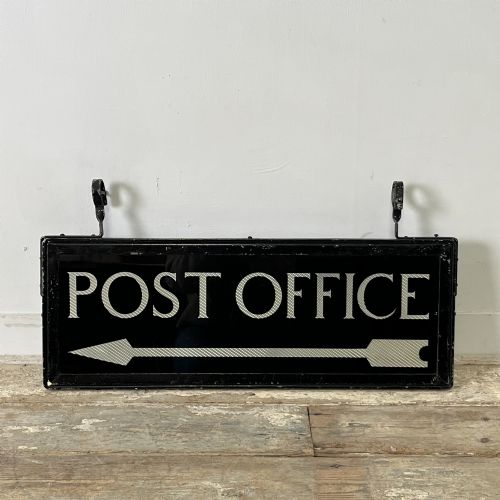
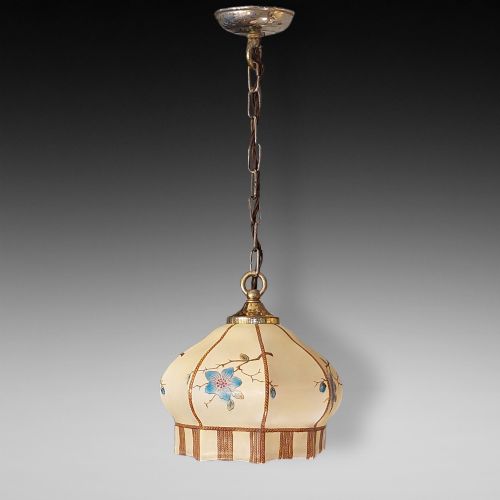
Vintage painted glass art encompasses decorative objects, functional vessels, and architectural panels bearing hand-applied pigment, enamel, or gold leaf. When searching for vintage painted glass art, buyers encounter varied forms ranging from domestic glassware and table lamps to directional signs and framed reverse-painted panels.
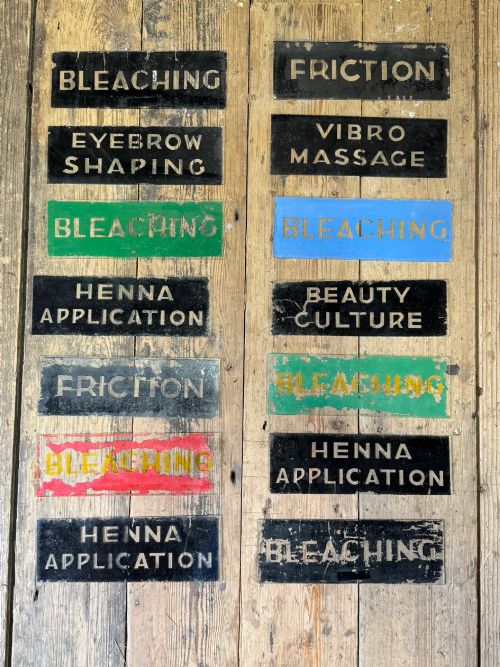
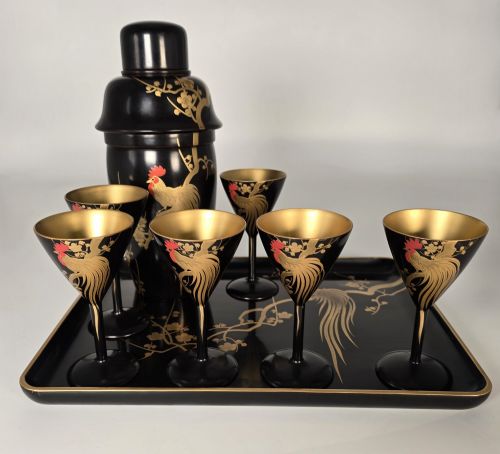
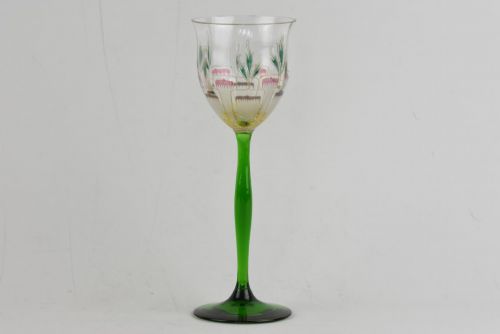
The selection on this page draws heavily from early twentieth-century production, particularly Art Deco and Art Nouveau aesthetics, alongside Victorian and Georgian examples. Items include wine glasses with enamel decoration, leaded windows featuring painted countryside scenes, and commercial reverse-painted glass signs.
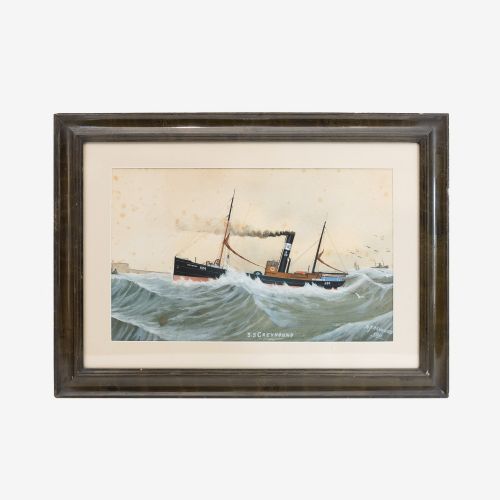
Folk art traditions also appear through diorama creations and reverse glass prints depicting domestic employment and portraiture. These pieces rely on the inherent translucency and smooth surface of glass to catch and refract ambient light through the pigment layers.
How they were made
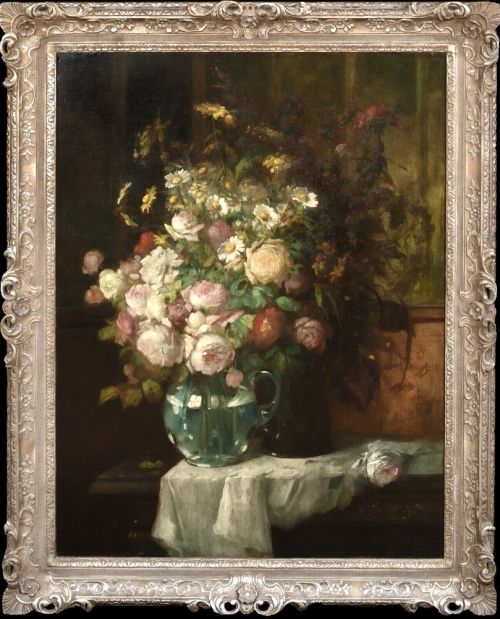
Maker application involved direct painting onto glass substrates, reverse painting where the image is rendered backwards on the rear surface to be viewed from the front, and enamel decoration fused to the vessel through heat. Artists utilised oil, tempera, watercolour, and gouache depending on whether the support was a framed panel, a paper backing sealed behind glass, or the glass itself.
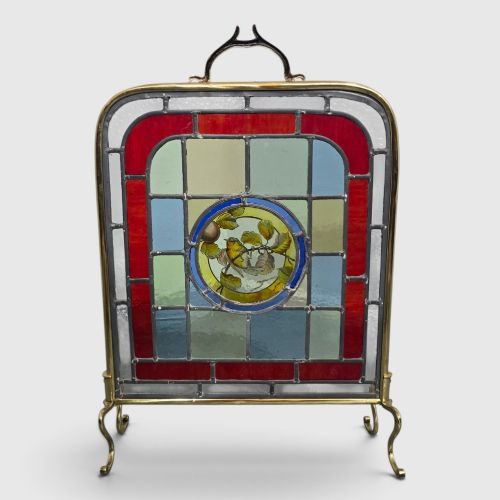
Leaded windows and panels combined cut glass segments held together by lead caming, often incorporating hand-painted scenic elements fired into the glass surface. Gilding with gold leaf and metallic finishes frequently supplemented the pigment to add reflective contrast and depth to the composition.
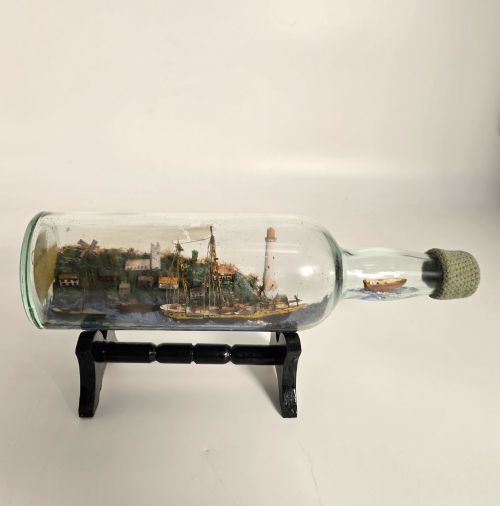
A persistent ship sails on forever inside a sealed bottle diorama dated 1922, alongside an enigmatic owl bird scarer.
What varies in quality
Quality rests upon the precision of the brushwork and the stability of the pigment against the glass substrate. Finer pieces demonstrate meticulous control in enamel work and reverse-painted detail, whereas simpler items rely on broader folk art execution.
The integration of materials also defines the tier of a piece, such as the clarity of crystal hock glasses paired with crisp enamel motifs versus heavier commercial signage. Preservation of the original painted surface without flaking or clumsy retouched areas determines the integrity of surviving examples.
The Vintage Painted Glass Art Glossary
- Reverse painting
- A technique where the artist paints the composition backwards on the rear side of a glass panel so the finished image appears correctly oriented from the front. This method protects the pigment from dust and physical contact.
- Enamel
- Opaque or translucent vitreous glass paste fused to a glass or metal surface by firing in a kiln. It provides vibrant, permanent colour decoration on tableware and decorative vessels.
- Eglomise
- A process of applying a thin sheet of gold or silver leaf to the reverse of glass, then scratching or painting designs into the metallic layer. It produces a reflective, mirror-like finish with delicate detailing.
- Caming
- Strips of lead shaped in profile to hold individual pieces of cut glass together in windows and panels. The flexible metal joints are soldered at intersections to form a rigid network.
- Diorama
- A three-dimensional miniature scene enclosed within a glass bottle or glazed case. These folk art constructions often depict maritime vessels with rigged sails and painted backgrounds.
Vintage Painted Glass Art: Frequently Asked Questions
What is reverse painted glass?
Reverse painted glass involves applying pigment to the back of a glass panel so the viewer sees the correct image through the front. Artists must paint fine details and foregrounds first, working backwards to the background layers.
This technique protects the delicate paintwork from environmental damage and handling. It appears frequently in antique signs, decorative plaques, and framed prints.
How do I clean painted glass art?
Painted glass surfaces require gentle treatment using a soft, dry microfibre cloth to remove dust. Moisture can seep beneath unprotected paint layers or lift fragile enamel decoration.
Avoid commercial glass cleaners and chemical solvents entirely, as these substances dissolve old binders and strip gold leaf. If liquid is strictly necessary, dab sparingly with a barely damp cloth.
How do I date antique painted glass?
Dating relies on stylistic clues, framing methods, and the type of glass substrate used in the piece. Art Deco and Art Nouveau geometric motifs or floral curves point towards the early twentieth century, while Georgian prints often feature specific domestic or maritime subjects.
Examine the reverse side and backing materials for maker signatures, paper labels, or framing hardware. Older pieces frequently display hand-blown glass irregularities, pontil marks, or aged lead caming.
Were these items meant for display?
Many painted glass objects served practical functions alongside their decorative appeal. Enamelled wine glasses, crystal hock sets, and cocktail items were manufactured for dining and entertaining.
Other pieces, such as commercial signs, fire screens, and leaded windows, fulfilled architectural or business roles. Over time, their decorative qualities transformed them into collectable display art.