

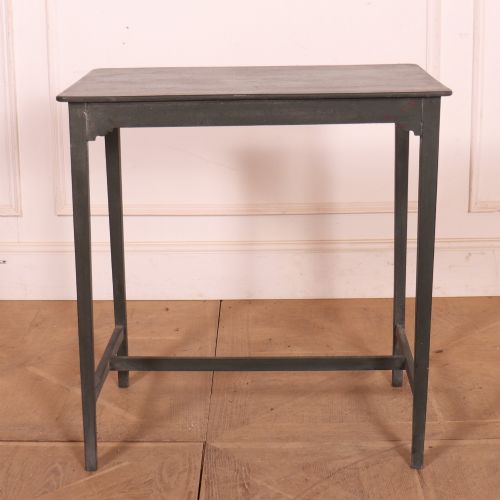

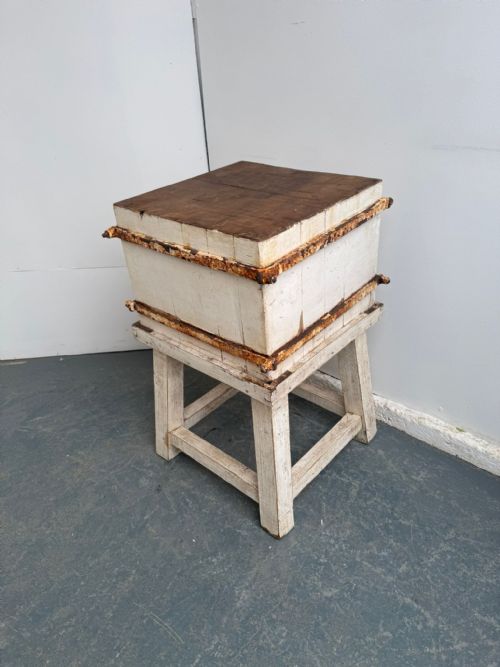
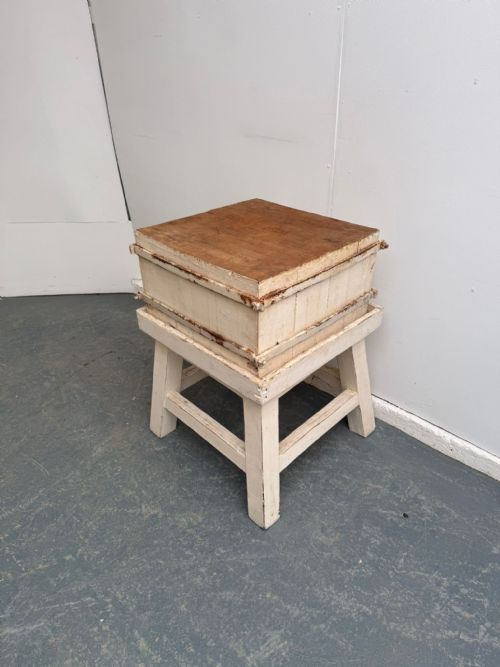


Vintage Painted End Table
A vintage painted end table brings colour and character to a room, offering a functional surface rooted in centuries of decorative cabinet-making.
Vintage Painted End Table
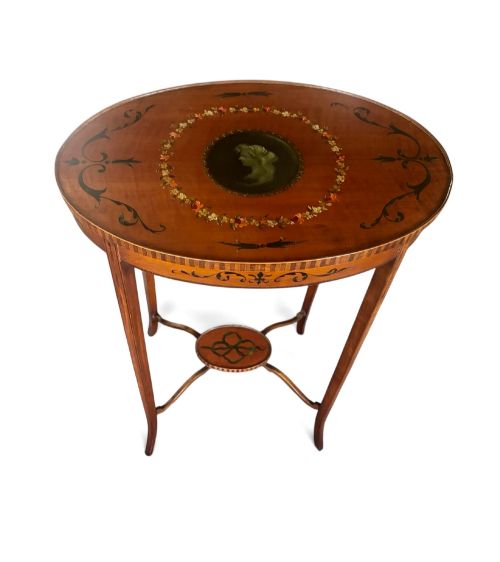
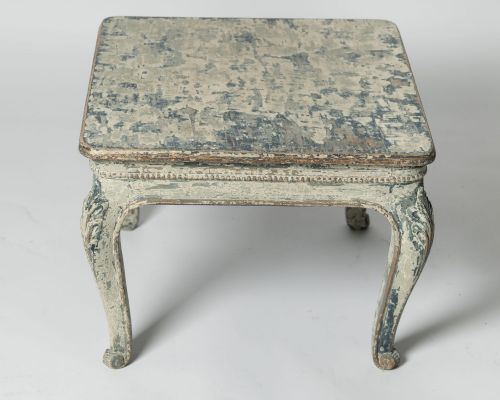
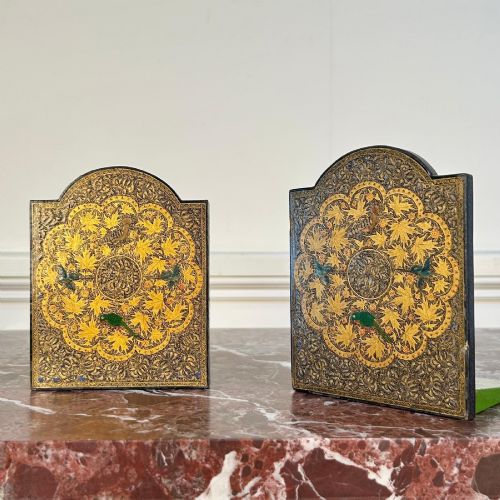
A vintage painted end table spans diverse historical periods from the eighteenth century through to the mid-twentieth century, encompassing styles such as English Country, French Provincial, Chinoiserie, and Kashmiri. Buyers seeking a vintage painted end table will encounter various forms including side tables, lamp tables, occasional tables, and nests of tables.
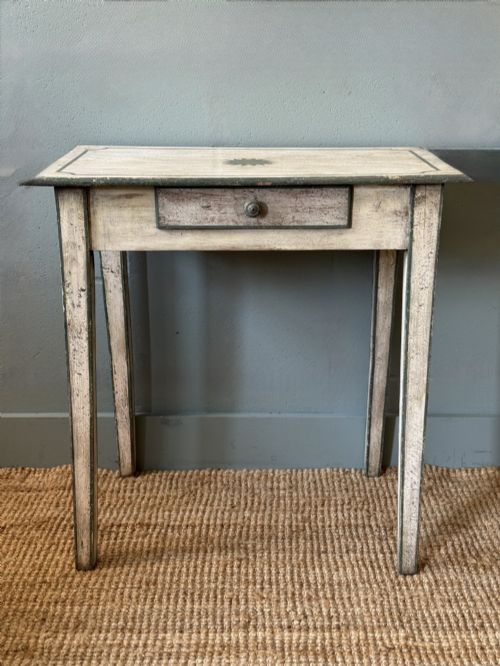
The selection ranges from early oak and pine tavern or cricket tables to refined Edwardian satinwood pieces and decorative Chinese lacquer work. These tables serve practical functions beside seating while introducing distinct regional painted finishes and woodwork into domestic interiors.
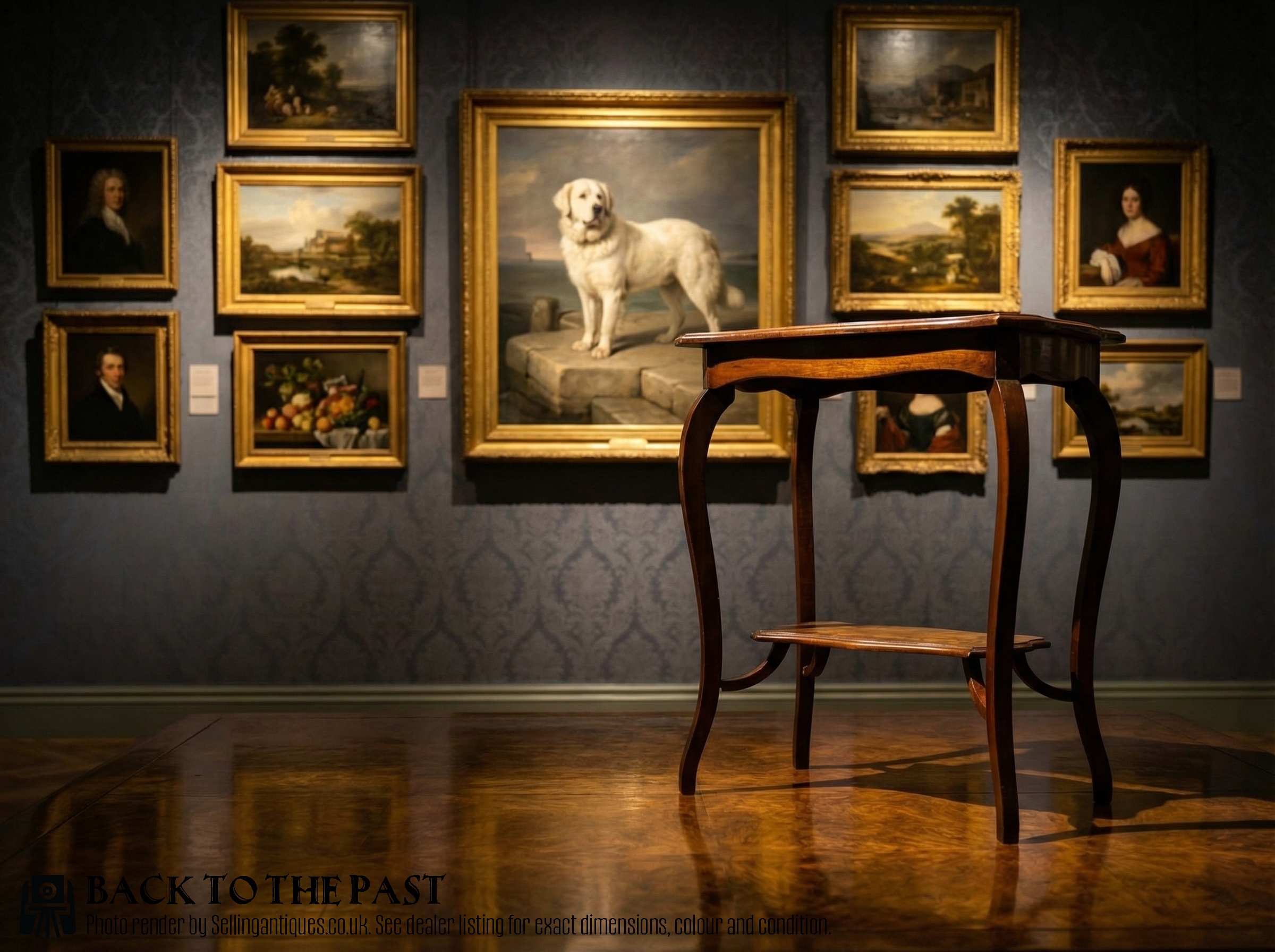
Materials and construction methods
Makers utilised solid timbers including pine, oak, fruitwood, and satinwood, frequently applying layers of paint, lacquer, or floral decoration directly to the wooden surface. Construction relies on traditional joinery techniques appropriate to each period, ranging from rustic cleated ends on pine planks to finer cabinet-making on occasional tables.
Surface ornamentation varies widely, incorporating hand-painted floral motifs, Chinoiserie designs, or intricate Kashmiri detailing. Some pieces integrate additional materials such as brass fittings or marble inserts atop the timber frames.
Vintage Painted End Table Retail Price Guide 2026
Typical asking prices for vintage painted end table among the pieces listed under this phrase on Sellingantiques today, from the lower quarter to the upper quarter. They describe what is for sale here now, not the wider market.
Distinguishing quality in painted tables
Quality rests in the integrity of the timber frame and the skill evident in the painted decoration, whether a simple rustic pine finish or detailed Chinoiserie work. Originality of the surface paint and the harmony of the proportions dictate the standing of an individual piece.
Subtlety in the execution of decorative motifs and the preservation of the original painted surface separate standard utility items from finer decorative examples.
The Vintage Painted End Table Glossary
- Lamp table
- A small occasional table designed specifically to hold a lamp beside a seating area. These compact pieces form a large portion of the available selection.
- Chinoiserie
- European decorative style inspired by Chinese art and traditions, featuring painted motifs such as figures, landscapes, and floral patterns. It appears frequently on nests of tables and cabinets.
- Cricket table
- A small, light three-legged table originating in early periods for domestic use. The three legs provide stability on uneven floors.
- Lacquer
- A durable varnish made from natural resin applied in multiple coats and polished to a hard finish. Often seen on Asian-influenced side tables.
- Satinwood
- A lustrous, yellow-brown timber native to India and Ceylon, utilised for fine cabinet-making during the Edwardian period.
Vintage Painted End Table: Frequently Asked Questions
What is a vintage painted end table used for?
These tables provide a convenient surface for lamps, books, or drinks beside a sofa or bed while adding a decorative element to the room.
Their compact size allows them to fit easily into corners or smaller spaces throughout the home.
How do I identify the period of a painted table?
Dating relies on examining the timber species, construction joints, and the style of the painted decoration. Eighteenth-century pieces typically show simpler pine or oak frames, whereas Edwardian examples often feature satinwood.
Stylistic cues such as Chinoiserie motifs or French Provincial curves also point toward specific design eras.
Are painted end tables durable for daily use?
Most pieces are constructed from solid timbers like pine, oak, or fruitwood, making them structurally robust for everyday placement.
Care should be taken with the painted or lacquered surfaces to protect against moisture and heavy impacts.
What styles of painted end tables exist?
The selection includes English Country, French Provincial, Chinoiserie, Kashmiri, and rustic farmhouse designs. Each style brings distinct regional characteristics and paint techniques.
From simple Scandinavian pine to intricate Chinese lacquer, the variety reflects traditional craftsmanship across different cultures.