
Vintage Padded Stool
These vintage padded stool examples bring period comfort and versatile seating to any room, spanning centuries of craftsmanship.
Vintage Padded Stool
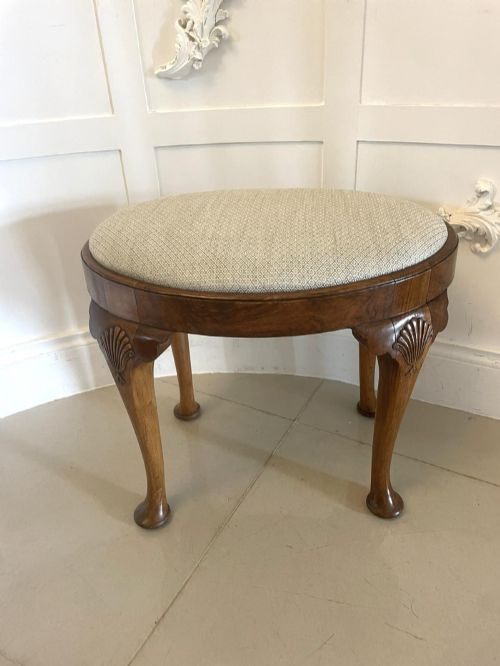
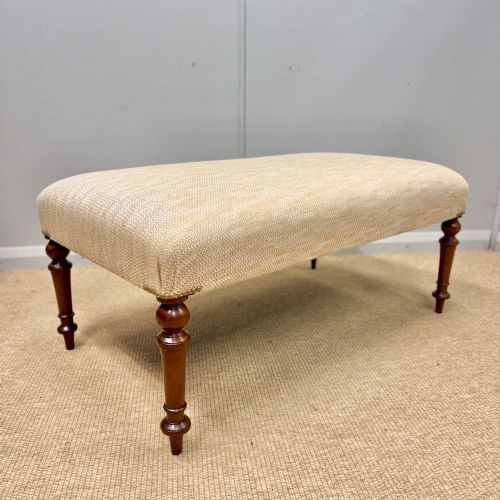
A vintage padded stool encompasses a broad category of low seating designed for comfort and utility, ranging from small footstools to grand piano stools and dressing table seats. Buyers exploring this selection encounter diverse forms tailored for specific domestic spaces, including large centre stools and ottoman styles.
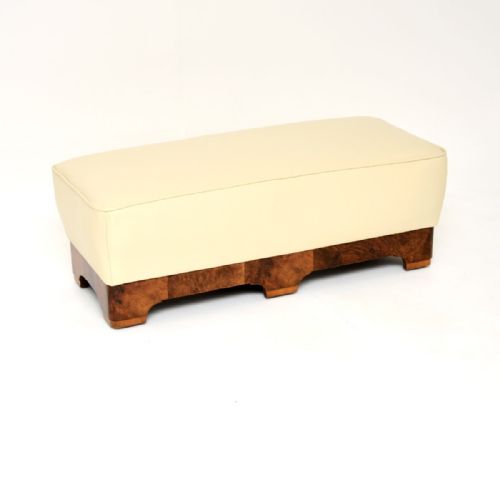
The pieces appearing here predominantly trace their origins to the nineteenth and early twentieth centuries, covering Victorian, Edwardian, and Art Deco periods. Walnut and mahogany frame woods predominate, whilst various revivals such as Queen Anne style and Georgian revival influence the structural designs.
Materials and construction methods
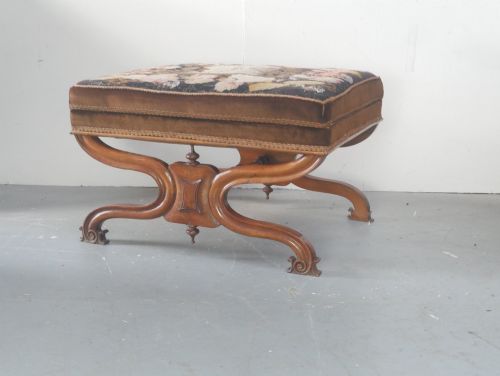
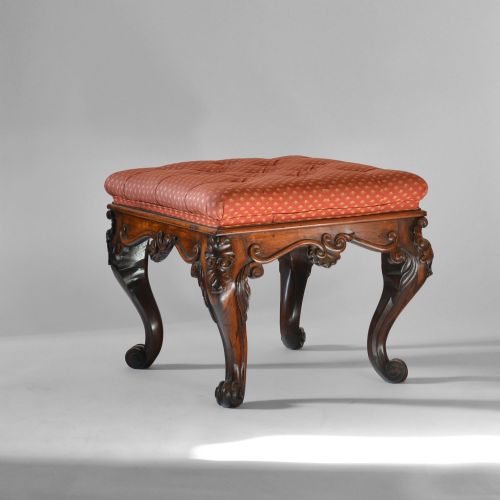
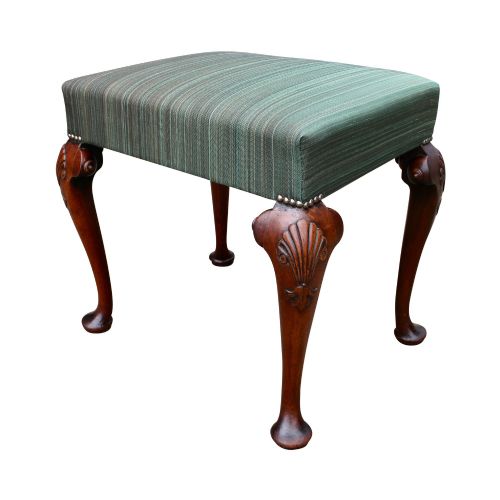
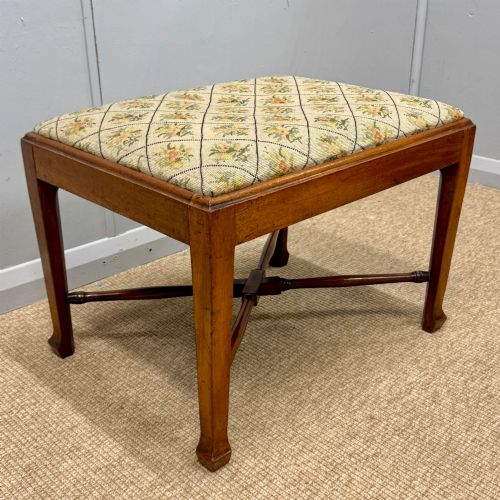
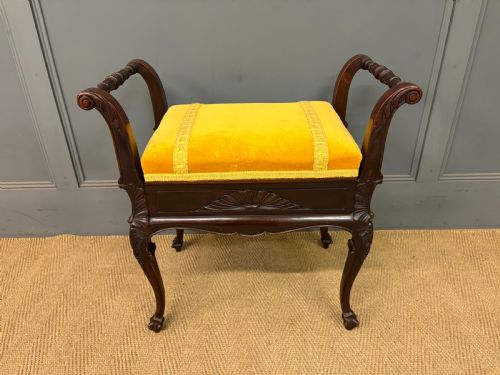
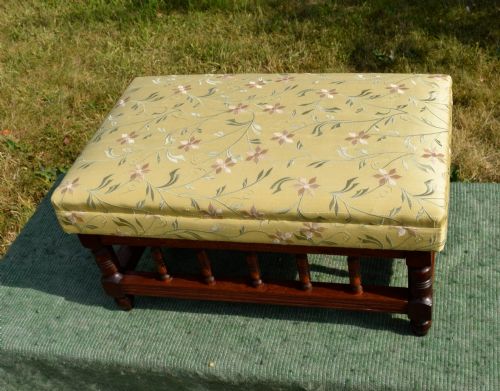
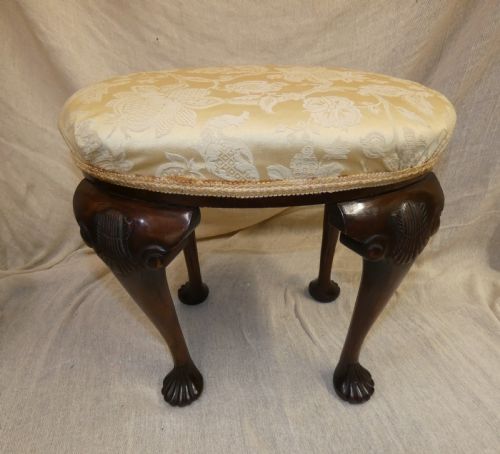
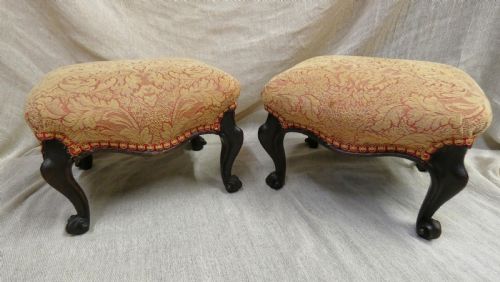
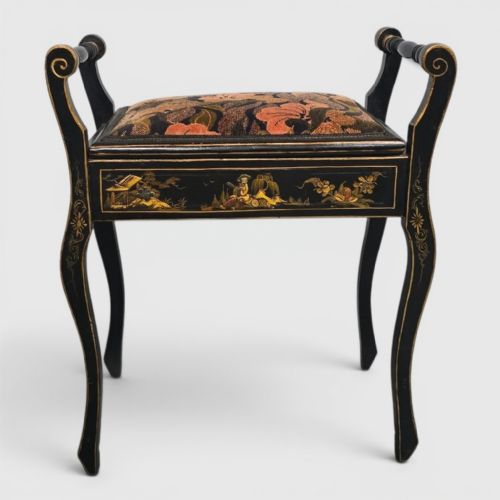
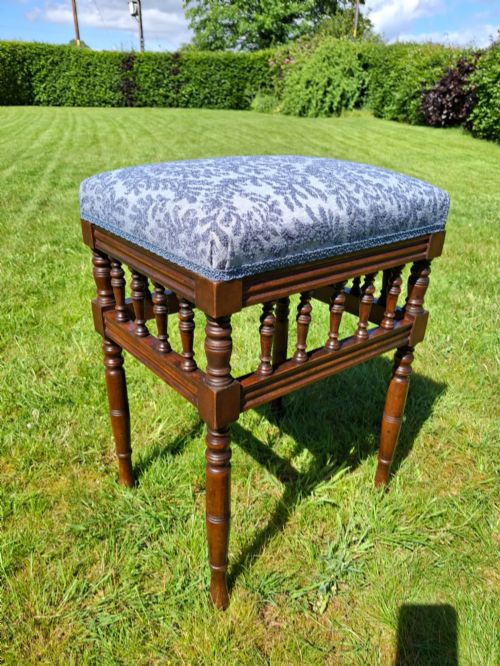
Cabinetmakers constructed the supportive frames using hardwoods like walnut, mahogany, and rosewood, often incorporating carved cabriole legs, cross stretchers, or twisted rope legs. Some examples feature specialised finishes including black lacquer for Chinoiserie aesthetics or intricate inlay work.
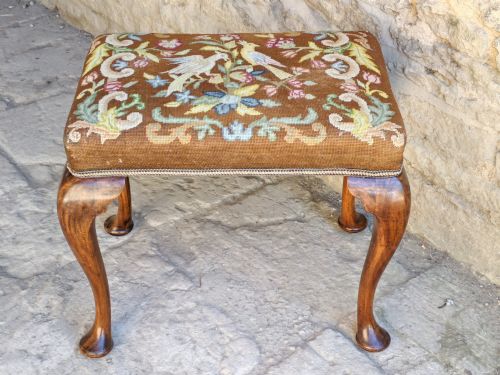
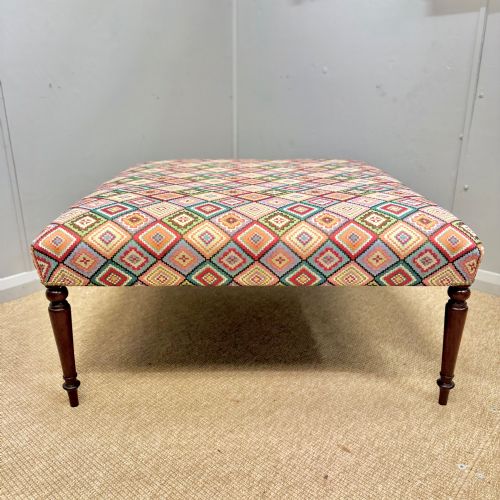
Upholstery methods provide the padding essential to each piece, utilising diverse textile coverings including velvet, leather, tapestry, needlepoint, and contemporary fabric choices. Buttoning techniques and geometric patterns frequently finish the padded surfaces above the wooden underframes.
Listings feature woods spanning mahogany, walnut, rosewood, and burr walnut alongside decorative brass accents.
Distinctions in craftsmanship and finish
The refinement of the wooden framework dictates much of the distinction, separating standard utility items from pieces displaying superior carving, sophisticated joinery, and sculptural elements like cabriole legs. The choice of timber grain, such as burr walnut or figured mahogany, elevates the visual presence of the frame.
Upholstery integrity and the fidelity of period styling also determine overall merit. Pieces that retain harmonious proportions, thoughtful textile selection, and careful execution of revival styles command greater appreciation among discerning buyers.
The Vintage Padded Stool Glossary
- Cabriole leg
- A furniture leg that curves outward and then tapers inward, mimicking an animal's curving leg. This form appears frequently on Victorian and revival stools.
- Piano stool
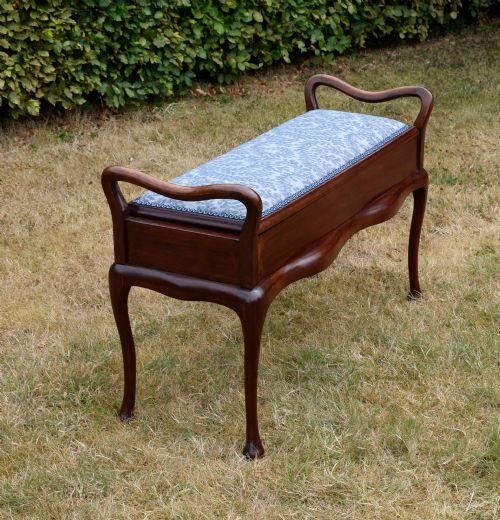
- A seat specifically designed for use at a keyboard instrument, often featuring adjustable height mechanisms or dual seating capacity. Edwardian and nineteenth-century examples frequently adopt this form.
- Needlepoint
- A type of canvas work embroidery used historically to cover the padded tops of footstools and dressing stools. It provides durable and decorative textile surfaces.
- Cross stretcher
- Horizontal wooden braces connecting the legs of a stool near the base to increase structural stability. They often feature decorative turnings or twists.
- Chinoiserie
- European decorative style reflecting Chinese artistic influences, characterised by black lacquer finishes and hand-painted motifs. It appears on select Edwardian piano stools.
Vintage Padded Stool: Frequently Asked Questions
Where should I place a vintage padded stool?
These versatile seats fit comfortably at the foot of a bed, beside a fireplace, or positioned in front of a dressing table. Their compact footprint allows them to move easily between rooms as needed.
Larger centre stools and ottomans work well as central coffee table alternatives in a living room, providing both a surface for trays and extra seating.
How do I care for the upholstered top?
Regular gentle vacuuming with a soft brush attachment removes dust from fabric, velvet, and tapestry surfaces. Leather sections benefit from occasional conditioning to maintain their suppleness.
Avoid placing padded seats in direct sunlight to prevent the textile colours and wood finishes from fading over time.
How can I tell a Victorian stool from an Edwardian one?
Victorian examples often display heavier carved walnut or mahogany frames with deep buttoning and rich needlepoint or velvet upholstery. They tend to prioritize solid presence and ornate details. *Edwardian pieces frequently showcase lighter proportions, occasional inlay work, or black lacquered Chinoiserie finishes that reflect changing early twentieth-century tastes.
Can these stools support regular daily seating?
Most solid wood frames built from mahogany or walnut offer robust structural integrity suitable for everyday use. Checking the joinery ensures the piece remains steady under weight.
Pieces with newly upholstered padding provide reliable comfort, though historical frames appreciate mindful handling to preserve their antique joints.