
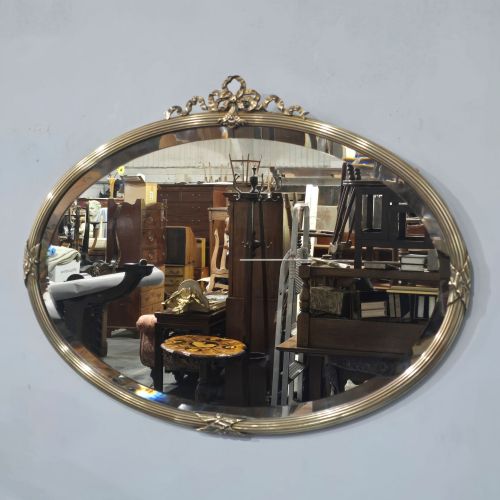

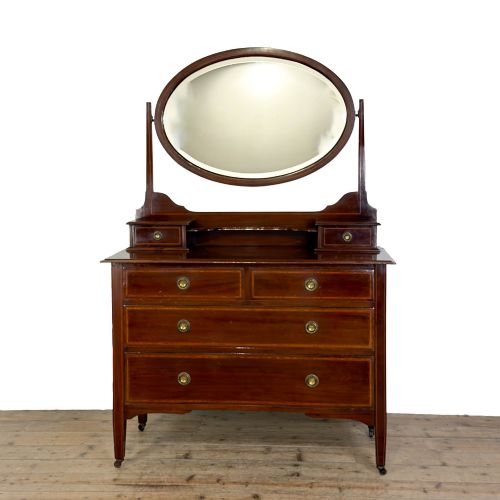

Vintage Oval Vanity Mirror
A vintage oval vanity mirror offers graceful curves and reflective depth, bringing classic character to dressing tables and hallways alike.
What these pieces are
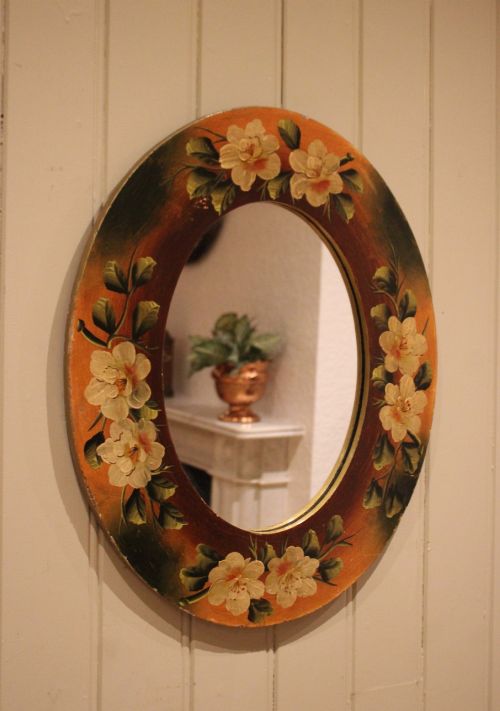
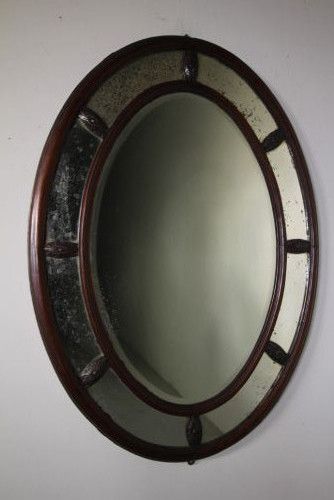
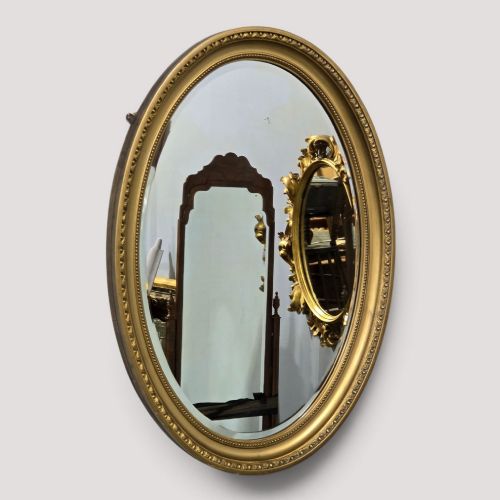
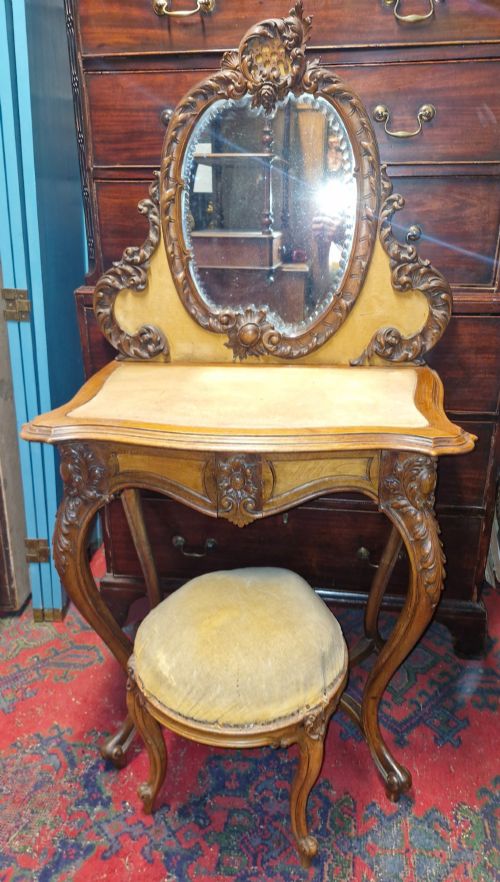
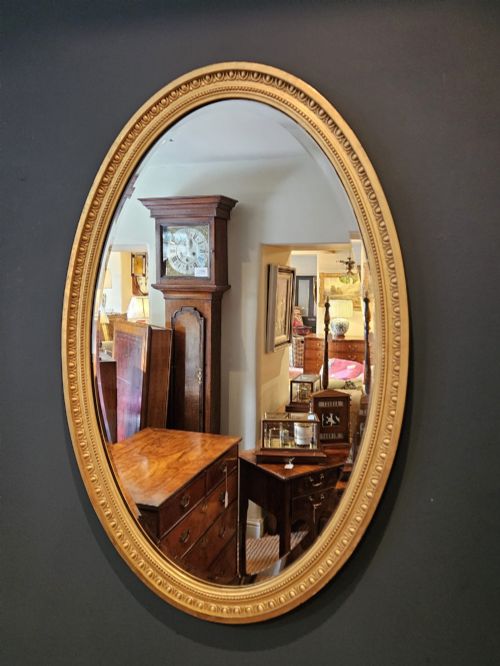
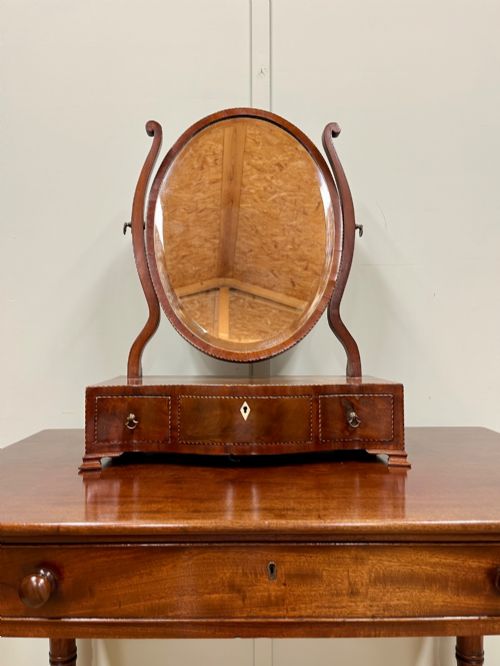
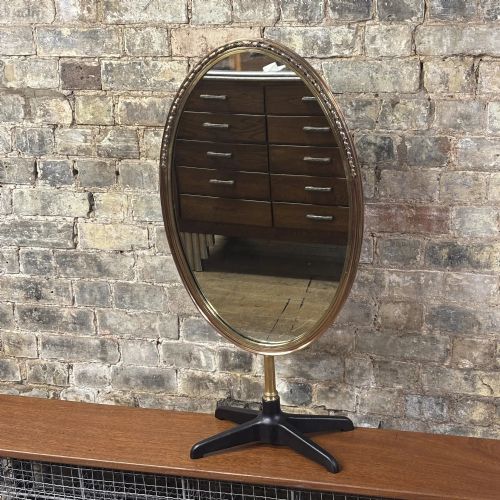
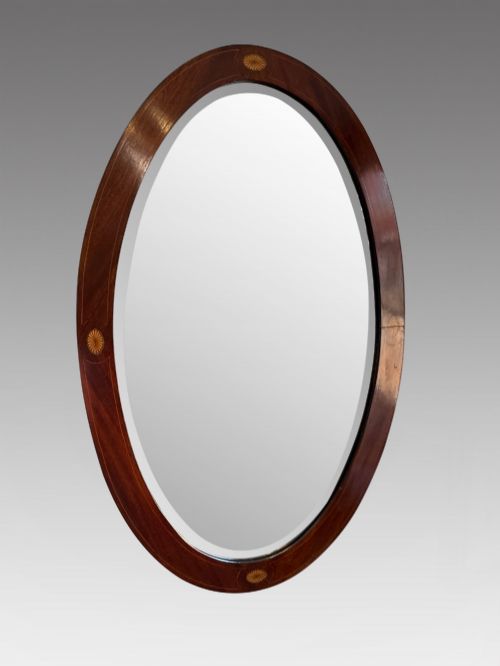
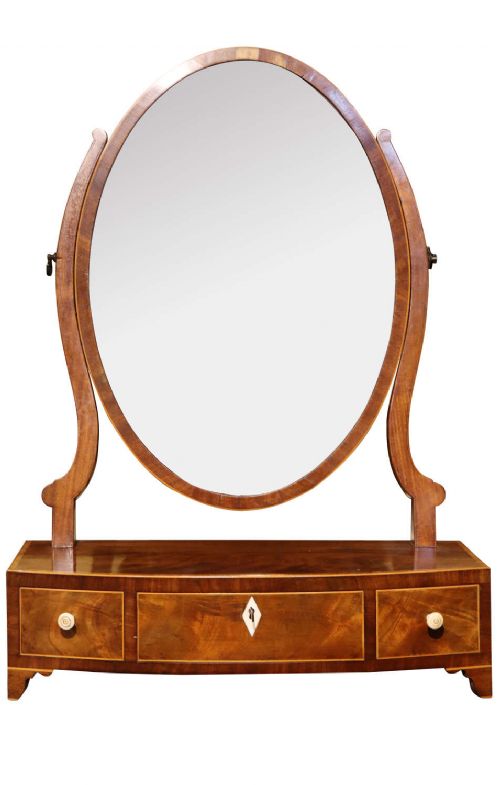
A vintage oval vanity mirror encompasses nineteenth-century and Victorian wall-hanging pieces designed for reflection and domestic adornment. These items typically feature elongated or rounded frames shaped from beech wood or gilded timber.
The versions most commonly encountered on this page date from the nineteenth century, including pieces specifically attributed to the Victorian era and the year 1880. Surviving forms range from small beech wood wall mirrors to enormous overmantle installations.
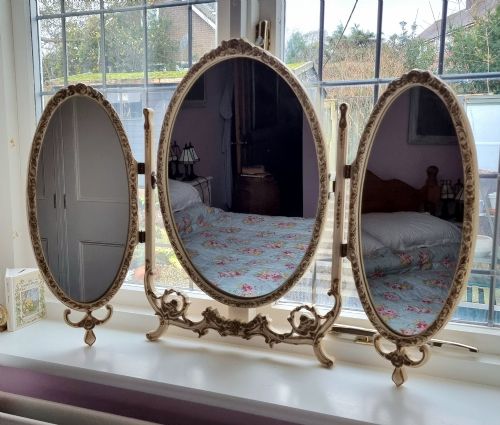
Makers and artisans of these periods drew upon styles such as Rococo Revival, Grand Regency, and Art Nouveau to shape the framing around the glass. Buyers seeking a vintage oval vanity mirror will find that these decorative objects function equally well in hallways, living rooms, and dressing spaces.
How they were made
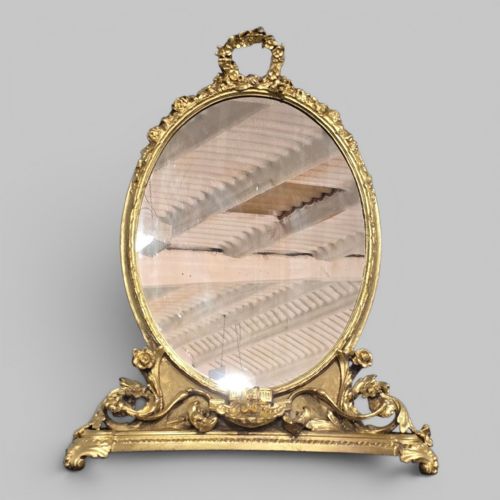
Makers constructed the primary structures of these mirrors using solid beech wood and general timber frames, sometimes enhanced with wood veneer. Gesso and giltwood layers were then applied to create ornate surface ornamentation and gilded finishes.
Traditional glass plates were fitted securely into carved or moulded wooden surrounds, utilising techniques typical of nineteenth-century frame makers. The combination of gilded surfaces and substantial timber provided both durability and decorative visual weight.
Retail Price Guide 2026
Typical UK retail prices for vintage oval vanity mirror, calculated from the Sellingantiques database of over a million retail prices indexed since 2003. This retail price guide relies exclusively on Sellingantiques data; no external sources or auction records are used, so the figures do not describe the wider market.
Styles represented across the available inventory include Rococo Revival, Grand Regency, and Art Nouveau.
What varies in quality
The distinction between standard examples and the top of the range lies in the depth and intricacy of the carving within the giltwood and gesso frames. Finer pieces display crisp ornamentation and sophisticated stylistic references to Regency and Rococo Revival design.
Material selection also dictates overall quality, with dense hardwoods like beech forming robust structures that hold elaborate gilding more successfully over time. The clarity and preservation of the original glass plate further separate ordinary mirrors from exceptional collector pieces.
The Vintage Oval Vanity Mirror Glossary
- Giltwood
- Wood that has been coated with gold leaf or a gold-coloured preparation. This finish provides a luminous and decorative surface characteristic of nineteenth-century framing.
- Gesso
- A plaster-like material applied to wooden frames and moulded into intricate decorative reliefs before gilding. It allows for highly detailed ornamentation.
- Overmantle
- A large mirror designed to be hung specifically above a fireplace mantelpiece. These pieces often feature grand proportions and ornate framing.
- Beech
- A hard, light-coloured timber utilised for furniture and mirror framing due to its strength and ability to take fine details. It forms the structure of several smaller wall mirrors.
- Rococo Revival
- A nineteenth-century design style characterised by asymmetrical scrolls, plant motifs, and ornate curves. It heavily influences the decorative framing of Victorian mirrors.
Frequently Asked Questions
How do I hang a heavy giltwood mirror safely?
Heavy nineteenth-century mirrors require secure wall fixings anchored directly into structural studs or masonry. Professional mirror hangers utilise heavy-duty brackets rated to support the combined weight of the timber and glass.
Ensuring the hanging wire or integrated D-rings are robust prevents structural strain over time. Regular checks of the wall fixings maintain long-term safety in domestic settings.
What is the difference between Victorian and Regency styles?
Victorian mirror frames often display heavier ornamentation and eclectic revivals of earlier historical periods. Regency and Grand Regency designs tend to feature cleaner classical lines, reeded details, and architectural symmetry.
Recognising these decorative motifs helps date the manufacturing period of the frame. Craftsmanship techniques also evolved between the early nineteenth century and the later Victorian era.
How should I clean an antique gilded frame?
Gilded surfaces require gentle dusting with a soft, dry brush to remove particles without disturbing the delicate gold leaf. Moisture and chemical cleaners must be avoided entirely to prevent stripping the historic finish.
Preserving the original gesso and gilt layers maintains the authenticity of the piece. Professional conservation is recommended for deeply soiled or flaking frames.
Where is the best room to place an oval mirror?
Oval mirrors suit narrow hallways by reflecting light and creating an illusion of expanded space. They also function naturally above dressing tables or sideboards as functional focal points.
Positioning the glass away from direct, harsh sunlight protects the timber and backing over decades. The curved shape softens angular architectural rooms.