
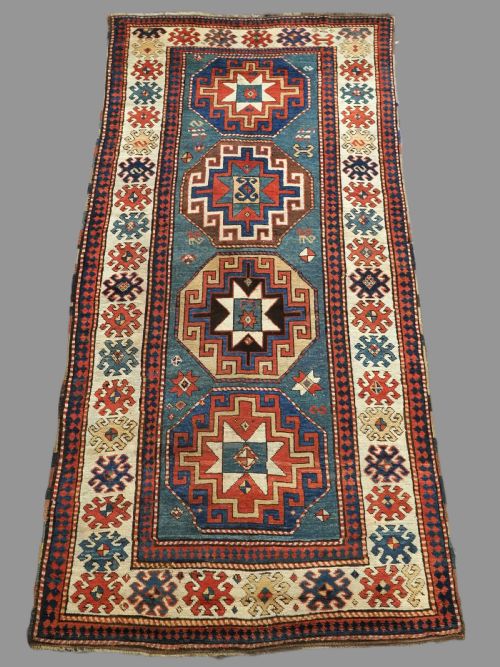
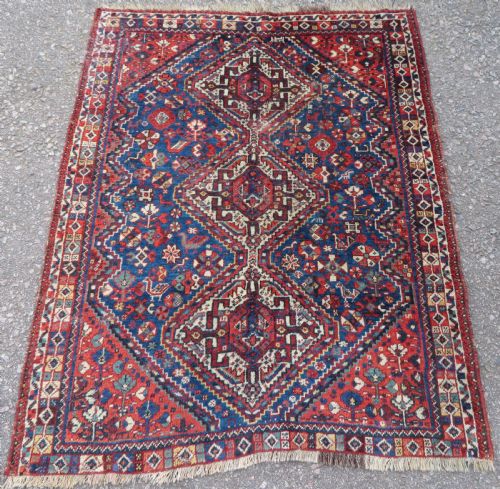
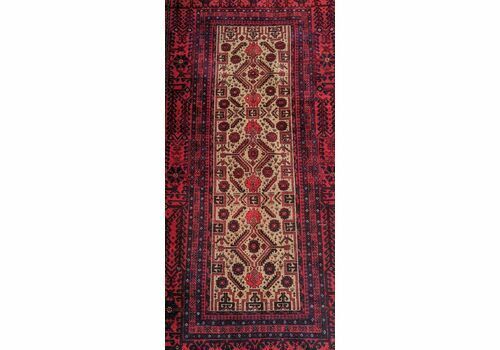
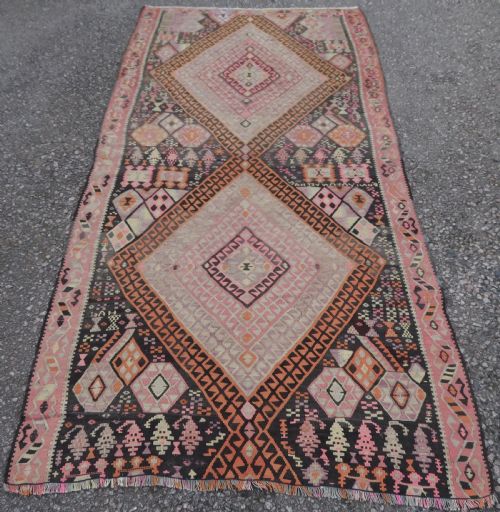
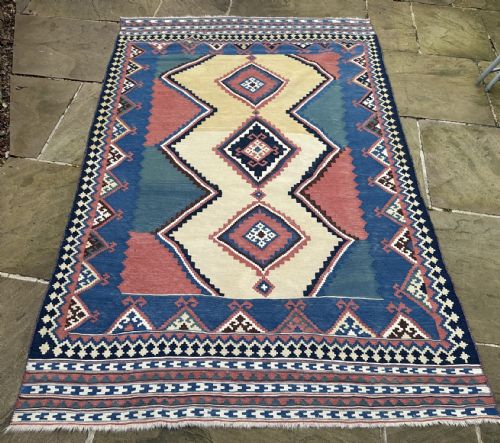
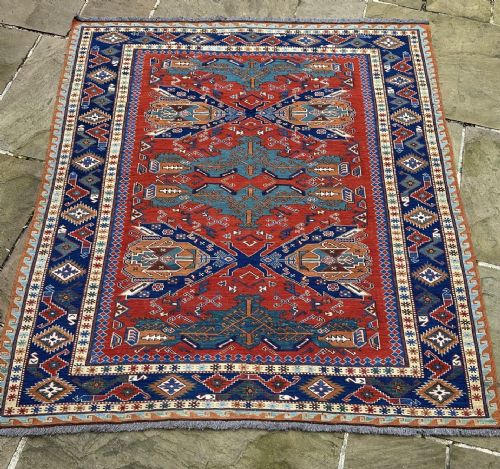
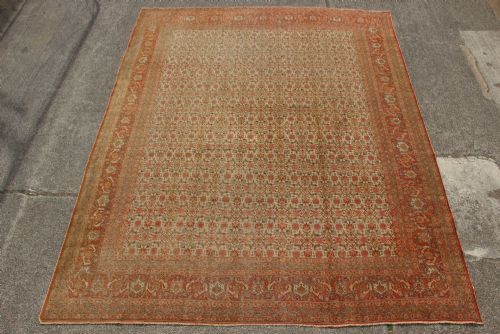




Vintage Oriental Woven Rug
A vintage oriental woven rug brings centuries of tribal and regional artistry directly to your floor.
Vintage Oriental Woven Rug
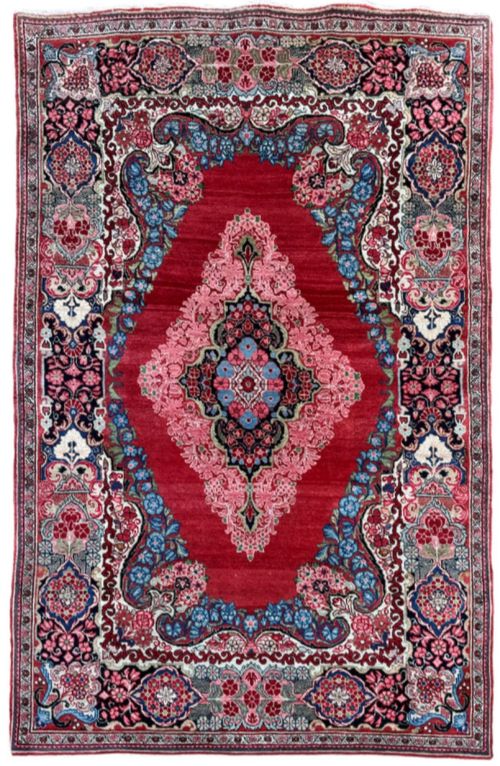
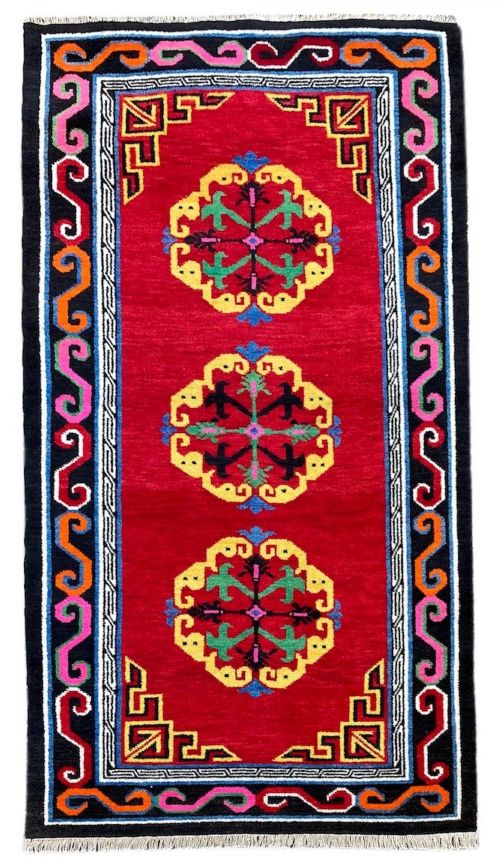
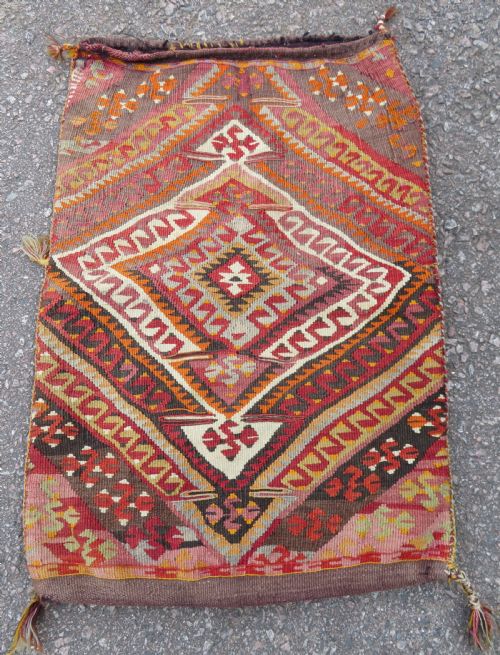
When you search for a vintage oriental woven rug, you encounter floor coverings originating from Persia, the Caucasus, Tibet, and Turkey, spanning the late nineteenth century through to the 1930s. These pieces include large carpets, area rugs, hallway runners, and smaller tribal textiles such as saddle bags and cushions.
The selection here draws heavily on Persian production, featuring specific regional styles like Heriz, Mahal, Hamadan, and Bakhtiar, alongside Caucasian Kazak pieces and Tibetan examples. Buyers meet both grand city carpets designed for country houses and robust tribal weaves created by nomadic groups.
How They Were Made
These textiles rely primarily on natural wool, cotton foundations, and occasionally hand-spun wool or silk highlights. Weavers knotted or wove these materials by hand on upright looms, employing traditional dyeing methods to achieve deep reds, rust backgrounds, and mellow secondary tones.
Structural integrity stems from dense knotting and sturdy cotton or wool warps and wefts. Tribal and village weavers utilised local fleeces, resulting in tactile surfaces that handle daily domestic use.
Nomadic weavers occasionally included tiny intentional errors in their geometric patterns to ward off the evil eye.
What Varies in Quality
Quality rests upon the fineness of the weave, the clarity of the design motifs, and the depth of the wool pile. Tighter knot counts allow for sharper geometric patterns in Caucasian pieces and more intricate curves in Persian town carpets.
The integrity of the original dyes and the retention of complete borders also dictate standard. Pieces exhibiting balanced proportions and well-preserved structural edges command greater attention from collectors.
The Vintage Oriental Woven Rug Glossary
- Warp
- The vertical threads stretched on a loom that form the foundational skeleton of the rug. Fringe ends typically emerge from these parallel strands.
- Weft
- The horizontal threads passed through the warp threads to bind the knots in place. This structure secures the pile of the textile.
- Pile
- The upright surface of the rug formed by the cut ends of knotted yarn. Its density affects the weight and durability of the piece.
- Kilim
- A flat-woven textile produced without a raised pile. These items serve as floor coverings or utilitarian bags.
- Runner
- A long, narrow carpet format intended for hallways and corridors. Such dimensions appear frequently in Tibetan and Anatolian production.
Vintage Oriental Woven Rug: Frequently Asked Questions
How do I clean a vintage rug?
Professional specialist washing is essential for wool and silk textiles of considerable age. Standard domestic cleaning methods risk damaging organic dyes and fragile foundations.
Gentle surface vacuuming without a rotating power brush helps remove everyday dust. Keeping the rug out of direct, harsh sunlight preserves the natural tones of the wool.
Can I place these rugs in hallways?
Many specific formats within this category, such as hallway runners and narrow village weaves, suit heavy traffic areas. Their durable wool construction withstands regular footfall.
Using an appropriate underlay prevents slipping and cushions the foundation against hard flooring. This practice extends the active lifespan of older textiles.
How do I identify a tribal rug?
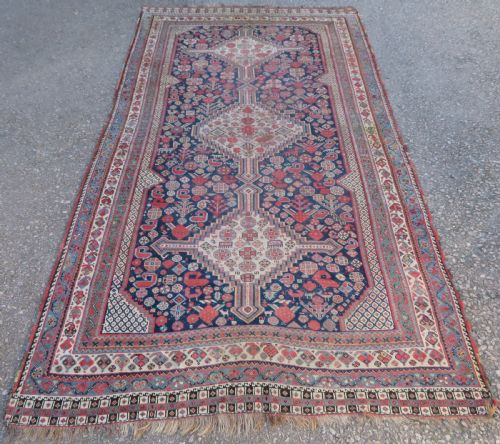
Tribal pieces usually display bold geometric medallions, repeating animal or plant motifs, and spontaneous colour shifts within the field. These designs reflect nomadic traditions rather than formal urban workshops.
Originating from groups such as the Qashqai, Kurdish, or Turkmen weavers, they often possess an endearing asymmetry. The handle of the wool tends to feel robust and rustic.