

Antique Woven Textile Carpet
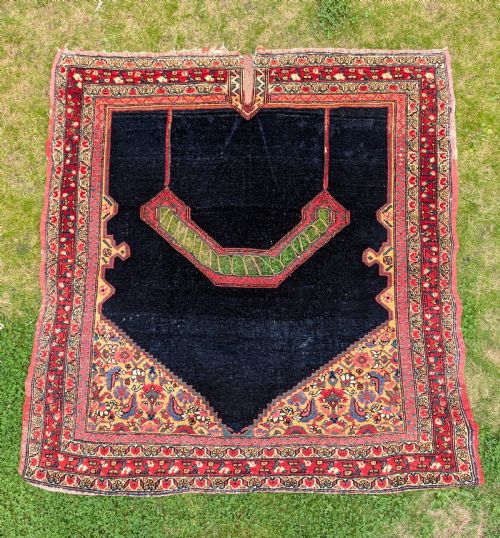
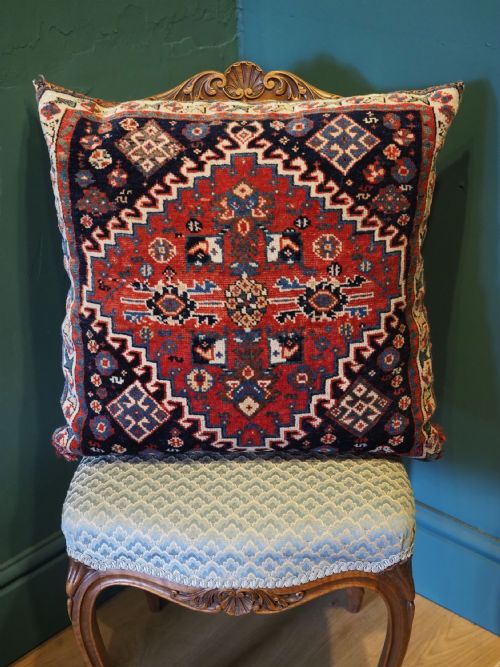
When you search for an antique woven textile carpet, you explore tribal rugs, saddle covers and bags woven across Central Asia, Persia and the Caucasus.
Antique Woven Textile Carpet
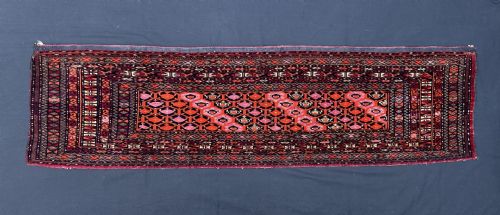
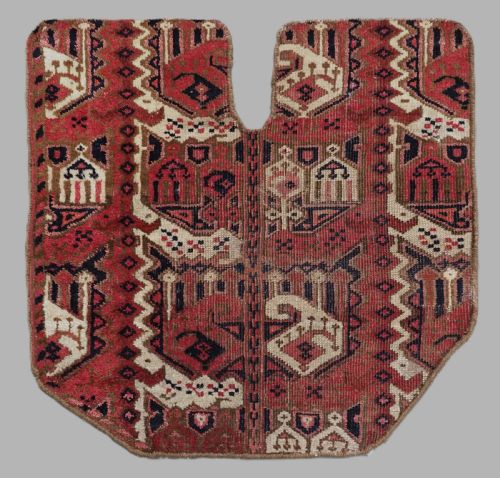
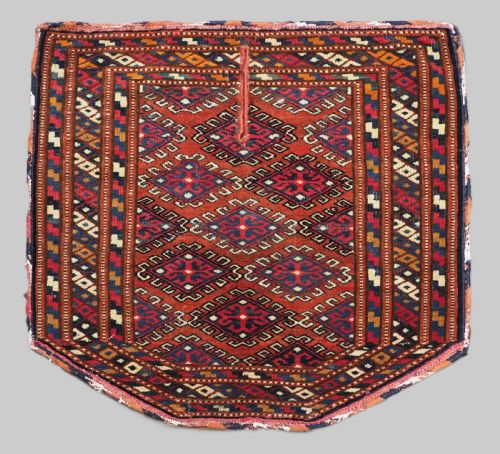
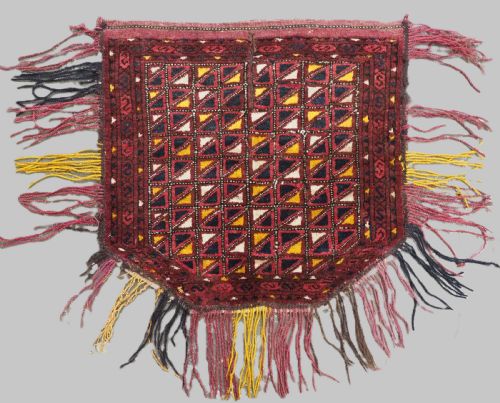
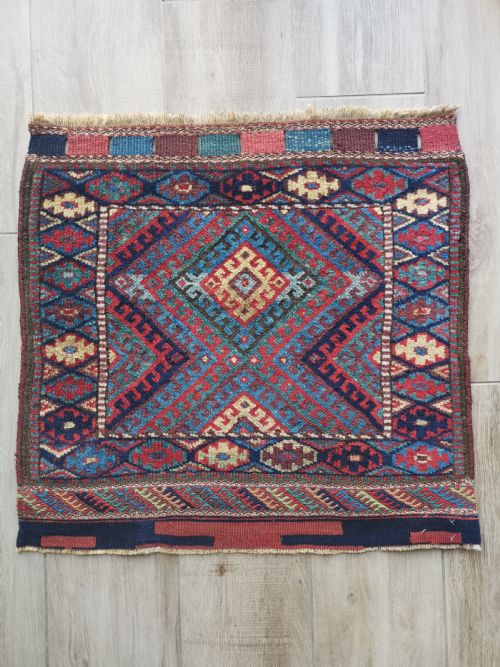
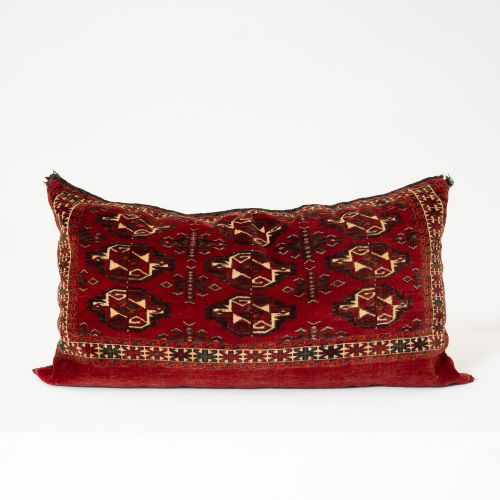
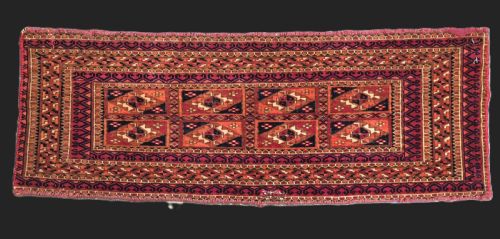
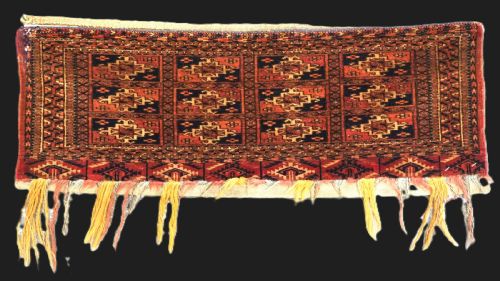
An antique woven textile carpet encompasses nomadic and tribal rug production, primarily originating from Turkmen groups like the Tekke, Yomut and Ersari, alongside Persian and Caucasian makers. The objects appearing on this page span from the mid-nineteenth century into the early twentieth century, reflecting traditional village and tribal artistry.
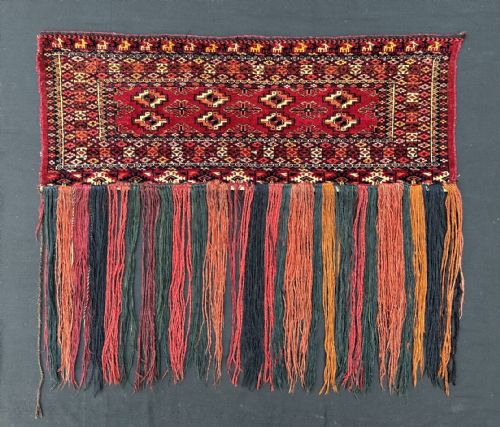
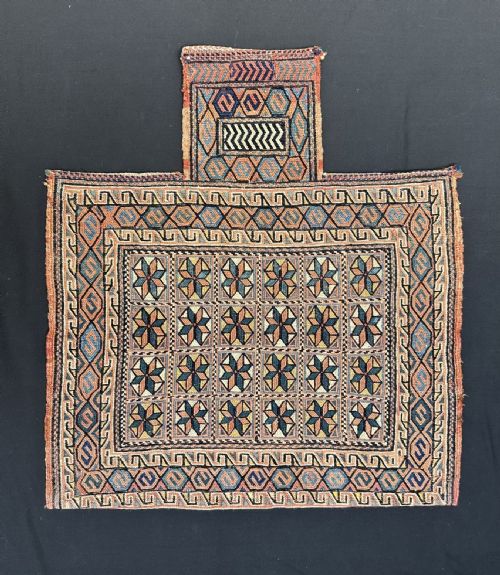
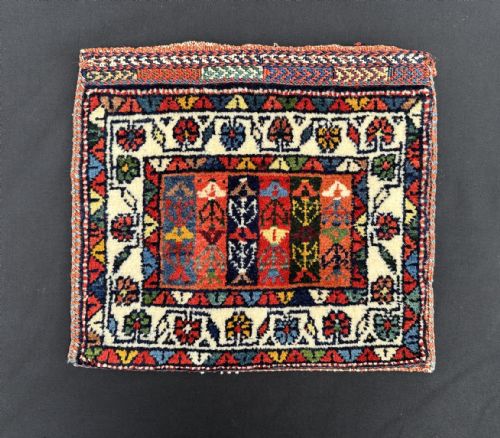
Buyers will frequently encounter smaller formats rather than room-sized floor coverings, including torbas, chuvals, saddle covers, bags and asmalyks. These smaller utilitarian items served practical nomadic functions within tribal life while displaying intricate tribal motifs and geometric layouts.
The regional variety extends from the Merv and Amu Darya regions of Turkmenistan to South Persia and the Caucasus, showcasing distinct tribal patterns such as guls, curled leaf designs and banded flatweaves.
Materials and Construction
The construction of these pieces relies predominantly on wool, incorporating both hand-spun wool and cotton foundations depending on the specific tribal origin. Weavers utilised natural dyes to achieve rich colour palettes across the various rugs, bags and covers.
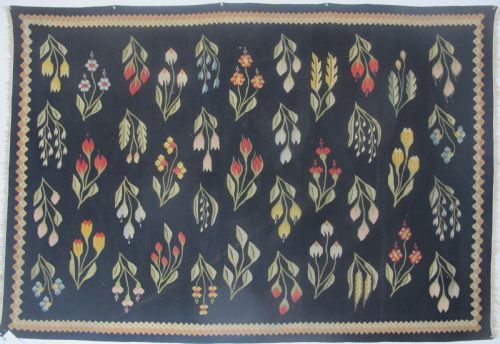
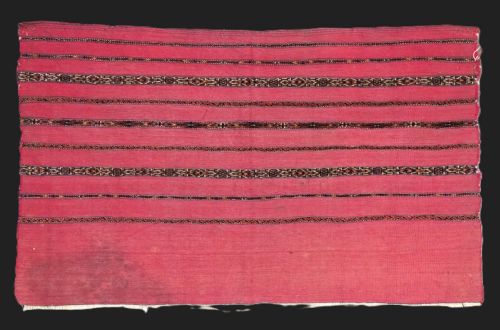
Techniques range from fine pile weaves seen on Turkmen chuvals and torbas to flatwoven structures and tapestry techniques found in specific regional panels and European floral works. The combination of hand-spun materials and natural dyeing methods gives these textiles their enduring structural character.
Assessing Quality and Execution
The refinement of the knotting or weaving density separates standard production from finer examples, with tighter structures allowing complex tribal motifs to appear with greater clarity. Superior pieces demonstrate exceptional precision in the execution of traditional guls and border patterns.
The integrity and depth of the natural dyes significantly influence the overall character of the piece, where well-preserved hues enhance the visual impact. Additionally, the survival of original finishes, such as tassels and plain weave backs, contributes to the completeness of the textile.
The Antique Woven Textile Carpet Glossary
- Gul
- A medallion pattern or repeating octagonal motif characteristic of Turkmen tribal carpets and bag faces. These designs often identify the specific tribe or sub-group that produced the textile.
- Torba
- A small hanging bag traditionally used for domestic storage within a nomadic tent. They frequently feature detailed guls and were mounted on walls or tent poles.
- Chuval
- A large tent bag used by Turkmen tribes for storing household goods and bedding. They often display multiple rows of guls in precise arrangements.
- Asmalyk
- A ceremonial pentagonal trapping hung on the flanks of a camel during wedding processions. These decorative pieces represent some of the most elaborate tribal weaving.
- Engsi
- A tribal door rug hung at the entrance of a yurt. They typically feature a cross-panel design dividing the field into four distinct sections.
Antique Woven Textile Carpet: Frequently Asked Questions
What is a Turkmen torba used for?
A torba served as a utility bag within nomadic dwellings, primarily utilised for storing small personal possessions or household items inside the tent. Families mounted these smaller weavings on interior walls or tent lattice frameworks.
Over time, these functional objects became expressions of tribal identity and status, featuring intricate gul patterns specific to the weaving group.
How do I identify a Tekke rug?
Tekke Turkmen weavings are generally recognised by their precise structure and the repetition of primary octagonal guls flanked by secondary motifs. The palette frequently incorporates deep madder reds alongside ivory and dark brown contrasts.
Examining the reverse reveals a tight, even weave characteristic of the Tekke tribes stationed around the Merv Oasis.
What distinguishes a saddle cover from a rug?
Saddle covers and trappings were shaped specifically to fit over riding animals or pack frames, often featuring contoured edges or cut-outs. Standard floor rugs were woven as flat rectangular formats for interior domestic use.
These functional animal trappings include asmalyks, dizlyks and smaller saddle rugs intended for ceremonial or transit purposes.
How are nineteenth century dates determined?
Dates rely on structural characteristics, wool preparation methods, and the specific chemistry of natural dyes common to particular decades. Stylistic evolution in tribal guls and structural formats also provides a reliable indicator of period.
Items attributed to the nineteenth century display hand-spun materials and traditional colour palettes that predate the widespread adoption of synthetic aniline dyes.