


Vintage Oriental Wall Plate
These vintage oriental wall plate examples bring together centuries of Asian ceramic and metalwork traditions designed for interior display.
Vintage Oriental Wall Plate
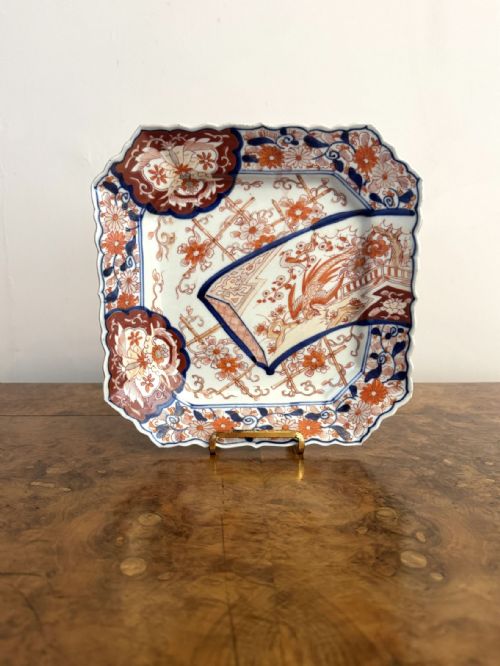
A vintage oriental wall plate selection focuses heavily on Japanese Imari porcelain alongside Chinese export wares and cloisonne pieces. These objects range from standard circular dishes to large chargers, plaques, and square plates intended primarily for vertical wall display.
The material record spans the eighteenth, nineteenth, and early twentieth centuries, capturing the Meiji and Edo periods through Victorian times. Buyers encounter porcelain, ceramic, enamel, and patinated metal varieties in various diameters and geometric formats.
How they were made
Potters and artisans utilised porcelain, copper, and brass bases, applying detailed hand-painted glazes, enamel pigments, and gold leaf highlights. Cloisonne examples relied on metal wire cells soldered to a metal body to separate areas of coloured enamel before firing.
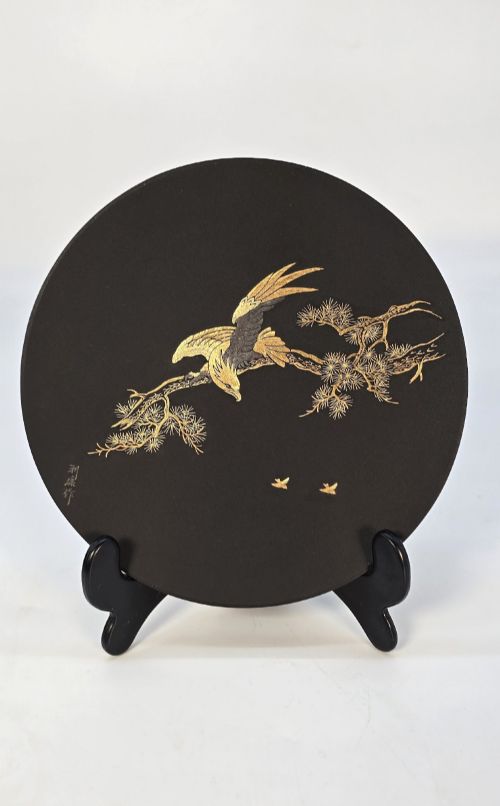
Metal plaques incorporated intricate gold and silver inlay work upon patinated iron surfaces. Lacquer techniques and bronze casting further expanded the range of decorative finishes found across these Asian wall vessels.
Listings feature porcelain, enamel, copper, brass, and gold leaf across multiple periods from the eighteenth century to nineteen twenty.
What varies in quality
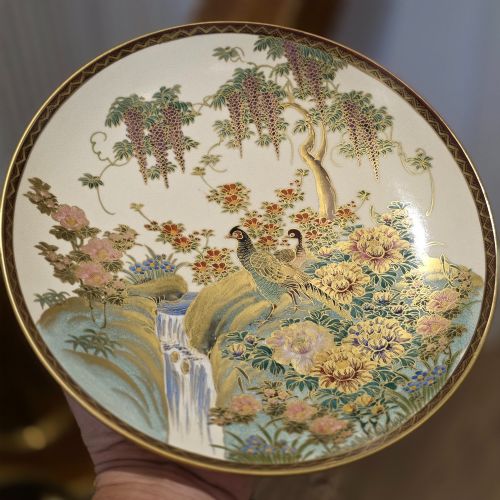
Quality rests upon the precision of the hand-painted brushwork and the complexity of the narrative motifs, such as figures, birds, and deities. Superior pieces demonstrate exceptional control over enamel firing and sharper definition within metal inlay and cloisonne wirework.
The preservation of original gilding and the structural integrity of larger chargers separate standard decorative items from finer collector pieces. Form originality, including scalloped edges and square profiles, also influences the character of the object.
Koshida
The Vintage Oriental Wall Plate Glossary
- Imari
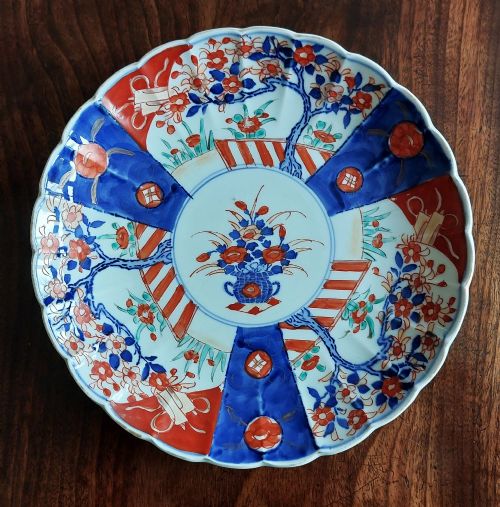
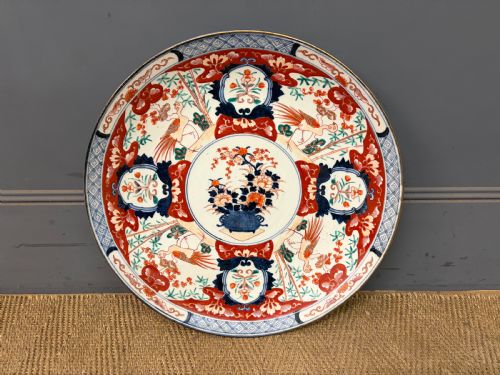
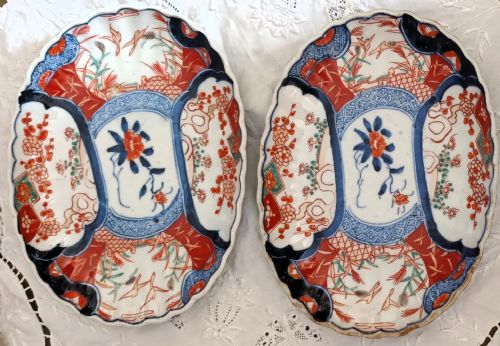
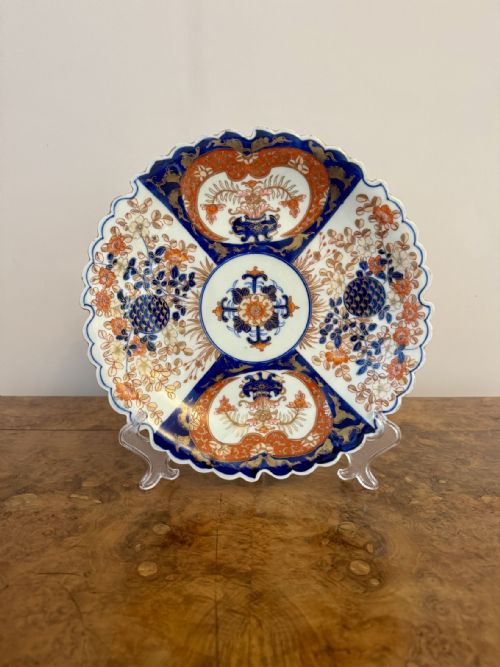
- A traditional style of Japanese porcelain featuring a distinct palette of underglaze blue, iron red, and gilt highlights. These wares were widely produced for export from the Edo period onwards.
- Cloisonne
- A decorative metalwork technique where fine wires are applied to form compartments that are subsequently filled with enamel paste and fired. This method creates vibrant pictorial surfaces on plates and chargers.
- Charger
- A large ornamental plate traditionally used for ceremonial display rather than dining. They form a significant portion of the larger decorative wall vessel selection.
- Meiji
- A historical period in Japan spanning from eighteen sixty-eight to nineteen twelve, noted for major artistic output exported globally. Pieces from this era often display advanced technical execution in enamel and porcelain.
Vintage Oriental Wall Plate: Frequently Asked Questions
How do I hang a heavy charger safely?
Large decorative chargers require robust, adjustable spring-loaded brass wall hangers that distribute the weight evenly across the rim. Ensure the fixing anchor secures firmly into wall studs or proper masonry plugs.
Avoid wire fixings attached to old adhesives on the reverse. Period plates often feature pierced foot rings which can sometimes accommodate secure hanging cord if tested thoroughly for strength.
How do I distinguish Imari from Canton wares?
Japanese Imari relies on a distinct palette dominated by cobalt blue and iron red, frequently accented with heavy gold leaf. The motifs typically feature floral and geometric panels.
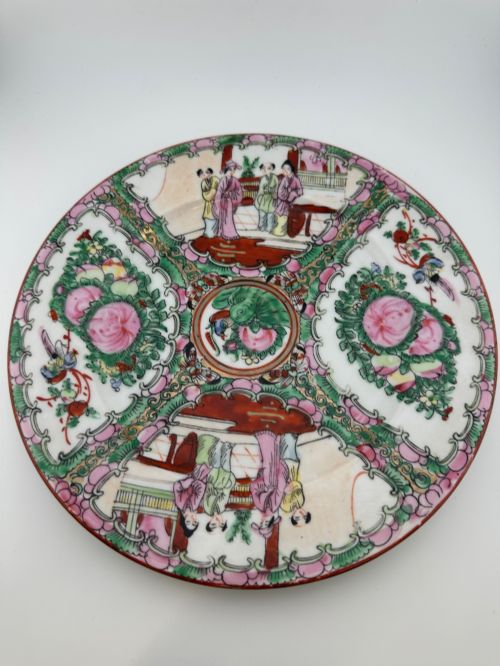
Chinese Canton Rose Medallion porcelain introduces distinct green, pink, and gold panels populated by human figures and birds. The underlying ceramic body and brushwork styles differ notably between the two regional traditions.
Can these plates be used for serving food?
Antique decorative wall plates and chargers are intended strictly for display and interior ornamentation. Older glazes and metallic elements may not meet modern food safety standards.
Furthermore, the surface enamels and gold leaf highlights on Meiji period pieces can suffer permanent abrasion from cutlery and washing. Keep them mounted securely on walls or displayed safely in cabinets.