

Vintage Oriental Desk Lamps
These vintage oriental desk lamps bring converted vases, bronzes and carved vessels onto the writing desk from nineteenth-century and early twentieth-century workshops.
Vintage Oriental Desk Lamps
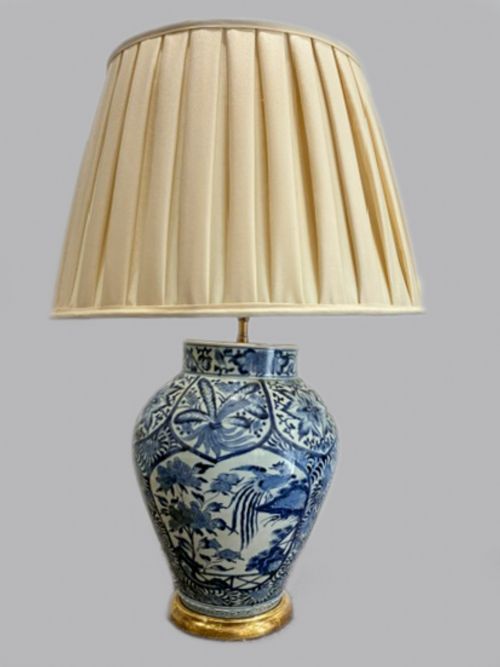
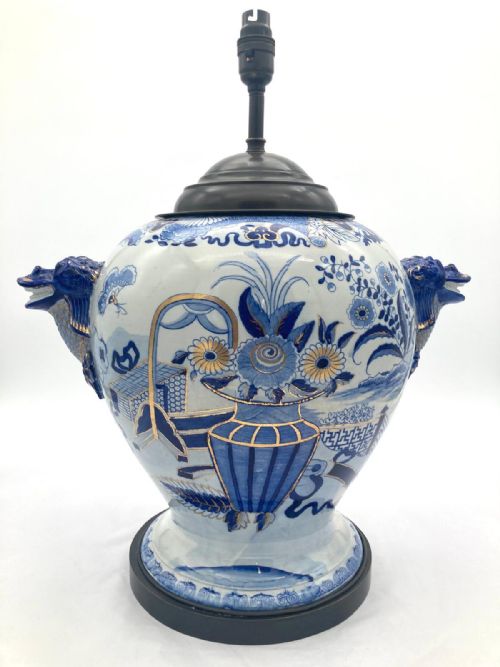
Vintage oriental desk lamps comprise converted vessels, brush pots, vases and tea canisters adapted to illuminate a workspace. These pieces span Japanese Meiji period bronzes, Chinese porcelain vases, and lacquered Chinoiserie forms.
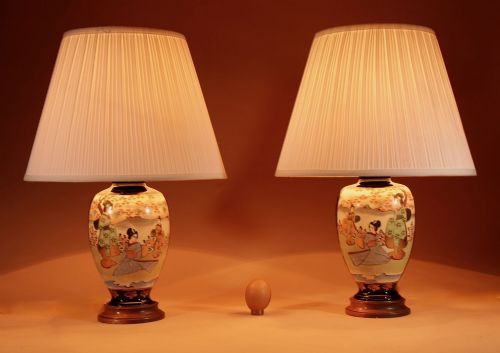
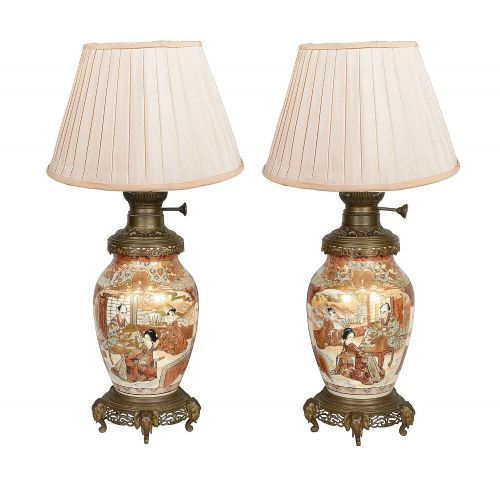
Buyers will most frequently encounter table lamps constructed from Satsuma pottery, Cloisonné, and hand-painted wooden bodies dating from the Victorian era through the nineteen-twenties. Many originate as decorative objects later fitted for electrical wiring.
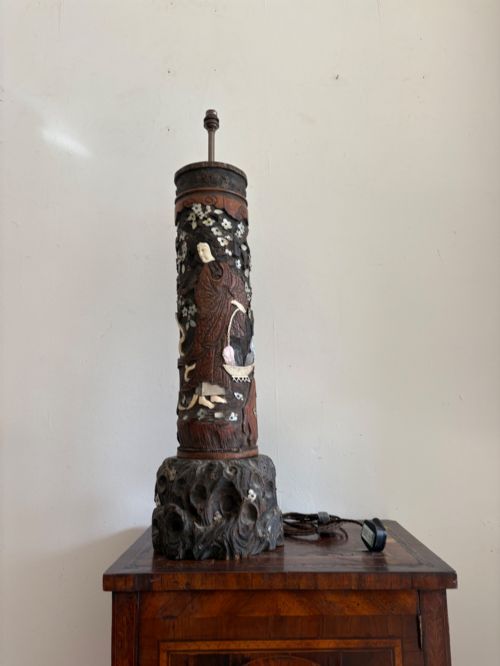
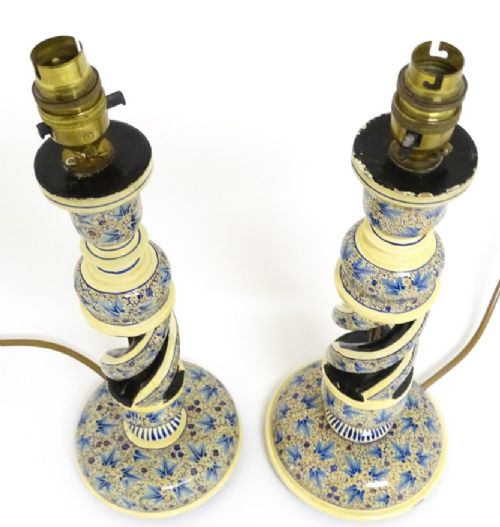
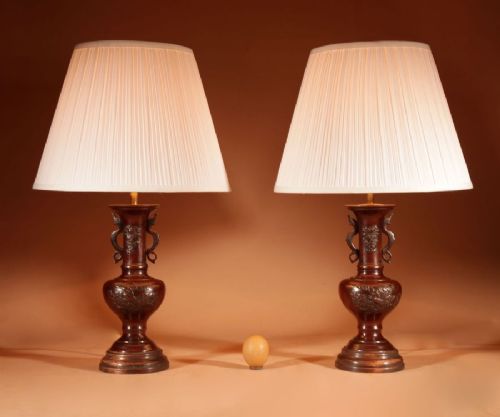
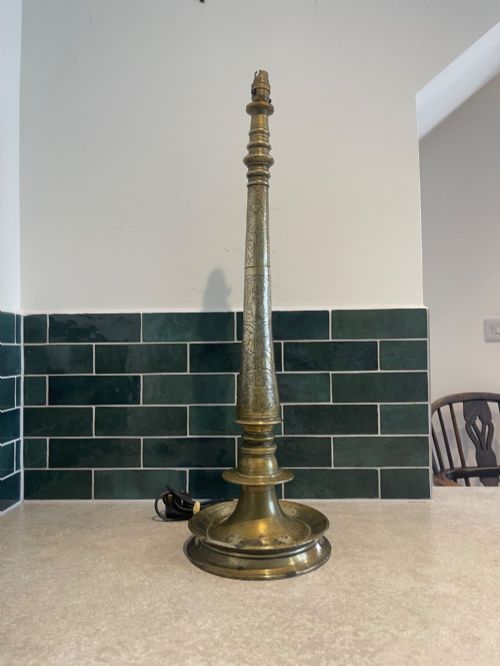
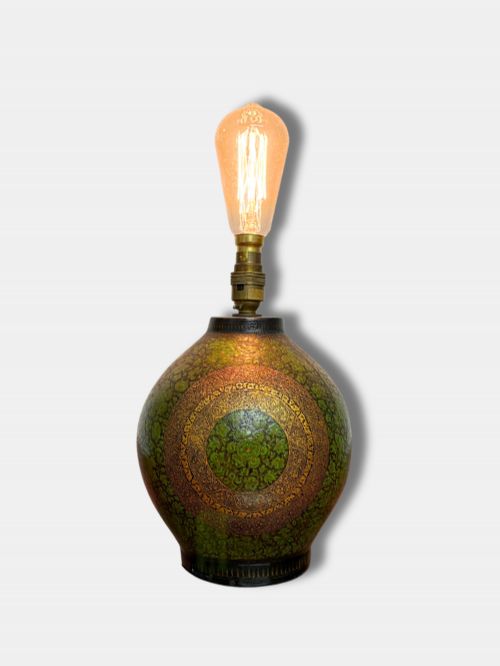
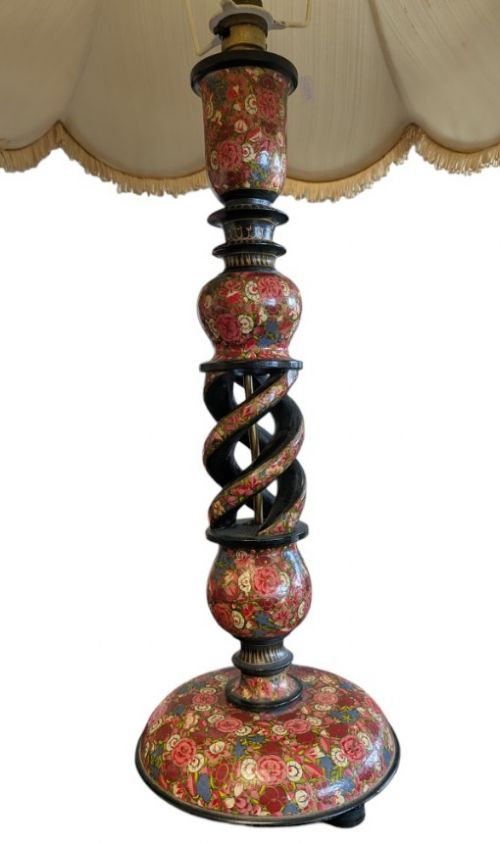
The selection includes regional styles such as Kashmiri hand-painted designs, Anglo-Indian brasswork, and Japanese bronze works. Forms range from small figural porcelain lamps to tall carved root wood stands.
How they were made
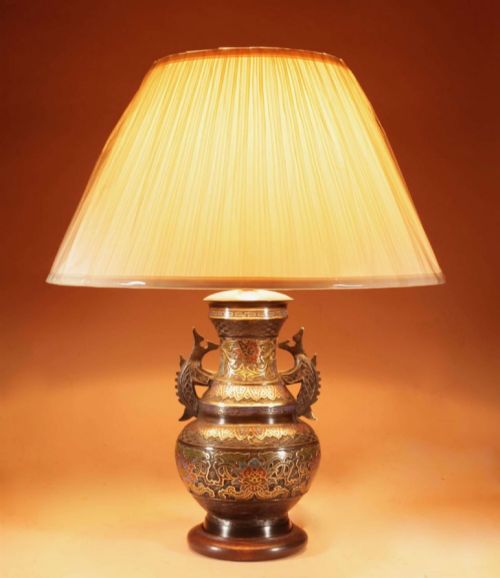
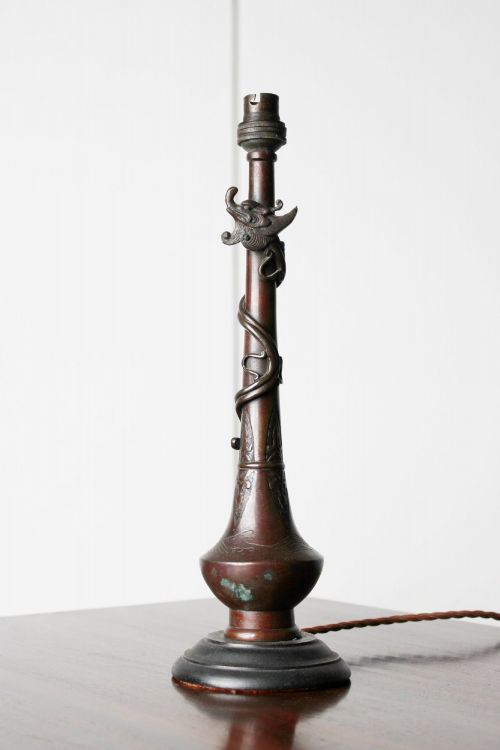
Makers utilised traditional oriental craft techniques, mounting porcelain vases, champlevé bronze, and carved hardwood onto bases for domestic lighting. Metalwork pieces employ cast bronze, patinated white metal, and pressed brass.
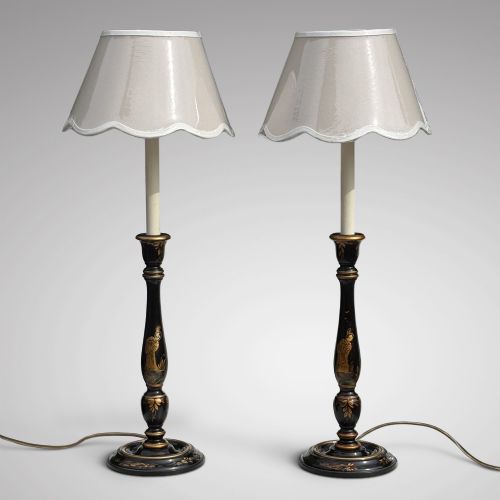
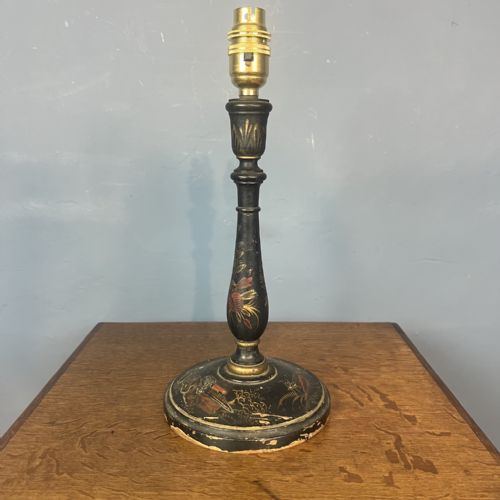
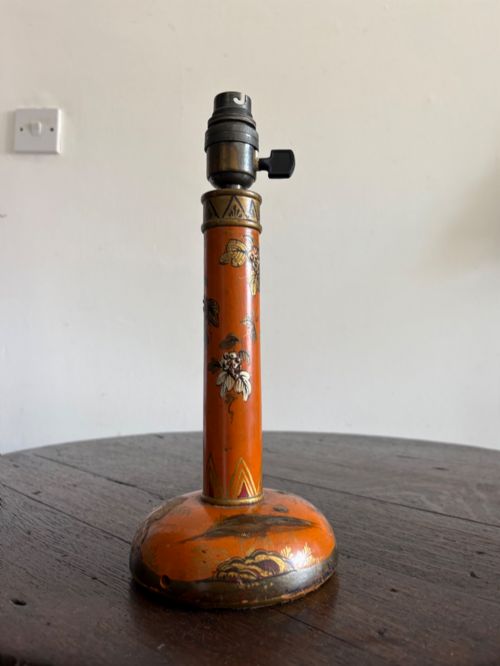
Wooden and lacquered table lamps incorporate hand-painted decoration, gilt gold, and black lacquer finishes, often following Chinoiserie or Kashmiri motifs. Porcelain bodies feature Satsuma glazes, Famille Verte enamel, and turquoise glazing.
Many items began as independent vessels, such as brush pots or tea canisters, and were subsequently converted into lamps with fitted electrical components and fabric or silk shades.
Several converted lamp bases began life as humble tea canisters and brush pots before finding a brighter destiny on the desk.
What varies in quality
The standard of a vintage oriental desk lamp rests upon the fidelity of the original vessel and the skill of its hand-painted or carved surface. Hand-painted Kashmiri and Satsuma pieces show clear variations in brushwork precision.
The integrity of the conversion work matters greatly, distinguishing lamps that respect the original antique vessel from those with intrusive alterations. The weight and quality of the bronze, brass, or porcelain base dictate the physical stability of the piece.
The Vintage Oriental Desk Lamps Glossary
- Chinoiserie
- European interpretation and imitation of Chinese and East Asian artistic traditions, commonly applied to lacquered furniture and decorative objects. This style heavily influences many nineteenth-century desk lamps.
- Satsuma
- Japanese pottery characterised by a fine ivory-coloured crackle glaze, typically decorated with intricate polychrome and gilt enamels. Satsuma vases frequently serve as the body for converted table lamps.
- Cloisonné
- Enamelware technique where thin metal wire creates raised barriers filled with coloured paste before firing. These patterned vessels often find new life as lamp bases.
- Meiji Period
- The era in Japanese history spanning from eighteen sixty-eight to nineteen twelve, noted for exceptional metalwork and ceramic production. Pieces from this time display refined bronze casting and detailed carving.
- Champlevé
- Enamel technique where troughs are gouged into a bronze or metal surface to hold coloured enamel. This method appears on decorative Japanese bronze table lamps.
Vintage Oriental Desk Lamps: Frequently Asked Questions
Where should I place a vintage oriental desk lamp?
These lamps suit study desks, side tables, or reading corners where their decorative bases can be closely observed. They provide ambient working light while serving as sculptural focal points in a room.
Ensure the surface area accommodates the specific width of the base, particularly for wider vase-form lamps or paired sets.
Are these lamps converted from older objects?
Many examples originate as decorative vessels, including Japanese bronze vases, Chinese ginger jars, tea canisters, and carved brush pots. These items were later adapted for electrical wiring to function as table lamps.
This conversion practice preserves historical objects by giving them a practical daily use in modern interiors.
How do I identify a Meiji period lamp?
Meiji period pieces date from eighteen sixty-eight to nineteen twelve and typically feature high-grade Japanese bronze work, Satsuma pottery, or detailed carved elements. They often exhibit superior weight and meticulous hand-finishing on the metal or ceramic.
Examining the casting quality and enamel detail helps distinguish these pieces from later mass-produced items.
What maintenance do lacquered wooden lamps require?
Lacquered and painted wooden lamp bases need gentle dusting with a dry microfibre cloth to protect the delicate surface finishes. Avoid chemical polishes and keep them away from direct sunlight to preserve hand-painted details.
Checking the stability of the mounted fittings periodically ensures the vintage structure remains secure.