

Oriental Lighting Pair
An oriental lighting pair brings balanced symmetry and distinct decorative character to a room through matched lamps, vases, and candlesticks.
Oriental Lighting Pair
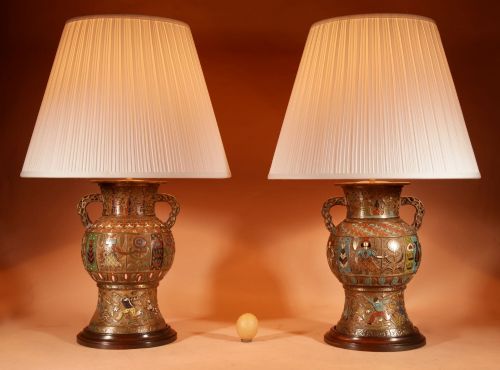
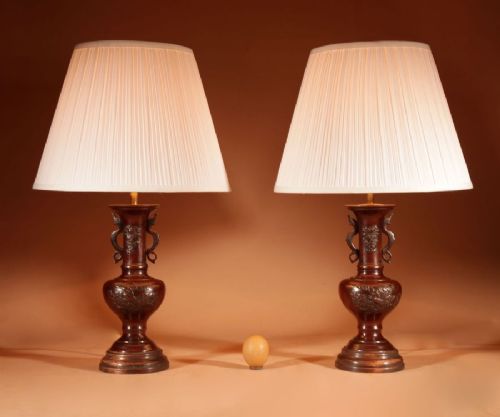
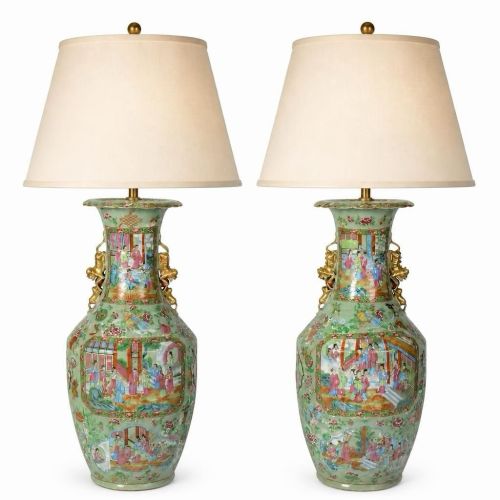
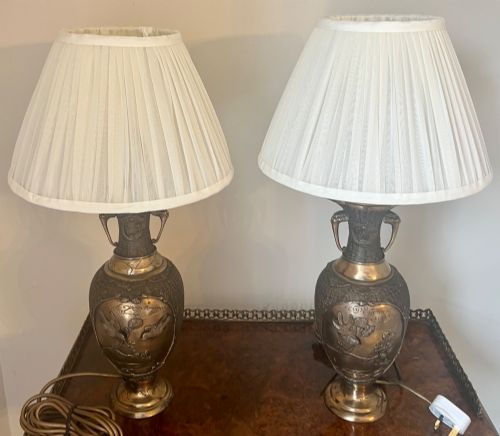
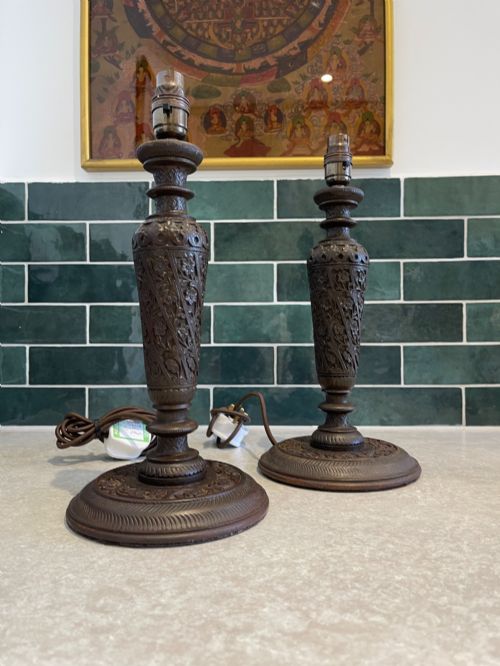
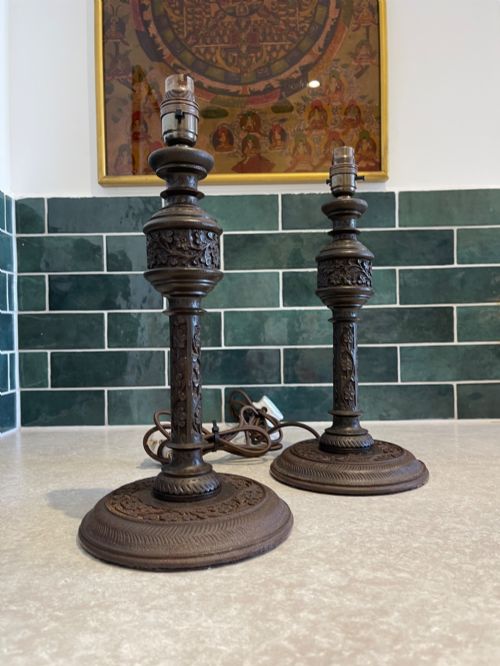
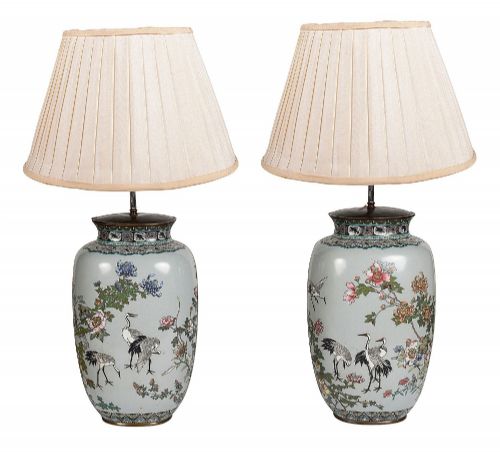
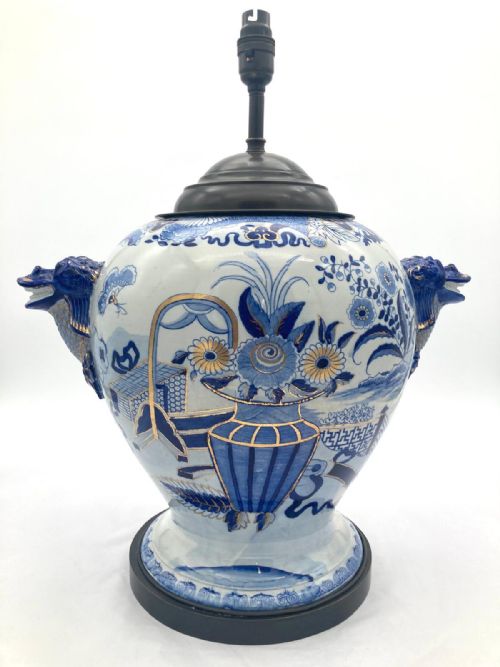
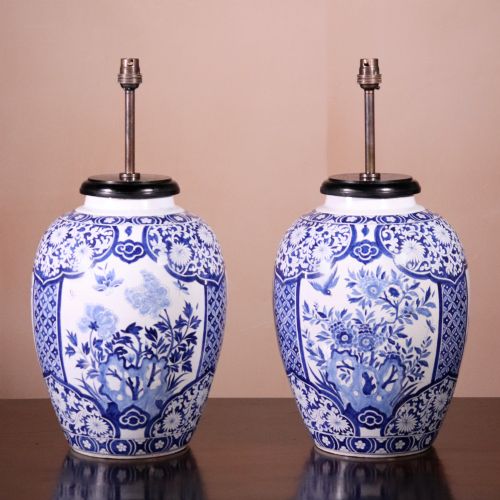
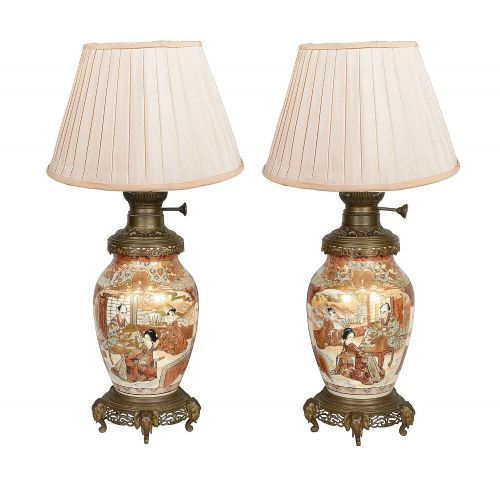
An oriental lighting pair consists of matching decorative objects adapted for illumination, most commonly found as porcelain vases, bronze vessels, and cloisonné jars fitted as table lamps. These matched sets provide symmetrical accent lighting for mantelpieces, sideboards, and living spaces.
The selections span the nineteenth and early twentieth centuries, incorporating styles such as Chinese Export, Japanese Meiji, and Chinoiserie. Many pieces began as vases or candlesticks before receiving electrical wiring and mounts.
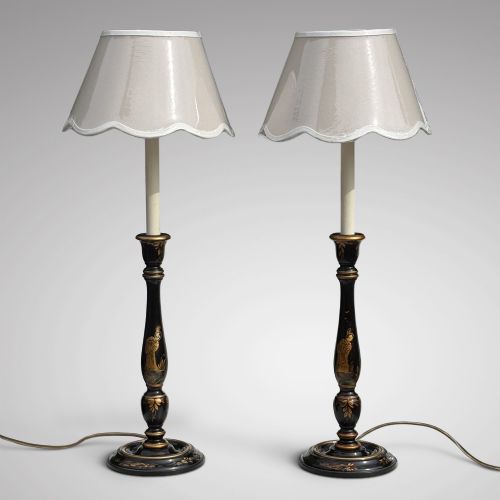
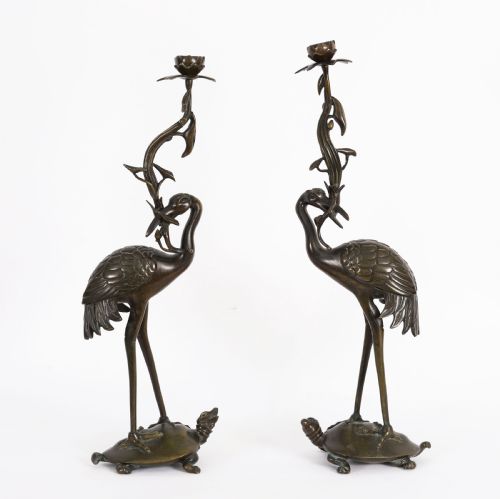
Buyers encounter table lamps, floor standards, and torcheres alongside converted pricket candlesticks. Materials range from hand-painted Satsuma and Famille Rose porcelain to carved wood and lacquered surfaces.
Materials and construction methods
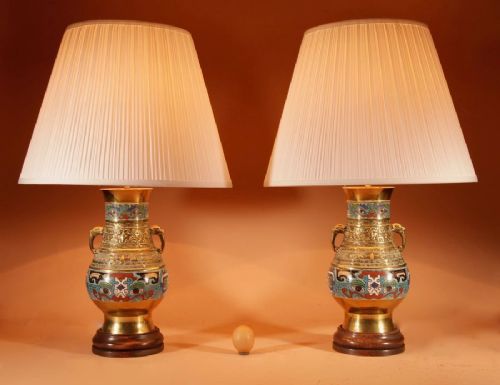
Makers utilised cast bronze, brass, and ironstone alongside traditional ceramics like porcelain and earthenware. Metal elements frequently received champlevé or cloisonné enamel work, creating intricate patterns of coloured glass paste fired within wire cells.
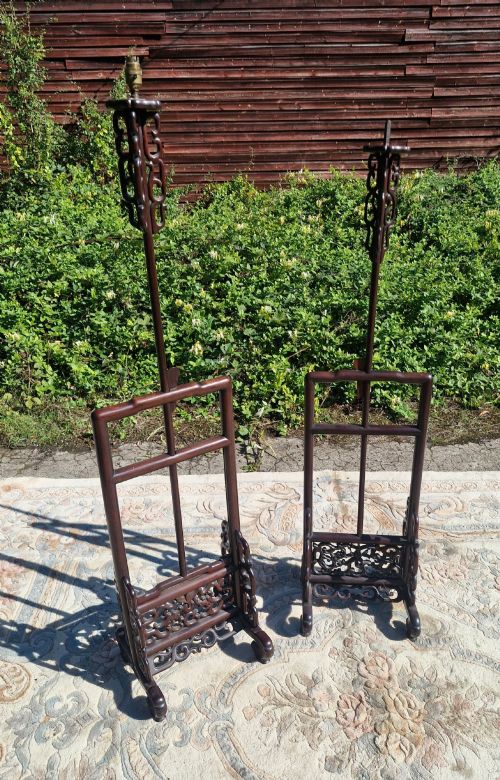
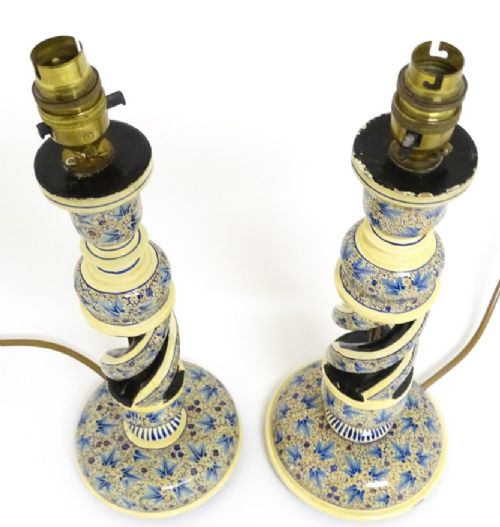
Ceramic bodies display hand-painted glazes, including blue and white designs, turquoise finishes, and polychrome enamel detailing. Wood components involve lacquering, hand-painting, and carving, particularly evident in Anglo-Indian torchers and lacquered standards.
Conversion into lamps involved mounting porcelain or bronze vessels onto metal bases and wiring them for electrical use, occasionally retaining original ormolu mounts and handles.
Listings feature items from the Regency era through the 1930s, constructed from brass, porcelain, bronze, and cloisonne enamel.
Distinctions in craftsmanship and condition
Quality rests in the crispness of the hand-painted detail on porcelain surfaces and the precision of the wirework in cloisonné examples. Superior bronze and brass castings show sharp relief and careful finishing rather than soft edges.
The integrity of the matched pair determines desirability, as uniform fading, matching glaze tones, and identical sizing maintain the decorative balance required of dual pieces. Original mounts and intact enamel work elevate the status of individual items within the set.
The Oriental Lighting Pair Glossary
- Cloisonne Enamel
- A metalwork technique where fine wires are soldered to a base to form compartments filled with enamel paste and fired. This method produces vibrant, patterned surfaces often seen on nineteenth-century vessels.
- Satsuma
- A type of Japanese earthenware featuring a crackled creamy glaze decorated with polychrome enamels and gilt. These pieces frequently transitioned from decorative vases into wired table lamps.
- Famille Rose
- A palette of opaque rose-pink enamel introduced to Chinese porcelain during the Qing Dynasty. The ceramic pieces decorated in this style appear often in nineteenth-century lamp conversions.
- Pricket Candlestick
- A candlestick featuring a central metal spike to secure the candle rather than a socket. Antique examples in bronze occasionally serve as decorative elements or lighting fixtures.
- Chinoiserie
- European artistic style reflecting Chinese and East Asian motifs, popular in furniture and decorative objects. This aesthetic appears on lacquered and hand-painted lamp standards.
Oriental Lighting Pair: Frequently Asked Questions
How do I wire antique oriental lamps safely?
Professional electricians should inspect and rewire older metal and ceramic lamp conversions using modern cord sets. This preserves the original body while ensuring safety during daily use.
Original vintage or antique fittings can be kept intact for display if desired, but modern internal components are recommended for functional lighting.
Can I separate an oriental lighting pair?
Dividing a matched pair diminishes their decorative impact and historical integrity, as these items were designed to display symmetrically. Keeping them together maintains their visual balance in interior settings.
Collectors and designers seek matched pairs specifically to flank furniture pieces or anchor opposing sides of a room.
How do I date nineteenth-century Japanese bronze lamps?
Dating relies on stylistic markers from the Meiji period, manufacturing techniques in the bronze casting, and any accompanying signature marks. Examining the patination and wear on the metal also provides clues to age.
Many pieces were adapted into lamps long after their initial creation during the nineteenth century.