
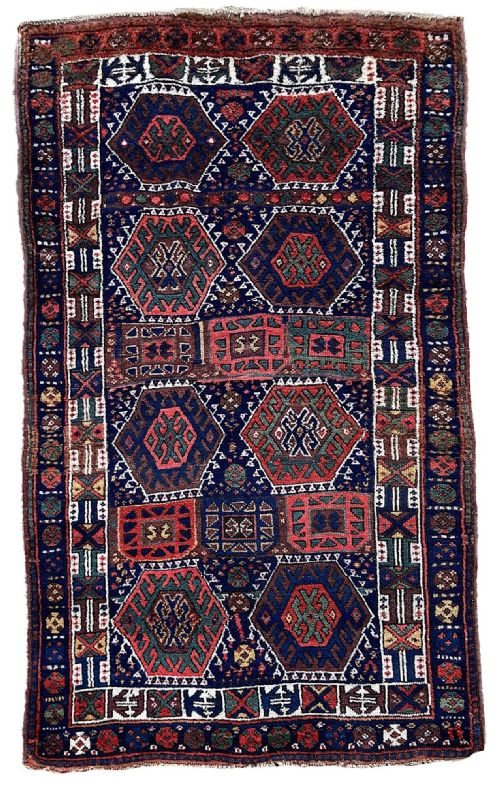


Vintage Oriental Accent Rug
These pieces give vintage oriental accent rug options a distinct grounding in history, bringing warmth and tactile depth to a floor.
Vintage Oriental Accent Rug
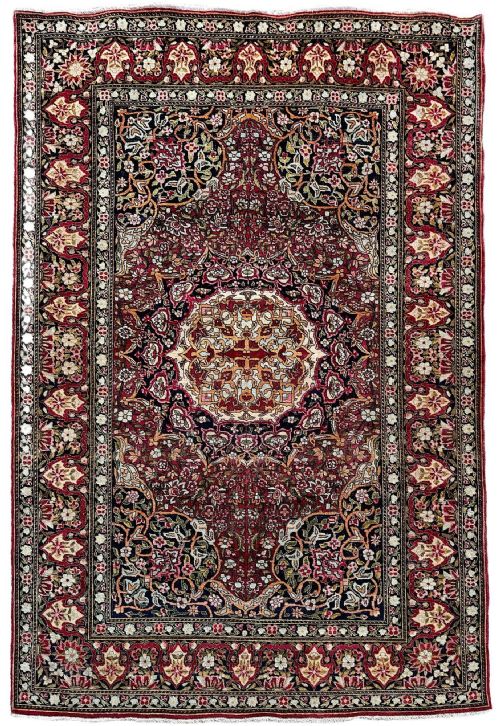
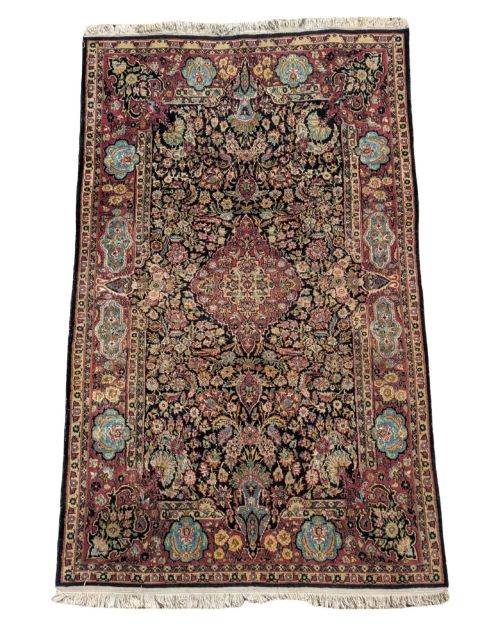
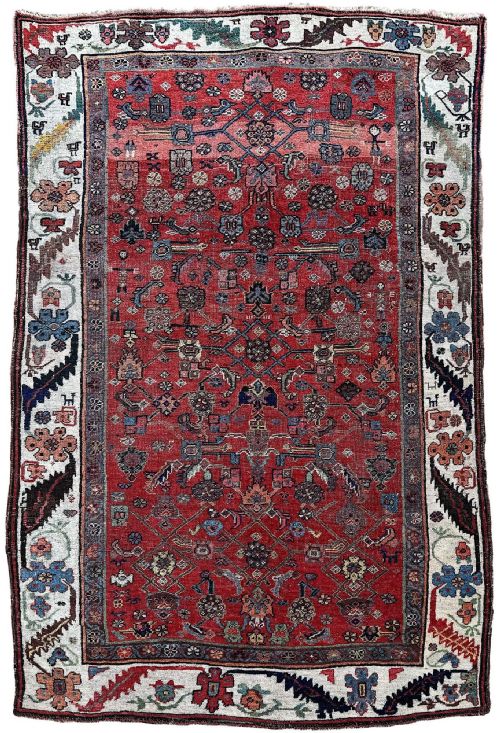
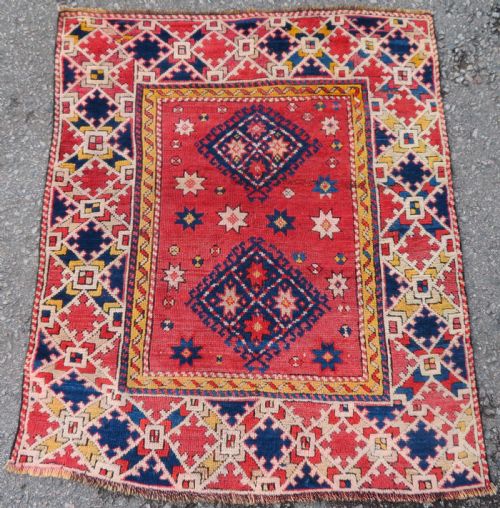
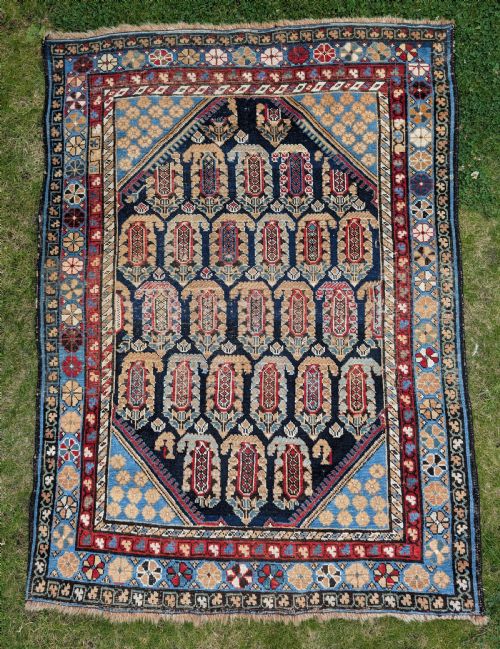
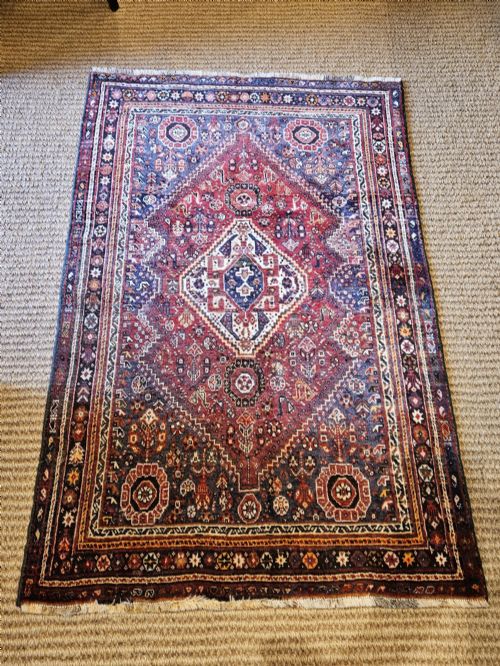
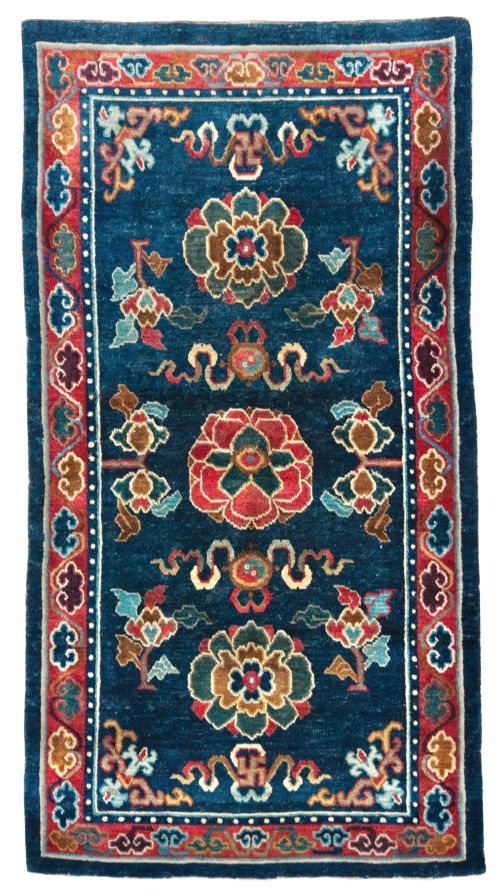
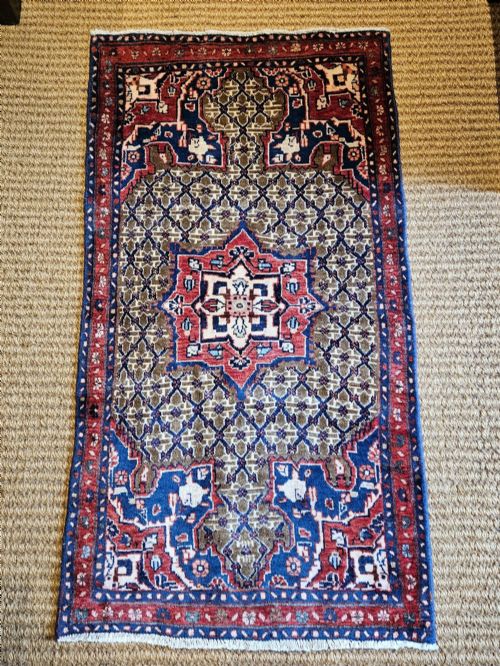
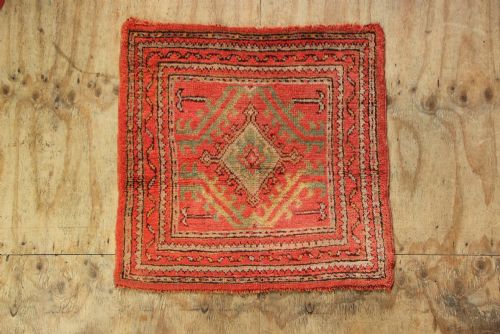
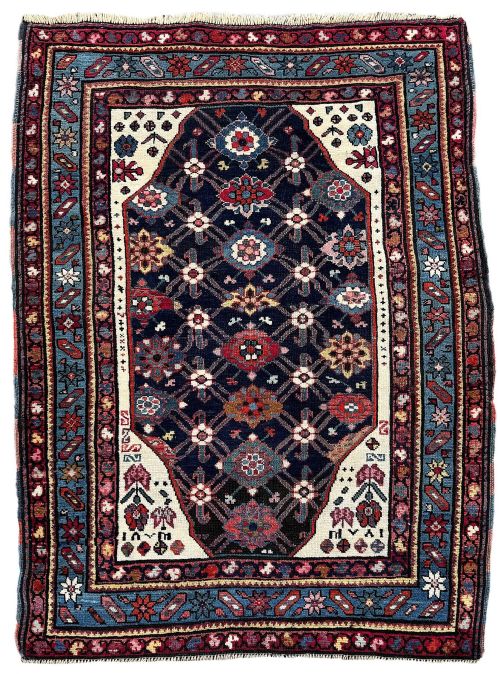
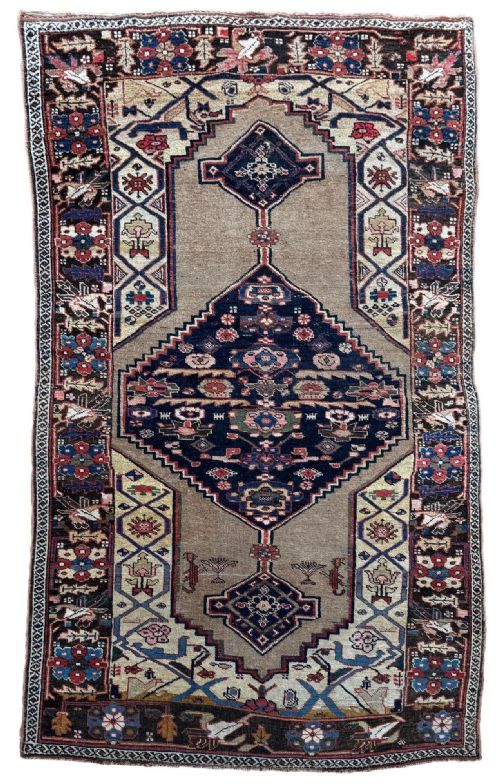
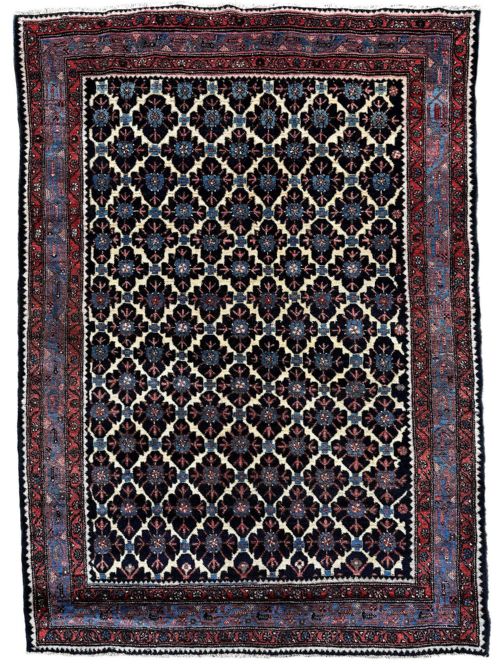
When you search for a vintage oriental accent rug, you encounter smaller floor coverings originating from weaving traditions across Persia, Anatolia, the Caucasus, and Central Asia. These pieces range from hearth-sized carpets to smaller scatter rugs, runner formats, square formats, and prayer rugs woven for specific regional uses. Alongside traditional rugs, the selection includes related decorative forms such as kilim cushions and carpet cushions.
The most frequent examples found on this page span the late nineteenth century through to the early decades of the twentieth century. They encompass tribal and village workshops, including Heriz, Bidjar, Isfahan, Afshar, and Caucasian types, representing decades of domestic use and traditional craft. Buyers select these smaller formats to anchor modest spaces, hallways, and seating areas with authentic historic pattern.
How they were made
These textiles rely principally on wool, hand-spun wool, and cotton warp foundations, occasionally incorporating silk highlights or velvet elements for texture and contrast. Natural dyes impart the foundational palette, yielding rich tones that age with considerable character across decades of exposure.
Weavers constructed these carpets by hand, tying intricate knots onto supporting warps to build dense pile fabrics, or utilising flatweave techniques for cushions and kilims. The integration of cotton warps provided structural stability to wool piles, allowing village and tribal pieces to withstand generations of daily tread.
Several prayer rugs hide tiny rams horn motifs inside their mihrabs, left by nomadic weavers who hoped to ward off misfortune.
What varies in quality
The distinction between tiers of these rugs lies in the precision of the knotting, the complexity of the design geometry, and the depth of the natural dye palette. Superior examples demonstrate tight structural foundations and balanced proportions, where regional motifs like medallions or prayer mihrabs are rendered with exceptional clarity.
Condition and integrity also shape the standing of an individual piece, separating uniformly preserved textiles from those showing heavy structural loss or awkward repairs. The vitality of the remaining wool pile and the harmonious fading of natural colours distinguish finer survivors from more ordinary examples.
The Vintage Oriental Accent Rug Glossary
- Warp
- The stationary vertical strings stretched on a loom that form the structural skeleton of a woven rug. Tufts of wool are tied around these threads to create the pile.
- Pile
- The soft, raised surface of a rug formed by the cut ends of knots tied to the foundation. Shorter piles often reveal finer structural detail underneath.
- Mihrab
- A arched niche design found primarily on prayer rugs, representing the direction of prayer in Islamic architecture. Weavers often position this motif to direct the user.
- Kilim
- A flatwoven carpet or textile produced without a raised pile by tightly interweaving warp and weft strands. These are frequently repurposed into cushions and smaller decorative accents.
- Natural Dyes
- Colourants derived from plant, insect, and mineral sources prior to the advent of synthetic alternatives. These dyes mellow gracefully over time, producing rich secondary shades.
Vintage Oriental Accent Rug: Frequently Asked Questions
How do I choose the right size accent rug?
Consider the scale of the furniture and the dimensions of the floor space you wish to anchor. Smaller formats work well beside beds, in entryways, or beneath compact seating arrangements.
Measure the clear floor area carefully, leaving a uniform margin of exposed flooring around the perimeter of the rug to frame the piece properly.
What is the difference between village and tribal rugs?
Village rugs are typically woven by settled communities in established workshops, often featuring more symmetrical medallions and structured floral or geometric layouts. Tribal rugs originate from nomadic or semi-nomadic groups, displaying spontaneous geometric patterns and deeply personal symbolic motifs.
Both categories utilise traditional hand-spinning and dyeing methods, but their aesthetic vocabulary reflects distinct ways of life and regional weaving heritages.
How should I care for a vintage wool rug?
Vacuum the rug gently on a low suction setting without a rotating brush roll to prevent pulling the wool fibres. Rotate the piece periodically to ensure even wear from foot traffic and sunlight exposure.
Address spills immediately by blotting with a clean, dry cloth rather than rubbing, and consult a professional specialist experienced in antique textiles for deep cleaning.
Are these rugs suitable for high-traffic areas?
Traditional construction methods using wool pile and cotton foundations provide remarkable durability for everyday domestic use. Many vintage tribal and village rugs were made specifically to endure heavy daily tread.
Using a quality underlay beneath the rug prevents slipping, cushions the pile against hard floors, and reduces friction that contributes to premature fibre wear.