



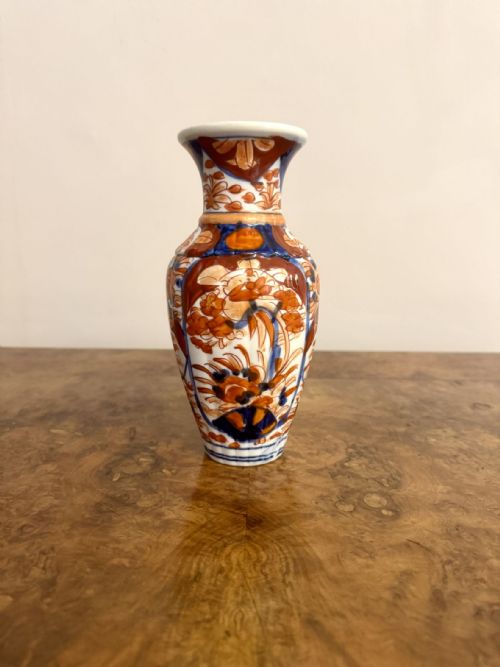


Vintage Orange Vase
A vintage orange vase brings intense warmth to a room, offering rich chromatic depth through cameo glass, hand-painted porcelain, and lustrous glazes.
Vintage Orange Vase
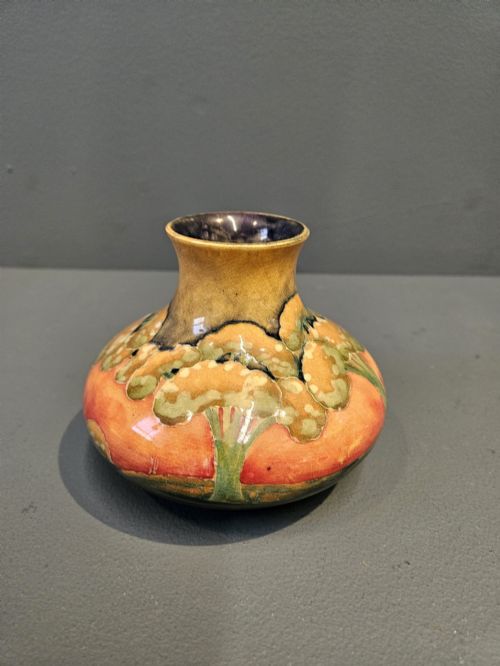
When you search for a vintage orange vase, you encounter a remarkably diverse selection of vessels spanning multiple continents and aesthetic movements. These pieces range from delicate moulded glass to robust earthenware, each displaying the distinct colour palette of its period of origin. Buyers select these items to introduce vivid visual energy and historical character into domestic interiors.
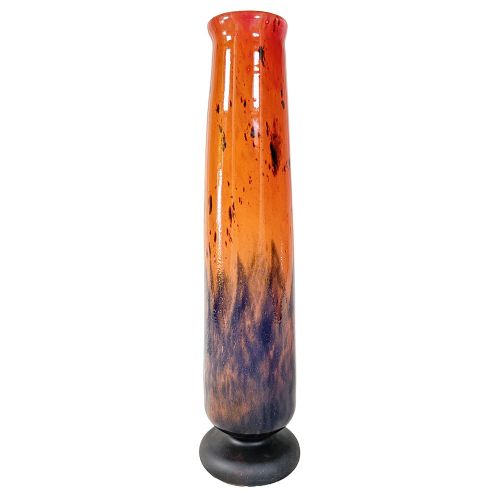
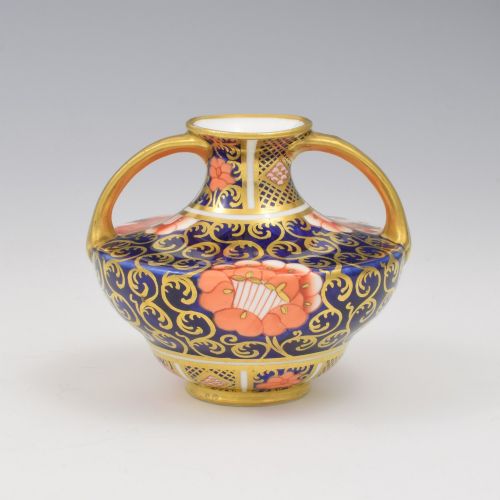
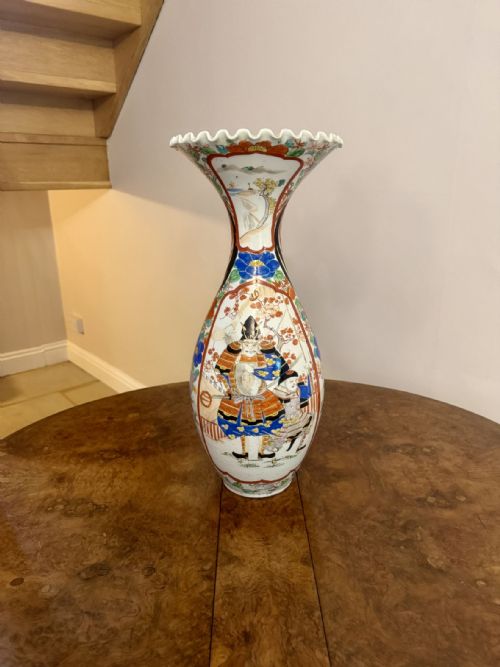
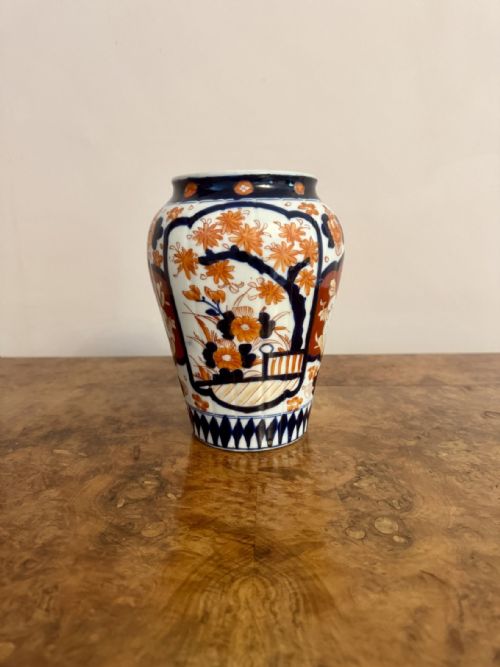
The objects appearing on this page encompass various forms, including ginger jars, table lamps, and traditional baluster shapes. Examples from the nineteenth century sit alongside works from the Art Nouveau and Art Deco periods. Japanese Imari and Kutani wares share space with European cameo glass and British art pottery.
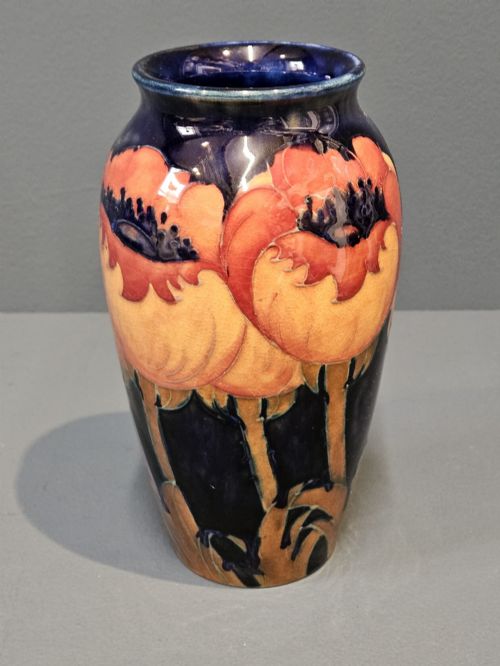
Art Nouveau and Art Deco creations frequently utilise orange tones within layered cameo glass or geometric patterns. Japanese Imari and Kutani pieces introduce traditional motifs rendered in rich pigments alongside porcelain bodies. British potteries contribute hand-painted earthenwares and lustrous finishes defined by striking colouration.
Materials and Techniques
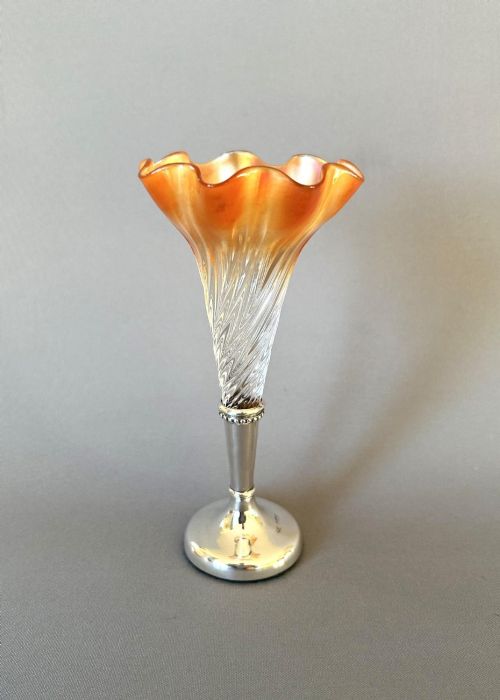
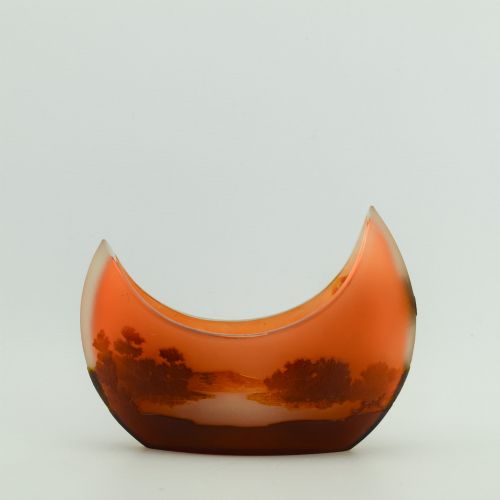
Glassmakers created coloured vessels by fusing layers of glass together before carving intricate landscape or floral motifs using acid etching or wheel cutting. Cameo glass pieces often combine orange hues over contrasting backgrounds to achieve dramatic depth and visual texture. Wrought iron mounts occasionally supplemented these glass bodies during the twentieth century.
Ceramic production involved shaping porcelain or earthenware bodies, applying mineral glazes, and firing the pieces in kilns at high temperatures. Artisans added hand-painted details, gold leaf accents, or lacquer over-paint once the initial glaze had set. Lustre glazes required specialised reduction firings to produce metallic surface sheens.
Potters also utilised salt glazing techniques on stoneware surfaces to create textured finishes characteristic of certain twentieth-century works. Enamel decoration was applied carefully to porcelain pieces before subsequent low-temperature firings fixed the pigments permanently. Each manufacturing method determined the final durability and surface character of the vessel.
Vintage Orange Vase Retail Price Guide 2026
Typical asking prices for vintage orange vase among the pieces listed under this phrase on Sellingantiques today, from the lower quarter to the upper quarter. They describe what is for sale here now, not the wider market.
Some orange vases manage to look radiant even on the gloomiest British afternoons.
Assessing Quality
Quality in these vessels rests upon the precision of the execution and the depth of the material colour. Superior glass pieces display crisp cameo carving with clean borders between the coloured layers. Fine ceramics exhibit careful hand-painting where brushwork remains controlled and details stay sharp across the entire surface.
The reputation of the maker or the specific pottery significantly influences the distinction between standard and exceptional pieces. Master glassmakers and notable ceramic designers achieved superior balance in form and proportion. The integration of auxiliary elements, such as wrought iron fittings or applied gold leaf, demands high technical skill to succeed aesthetically.
Gallé·Daum·Schneider·Royal Crown Derby·Royal Winton·Moorcroft·Venini
The Vintage Orange Vase Glossary
- Cameo glass
- A form of art glass produced by fusing multiple layers of differently coloured glass together and carving away portions to create a raised design. This technique allows for detailed pictorial scenes.
- Imari
- A traditional style of Japanese porcelain featuring a distinct palette of underglaze blue and iron red, often augmented with gold. These wares were widely exported to Europe.
- Lustre glaze
- A type of ceramic glaze containing metallic oxides that impart an iridescent sheen upon firing. This finish reflects light differently depending on the viewing angle.
- Baluster
- A vertical architectural form characterised by a swelling lower body that tapers towards the neck. Ceramic vases frequently adopt this symmetrical silhouette.
- Kutani
- A style of Japanese coloured porcelain known for bold pictorial designs and vibrant enamel palettes. Production centres in Ishikawa Prefecture developed distinct regional characteristics.
Vintage Orange Vase: Frequently Asked Questions
How do I date a vintage orange vase?
Dating relies upon examining the manufacturing marks, stylistic signatures, and material composition of the vessel. Art Deco and Art Nouveau pieces display characteristic motifs from their respective decades, while nineteenth-century items often show specific regional potting traits.
Maker stamps, painted pattern numbers, and signature styles etched into glass surfaces provide definitive chronological markers. Comparing the base construction and glaze characteristics with documented examples clarifies the production era.
Where should I display an orange glass vase?
Place these vessels in areas receiving direct natural light to fully appreciate the translucent qualities of the coloured glass. Windowsills or open shelving units allow illumination to pass through the cameo layers.
Ensure the placement protects the object from accidental knocks due to household traffic. Pairing the item with neutral backgrounds helps emphasise the vivid pigment of the glass.
Are these vases suitable for holding fresh flowers?
Many of these pieces function perfectly as water containers, though antique ceramic and delicate cameo glass items require gentle handling. Rinsing interiors carefully prevents mineral deposits from accumulating on historical surfaces.
Certain delicate or metal-mounted examples serve better as decorative objects rather than functional flower holders. Assessing the interior condition determines whether the vessel safely accommodates moisture.
What defines Japanese Imari porcelain?
Japanese Imari porcelain is recognised by its robust body and characteristic decorative scheme combining cobalt blue underglaze with iron red and gilt highlights. Artisans produced these wares primarily for export, blending traditional Japanese aesthetics with European preferences.
The dense surface decoration often covers the entire ceramic body with floral or geometric patterns. These pieces represent a significant intersection of Eastern manufacturing traditions and Western collecting tastes.