

Vintage Oak Tall Stand
A vintage oak tall stand brings vertical presence to a room, offering a sturdy platform for plants, lamps or display.
Vintage Oak Tall Stand
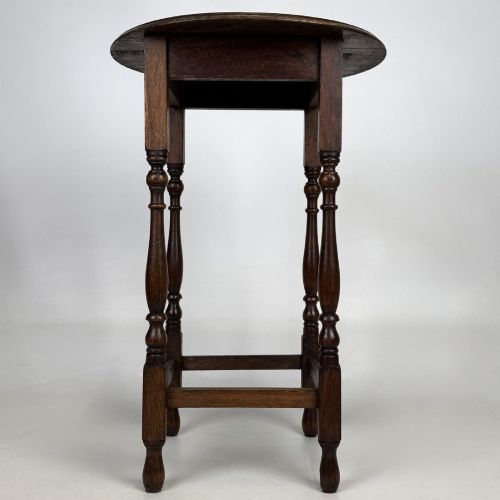
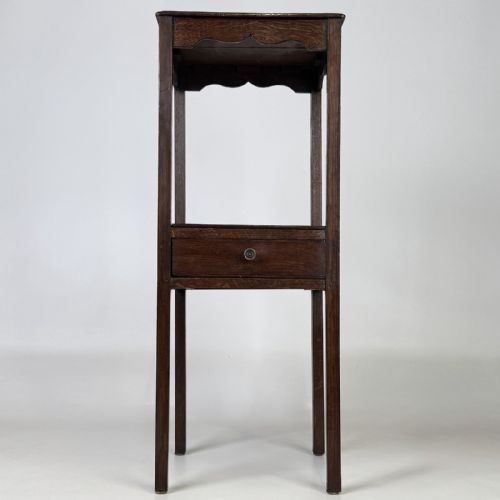
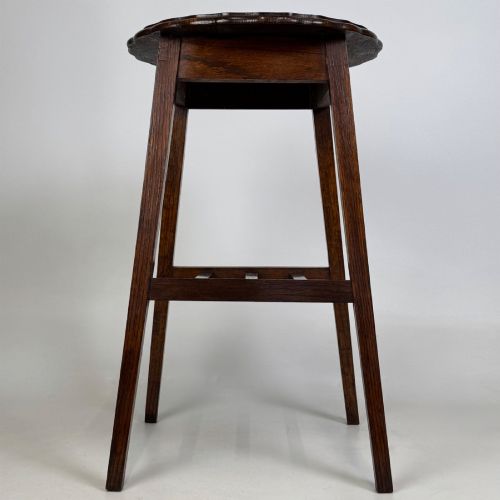
A vintage oak tall stand encompasses vertical furniture forms such as plant stands, jardiniere stands, display pedestals and standard lamps produced across the Edwardian era, the early twentieth century and the nineteenth century. These pieces serve to elevate objects above floor level, utilising compact footprints that suit hallways, corners and tight spaces.
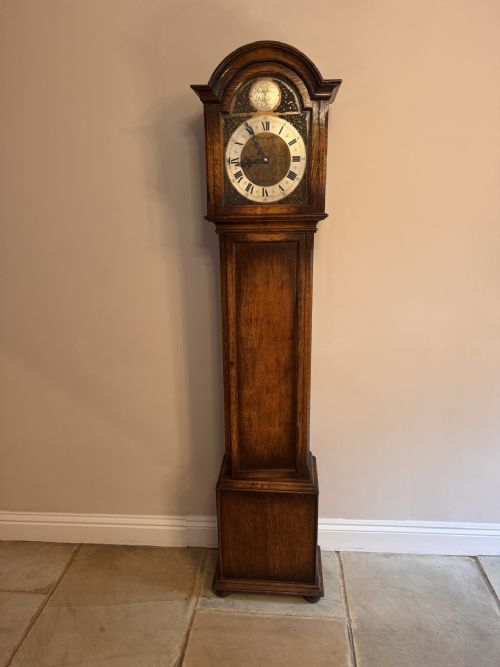
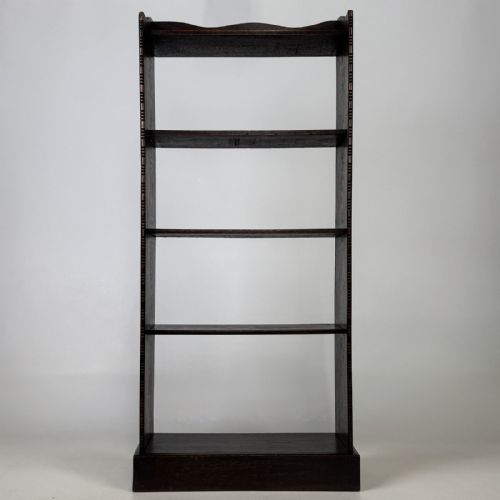
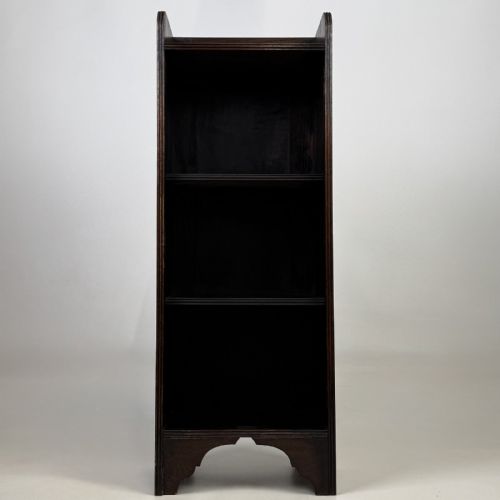
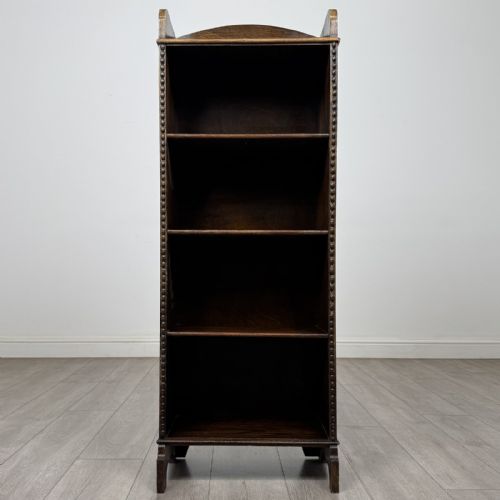
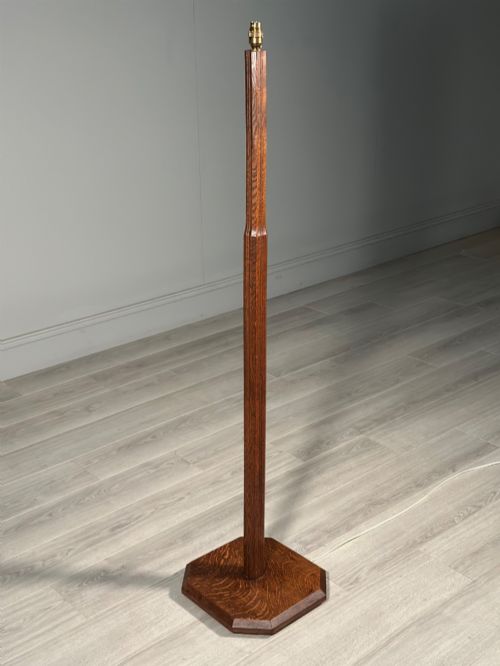
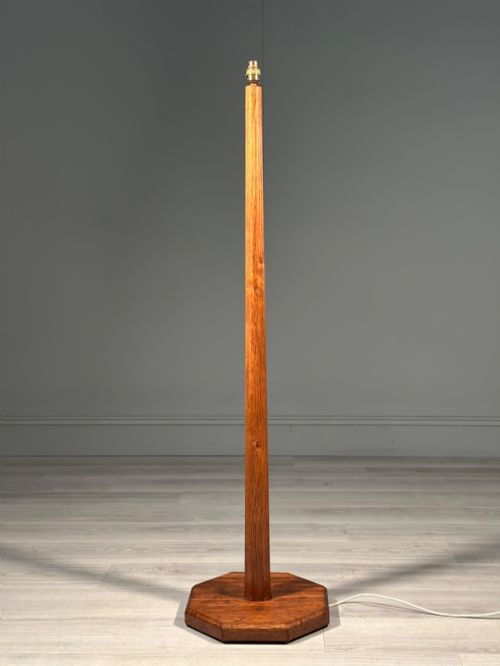
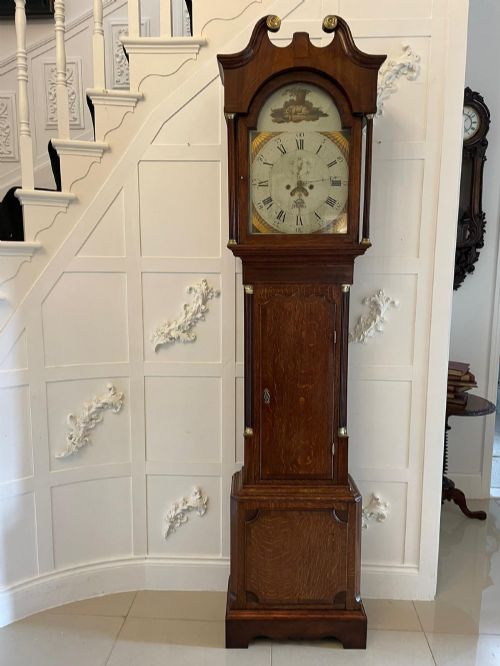
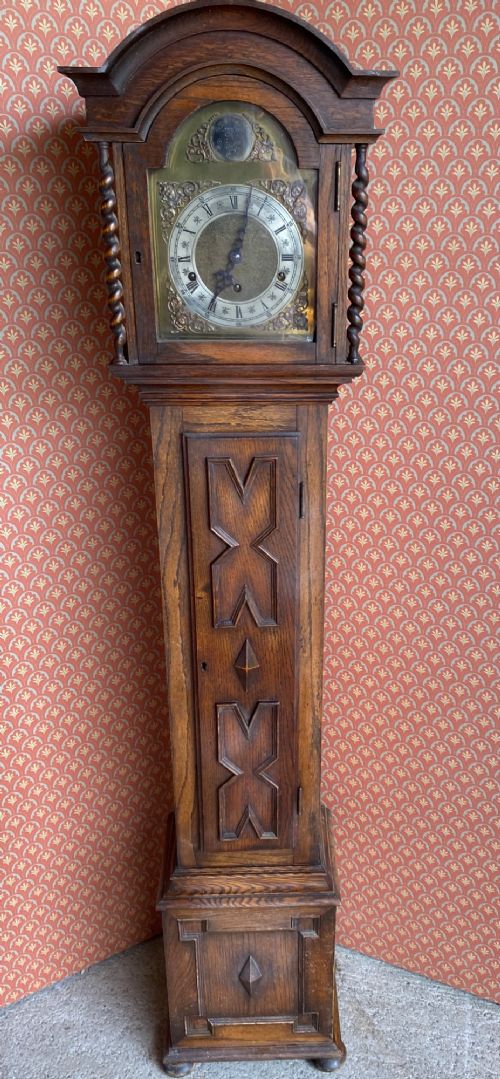
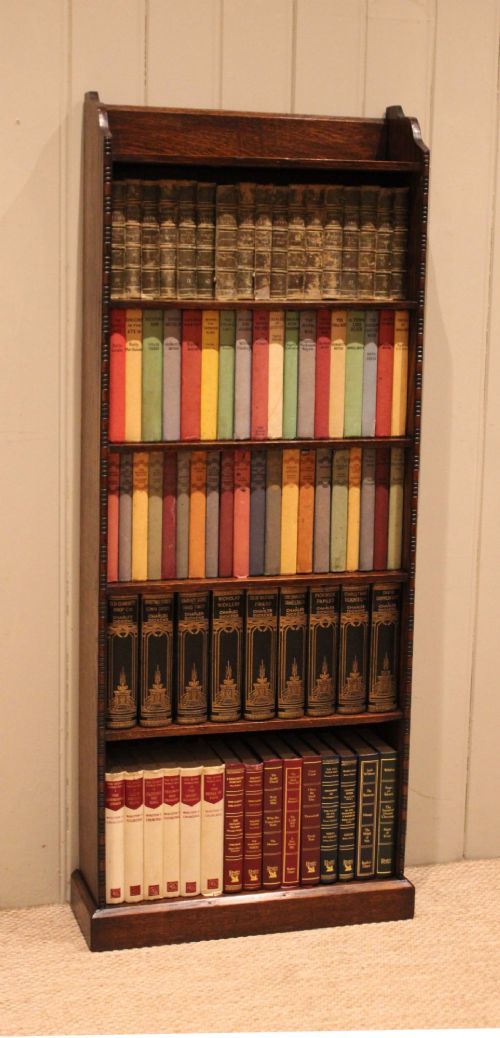
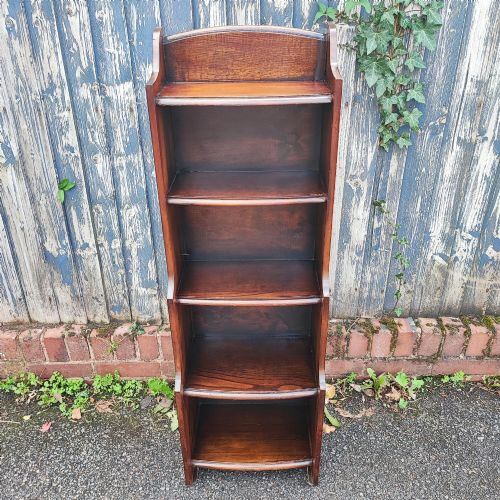
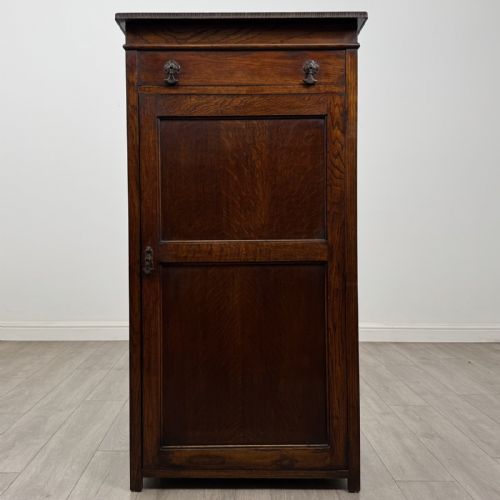
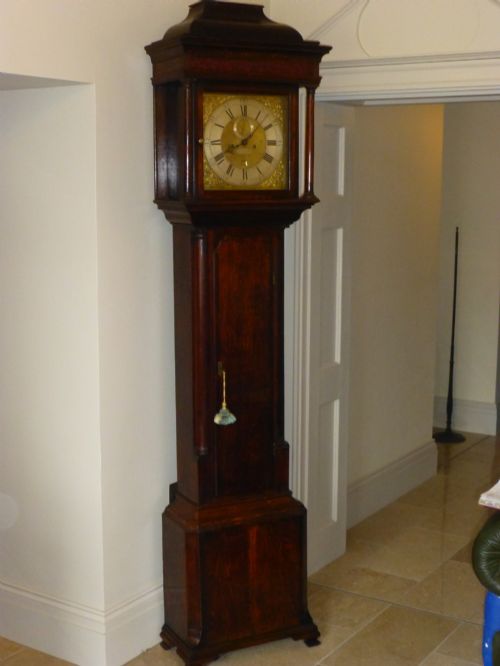
The versions most frequently met on this page include Edwardian and Arts and Crafts oak plant stands and jardiniere stands, often featuring tiered surfaces or brass detail. Alongside these dedicated stands, related vertical forms such as tall open bookcases, standard lamps and longcase clocks appear within the broader oak tradition.
Materials and Technique
Construction relies primarily on solid oak, selected for its strength and prominent grain pattern, sometimes complemented by secondary timbers or accents of brass, glass and iron. Cabinetmakers utilised traditional joining techniques to build stable vertical shafts and multi-tiered platforms capable of supporting weight without wobbling.
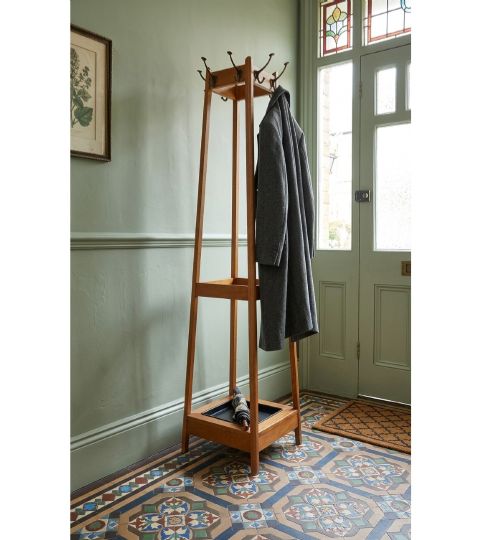
Surface finishes range from polished or waxed patinas that highlight the natural grain to carved detailing seen in French column pedestals and Arts and Crafts pieces. Metal components such as double hooks, umbrella holders and brass dial surrounds integrate functional hardware directly into the structural design.
Vintage Oak Tall Stand Retail Price Guide 2026
Typical asking prices for vintage oak tall stand among the pieces listed under this phrase on Sellingantiques today, from the lower quarter to the upper quarter. They describe what is for sale here now, not the wider market.
Some tall stands double as umbrella holders, ensuring guests are greeted by both flora and damp weather gear.
Distinguishing Quality
The distinction between standard utility items and finer examples rests on the crispness of execution, from the depth of hand-carved mouldings to the integration of thoughtful details like raised galleries or brass mounts. Sturdiness of the vertical frame and balance across multiple tiers indicate superior structural integrity.
The treatment of the timber itself dictates visual success, where well-chosen oak grain and a warm, maintained finish elevate a simple support into a refined decorative object.
Arthur Reynolds·GM Elwood·JS Henry·E.A. Taylor
The Vintage Oak Tall Stand Glossary
- Jardiniere stand
- A tall piece specifically designed to hold a plant pot or flower container, often incorporating a waterproof liner or raised rim.
- Gallery
- A raised border running along the edge of a shelf or top surface to prevent items from sliding off.
- Arts and Crafts
- A design movement prioritising honest construction, visible handcraftsmanship and simple forms derived from natural materials.
- Pedestal
- A standalone vertical column or support used to display sculpture, vases or decorative objects at eye level.
- Tiered
- A multi-level structure featuring successive platforms placed one above another to maximise display space.
Vintage Oak Tall Stand: Frequently Asked Questions
Where should I place a tall stand?
These pieces fit naturally into empty corners, beside doorways, or along narrow hallways where floor space is limited. Their vertical proportions draw the eye upward without crowding the room.
Position them where their specific surface configuration, whether a multi-tiered plant holder or a display column, can be appreciated from multiple angles.
Can these stands support heavy items?
Solid oak construction provides inherent stability, making these stands suitable for substantial potted plants, heavy lamps or bronze sculptures. The broad footprint of the base relative to the top platform determines overall load capacity.
Checking the rigidity of the joints ensures the piece remains steady under weight.
How do I care for oak furniture?
Regular dusting with a dry, soft cloth keeps the surface free of grit that might scratch the finish. Avoid placing timber furniture in direct sunlight or near heat sources to prevent the wood from drying out.
Applying a traditional beeswax periodically nourishes the oak and maintains its natural lustre.
How do I identify Edwardian oak pieces?
Edwardian furniture often combines traditional oak construction with lighter proportions and influences from the Arts and Crafts movement. Details such as chamfered edges, exposed joinery and occasional brass hardware frequently point to this period.
The overall aesthetic balances sturdy utility with refined, domestic elegance.