
Vintage Oak Table
A vintage oak table brings honest grain and enduring structure to a room, ranging from robust farmhouse boards to slender Edwardian writing desks.
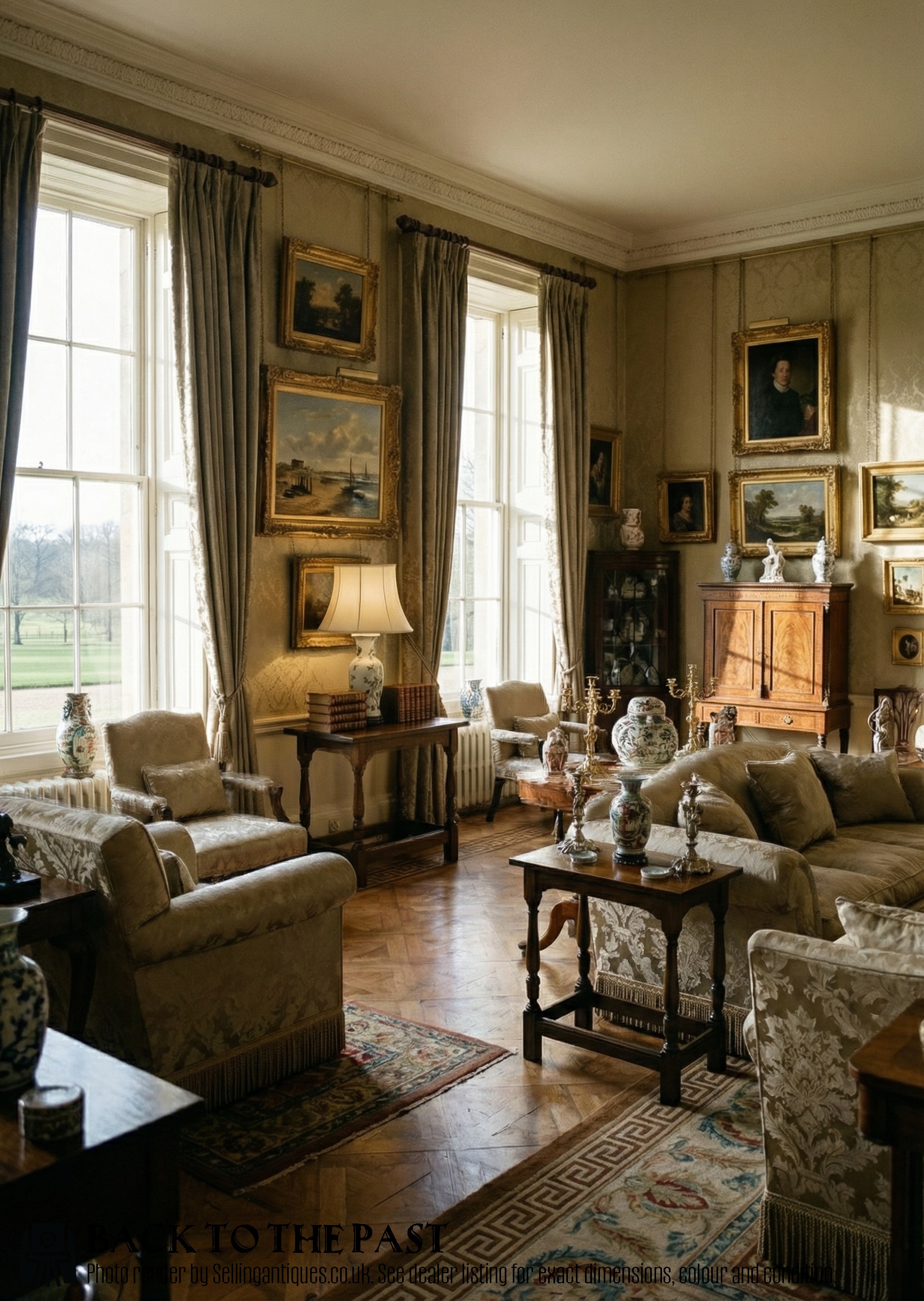
Vintage Oak Table
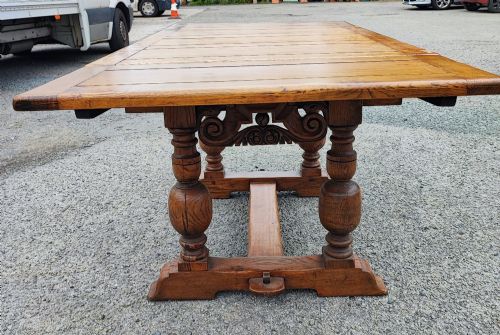
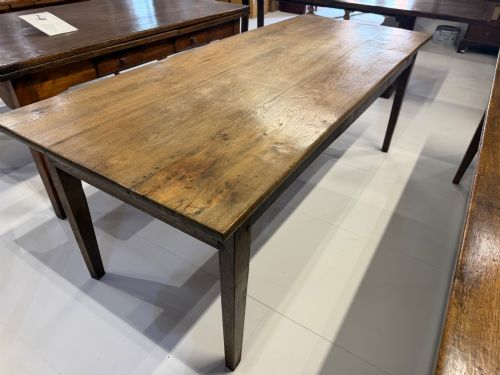
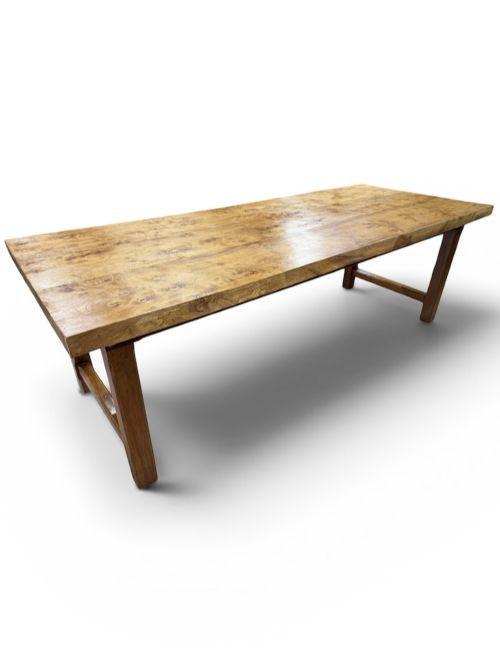
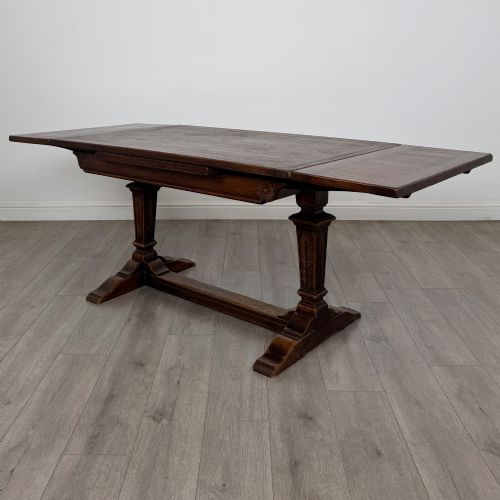
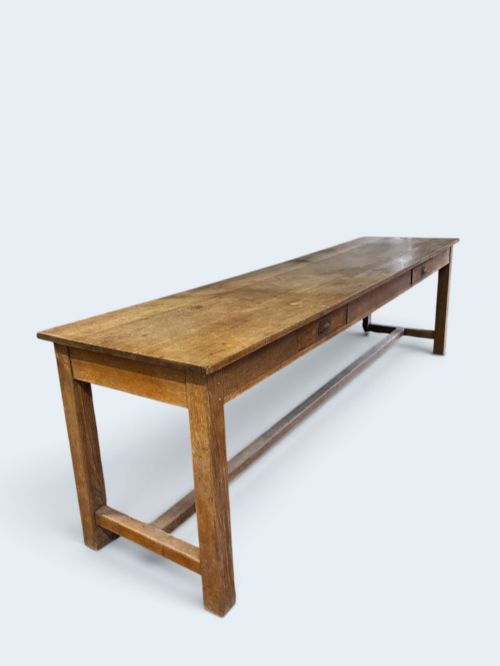
When you search for a vintage oak table, you encounter a wide variety of domestic forms spanning the Victorian, Edwardian, and Art Deco eras. Dining tables, refectory draw-leaf boards, and rustic farmhouse tables dominate the larger pieces, built for daily utility and heavy use.
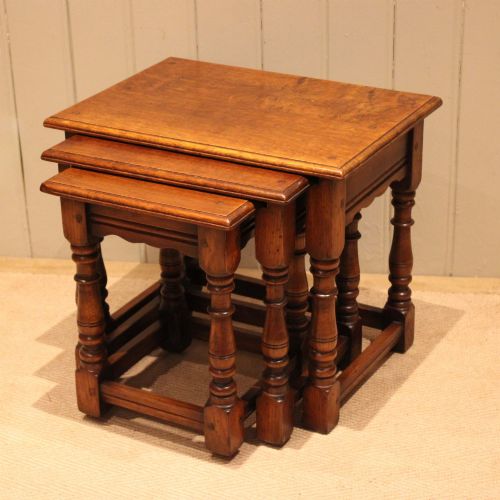
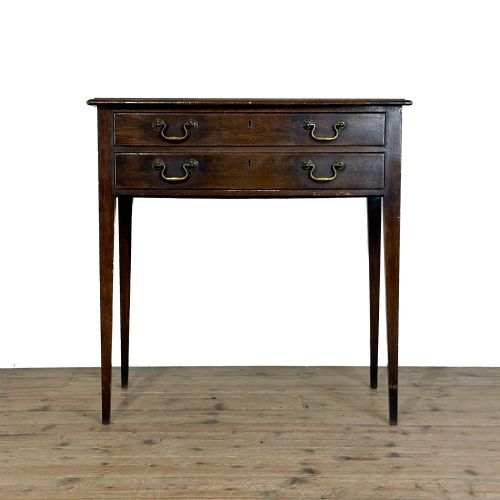
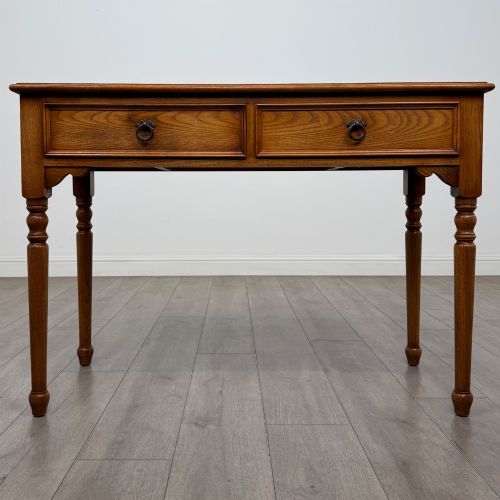
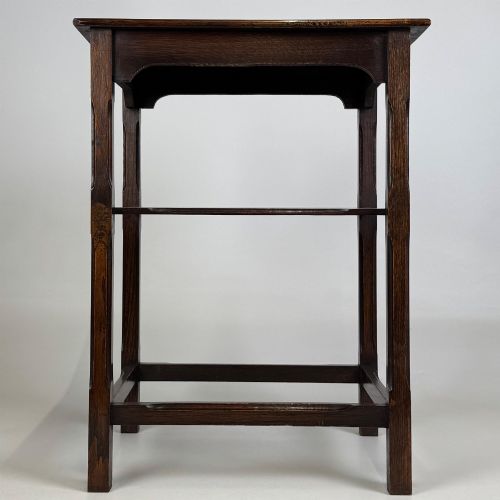
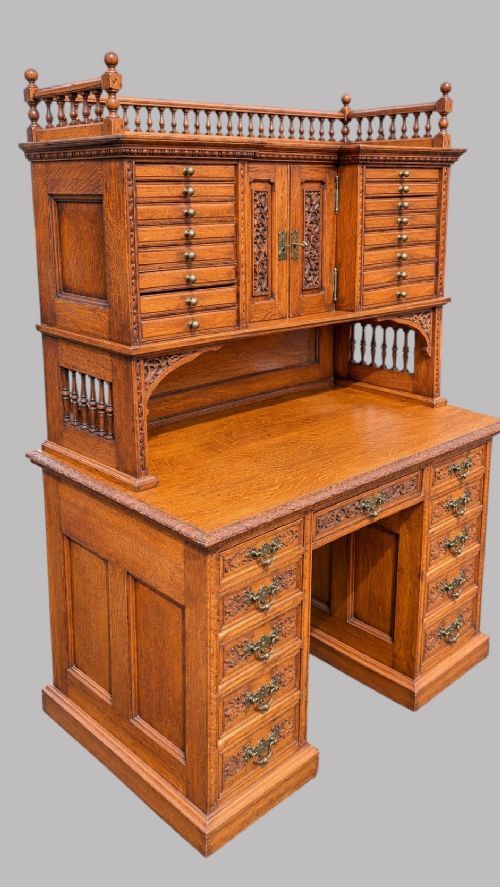
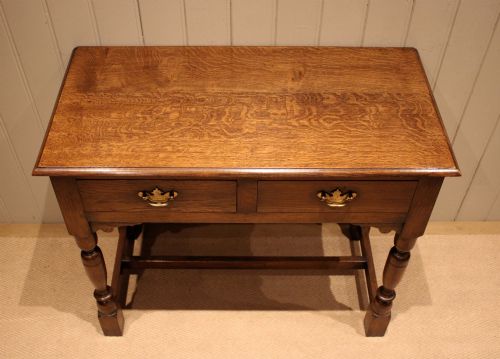
Smaller examples include side tables, occasional tables, nests of three, coffee tables, and plant stands. You also find specialised forms such as kneehole desks, writing tables, lowboys, and occasional gateleg tables suited for compact spaces.
How they were made
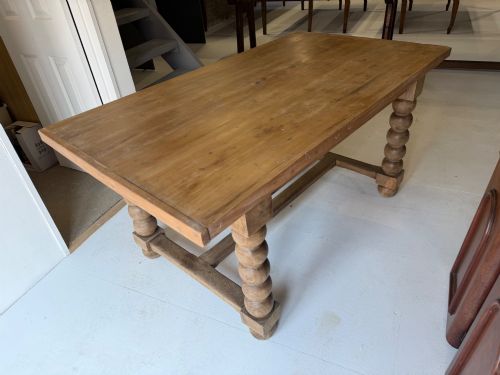
Makers utilised solid oak and pale oak alongside supportive secondary timbers such as beech, combined with iron, brass, and metal hardware. Construction methods relied on sturdy joinery, carved panels, bobbin-turned legs, and tapered supports.
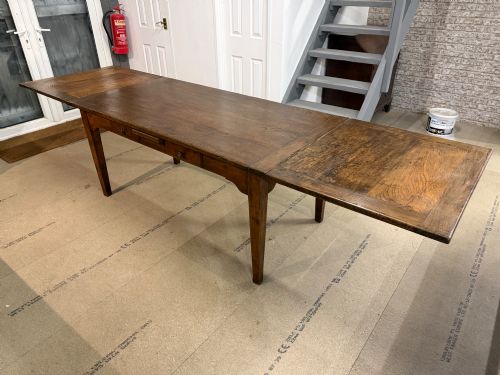
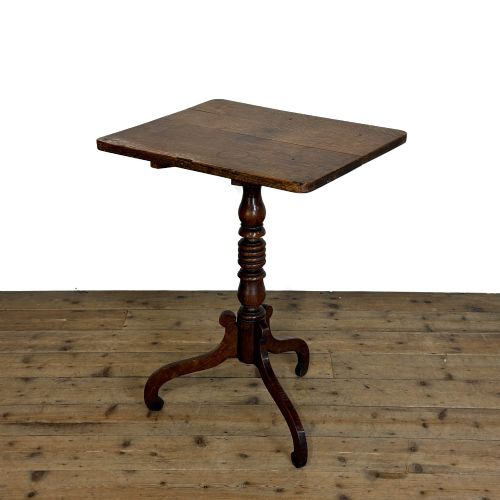
Surfaces often display geometric moulding, linenfold carving, or smooth polished finishes that highlight the natural grain of the wood. Drop-leaf actions, draw-leaf extensions, and tilt-top pedestals introduced practical adaptability to dining and serving furniture.
Vintage Oak Table Retail Price Guide 2026
Typical asking prices for vintage oak table among the pieces listed under this phrase on Sellingantiques today, from the lower quarter to the upper quarter. They describe what is for sale here now, not the wider market.
Materials paired with solid oak across the inventory include brass, iron, metal, beech, and occasional rosewood accents.
What varies in quality
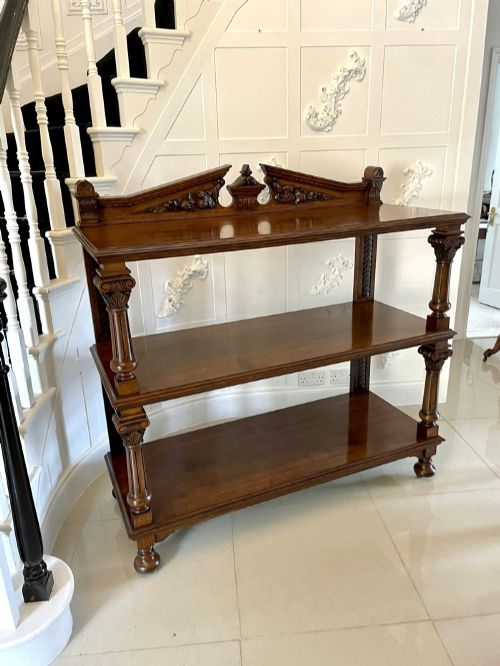
The distinction between standard utility items and superior examples lies in the selection of timber and the depth of the carving. Finely figured grain, balanced proportions, and substantial weight elevate pieces from simple vernacular furnishings to distinguished examples of Arts and Crafts or Jacobean Revival design.
Hardware integrity and the smoothness of mechanical elements, such as folding leaves or drawer runners, mark the difference in execution. Pieces that retain original brass fittings and uncompromised structural joints demonstrate superior craftsmanship.
The Vintage Oak Table Glossary
- Draw leaf
- A dining table with extension leaves stored beneath the main top that pull out from each end. This mechanism lengthens the surface without requiring separate loose boards.
- Refectory
- A long, narrow dining table traditionally built for communal eating halls. These heavy tables often feature trestle ends or stout legs linked by stretchers.
- Gateleg
- A table with hinged drop leaves supported by legs that swing outward like a gate. This design allows the table to fold down compactly when not in use.
- Lowboy
- A small oak side table or dressing table featuring a low profile and one or more drawers beneath the top. They originated in the late seventeenth century and continued in revival styles.
- Linenfold
- A style of carved wooden panelling that resembles folded vertical folds of fabric. This ornamentation frequently appears on cabinet doors and desk fronts.
Vintage Oak Table: Frequently Asked Questions
How do I style a vintage oak table in a modern room?
The natural warmth and strong grain of oak anchor contemporary interiors by adding tactile contrast against neutral walls or sleek metals. Pair a refectory or farmhouse dining table with simple chairs to let the timber remain the focal point.
Smaller occasional tables and plant stands work well beside modern seating as practical display surfaces. Their neutral tones bridge traditional craftsmanship with minimalist or industrial aesthetics.
What is the difference between a refectory table and a farmhouse table?
Refectory tables typically feature long, narrow proportions supported by trestle ends or heavy legs joined by low stretchers. They derive from monastic dining halls and prioritize stable, rigid construction for communal use.
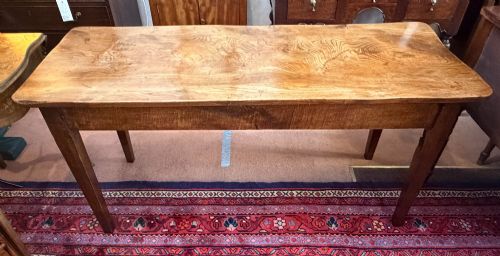
Farmhouse tables are generally wider and display more variation in leg placement, including tapered or turned supports. They were built for everyday rural kitchens and domestic work.
Can I use an antique oak desk for daily work?
Edwardian and Victorian writing desks, pedestal desks, and library tables offer sturdy writing surfaces equipped with functional drawers. Their classic dimensions accommodate modern laptops and paperwork while providing dedicated storage.
Ensure you check the kneehole height and surface area to match your seating and ergonomic needs before daily use. Many retain durable polished finishes that handle routine clerical tasks well.
How do I identify an Arts and Crafts oak table?
Arts and Crafts pieces emphasise visible construction methods, honest materials, and minimal machine ornamentation. Look for octagonal tops, plant stands, sturdy side tables, and clean lines that celebrate the natural texture of the oak.
Design influences from this movement often avoid excessive carving in favour of structural honesty and geometric simplicity. These pieces date predominantly from the late nineteenth century through the Edwardian period.