

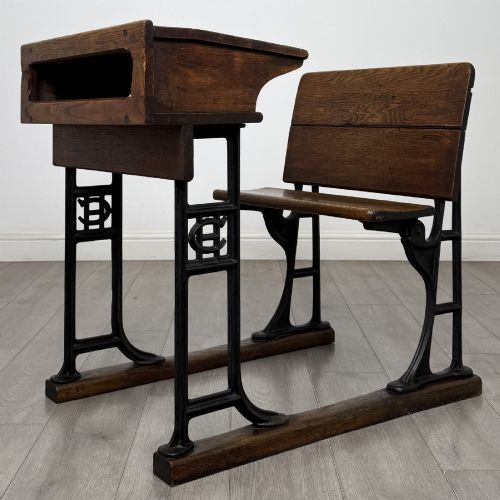
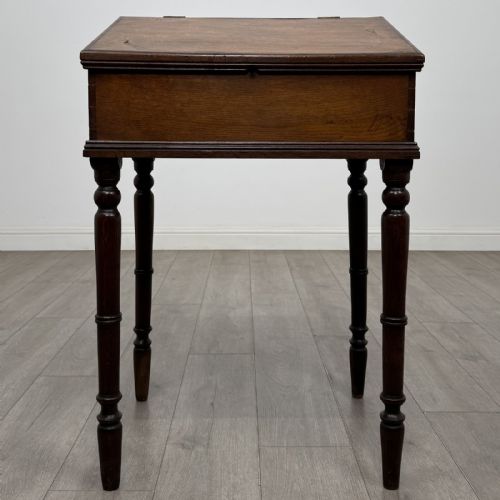
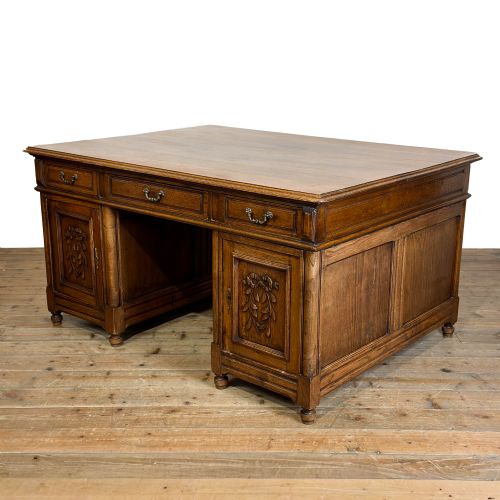
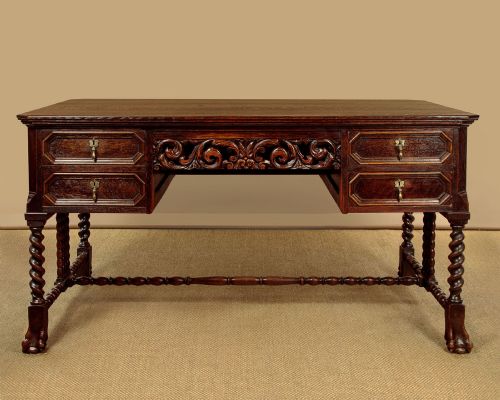

Vintage Oak Study Desk
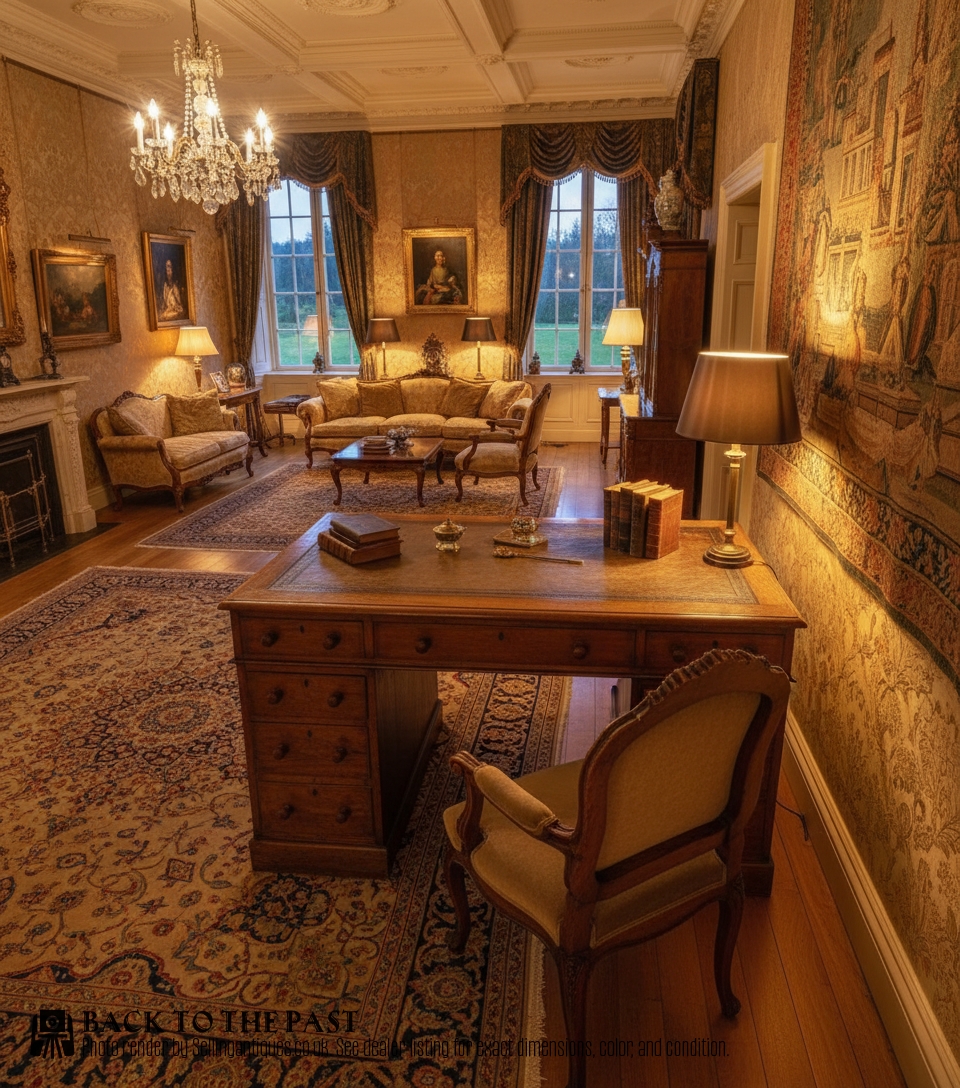
A vintage oak study desk brings substance and utility to a room, offering sturdy work surfaces shaped by decades of practical service.
Vintage Oak Study Desk
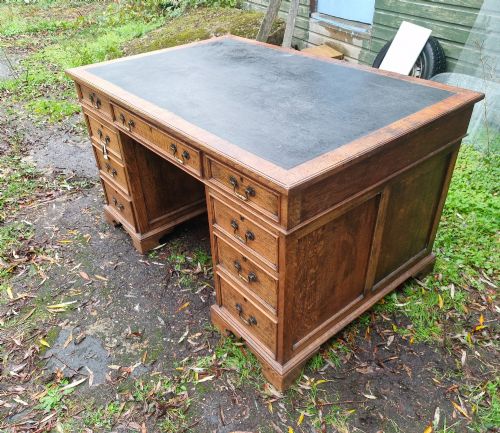
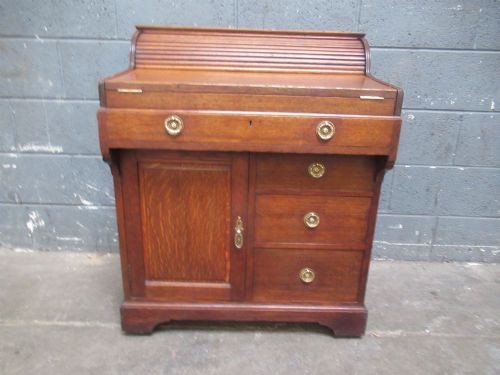
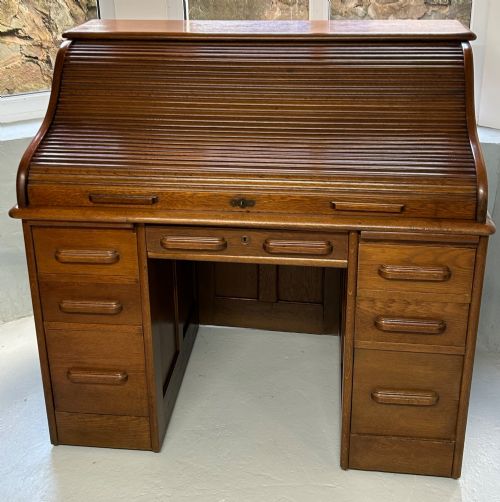
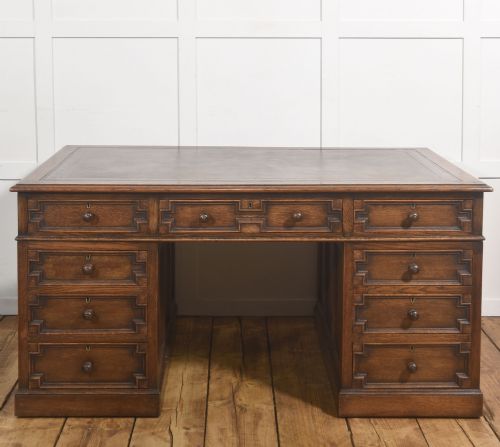
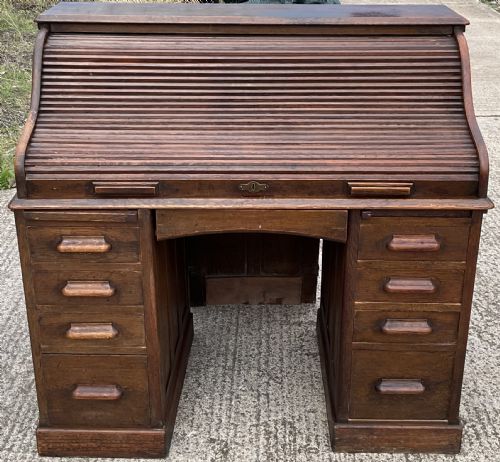
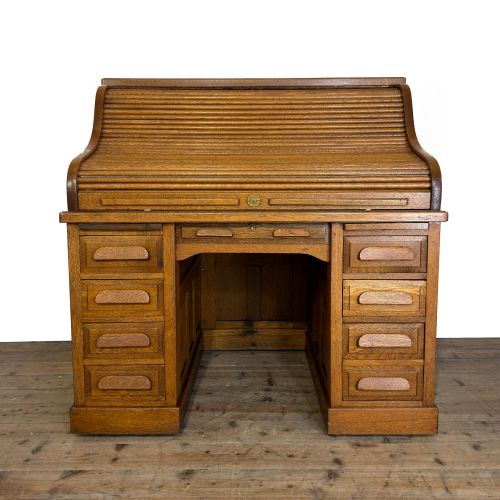
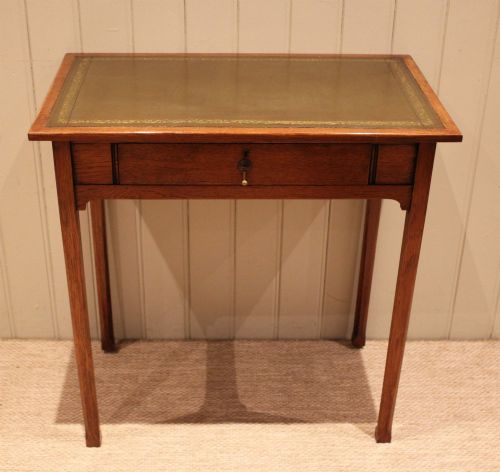
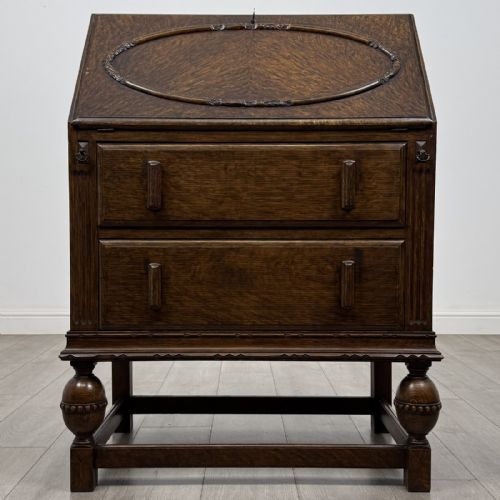
When searching for a vintage oak study desk, buyers encounter a variety of practical forms suited for writing, organisation, and daily work. The selections range from pedestal desks and kneehole formats to writing tables and bureaux originating from the Victorian, Edwardian, and Art Deco periods.
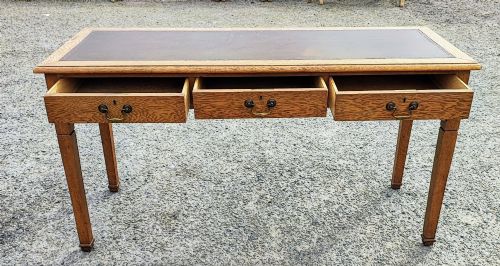
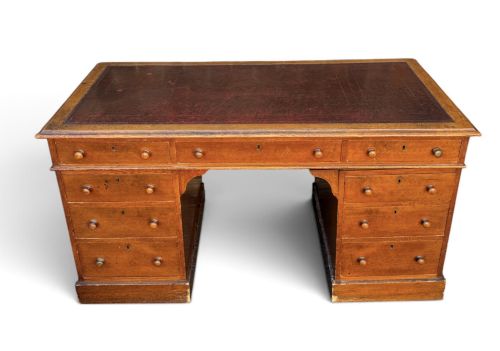
The version most commonly met on this page is the Edwardian or late 19th-century writing table and pedestal desk, often featuring multiple drawers and solid timber construction. Pieces span from simple two-drawer writing desks to large library tables and compartmentalised writing bureaux.
Origins include English workshops alongside occasional continental examples, reflecting the widespread utility of oak furniture across homes and public institutions. Stylistic influences vary from Arts and Crafts simplicity to Gothic Revival and modernist Art Deco interpretations.
Materials and construction methods
Construction relies heavily on solid oak and figured veneers such as burr walnut, combined with functional hardware in brass, iron, and cast iron. Timber is selected for grain pattern and durability, forming robust carcases and writing surfaces designed to withstand heavy daily use.
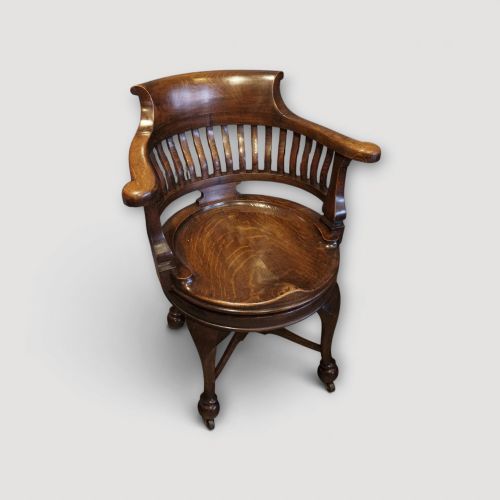
Working surfaces frequently incorporate inset leather panels alongside traditional drawer framing and carved details like linenfold motifs. Structural joints reflect period cabinet-making techniques, ensuring stability across pedestal forms, writing tables, and swivel chairs.
Vintage Oak Study Desk Retail Price Guide 2026
Typical asking prices for vintage oak study desk among the pieces listed under this phrase on Sellingantiques today, from the lower quarter to the upper quarter. They describe what is for sale here now, not the wider market.
Drop side flaps on small writing tables offer an ingenious way to expand your workspace instantly when paperwork multiplies.
Distinguishing quality in period desks
The distinction between tiers of quality rests on the selection of timber, the crispness of carved detail, and the integrity of internal construction. Superior examples exhibit carefully matched grain, substantial thickness in solid oak elements, and refined proportions.
Hardware execution and secondary timbers also signal distinction, separating standard utility pieces from finely finished library desks and labelled workshop productions. The retention of original leather writing inserts, fitted drawer interiors, and smooth mechanical action further elevates a piece.

Heals of London·Bryn Mawr Welsh
The Vintage Oak Study Desk Glossary
- Pedestal desk
- A freestanding desk comprising two supporting banks of drawers with a central recess for the user. These sturdy items provide substantial storage capacity.
- Bureau
- A desk featuring a sloping hinged writing flap that opens to reveal internal compartments and pigeonholes. They frequently incorporate lower drawers.
- Kneehole desk
- A compact desk design with a central space for the legs flanked by smaller pedestals or cupboards. They suit smaller study spaces.
- Linenfold
- A style of carved wood panel relief resembling folded linen fabric. It appears commonly on Edwardian and Arts and Crafts cabinet doors and desk fronts.
- Partners desk
- A large double-sided desk designed for two people to work opposite one another. These feature drawers and cupboards accessible from both sides.
Vintage Oak Study Desk: Frequently Asked Questions
How do I identify an Edwardian oak desk?
Edwardian desks often display lighter golden oak tones, simpler rectilinear proportions, and occasional Arts and Crafts or linenfold carving details.
They typically date from the early 1900s and prioritize practical domestic utility alongside clean period styling.
Are these desks suitable for daily computer work?
Many period desks accommodate modern technology well, provided the dimensions and kneehole clearances match your specific equipment.
Checking the internal drawer heights and surface depth ensures adequate space for laptops and writing materials.
How should I care for a leather desk top?
Leather writing surfaces benefit from gentle cleaning with a damp cloth and occasional application of appropriate leather cream to prevent drying.
Avoiding direct sunlight and excessive heat preserves the suppleness and colour of the material over time.