
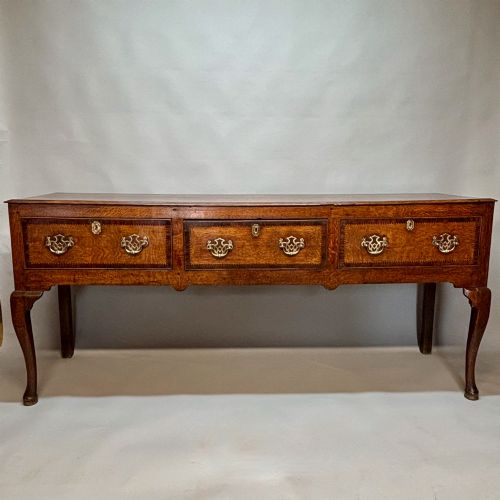
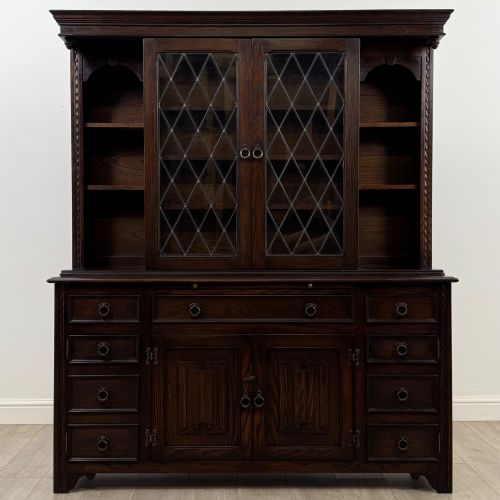
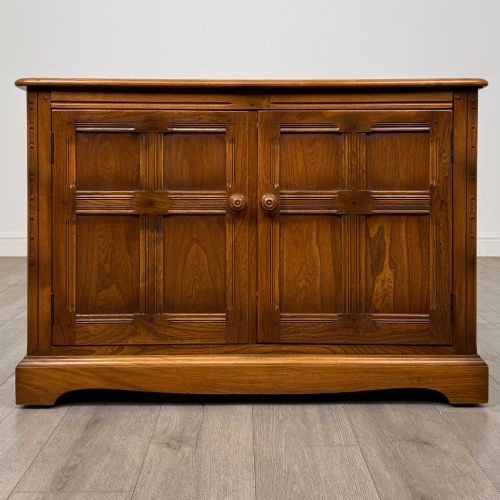
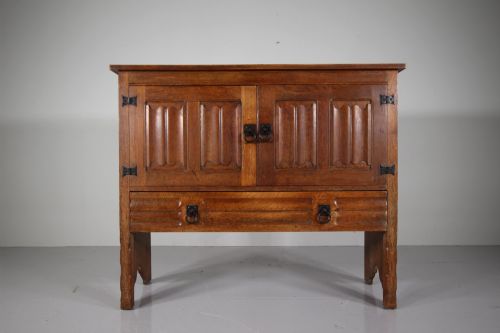
Vintage Oak Storage Sideboard
A vintage oak storage sideboard provides sturdy utility and classic timber character, uniting practical interior organisation with enduring domestic presence.
Vintage Oak Storage Sideboard
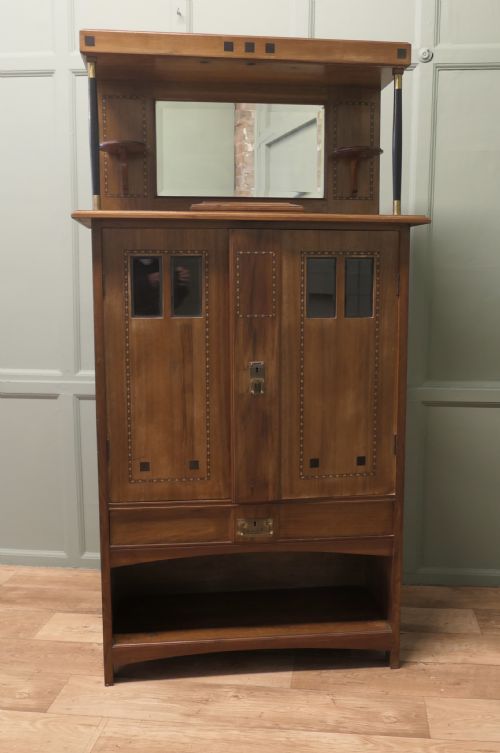
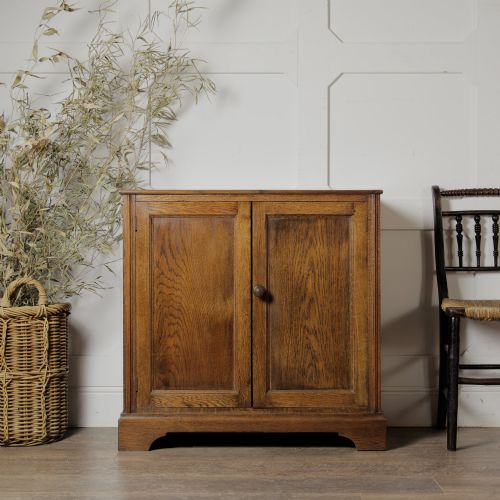
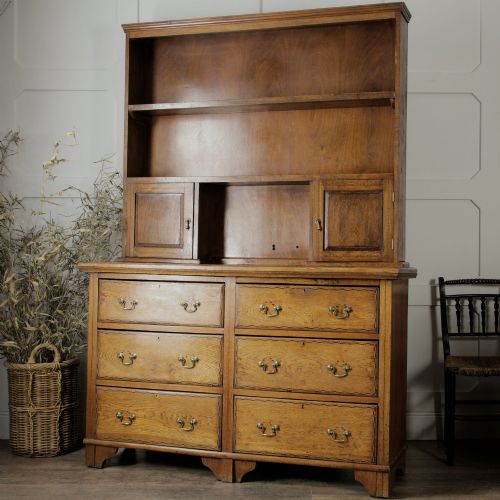
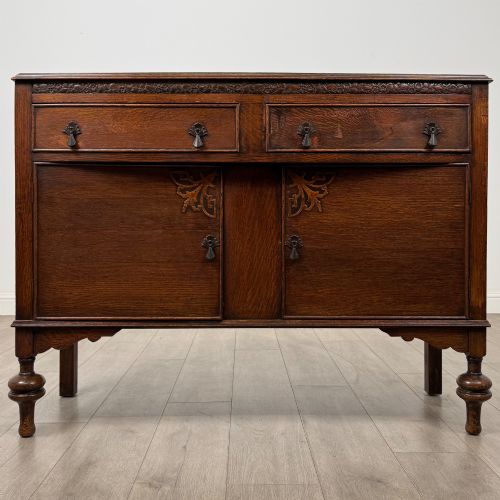
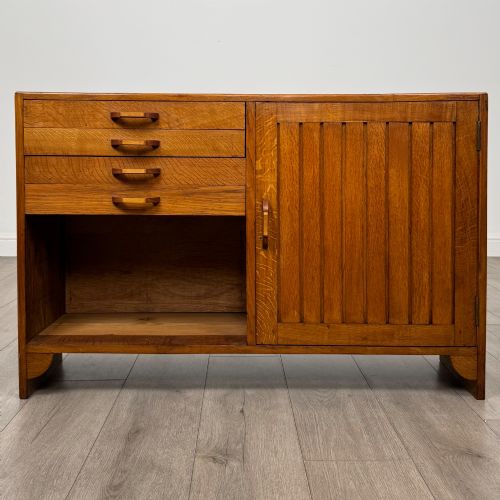
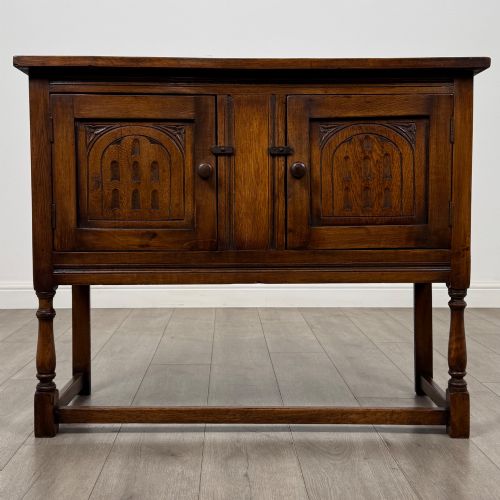
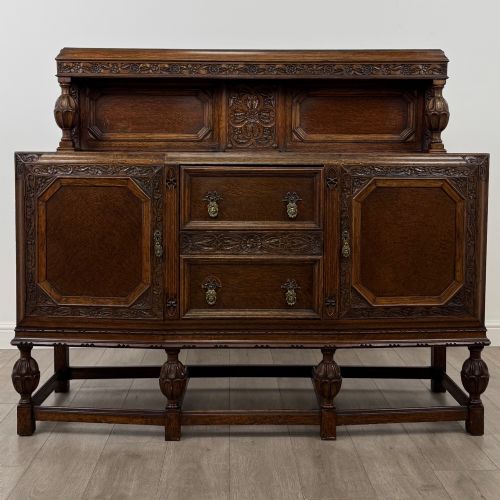
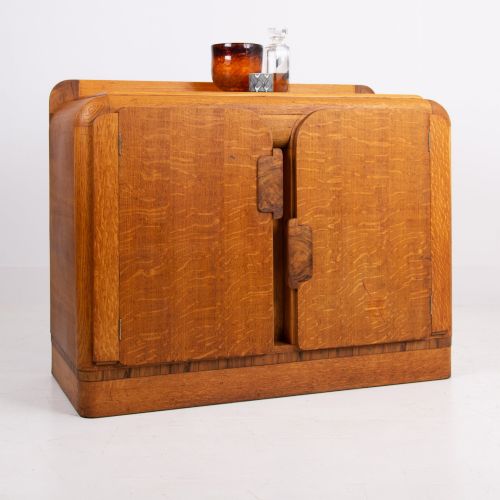
A vintage oak storage sideboard brings substantial timber cabinetry into a room, serving as a dependable surface and a concealed cabinet for household goods. When you search for a vintage oak storage sideboard, you encounter forms spanning centuries, from robust eighteenth-century dresser bases to streamlined early twentieth-century cupboards.
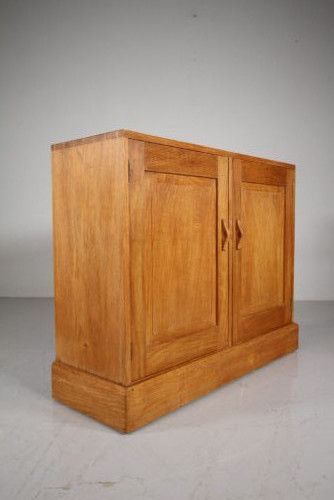
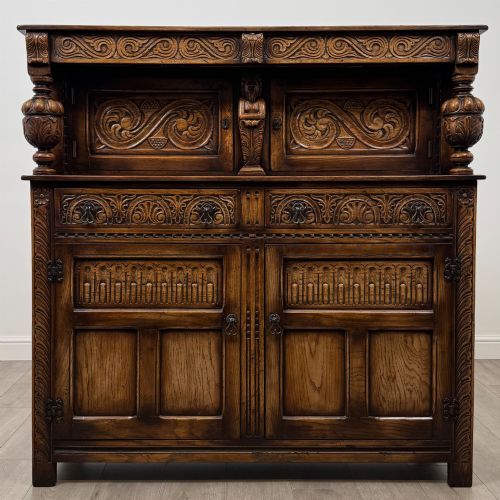
The pieces appearing on this page originate predominantly from the Edwardian era and the nineteen-twenties, alongside Georgian and nineteenth-century examples. These works manifest in distinct aesthetic expressions, including Jacobean Revival, Arts and Crafts, Gothic Revival, and Art Deco designs.
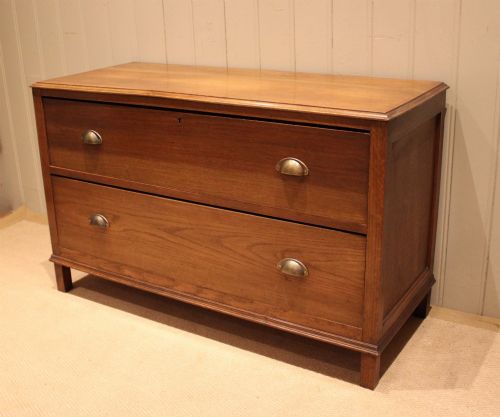
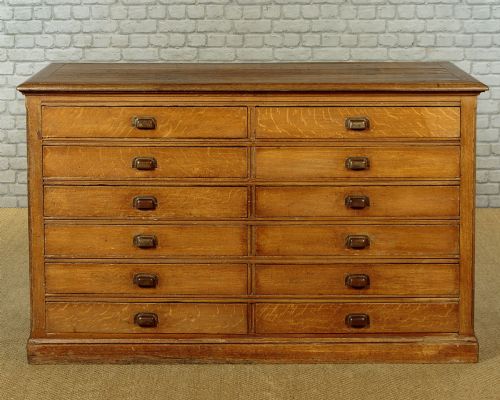
Makers and workshops range from notable names like Gomme, Peter Waals, and Heals of London to provincial cabinetmakers working in English, Welsh, and French traditions. Forms vary from low chests of drawers and court cupboards to fitted sideboards and cocktail display cabinets.
Distinguishing quality in oak storage furniture
Gradations in quality depend heavily on the selection of timber, ranging from standard plain oak to richly figured golden oak and solid honey tones. The depth and precision of hand-carving or the crisp execution of revival styles mark superior workshop output.
Attribution to documented designers and firms, such as Cotswold School makers or London retailers, elevates an object above standard provincial joinery. Original hardware, fitted internal compartments, and sound structural integrity further divide ordinary utility furniture from distinguished cabinetmaking.
Materials recorded across the inventory include solid oak, golden oak, brass, iron, mirror glass, and fruit wood.
Gomme·Peter Waals·Heals of London·Charles Dudouyt
The Vintage Oak Storage Sideboard Glossary
- Court cupboard
- A traditional short cabinet featuring enclosed upper and lower storage sections. These pieces often display carved panels and heavy proportions typical of earlier revival periods.
- Dresser base
- The lower section of a kitchen or dining dresser equipped with drawers and cupboards. This form omits the upper plate rack entirely, presenting a low sideboard profile.
- Jacobean Revival
- A nineteenth and twentieth-century design style emulating seventeenth-century English furnishings. Characteristics include geometric mouldings, strapwork carving, and turned supports.
- Limed oak
- A wood finishing technique that fills the open grain of oak with a pale pigment. This treatment produces a lighter, softened surface popular during the early twentieth century.
- Secessionist
- A progressive design movement associated with the early twentieth century. Objects in this vein emphasise clean structural lines and restrained geometric decoration.
Vintage Oak Storage Sideboard: Frequently Asked Questions
What is a vintage oak storage sideboard used for?
These pieces serve primarily for dining room and living room organisation, holding tableware, linens, and household items behind closed doors. The top surface provides ample space for serving food or displaying decorative objects.
Historically, similar furniture evolved from simple food cupboards and serving tables into sophisticated storage furniture designed to anchor a room's decor.
How do I date an oak sideboard?
Dating relies on examining construction techniques, hardware, and stylistic indicators such as carved motifs or leg shapes. Edwardian and 1920s pieces often feature lighter oak tones and specific revival styles.
Earlier eighteenth and nineteenth-century examples display hand-cut joinery, pegged joints, and heavier timber proportions that reflect the working methods of their respective periods.
Are these sideboards made of solid oak?
Many listings specify solid oak or golden oak construction, particularly across Edwardian and early twentieth-century examples. Cabinetmakers used thick timber boards for tops, doors, and structural framing.
Some larger or later pieces may incorporate secondary timbers in non-visible areas like drawer linings or carcase backs, following traditional cabinetmaking standards.
How do I care for vintage oak furniture?
Maintain oak surfaces by keeping them away from direct heat sources and strong sunlight, which can dry out or bleach the timber. Regular dusting with a soft, dry cloth preserves the finish without requiring heavy polishes.
Feed the wood periodically with a suitable beeswax to nourish the grain and protect the patina accumulated over decades of use.