
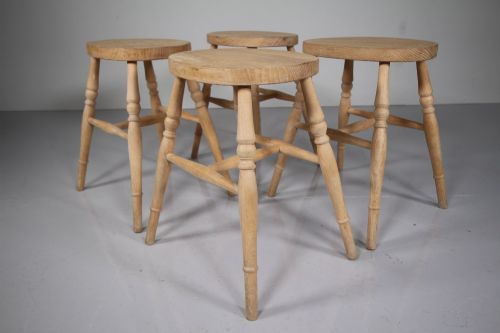
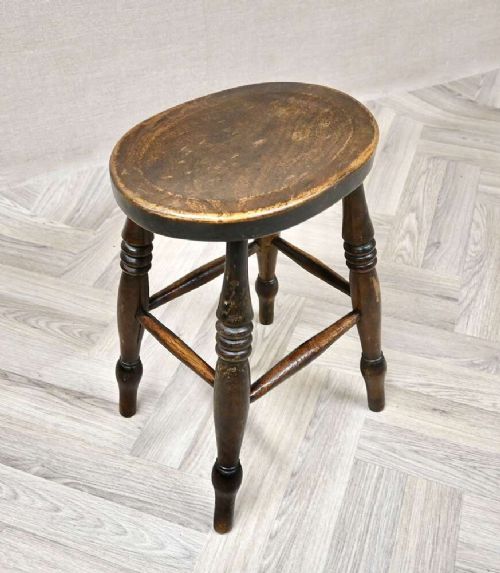
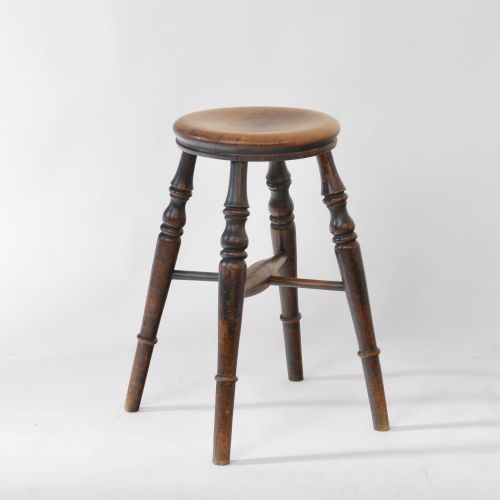
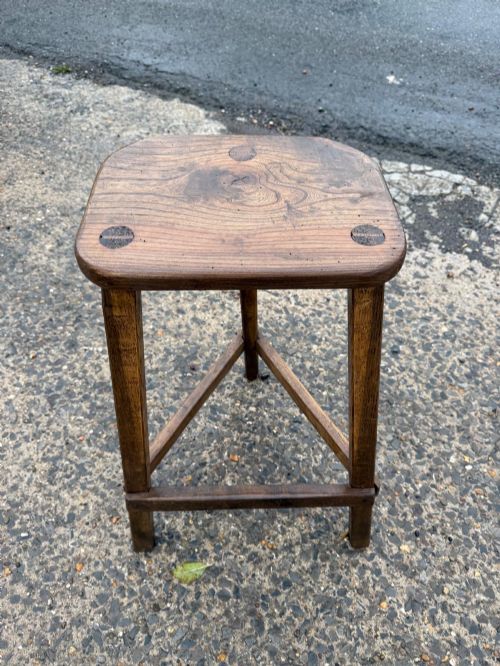
Vintage Oak Stool
A vintage oak stool brings solid timber character and honest utility to any room, offering straightforward seating with genuine history.
Vintage Oak Stool
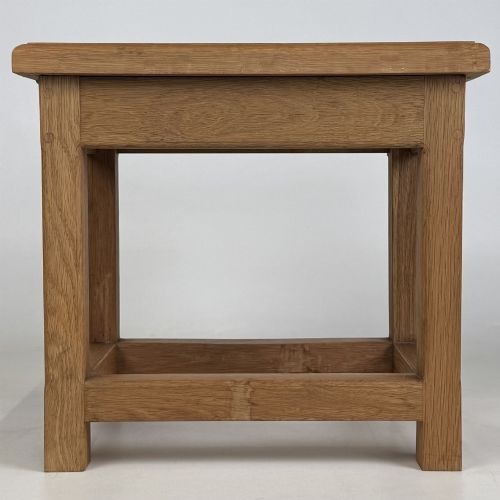
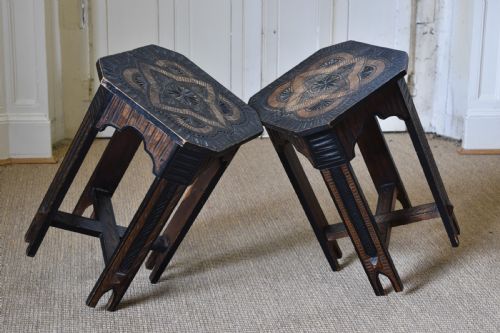
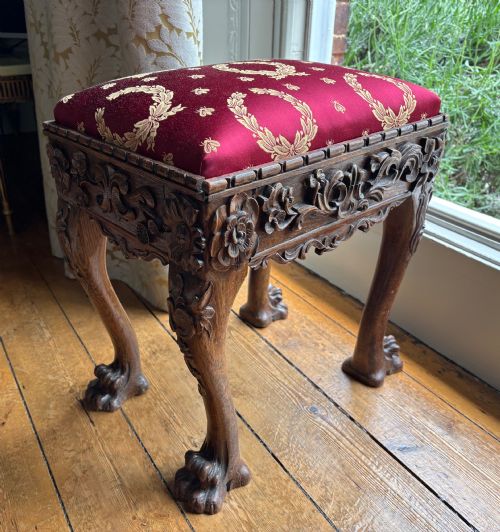
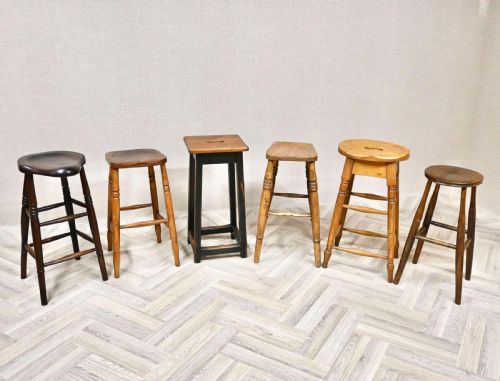
A vintage oak stool encompasses a range of seating and utilitarian forms spanning the eighteenth, nineteenth, and twentieth centuries, including rustic milking designs, tavern seats, and joint stools. Buyers seeking a vintage oak stool encounter pieces reflecting specific periods such as the Edwardian era, the Victorian epoch, and the nineteen-thirties.
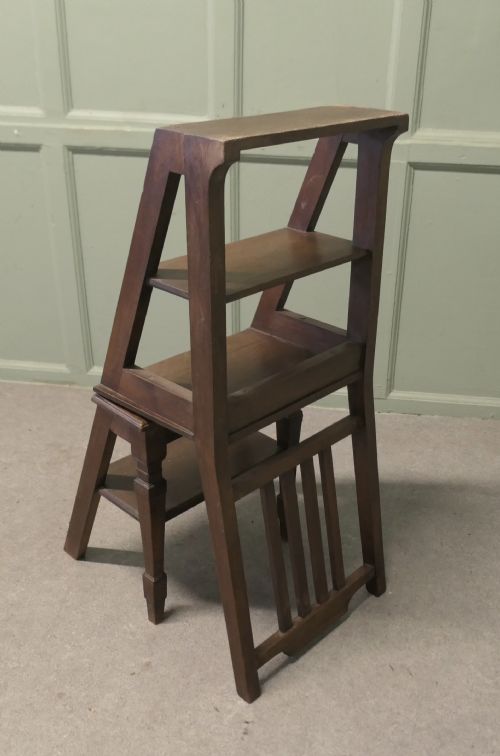
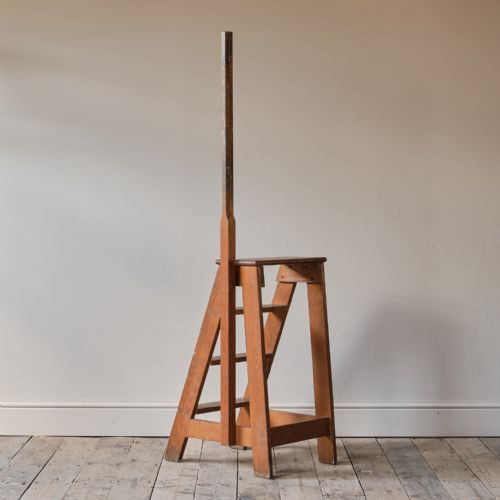
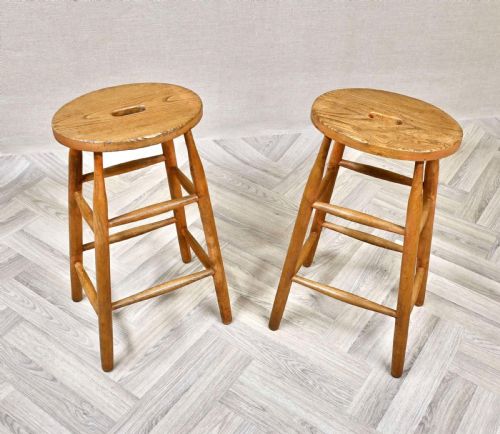
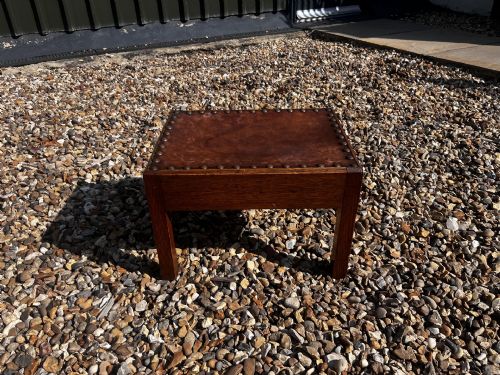
The selection includes low footstools, tall bar stools, library steps, and dressing stools, alongside related forms like side tables and luggage racks that share similar period materials. Simpler domestic examples sit alongside revival styles like Jacobean and Arts and Crafts designs.
Originating predominantly from English workshops, these items serve multiple functions around the home, functioning as occasional seats, side surfaces, or display plinths. The heavy presence of nineteenth-century and early twentieth-century examples defines the core of what is available.
Assessing quality in older seating
Quality rests upon the integrity of the timber and the tightness of the original joints, with heavier, denser oak indicating superior selection. Pieces retaining their original surface patination and uncompromised structural pins command greater respect than those with heavily sanded timbers.
Design ambition separates basic utility items from workshop pieces, where thoughtful proportions, balanced turnings, and deliberate decorative choices elevate simple furniture into accomplished examples of period craftsmanship.
Vintage Oak Stool Retail Price Guide 2026
Typical asking prices for vintage oak stool among the pieces listed under this phrase on Sellingantiques today, from the lower quarter to the upper quarter. They describe what is for sale here now, not the wider market.
One-legged milking stools allowed dairymaids to strap the seat to themselves while moving around the cow, freeing their hands entirely.
Arthur Simpson Of Kendal·Harry And Lou Epstein
The Vintage Oak Stool Glossary
- Joint stool
- A solid timber stool constructed with mortise and tenon joints rather than turned legs driven into a seat. These sturdy pieces date back centuries and served various domestic purposes.
- Metamorphic
- Furniture designed to transform from one object into another, such as library steps that fold down into a chair. This clever engineering was particularly popular during the nineteenth and early twentieth centuries.
- Milking stool
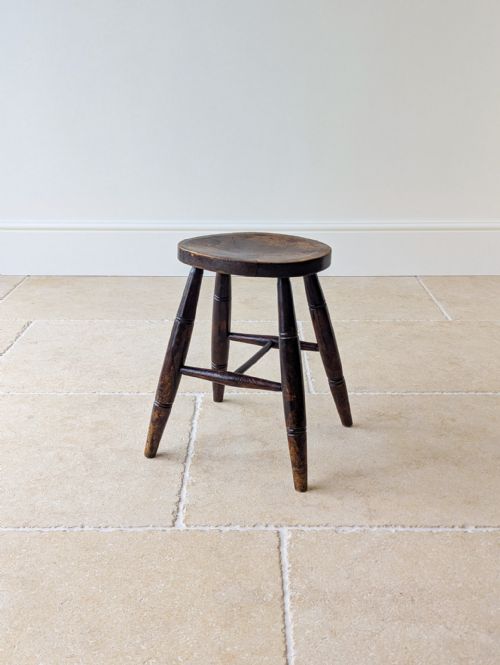
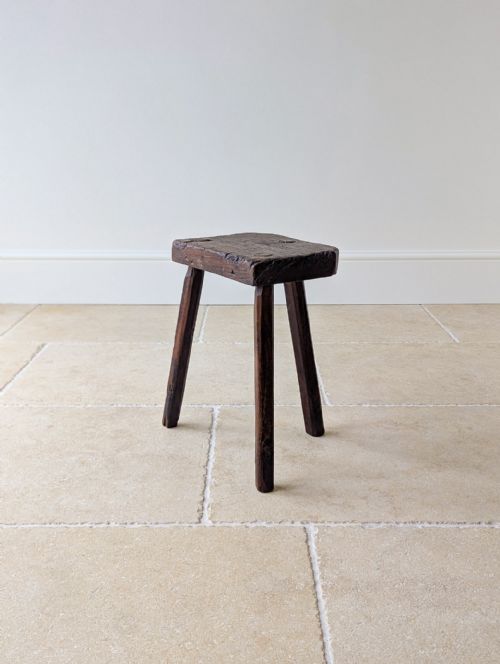
- A simple rustic seat, often featuring three legs for stability on uneven ground and constructed from elm or oak. They represent primitive domestic craftsmanship at its most direct.
- Bobbin turned
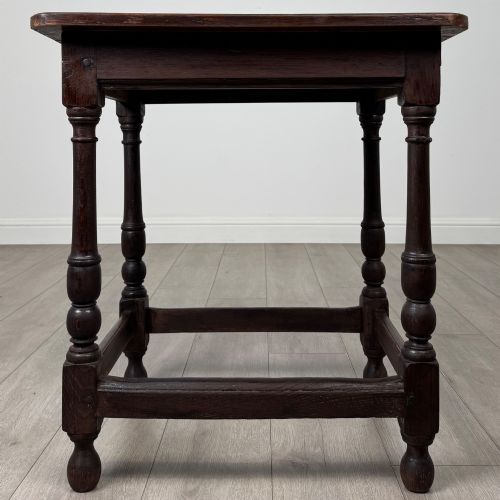
- A style of furniture leg or stretcher shaped on a lathe to resemble a series of bobbins or spools strung together. It creates a decorative, tactile profile popular in seventeenth-century and later revival pieces.
- Patina
- The surface sheen and colour developed by timber over decades of handling, polishing, and exposure to light. A rich patina indicates age and gentle use.
Vintage Oak Stool: Frequently Asked Questions
How do I date a vintage oak stool?
Dating relies on examining the construction marks, timber selection, tool methods, and stylistic cues present in the piece. Eighteenth and nineteenth-century examples often display hand-cut joinery and deep patination, whereas twentieth-century items may show early machine production.
Comparing the turning style and overall proportions against known period designs helps narrow down the decade of manufacture. Consulting archives and similar documented examples provides further confirmation.
Were these stools used in homes or workplaces?
These pieces served both domestic and industrial environments depending on their specific form. Pubs, taverns, dairies, and silversmith workshops utilised tall bar stools, milking stools, and artisan seats for daily labour.
Domestic spaces welcomed dressing stools, piano seats, footstools, and fireside seating. Their sturdy construction allowed them to transition easily between working roles and household living spaces over time.
How should I care for vintage oak furniture?
Maintain the wood by applying natural beeswax periodically to nourish the dry timber and protect the surface. Avoid placing wooden seating near direct heat sources or in strong sunlight to prevent splitting and fading.
Dust regularly with a soft, dry cloth rather than using harsh liquid cleaners that strip the historic finish. Gentle handling ensures the original patination remains intact for years to come.
What is the difference between a footstool and a hearth stool?
Footstools generally measure smaller and sit lower to the ground, designed specifically to support feet while resting in an armchair. Hearth stools offer a larger surface area and were traditionally placed near the fireplace for additional fireside seating.
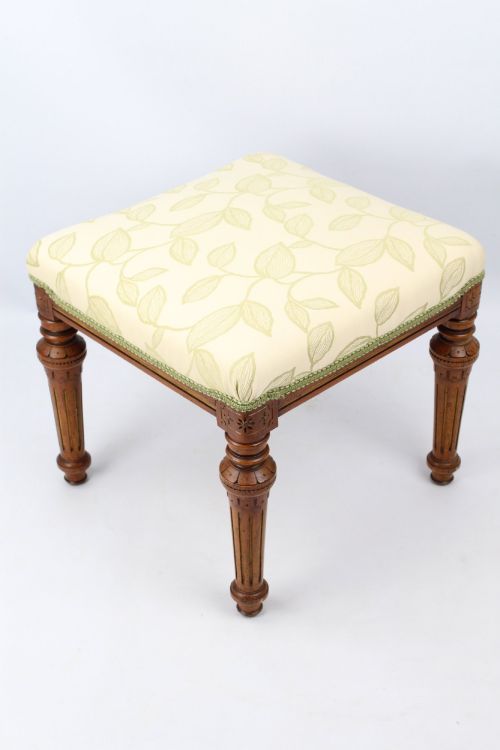
Both types frequently feature upholstered tops, though hearth stools often showcase more substantial oak frames to support heavier weight.