
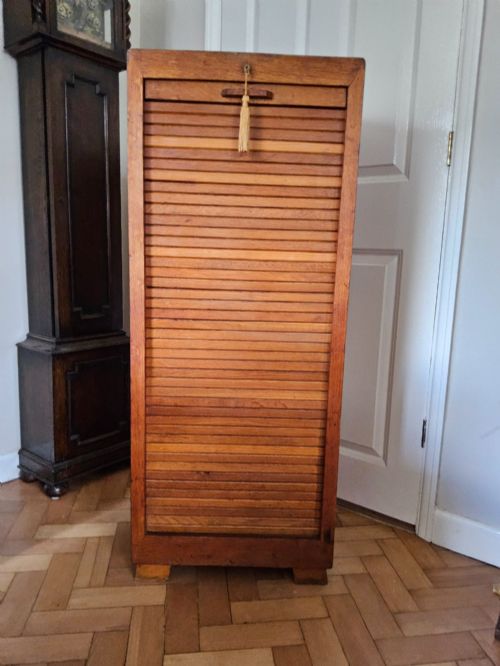
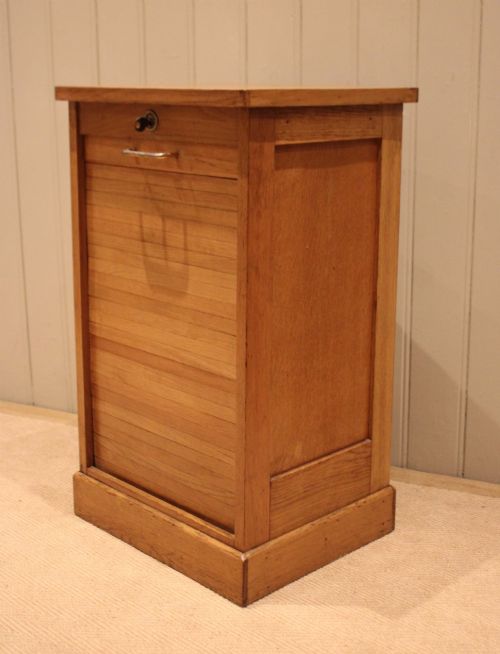
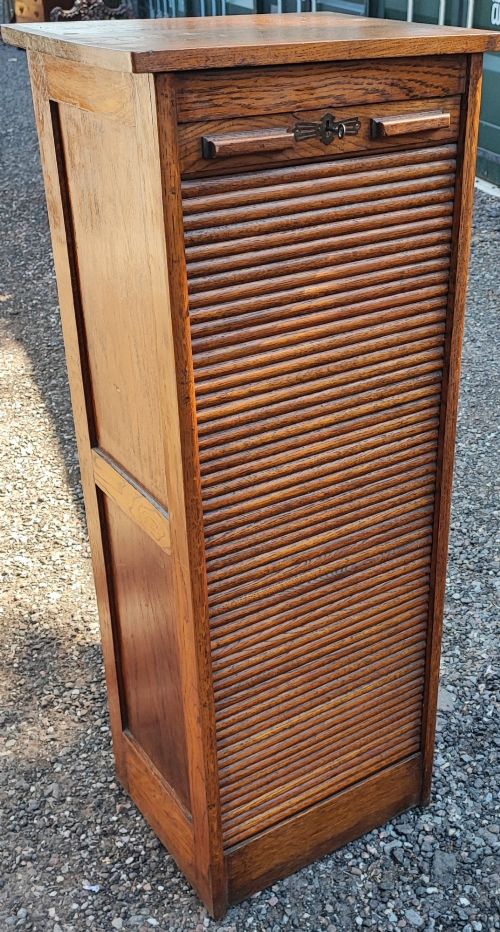
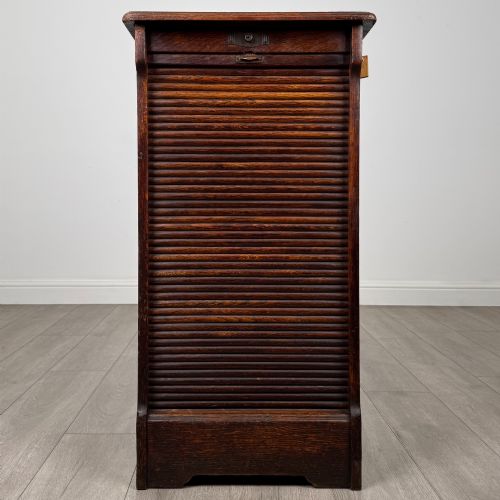

Vintage Oak File Cabinet
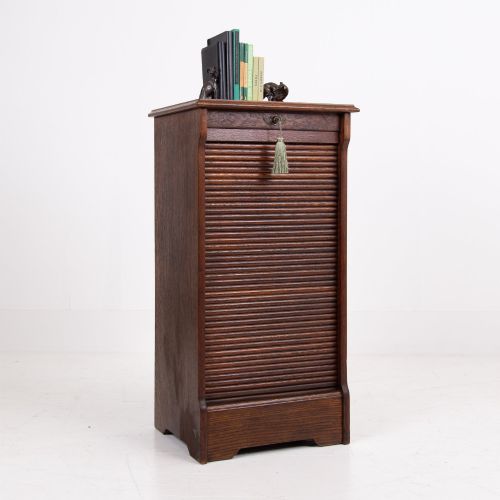
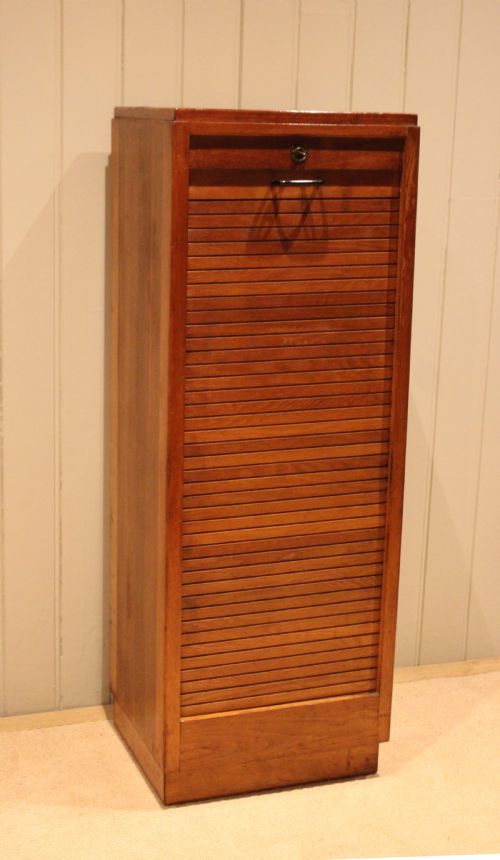
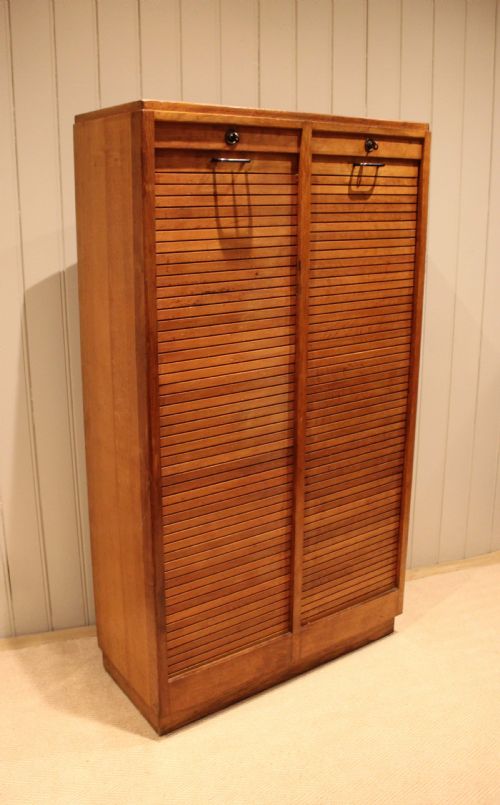
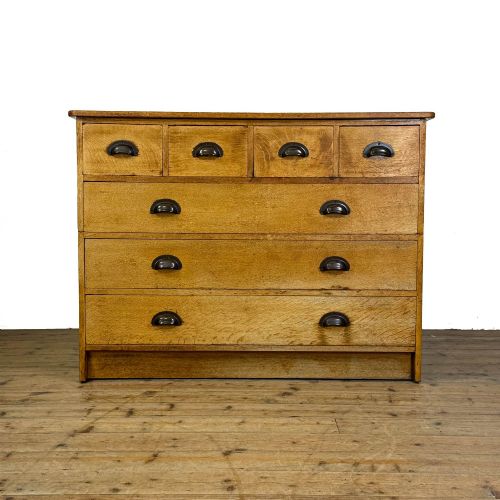
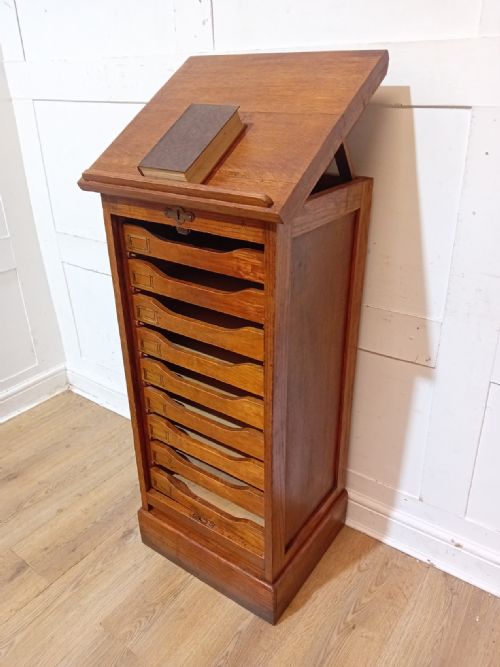
A vintage oak file cabinet brings honest working-quarter timber into a room, offering deep drawers and sliding tambour doors designed for systematic order.
Vintage Oak File Cabinet
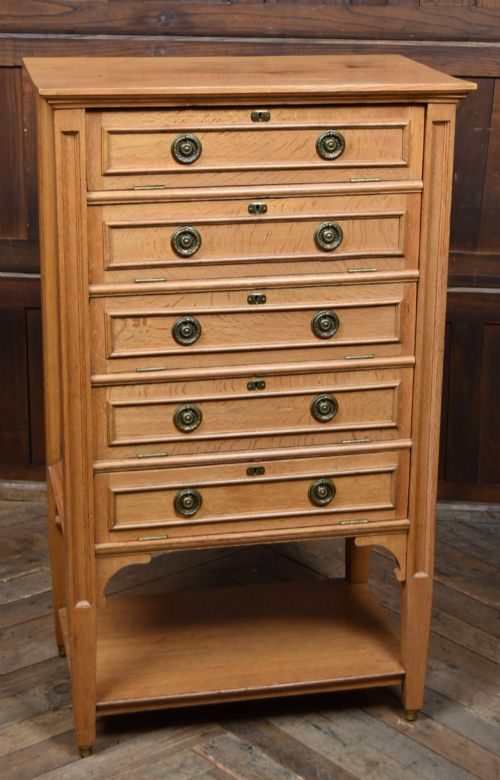
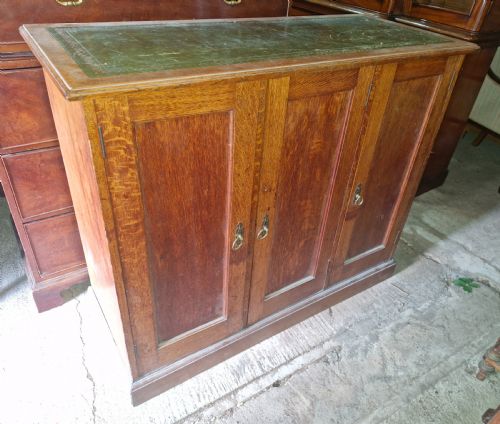
A vintage oak file cabinet is primarily a working piece of office or study furniture originating from the late nineteenth century through to the mid-twentieth century. Buyers searching for a vintage oak file cabinet will encounter sturdy Edwardian models, practical 1930s office units, and robust industrial designs built for daily service.
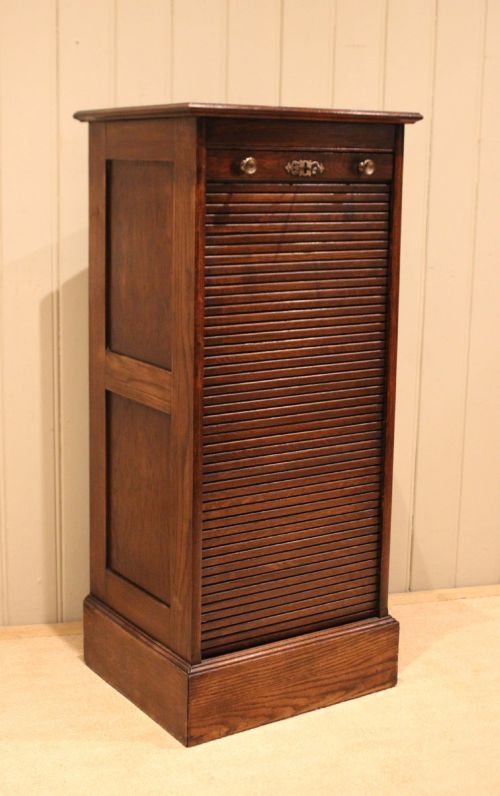
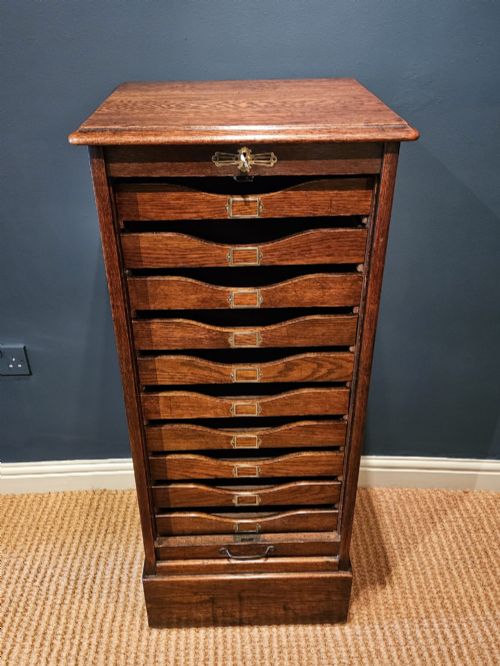
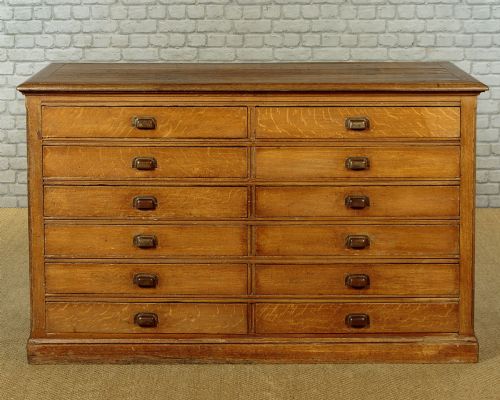
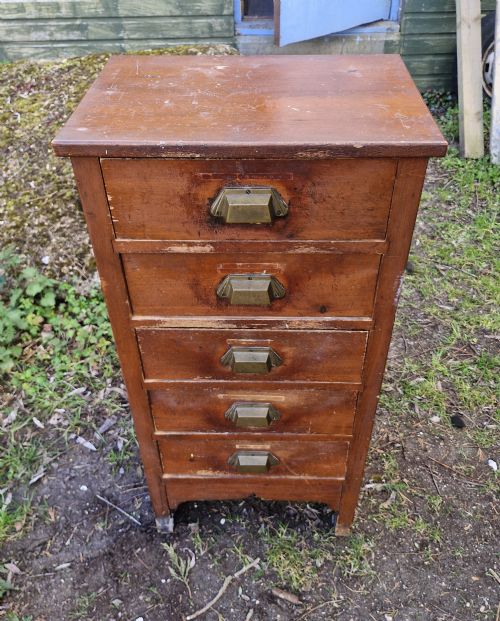
The most common formats on this page include single and double tambour front cabinets, tall banks of drawers, and specialised letter files. These pieces range from small proportioned desktop versions to large multi-drawer banks that once organised corporate correspondence or architectural plans.
Origins span standard English workshop production alongside French utility pieces and specialised patent filing systems. The primary timber across almost all examples is oak, frequently paired with brass hardware and canvas or steel internal fittings.
How they were made
Construction relies heavily on solid oak and quarter-sawn oak veneers, chosen for both durability and the characteristic medullary ray figuring visible across the grain. Workshops combined traditional joinery for the main carcase with flexible slatted wooden tambour doors that glide smoothly along recessed tracks.
Hardware details typically involve cast brass handles, label holders, and patent locking mechanisms that secured multiple drawers simultaneously. Internal components incorporate steel framing, canvas reinforcement, and leather accents to withstand frequent archival use.
Several cabinets still retain their original patent spring mechanisms, designed over a century ago to keep office correspondence strictly confidential.
What varies in quality
Quality in these filing pieces rests on the integrity of the mechanical actions, particularly how cleanly the tambour slats run within their grooves and how true the drawer runners remain. Superior examples feature fine patination on the timber, crisp brass handles of the period, and sophisticated internal filing architecture.
The distinction between standard utility furniture and finer cabinet-making lies in the joinery of the carcase and the selection of figured oak. Well-preserved patent locking systems and original maker plaques also elevate an individual piece within its period.
Maple & Co·Shannon·Amberg
The Vintage Oak File Cabinet Glossary
- Tambour
- A flexible sliding door made from narrow vertical strips of wood glued to a canvas backing. It tracks around a curved corner to conceal the interior shelving or filing slots.
- Quarter-sawn oak
- Timber cut radially through the growth rings rather than tangentially. This method produces durable boards with a distinct flecked grain pattern.
- Plan chest
- A wide, shallow multi-drawer cabinet designed originally for storing architectural drawings and large maps flat. They often feature brass pull handles and robust carcase construction.
- Haberdashery cabinet
- A retail display or storage unit featuring numerous small glazed or panelled drawers. They share similar modular qualities with traditional office filing systems.
- Patent letter file
- A specialised archival unit incorporating mechanical indexing or vertical filing mechanisms designed by specific inventors. These systems allowed rapid retrieval of office correspondence.
Vintage Oak File Cabinet: Frequently Asked Questions
How do tambour doors operate?
Tambour doors consist of narrow wooden slats attached to a flexible backing fabric that slides along a concealed track within the cabinet frame. This mechanism allows the door to vanish into the side of the carcase, saving space in cramped offices.
Over decades of use, dust or shrinkage can cause these tracks to bind slightly. Regular gentle cleaning and occasional appropriate lubrication keep the wooden slats moving freely without forcing the mechanism.
Are these cabinets suitable for modern paper sizes?
Many early filing units and patent systems were designed around historical paper dimensions and specific letter or card formats rather than contemporary A4 sheets. Some drawer banks accommodate modern folders easily, while others suit smaller stationery or collector items.
Checking internal drawer widths and depths before purchase ensures your intended files or office supplies will fit inside the compartments without bending.
How should I care for the oak finish?
Oak is a resilient hardwood that benefits from occasional application of traditional beeswax to nourish the grain and protect the surface from drying out. Avoid placing these cabinets near direct heat sources or strong sunlight, which can warp the timber or fade the patina.
Routine dusting with a soft dry cloth is sufficient for daily maintenance, preserving the natural lustre built up over a century of handling.
How do I distinguish Edwardian pieces from later ones?
Edwardian and turn-of-the-century pieces typically display richer grain selection, heavier brass hardware, and traditional hand-cut joinery details. They often carry distinct manufacturer badges or patent stamps from their original office suppliers.
Later utility pieces from the mid-century tend toward simpler lines, lighter oak tones, and more streamlined construction driven by post-war material economy.