


Vintage Oak Desk Clock
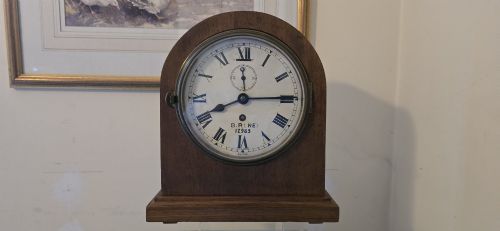
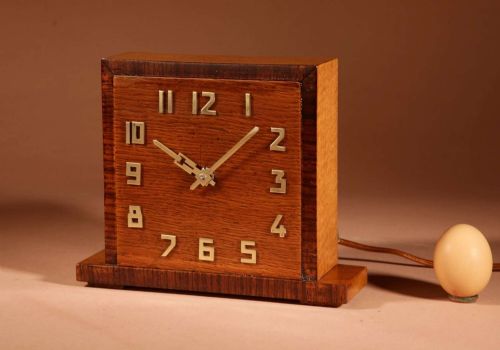
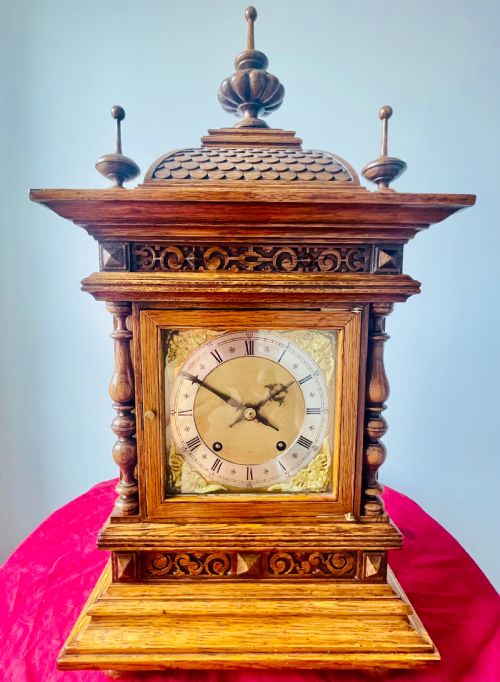
These vintage oak desk clocks span multiple periods from the nineteenth century to the mid-twentieth century, offering solid timber construction and diverse mechanical styles.
Vintage Oak Desk Clock
A vintage oak desk clock combines utilitarian timekeeping with period craftsmanship, utilising durable timber housings suited for domestic and professional spaces.
The selections on this page range from early twentieth-century Arts and Crafts carvings to Art Deco geometric designs and Edwardian single fusee movements.
Buyers will encounter various forms including architectural desk clocks, mantel clocks, and combined weather stations featuring oak and pollard oak cases.
Construction and materials
Cases utilise solid oak and figured pollard oak veneers, frequently accented with hand-carved details or contrasting rosewood and inlay work.
Dials protected by bevelled glass incorporate brass bezels, enamel chapters, and occasional copper elements.
Movements span electrical systems, fusee mechanisms, and quarterly striking trains housed securely within timber frames.
Listings span periods from the nineteenth century through the 1940s, incorporating oak, pollard oak, brass, glass, and enamel.
Assessing quality
Quality rests upon the crispness of the timber carving, the selection of figured pollard oak or rosewood veneers, and the architectural proportion of the case.
Refined examples demonstrate superior movement complexity, such as quarterly striking brackets or fusee mechanisms, alongside intact enamel dials and original glass.
Winterhalder·Pennington of Camberwell·Payne and Co
The Vintage Oak Desk Clock Glossary
- Fusee
- A conical pulley used in clock movements to maintain even driving force as the mainspring unwinds. This mechanism is typical of better quality Edwardian and Victorian timepieces.
- Bracket clock
- A portable clock designed originally to sit on a bracket, usually featuring a substantial timber case with a carrying handle or architectural top. They often house striking movements.
- Pollard oak
- Timber taken from trees that have been pollarded, producing a dense, highly figured grain pattern prized for decorative veneers on high-end cases.
- Barograph
- A mechanical instrument that records barometric pressure over time on a rotating drum, frequently housed in glazed oak cases matching contemporary desk clocks.
Vintage Oak Desk Clock: Frequently Asked Questions
How do I wind a mechanical oak desk clock?
Most mechanical models require a key inserted into the dial holes to tension the spring gently until resistance is felt. Care must be taken not to overwind the movement.
Maintaining a regular winding schedule helps ensure accurate timekeeping across spring-driven and fusee models.
Where should I place an oak desk clock?
These clocks suit stable horizontal surfaces away from direct sunlight, excessive moisture, and fluctuating temperatures that might affect the timber case.
Level placement is essential for pendulum or balance wheel regulation to ensure the movement beats evenly.
How do I identify the period of an oak clock?
Stylistic indicators such as Arts and Crafts hand carving, Edwardian simplicity, or Art Deco geometric forms help date the exterior case. Movement types and dial materials provide further chronological context.
Comparing construction methods against known regional cabinet-making trends clarifies the date of manufacture.
What maintenance do antique oak clocks need?
Routine dusting of the oak case with a dry cloth preserves the finish, while glass bezels benefit from standard window cleaner applied sparingly. Avoid harsh chemical polishes.
Movements occasionally require professional cleaning and oiling to prevent wear on brass gears over decades of operation.