
Vintage Oak Country Table
A vintage oak country table brings warmth and honest utility to a room, rooted in centuries of domestic life.
Vintage Oak Country Table
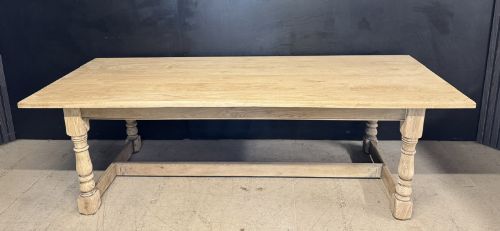
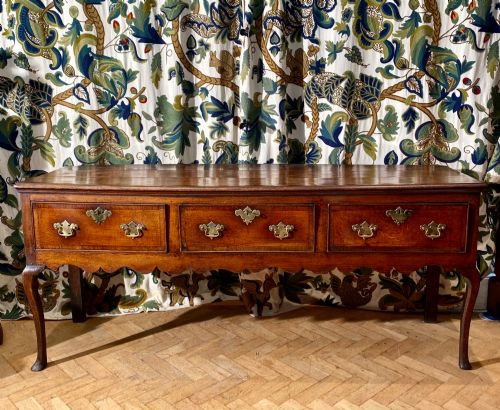
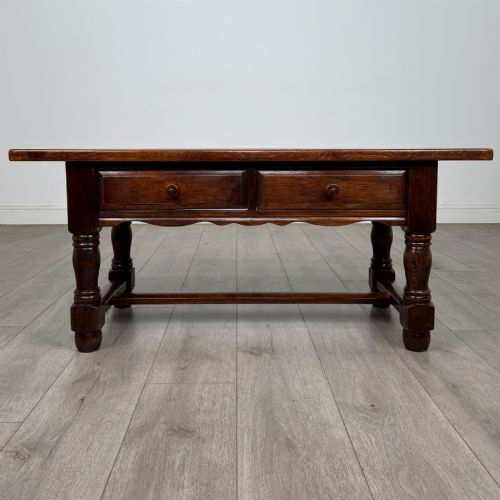
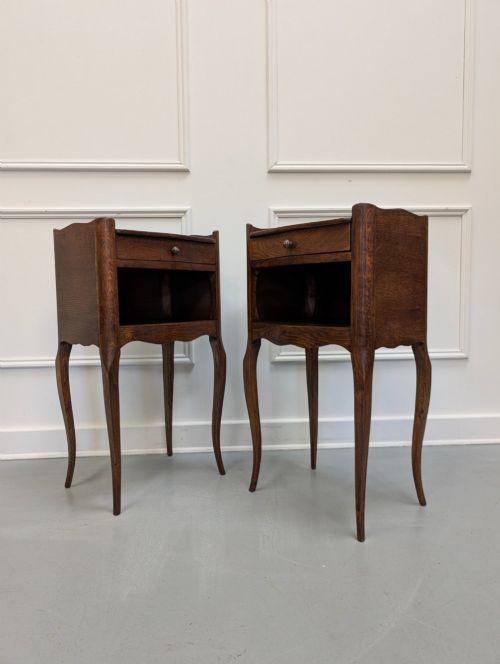
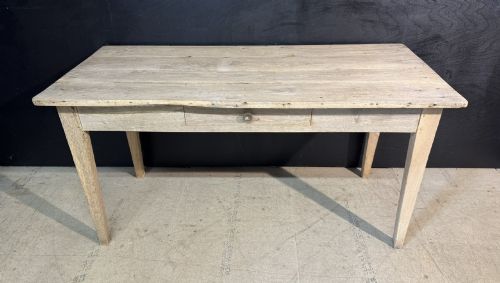
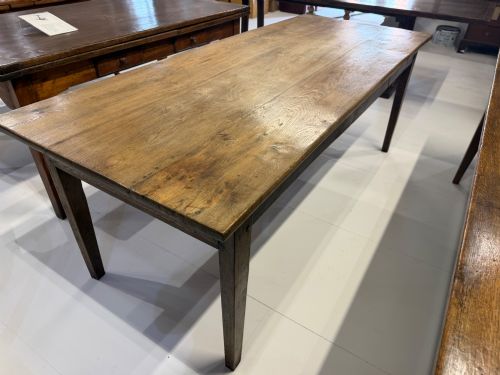
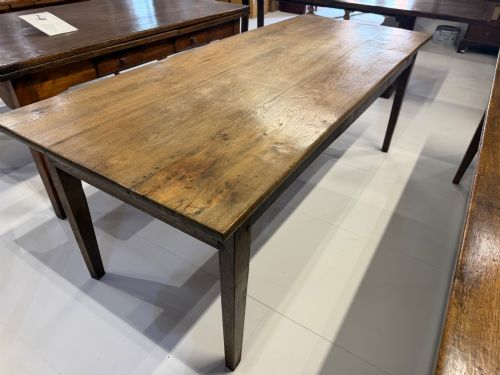
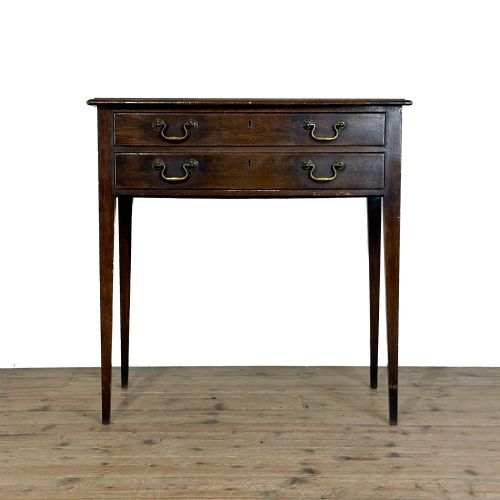
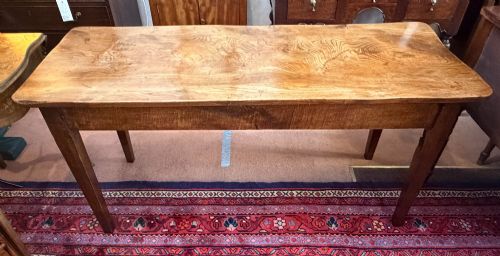
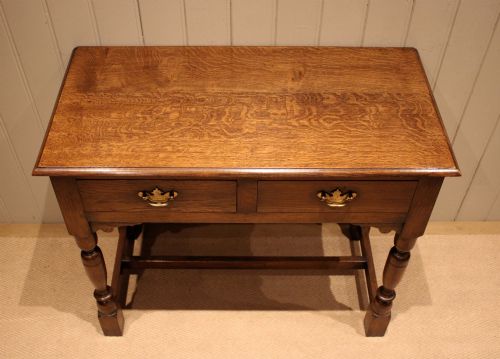
A vintage oak country table represents the sturdy heart of domestic interiors, encompassing dining tables, refectory forms, lowboys, and side tables. When exploring a vintage oak country table, buyers encounter pieces spanning the eighteenth century through to the early decades of the twentieth century. These items emerge from various regional traditions including English, Welsh, and French rural workshops.
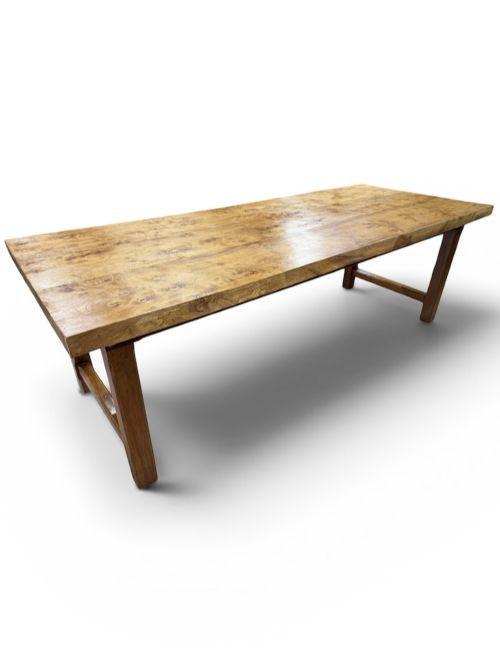
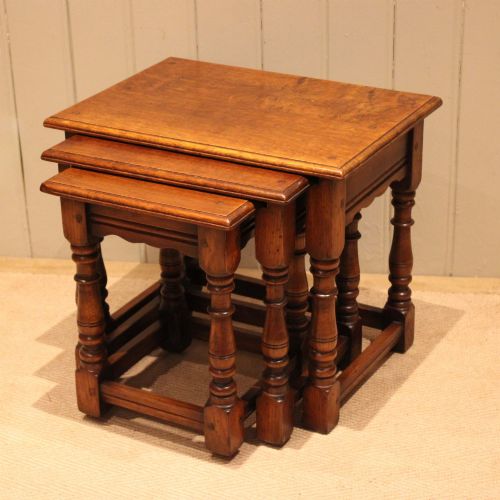
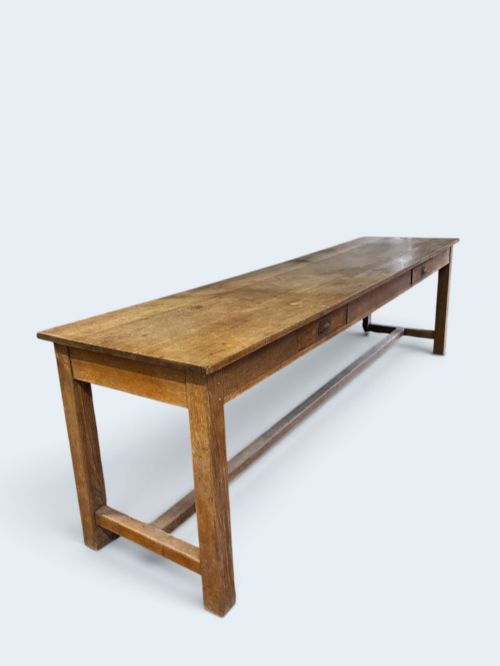
The selection ranges from large refectory dining tables designed to seat many guests down to smaller coffee tables, side tables, and nests of tables. Many examples reflect vernacular styles such as rustic farmhouse, French provincial, and Jacobean revival. Buyers most frequently meet nineteenth century and Edwardian interpretations built for everyday utility.
Construction and materials
These pieces rely primarily on solid oak, occasionally augmented with secondary timbers like beech, chestnut, fruitwood, and pine. Joinery techniques prioritise physical stability, utilising sturdy frames that support heavy timber tops. Additional components incorporate brass and iron hardware for hinges, handles, and structural braces.
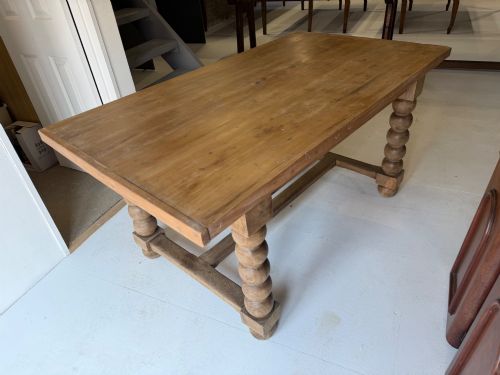
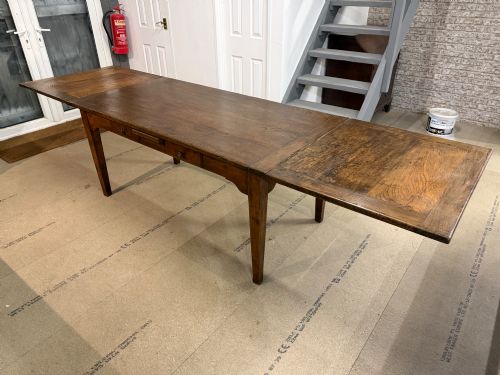
Surface treatments vary from natural waxed finishes to bleached oak and occasional painted applications. Tables may feature turned supports such as bobbin legs, tapered legs, or tripod bases as seen in cricket tables. Double extending mechanisms and drop-leaf configurations provide practical adaptability in domestic spaces.
Distinctions in quality
Quality reveals itself in the selection of timber and the integrity of the joinery rather than ornamental excess. Superior pieces display dense, well-figured oak boards joined with precision, ensuring the table remains rigid over decades of heavy daily use. Finer examples balance robust proportions with refined details like hand-carved motifs or elegant tapered legs.
Age and regional origin also influence standing, particularly pieces originating from distinct vernacular traditions like eighteenth century Welsh or French workshops. The handling of secondary timbers and the retention of original surface treatments, whether bleached or waxed, contribute to the overall character and authenticity of the piece.
The Vintage Oak Country Table Glossary
- Refectory table
- A long, narrow dining table traditionally used in communal halls and later adapted for country kitchens. These pieces often feature stretcher bases for added stability.
- Lowboy
- A small side table with one or more drawers, standing on relatively tall legs. They originated in the late seventeenth century and continued to be made in various regional styles.
- Gateleg table
- A table with hinged leaves supported by swing-out legs that resemble a gate. This design allows the surface area to expand or contract according to space requirements.
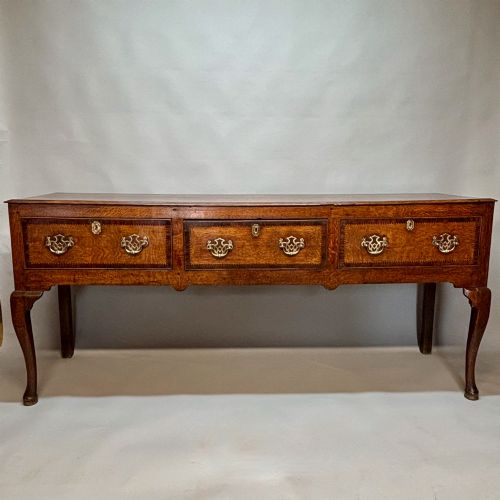
- Dresser base
- A lower sideboard unit featuring drawers and cupboards, historically used for food preparation and storage in country houses. They frequently form the foundation for plate racks.
Vintage Oak Country Table: Frequently Asked Questions
How do I date a wooden table?
Dating relies on examining construction methods, tool marks, and timber characteristics. Earlier pieces often display hand-sawn boards and pegged mortise and tenon joints.
Later nineteenth and twentieth-century examples incorporate machine-sawn elements and standardised fixings while retaining traditional forms.
Are these tables suitable for daily dining?
These pieces were originally built for heavy domestic use, making them robust choices for modern dining rooms and kitchens. Solid timber construction withstands regular gathering and family meals.
Routine maintenance involves using appropriate waxes or oils to protect the surface from moisture and heat.
What is the difference between refectory and farmhouse tables?
Refectory tables typically feature long, narrow proportions supported by stretcher rails running near the floor. Farmhouse tables encompass a broader range of vernacular kitchen styles with various leg configurations.
Both types share a sturdy utilitarian heritage rooted in rural domestic life.
How should I care for a vintage wooden surface?
Preserving the timber requires avoiding excessive moisture and direct heat sources that can cause wood to warp or split. Gentle cleaning with a soft cloth and periodic application of beeswax maintains the lustre.
Harsh chemical cleaners should be avoided to prevent stripping the historic finish.