

Vintage Oak Armoire
A vintage oak armoire brings solid presence and generous timber storage to a bedroom, combining practical hanging space with the enduring character of figured grain.

Vintage Oak Armoire
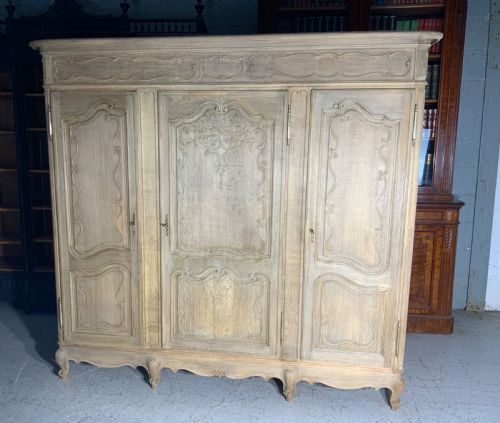
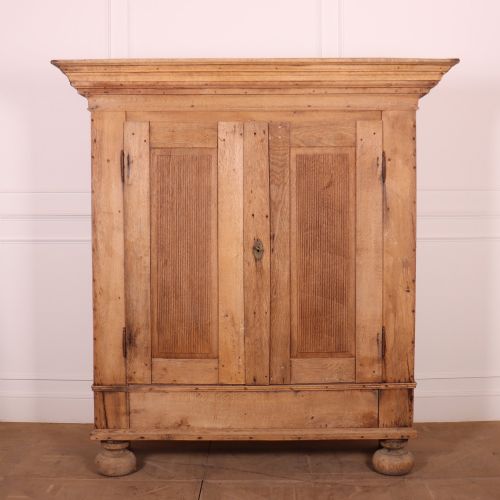
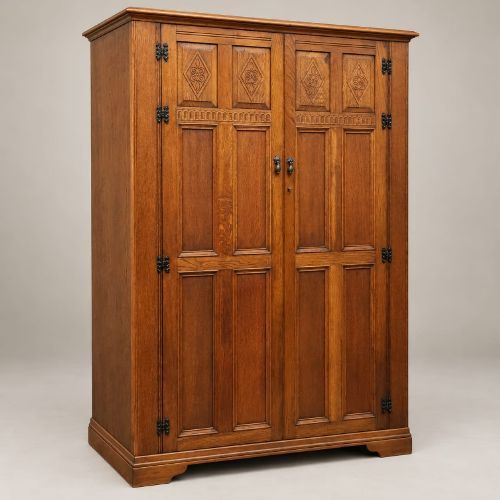
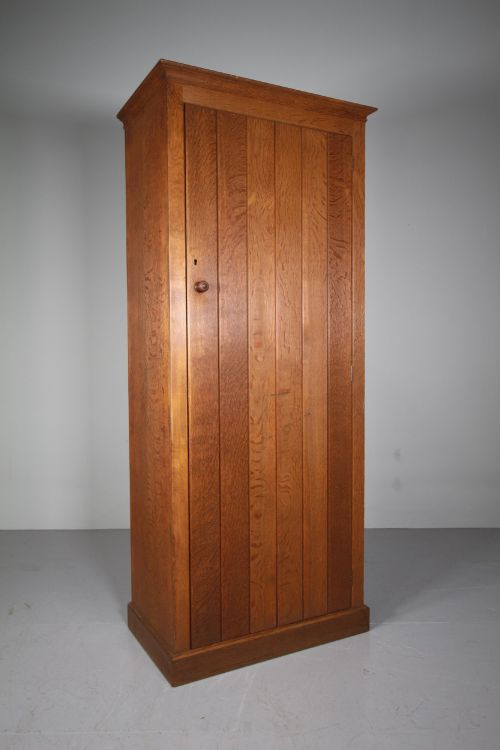
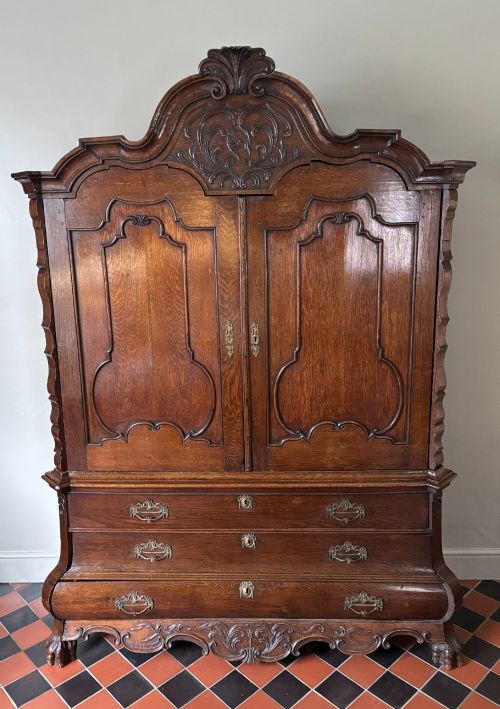
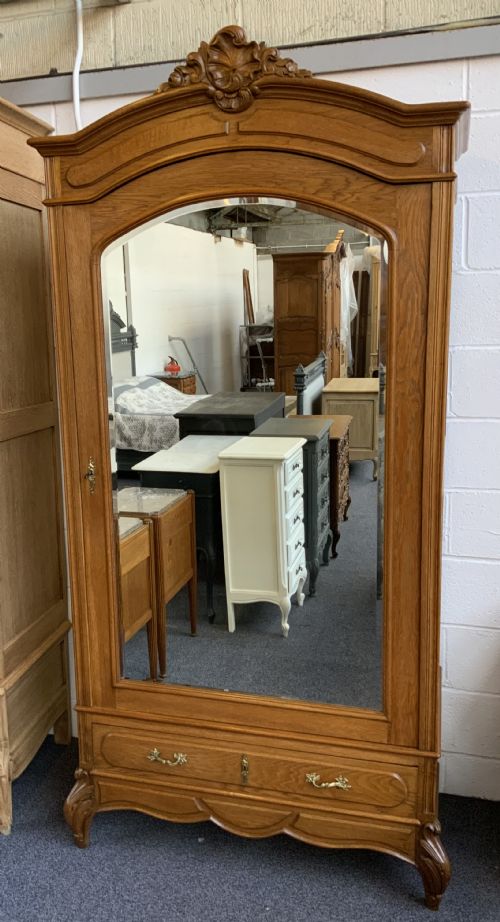
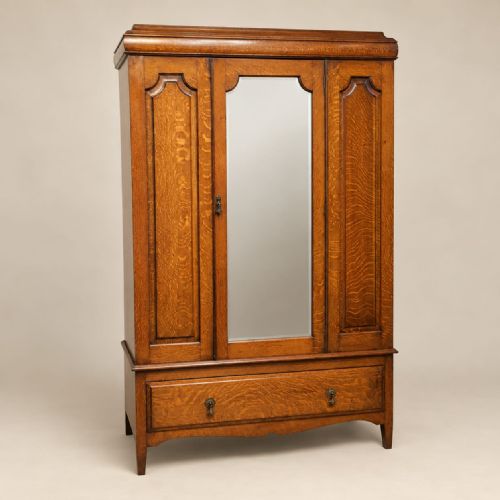
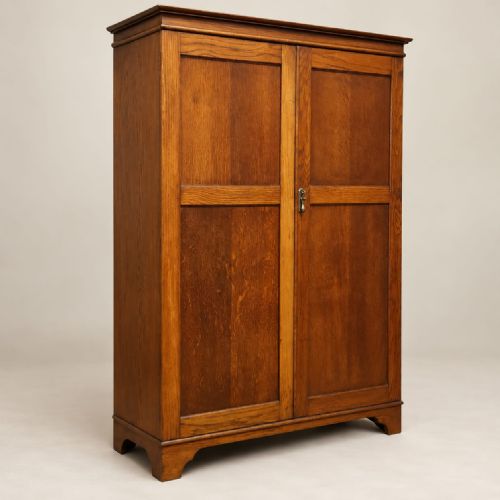
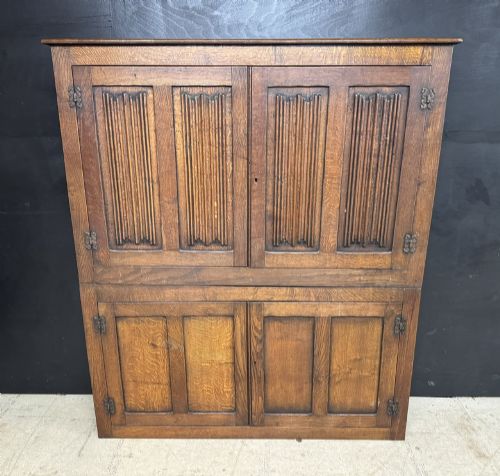
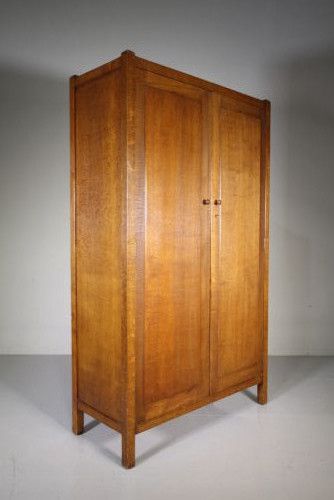
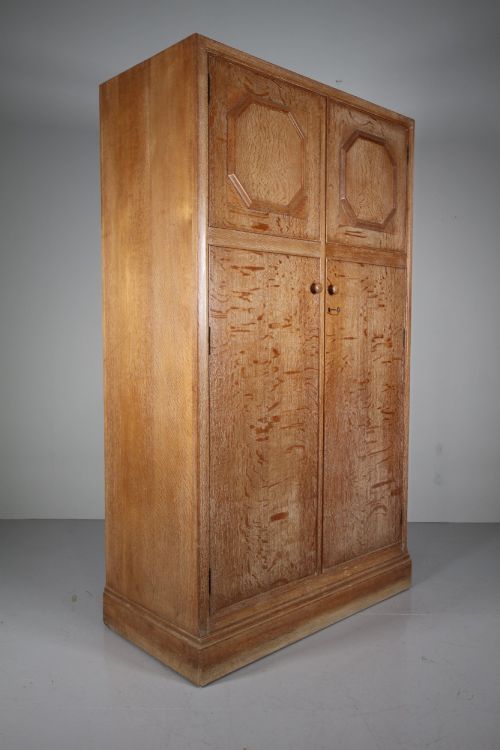
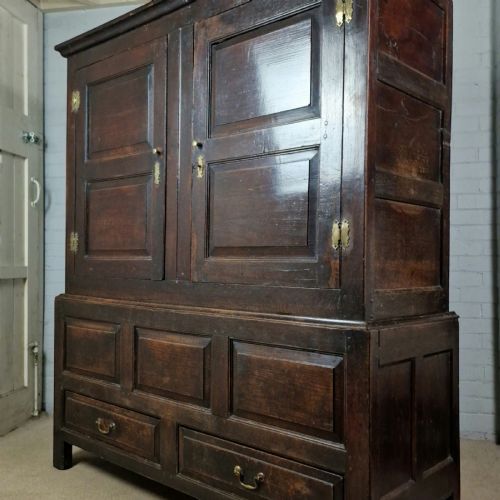
When you search for a vintage oak armoire, you encounter a variety of substantial storage furniture spanning centuries of British and continental cabinetmaking. The selection on this page ranges from early eighteenth-century country presses and nineteenth-century compactums to lighter Edwardian designs and 1920s limed timber pieces.
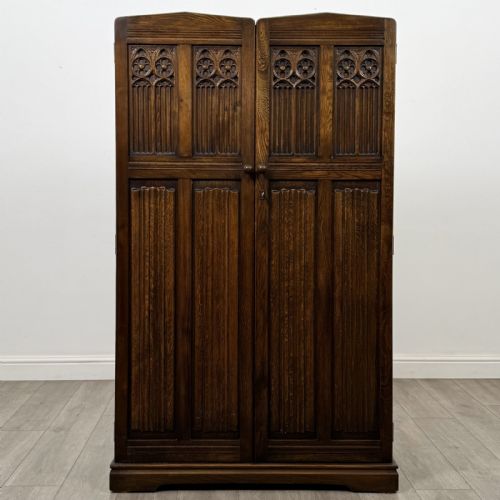
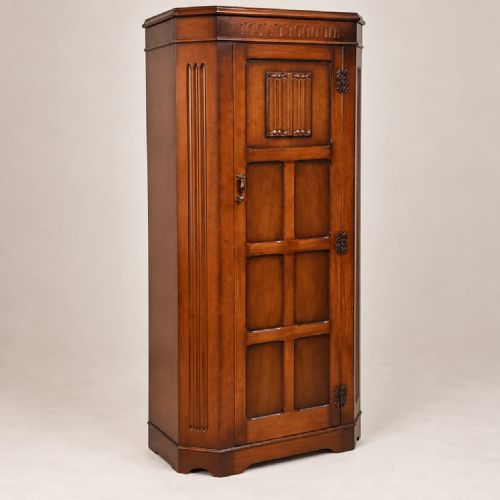
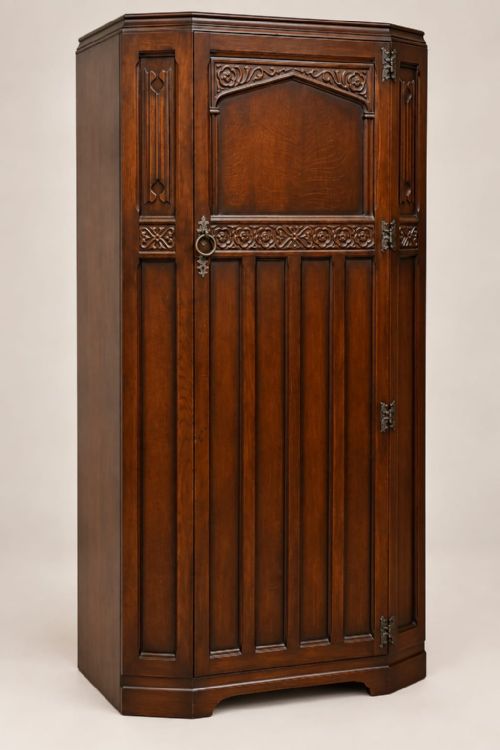
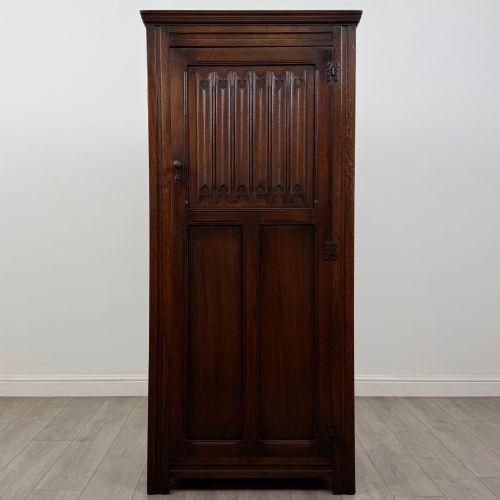
The objects take many forms beyond the traditional double wardrobe, including linen presses, hall robes with linenfold panels, compact cupboards, and large triple-door mirrors. Continental influences appear frequently through French armoires and Dutch cabinets, alongside vernacular English country pieces built for domestic utility.
Dating stretches from the seventeenth century through the Victorian era and into the early twentieth century, with 1920s and Edwardian examples forming a large share of the current inventory. These pieces reflect shifting domestic needs, moving from deep linen storage to full-length hanging space and fitted bedroom suites.
Materials and construction
Solid oak serves as the primary structural material across these items, often paired with secondary timbers like fruit wood, pine, and walnut in interior fittings or carcass backs. Cabinetmakers utilised traditional joining methods, building sturdy frames to support heavy timber doors and panelled sides.
Surface treatments vary significantly according to period and origin, encompassing natural waxed finishes, limed oak treatments, ebonised details, and scumble faux paintwork. Iron, brass, and wrought metal provide functional hardware such as hinges, handles, and escutcheons that secure large panel doors.
Vintage Oak Armoire Retail Price Guide 2026
Typical asking prices for vintage oak armoire among the pieces listed under this phrase on Sellingantiques today, from the lower quarter to the upper quarter. They describe what is for sale here now, not the wider market.
Distinctions in standard
Quality separates through the integrity of the timber selection and the precision of the joinery rather than decorative excess alone. Superior pieces display well-figured oak grain, hand-cut dovetails in internal drawers, and doors that hang true within their heavy frames without sagging.
Design ambition and maker attribution elevate certain items above standard utilitarian storage. Labelled pieces from notable workshops demonstrate finer carving details, balanced proportions, and sophisticated hardware that distinguish them from simpler provincial furniture.
Heals of London·Harris Lebus
The Vintage Oak Armoire Glossary
- Armoire
- A large upright cupboard or wardrobe, typically with doors enclosing shelving or hanging space. Originating on the continent, the term often describes substantial timber furniture with architectural cornices.
- Compactum
- A fitted wardrobe that combines hanging space with interior drawers, shelves, and sliding trays. This efficient layout maximises storage within a single footprint.
- Linen Press
- A piece of furniture designed for storing folded textiles, traditionally featuring sliding trays or shelves behind upper doors above a bank of lower drawers. They date primarily from the eighteenth and nineteenth centuries.
- Linenfold
- A style of wood carving that mimics the appearance of folded linen fabric, popular on panels during the Tudor period and revived in later centuries.
- Scumble
- A decorative painting technique used to simulate the grain of more expensive wood like oak over a simpler timber base. It creates a translucent, layered surface pattern.
Vintage Oak Armoire: Frequently Asked Questions
How do I date an oak wardrobe?
Dating relies on examining construction methods, timber preparation, and stylistic details such as mouldings and hardware. Hand-sawn boards and pegged joints often point towards earlier centuries, whilst machine-cut elements and mirrors indicate twentieth-century production.
Examining internal drawer construction and any maker labels provides further chronological clues. Earlier pieces tend to use solid oak throughout with hand-cut dovetails, whereas later twentieth-century examples incorporate ply or pine secondary woods.
Can these wardrobes be dismantled for moving?
Many larger examples, particularly continental armoires and triple wardrobes, were constructed to dismantle into sections for transport. They use pegged frames or knock-down bolts rather than permanent glue joints.
Checking the internal corners and cornice reveals whether the piece breaks down into a base, crown, and side panels. Professional installation is often advisable for heavier items to ensure doors align correctly upon reassembly.
What is the difference between an armoire and a wardrobe?
Historically, an armoire referred to a continental cupboard used for storing arms or garments, while a wardrobe developed specifically for hanging garments in English homes. Over time, the terms have become largely interchangeable in the antique trade.
Continental armoires frequently feature deeper proportions and rich surface carving, whereas traditional English wardrobes focus on full-length hanging height. Both serve the primary function of large-scale bedroom storage.
How do I care for antique oak furniture?
Maintaining antique oak involves keeping the timber away from direct heat sources and extreme humidity fluctuations to prevent splitting. Regular dusting with a soft, dry cloth preserves the waxed or polished surface.
Applying a traditional beeswax polish occasionally helps nourish the grain without building up heavy chemical residues. Avoid silicone-based sprays, which can penetrate porous timber and damage the patina.