
Vintage Modular Bookcase
A vintage modular bookcase offers adaptable tiered storage, bringing sectioned stacking utility and period character to any room.
Vintage Modular Bookcase
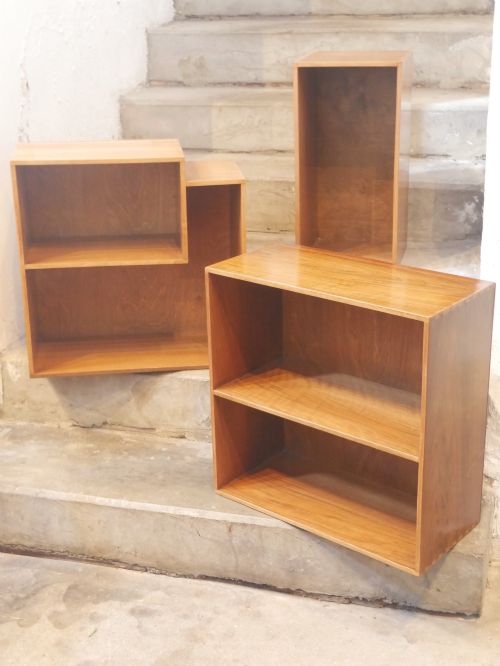
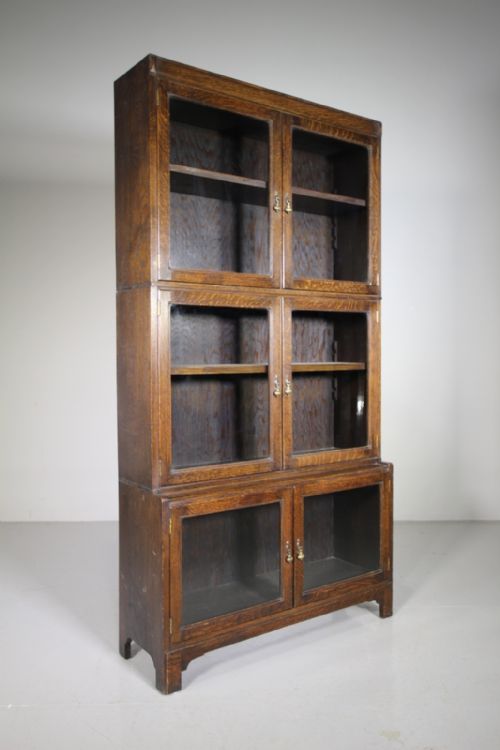
A vintage modular bookcase comprises individual stacking tiers or sections that allow the furniture to grow or separate as needed. Buyers seeking this phrase encounter sectional forms originating from the 1900s through the 1950s, spanning Edwardian, Art Deco, and Mid-Century Modern styles.
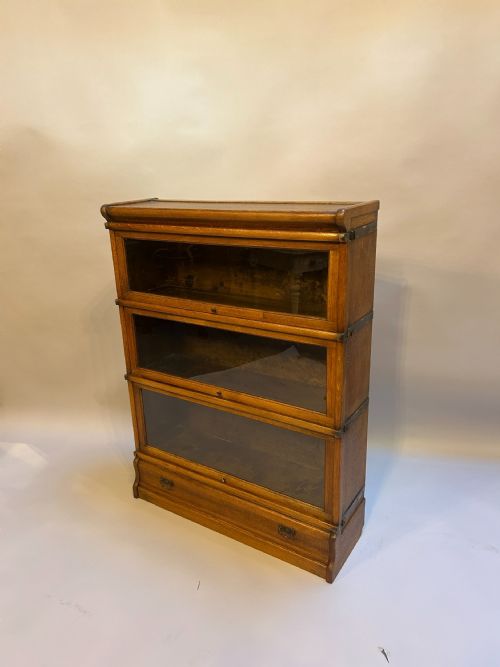
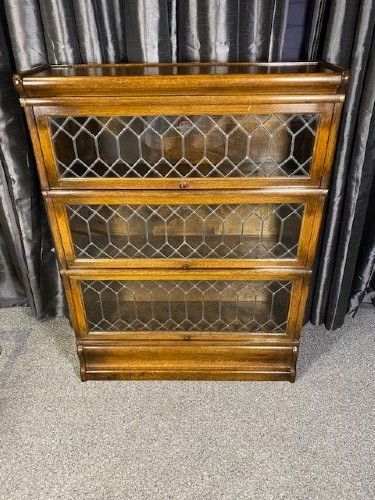
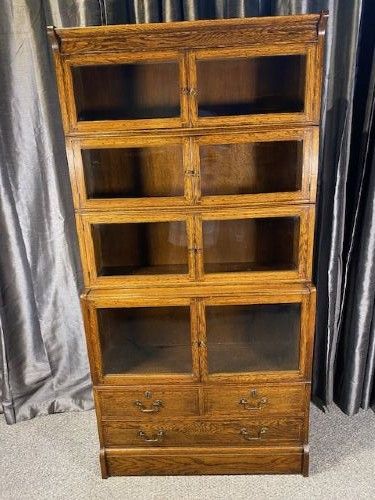
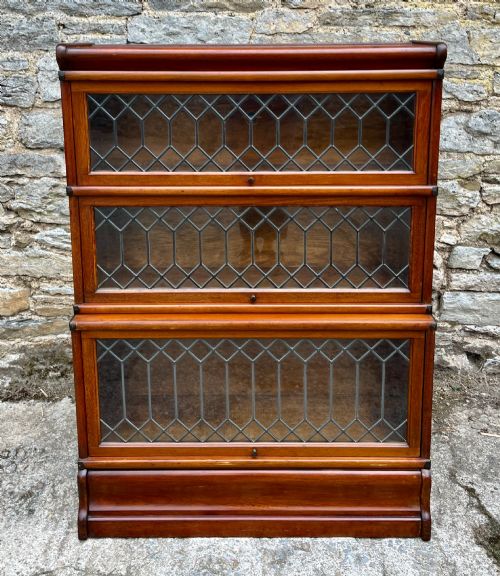
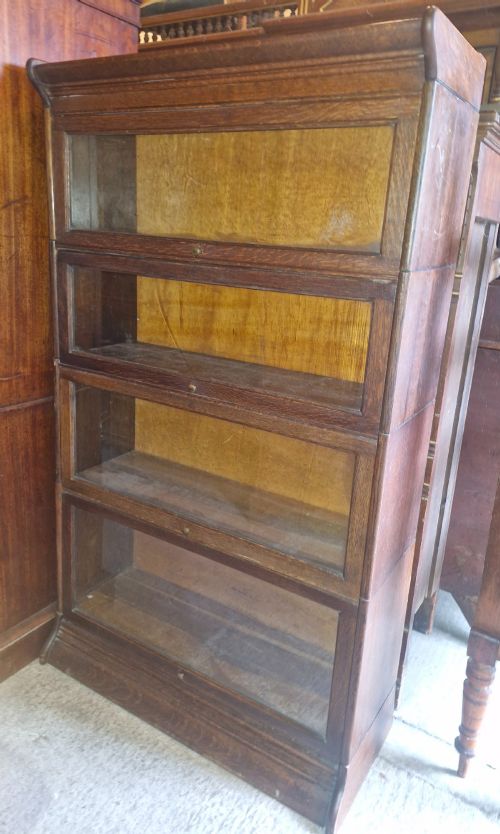
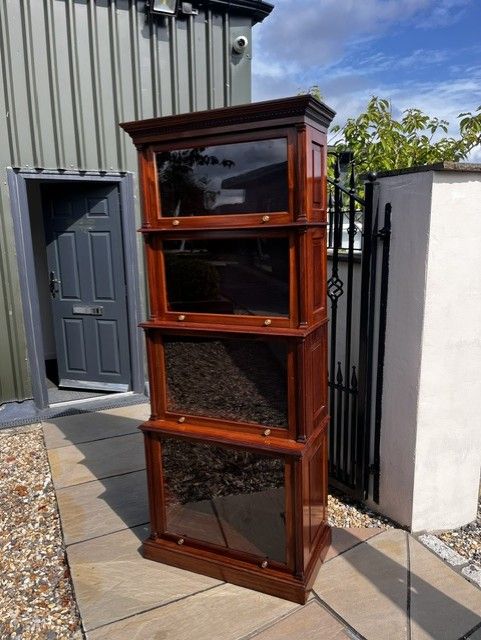
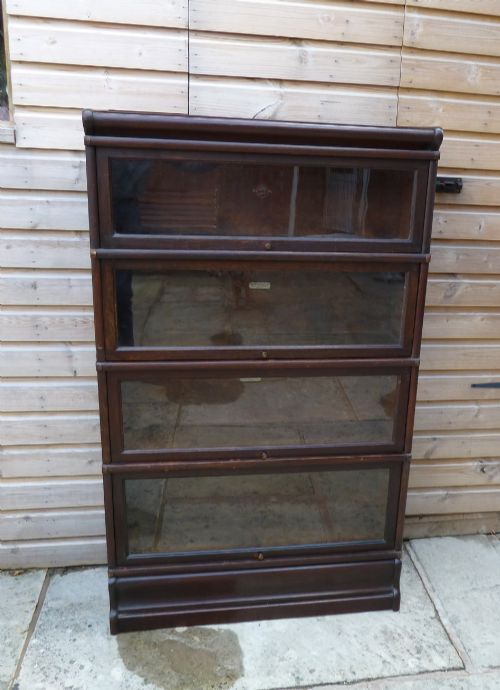
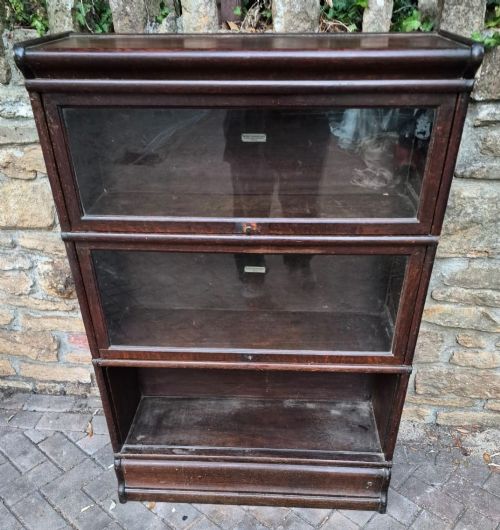
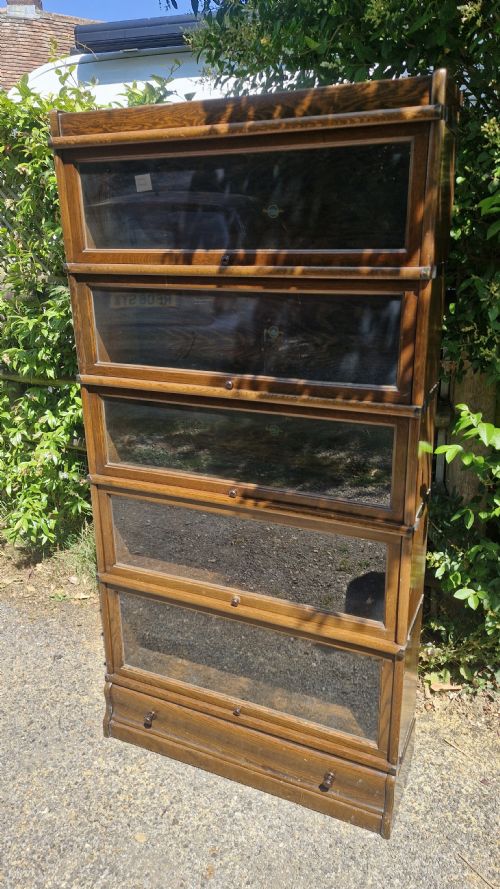
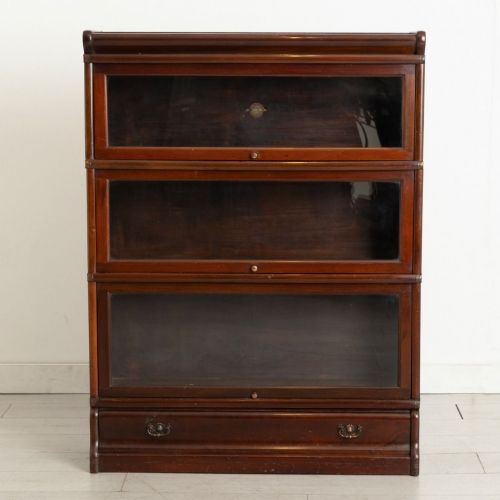
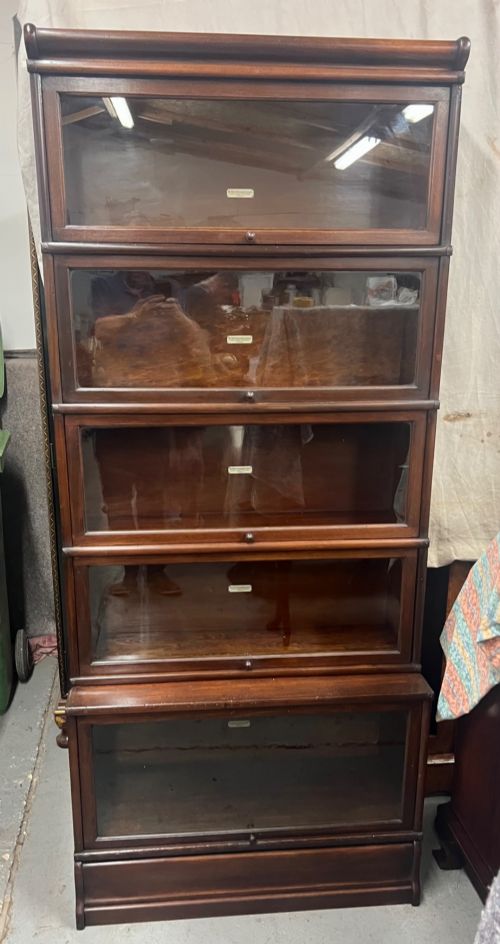
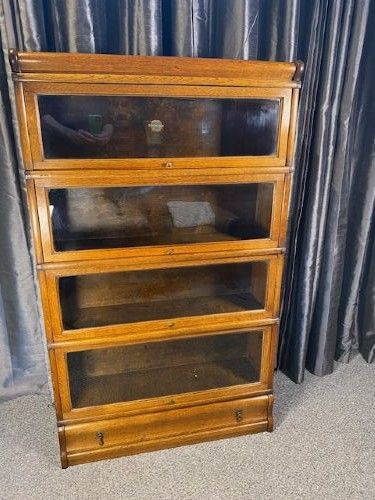
The most common version met on this page is the barrister or Globe Wernicke style bookcase, typically built in oak or mahogany with glazed lifting doors. These modular office and library units combine practical book storage with visible mechanical action across multiple tiers.
Materials and construction methods
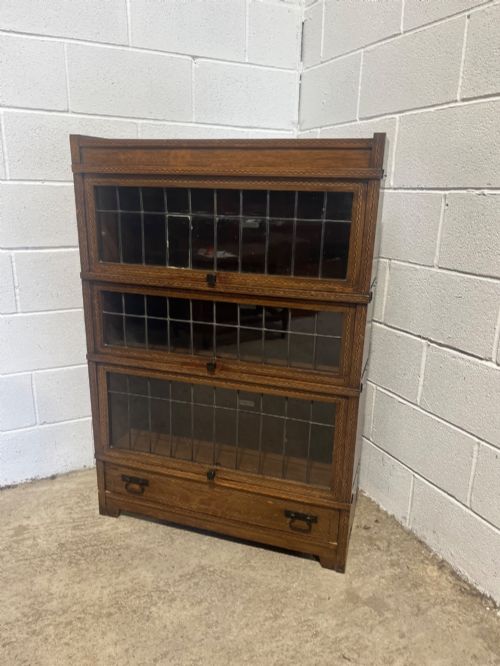
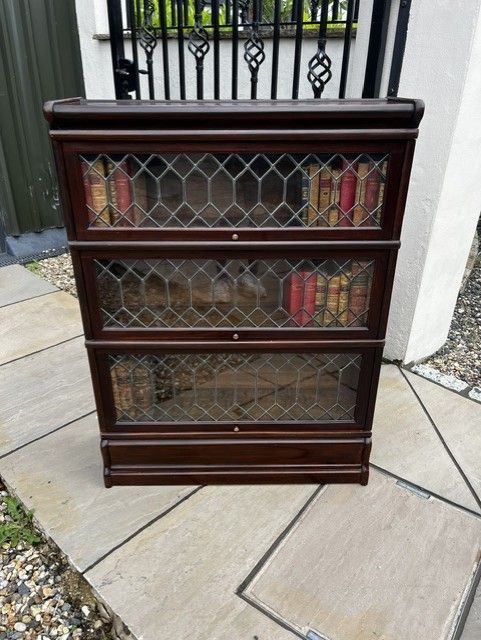
Solid woods such as oak and mahogany form the primary structure of these modular units, frequently paired with plywood backs and brass hardware. Glass panels, occasionally leaded, protect the contents within individual stacking sections.
Makers utilised sectional engineering to allow separate tiers to lock or stack securely on top of one another without permanent fixings. Each tier incorporates specialised mechanisms to allow glazed fronts to lift and slide inside the cabinet.
Listings feature oak, mahogany, and plywood construction, incorporating glass, brass, and lead materials across multiple decades.
Assessing quality in modular shelving
Quality rests upon the precision of the stacking joints and the smooth operation of the lifting glass doors across every tier. Superior examples maintain matching timber grains and original brass fittings throughout all sections.
The distinction between standard office utility items and finer pieces lies in the choice of hardwoods like solid mahogany, careful inlay work, and the structural integrity of the individual modular boxes.
Globe Wernicke·Heal's·Lebus·Minty·Gunn
The Vintage Modular Bookcase Glossary
- Sectional bookcase
- A piece of furniture built from multiple modular tiers that stack vertically to form a single tall cabinet. Each tier functions as an independent box with its own shelf and door.
- Barrister bookcase
- A specific stacking cabinet design originally utilised by lawyers to transport and store law books safely. The glazed doors lift upwards and slide back into the interior of the tier.
- Lead glass
- Glass panes held together within network strips of lead cames. This technique appears on cabinet doors across Edwardian and early twentieth century pieces.
- Limed oak
- Timber treated with a specialised finish that leaves a whitish pigment in the open pores of the oak. This treatment creates a lighter, softened surface appearance popular in later periods.
Vintage Modular Bookcase: Frequently Asked Questions
How do barrister bookcases work?
Each tier operates as an independent box featuring a glazed door attached to a pivoting metal scissor mechanism. Lifting the handle guides the glass panel upward and inward above the books.
This clever design protects volumes from dust while allowing users to access individual shelves without removing adjacent tiers.
Can stacking bookcases be separated?
Modular sections simply rest one upon another using gravity and locating pins rather than permanent glue or screws. You can take the entire stack apart into individual boxes for transport.
Rearranging the order of the tiers or reducing the overall height requires only lifting each section off by hand.
What periods do these bookcases span?
The available pieces originate primarily from the early twentieth century, spanning Edwardian designs, Arts and Crafts workmanship, and 1930s styles. Oak and mahogany versions frequently date between nineteen hundred and nineteen thirty.
Later mid-century examples introduce alternative materials like plywood and lighter limed oak finishes to suit changing interior tastes.
Where were sectional bookcases used?
Law offices, studies, and libraries utilised these modular units because growing book collections required expandable storage solutions. The stacking format allowed owners to purchase extra tiers as their libraries expanded.
Domestic living spaces later adopted the form for organising books and displaying decorative objects within modular cabinets.