



Vintage Mixing Bowl
These vintage mixing bowl pieces span utilitarian dairy bowls, heavy copper pans and earthenware vessels designed for practical kitchen work.
Vintage Mixing Bowl
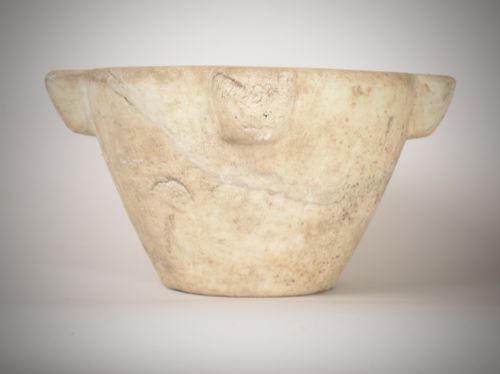
A vintage mixing bowl encompasses domestic kitchenware ranging from wooden dairy bowls and ceramic vessels to heavy copper preserving pans. Buyers seeking a vintage mixing bowl encounter pieces spanning the eighteenth century through to the early twentieth century, reflecting practical rural and household use.
The material forms on offer include turned sycamore wood, glazed earthenware, creamware, terracotta and hammered copper. Many items serve multiple utilitarian purposes, functioning equally as dairy bowls, grain measures, jam pans and apothecary mortars.
Regional styles emerge across the selection, featuring North Country slip glaze, Victorian country work and Edwardian kitchenware. These utilitarian objects demonstrate the heavy domestic demands of past centuries through robust construction and practical forms.
Materials and construction methods
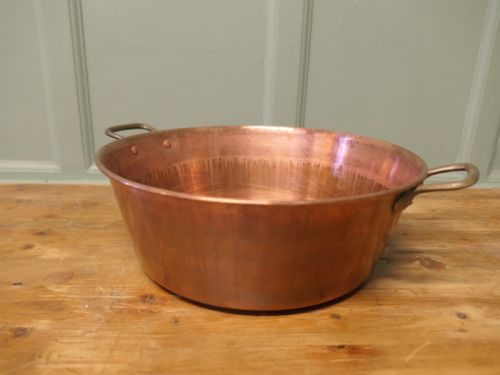
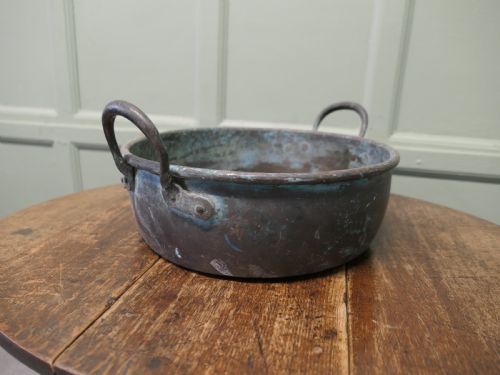
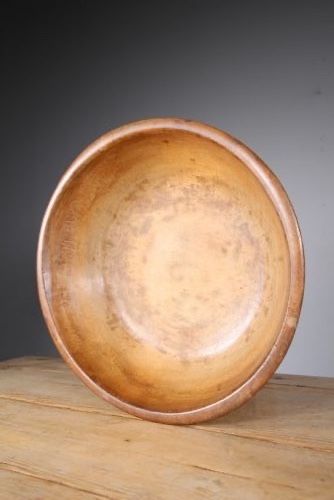
Makers shaped wooden pieces from native timbers like sycamore and beech, often turning large dairy bowls on lathes to create thick, durable walls. Metal vessels utilise heavy sheet copper and brass, frequently featuring double handles and riveted construction designed to withstand intense heat and daily kitchen labour.
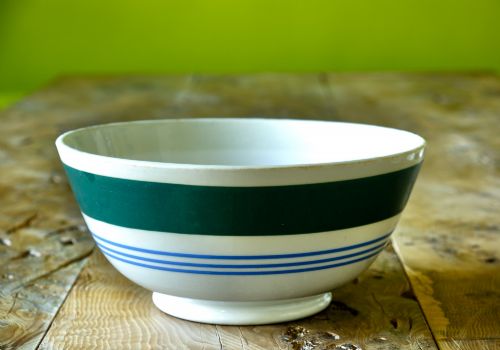
Ceramic and earthenware variants rely on durable clays finished with glazes, slip applications or banded decoration to protect the porous body from moisture. Stoneware and creamware bodies provide stable, heavy bases suitable for vigorous culinary stirring and food preparation.
One heavy copper grain measure carries the precise designation number six, revealing how busy nineteenth-century merchants tracked their bustling provincial stores.
Factors separating standard examples from exceptional ones
Quality depends on the integrity of the material and the preservation of original surfaces, such as warm wood patina or hand-hammered copper textures. Thickly potted earthenware and heavy gauge metal indicate substantial utilitarian design intended for longevity.
Proportion and scale distinguish finer domestic vessels, where turned wooden bowls retain balanced walls and metal pans exhibit clean riveted seams. Utilitarian wear, including historical marks from daily kitchen use, adds character without compromising the structural soundness of the piece.
T G Green Pottery
The Vintage Mixing Bowl Glossary
- Dairy bowl
- A wide, shallow wooden or ceramic vessel traditionally used in domestic dairies for setting milk and skimming cream. These items usually feature generous diameters and flat bases.
- Creamware
- A fine-grained, cream-coloured refined earthenware developed in the eighteenth century. It offers a smooth surface finish under a transparent lead glaze.
- Preserving pan
- A large metal vessel, commonly made from heavy copper, used for boiling fruits and jams. They are characterised by wide tops and sturdy handles.
- Slip glaze
- A liquid clay coating applied to pottery before firing to provide colour and a protective surface. It often creates distinctive runs and earthy tones on utilitarian wares.
- Treen
- Small handmade wooden household objects turned or carved from local timbers. The term covers bowls, mortars and dairy utensils showing visible tool marks.
Vintage Mixing Bowl: Frequently Asked Questions
What were vintage mixing bowls used for?
These vessels served various demanding kitchen and dairy tasks, from turning milk and setting cream to mixing heavy bread doughs and boiling large batches of fruit preserves. Their robust construction handled daily agricultural and domestic labour.
Over generations, many utilitarian kitchen pieces shifted from active culinary work to decorative display items within rustic country interiors and farmhouse kitchens.
How do I care for wooden dairy bowls?
Wooden vessels require gentle hand washing with mild soap and immediate drying to prevent the natural timber from splitting or warping. Regular treatment with food-safe mineral oil helps maintain the warm surface patina.
Keep wooden items away from direct heat sources, extreme temperature changes and prolonged exposure to standing water to preserve the integrity of the antique timber.
How can I identify copper preserving pans?
Copper preserving pans are distinguished by their heavy gauge metal construction, riveted handles and wide, open tops designed for rapid evaporation during jam making. Many examples display hand-beaten surfaces and structural wear from centuries of hearth use.
Authentic period pans utilise traditional fabrication methods rather than modern stamping, showing subtle irregularities in the metal body and handle attachments.
Are ceramic mixing bowls safe for food?
Many antique earthenware and creamware vessels remain stable for modern use, though older glazes may contain historical materials depending on the manufacturing period. Assess each piece individually for internal cracks, glaze wear or heavy staining before culinary application.
Collectors frequently choose to display older ceramic bowls rather than use them actively, preserving the fragile slips and historical glaze surfaces from further wear.