



Brown Earthenware Bowl
These brown earthenware bowl examples span centuries of utilitarian and decorative pottery, offering honest earthenware substance for daily use or display.
Brown Earthenware Bowl
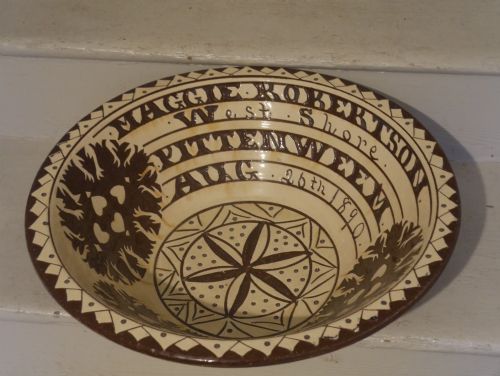
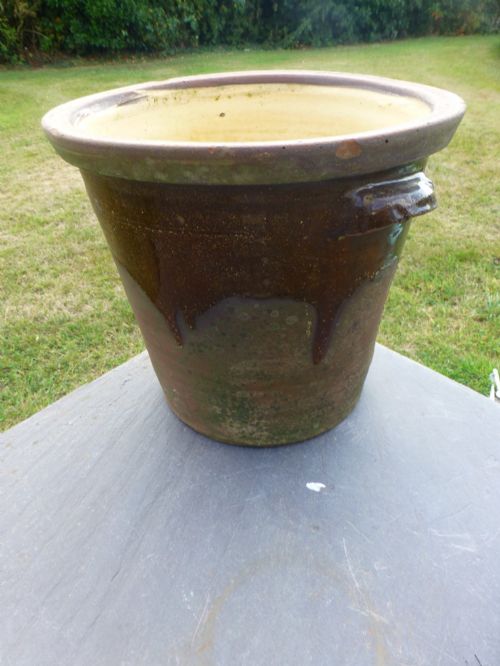
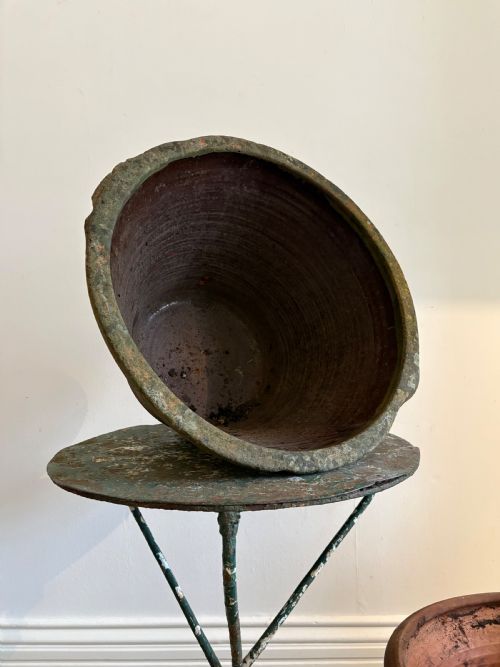
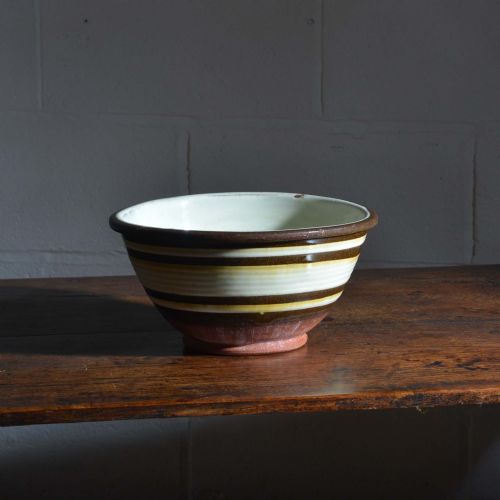
A brown earthenware bowl is a utilitarian or decorative vessel shaped from clay and finished with warm earthen tones, frequently seen in domestic dairy bowls and country kitchen wares. You will most commonly encounter 19th-century examples alongside regional slipware and rustic vernacular pieces.
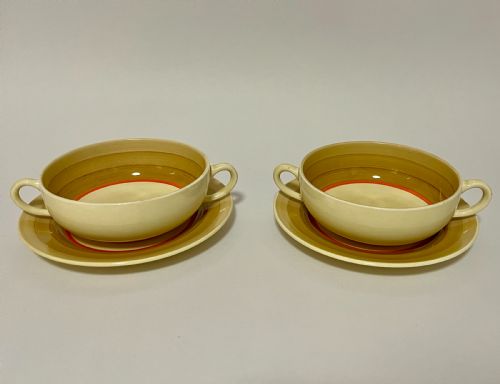
The selections range from robust dairy bowls and salting crocks to soup bowls and egg tureens. Makers utilised simple earthenware bodies suited to kitchen work, while later or specialised pieces embrace decorative forms like Persian lustre or Japanese cloisonne.
Domestic utility defines the core of these items, built for dairies and country houses before finding a place in modern interiors. Their straightforward forms reflect the practical needs of past centuries.
How they were made
Potters shaped local clays on the wheel or in moulds to create the heavy walls required for dairy and kitchen use. Terracotta and standard earthenware formed the sturdy foundation of these vessels.
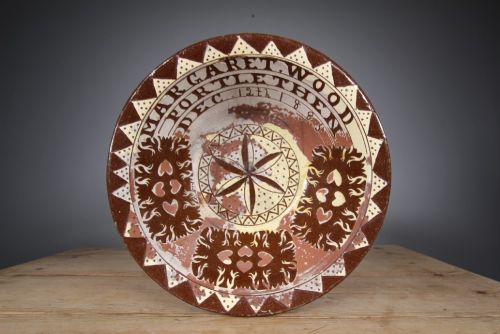
Glazes provided the necessary waterproof barrier for food storage and processing. Lead glaze and slip glaze finishes added a rich brown surface, sometimes enhanced with slip decoration applied before firing.
A Victorian chicken basket egg tureen sits among the heavy dairy crocks, proving that farmers once liked their kitchenware to gaze back at them.
What varies in quality
Quality rests in the heaviness and integrity of the clay body, alongside the depth of the lead or slip glaze. Early utilitarian vessels show the tool marks of the potter, whereas decorative items display finer surface work.
The crispness of slip trails and the preservation of the glazed interior distinguish everyday kitchenware from exhibition pieces. Maker marks and dated inscriptions elevate specific vessels above standard workshop production.
Seaton Pottery·Clarice Cliff
The Brown Earthenware Bowl Glossary
- Slip glaze
- A liquid clay mixture applied to pottery before firing to produce a smooth, monochromatic surface. This technique sealed porous earthenware bodies for dairy work.
- Dairy bowl
- A wide, shallow vessel designed for settling milk and skimming cream in nineteenth-century dairies. These heavy earthenware pans often featured glazed interiors.
- Terracotta
- Fired unglazed or glazed clay of a brownish-red colour used for utilitarian crocks and planters. Its porous nature suited heavy agricultural use.
- Slipware
- Pottery decorated with a thin layer of liquid clay of a different colour than the body. It creates linear patterns beneath a clear glaze.
Brown Earthenware Bowl: Frequently Asked Questions
What were brown earthenware bowls used for?
These vessels served primarily practical roles in nineteenth-century kitchens and dairies. Large bowls held milk for skimming cream or stored salted provisions.
Smaller variants handled table service, soup, or general food preparation. Their sturdy earthenware construction withstood heavy daily tasks.
How do I care for an antique bowl?
Keep these pieces away from modern dishwashers and harsh detergents to protect historic glazes and earthenware bodies. Hand washing with mild soap is safest.
Display them on stable surfaces away from extreme temperature fluctuations. The porous clay and old lead glazes require gentle handling.
How can I tell the age of a bowl?
Examine the weight, throwing rings, and glaze characteristics to gauge the period of manufacture. Nineteenth-century pieces often show heavy potting and utilitarian wear.
Regional slipware traditions and nineteenth-century dairy forms display distinct surface textures. Makers or dates inscribed into the clay provide direct evidence.
Are these bowls safe for food use?
Many older earthenware pieces contain lead in their glazes, which can leach into acidic foods or liquids. It is best to treat antique utility bowls as decorative objects.
Displaying them dry preserves both the historical glaze and the integrity of the clay body. Use them for dried fruit or potpourri rather than meals.