




Traditional Dairy Bowl
A traditional dairy bowl brings honest utilitarian warmth into a modern room, offering deep vessels shaped by practical farm life.
Traditional Dairy Bowl
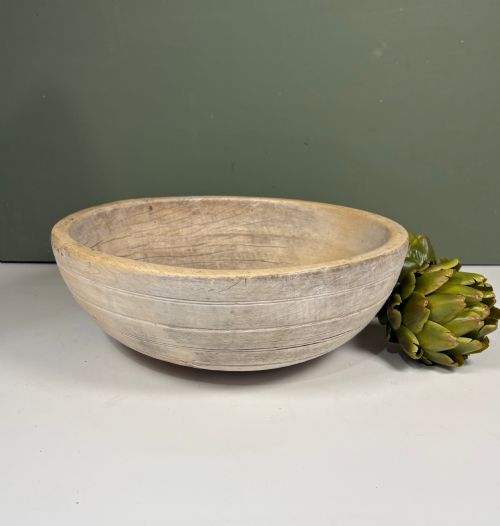
A traditional dairy bowl is a functional vessel originally designed for setting milk and separating cream in domestic agricultural work. These pieces embody rustic farmhouse and Scandinavian country aesthetics, often found in simple, generous proportions that suit daily use or quiet display. The selection here spans the nineteenth and early twentieth centuries, capturing the unpretentious utility of rural domestic life.
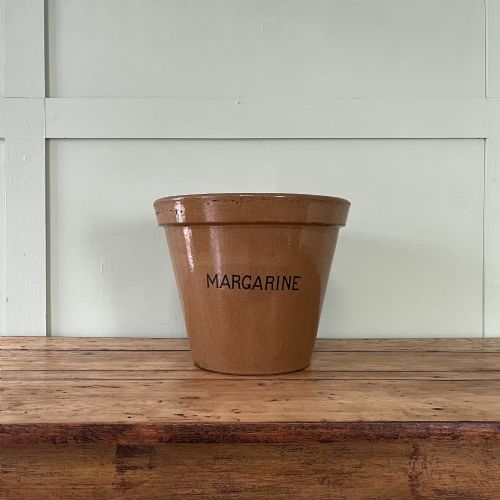
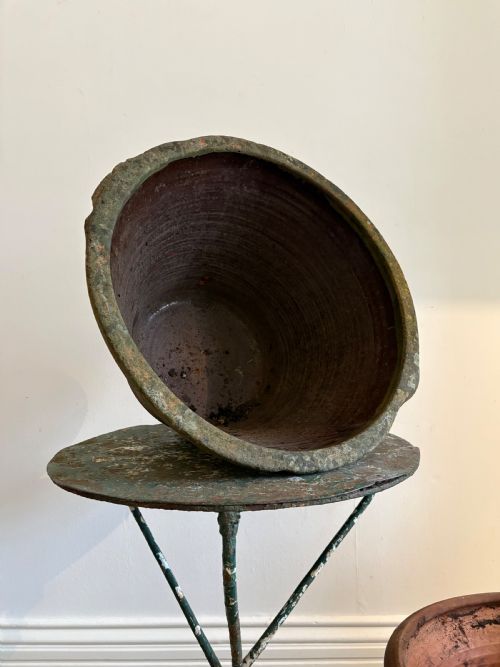
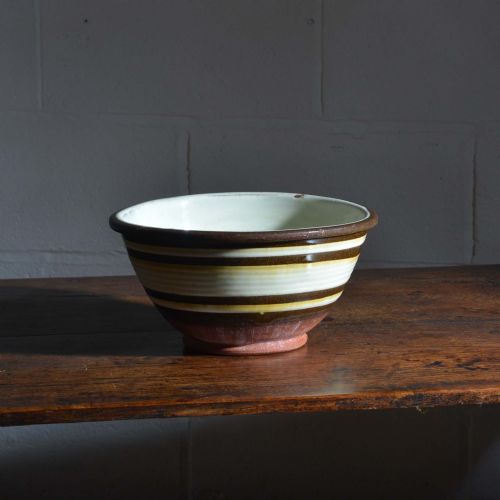
The versions most commonly met on this page are hand-turned from native hardwoods like sycamore or formed in robust terracotta and glazed earthenware. Many examples originate from English, Welsh, Scottish, and Scandinavian workshops, reflecting regional variations in rural carpentry and pottery. Buyers encounter everything from large cream-setting pans to smaller treen bowls and storage crocks.
Each traditional dairy bowl carries the marks of its working past, whether through warm patination on wooden surfaces or glazed interiors designed to hold liquids. These items function equally well as table centerpieces, fruit bowls, or standalone decorative objects in rustic interiors. Their enduring appeal lies in the honest craftsmanship that predates modern industrial manufacturing.
How they were made
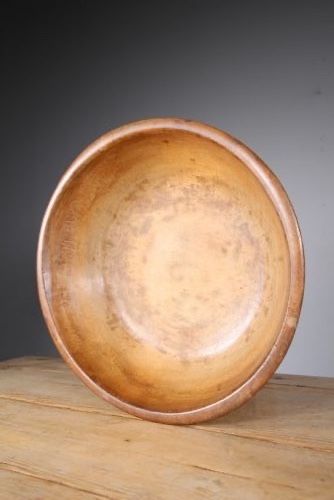
Wooden examples of a traditional dairy bowl start as green timber, typically sycamore, turned on a lathe while damp to achieve thin, resilient walls. The artisan shapes the vessel to handle frequent scrubbing and the heavy weight of milk, leaving subtle tool marks across the surface. Over decades of use, the wood absorbs natural oils and develops a deep, tactile patina.
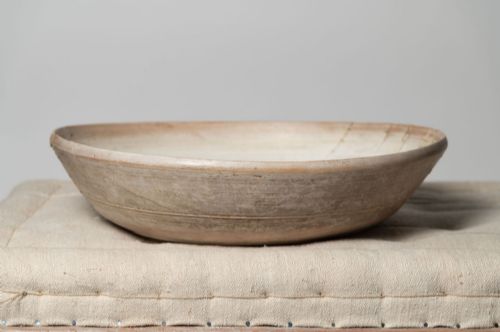
Terracotta and earthenware bowls are shaped on a potter's wheel or in a mould, then fired in traditional kilns to create porous earthen bodies. Potters frequently apply a partial or full glaze to the interior surface to prevent liquid seepage while leaving the exterior raw. This combination of clay body and slip glaze provides both practical utility and earthy visual contrast.
Listings feature both turned sycamore treen and glazed terracotta vessels originating from nineteenth-century English, Welsh, Scottish, and Scandinavian rural traditions.
What varies in quality
The quality of a traditional dairy bowl rests primarily on the integrity of its material and the harmony of its proportions. Superior wooden pieces display an even grain and sensitive turning that respects the natural movement of the timber as it ages. In pottery, a well-thrown body with an even, lustrous interior glaze distinguishes finer regional kilns from heavier, utilitarian output.
The depth of patination and the survival of original surfaces heavily influence the character of each piece. Bowls that retain their honest, unblemished working surfaces and clear regional attribution stand apart from those with excessive later alterations. Ultimately, the finest examples balance sturdy functional design with a pleasing tactile presence.
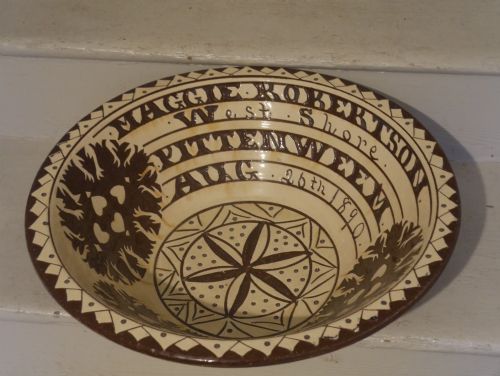
Scottish Seaton Pottery
The Traditional Dairy Bowl Glossary
- Sycamore
- A dense, light-coloured hardwood frequently chosen by turners for dairy utensils because it resists splitting and imparts no taste to food. This wood absorbs oils from regular scrubbing, which gradually deepens its tone into a warm patina.
- Treen
- Small handmade wooden household objects created before the era of plastics and mass production. These items include bowls, spoons, and scoops shaped through traditional carpentry.
- Slip glaze
- A liquid clay mixture applied to pottery before firing to seal porous earthenware bodies and create a smooth interior surface. This technique prevents dairy liquids from soaking into the terracotta walls.
- Cream setting pan
- A wide, shallow vessel specifically designed to hold raw milk so the cream could rise to the surface for skimming. These pans usually feature broad diameters to maximise the surface area exposed to the air.
Traditional Dairy Bowl: Frequently Asked Questions
How were dairy bowls used?
These bowls were placed in dairies to hold freshly milked cow milk, allowing cream to rise naturally to the top for easy skimming. Once separated, the cream was churned into butter while the skimmed milk served other domestic purposes.
Beyond dairy work, households utilised these large basins for general kitchen preparation, mixing dough, and storing provisions. Their generous capacity made them indispensable hubs of rural domestic productivity.
Are wooden bowls safe for food?
Most antique wooden bowls are best reserved for dry foods, fruit, or purely decorative display due to centuries of accumulated wear and dry timber. Washing them in modern dishwashers or soaking them in water will damage the historic wood fibres and ruin the antique finish.
Gentle cleaning with a damp cloth and occasional treatment with food-safe mineral oil helps maintain the dry timber. Treating the wood with care preserves the historic surface while keeping the material stable.
How do I date an antique bowl?
Dating relies on observing tool marks, wood species, pottery glazes, and overall wear patterns consistent with known rural manufacturing periods. Hand-turned sycamore pieces often show subtle ridges from foot-powered or early steam lathes common in the nineteenth century.
Pottery pieces offer clues through clay composition, kiln marks, and regional glazing styles associated with specific nineteenth-century potteries. Comparing the weight, form, and material against documented examples helps narrow down the decade of production.
Where should I display my bowl?
These bowls anchor rustic kitchen displays, open wooden shelving, or large dining tables where their organic shapes can stand out. Placing them away from direct heat sources and strong sunlight protects the historic wood and terracotta from drying out.
Grouping bowls of varying materials, such as pairing sycamore treen with glazed terracotta, adds textural depth to a room. Their neutral tones and earthy textures blend naturally into both traditional country homes and modern minimalist spaces.