




Antique Milk Basin
These antique milk basin examples span sturdy sycamore treen and glazed earthenware, offering practical rural utility and enduring vernacular charm.
Antique Milk Basin
Most pieces date from the nineteenth century, reflecting rural farm practices and vernacular craftsmanship. Buyers frequently encounter regional variations, including Welsh sycamore bowls and Scottish pottery examples designed for everyday agricultural use.
How they were made
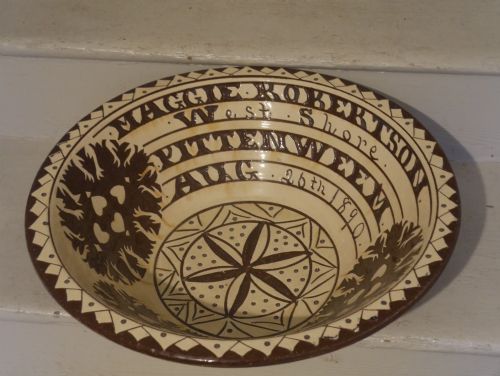
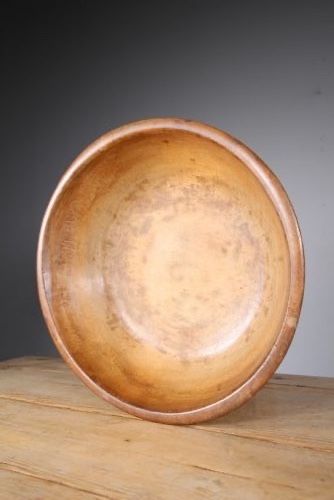
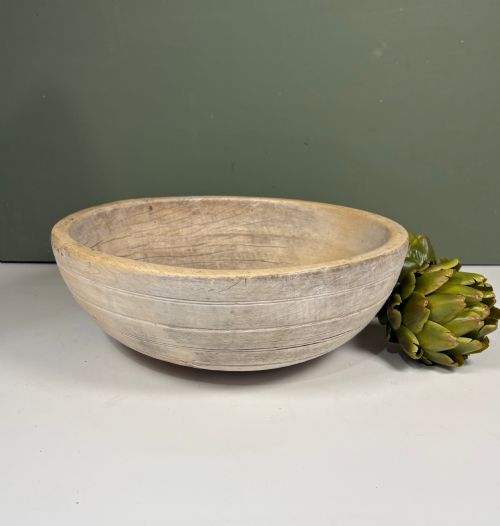
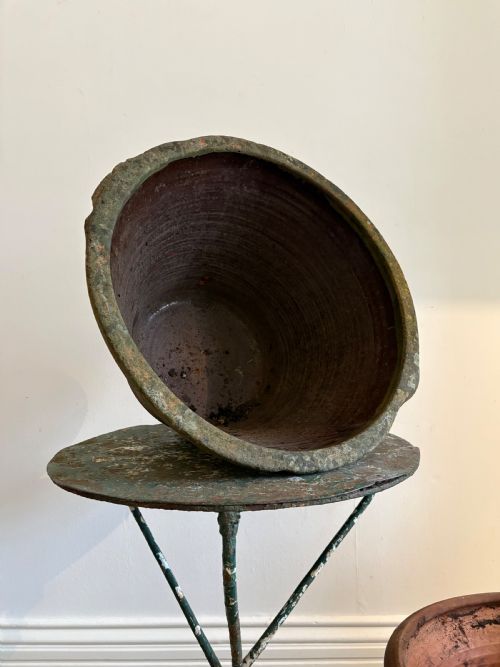
Makers shaped wooden vessels from dense sycamore using traditional turning techniques to handle the weight of daily dairy work. Earthenware and terracotta basins relied on sturdy thrown clay bodies coated with internal glazes or slip to prevent liquid absorption.
Potters and woodturners focused entirely on utilitarian strength, leaving tool marks and simple turned profiles that reveal the honest labour of the workshop. Metal variants in this category utilise silver plating or Sheffield plate over base metals for refined tea service.
The listings span the nineteenth century, featuring sycamore wood, earthenware, terracotta, and silver plate.
What varies in quality
Quality rests in the integrity of the material and the proportion of the vessel, distinguishing honest utility from clumsy repair. A superior treen bowl displays a pleasing depth and well-seasoned timber grain without compromising structural stability.
Ceramic examples show variation in the richness of the glaze and the thickness of the heavy walls. The most desirable pieces retain their original surface patination, earned through decades of agricultural service rather than modern intervention.
Robert Hennell·Doulton Lambeth·Scottish Seaton Pottery
The Antique Milk Basin Glossary
- Dairy bowl
- A wide, shallow vessel designed for holding milk to allow cream to rise to the surface. These items form the core of this collection.
- Sycamore wood
- A light-coloured hardwood traditionally favoured by turners for dairy utensils due to its resistance to splitting and lack of strong odours. It patinates deeply with age and use.
- Slip glaze
- A liquid clay coating applied to earthenware before firing to create an impermeable internal surface. This technique made porous terracotta practical for holding liquids.
- Treen
- Small wooden household objects made by turning or carving. These pieces reflect historical domestic and agricultural life.
Antique Milk Basin: Frequently Asked Questions
What were antique milk basins used for?
These large vessels were essential dairy equipment used to set raw milk so the cream would rise to the top for skimming.
Farm workers utilised them daily before the invention of mechanical separators, relying on their wide rims and stable bases.
How do I care for a wooden dairy bowl?
Keep wooden pieces away from direct heat sources and dramatic temperature swings to prevent the timber from splitting.
Treat the surface occasionally with neutral food-safe oils to maintain the natural moisture and condition of the old sycamore.
Are terracotta milk basins waterproof?
Terracotta vessels feature glazed interiors designed to hold liquids while the exterior remains porous clay.
This historical combination allowed the heavy earthenware to stay cool while preventing milk from soaking into the walls.
How do I identify a nineteenth century piece?
Nineteenth century examples show characteristic tool marks from hand-turning on lathes or simple wheel throwing in regional potteries.
Examine the surface patination and wear patterns, which reflect genuine agricultural use rather than modern reproduction techniques.