




Traditional Pottery Basin
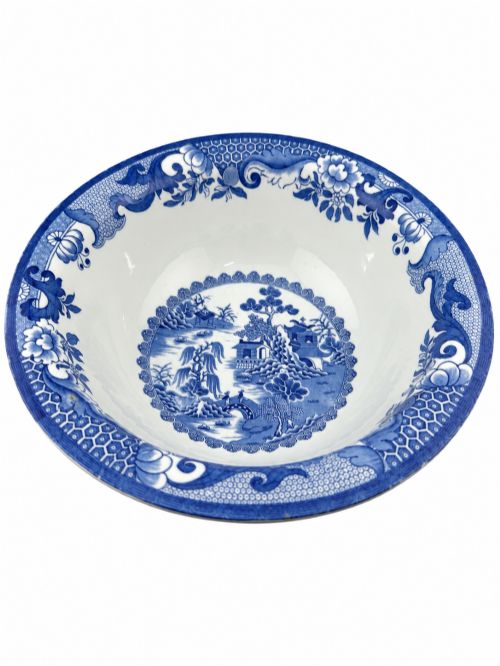
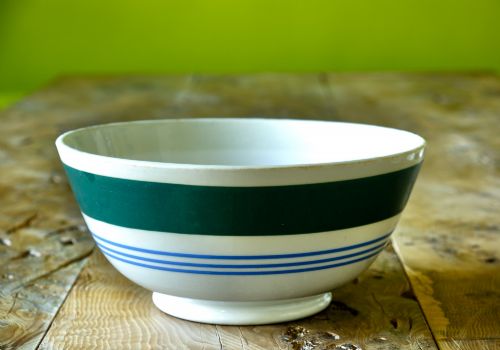
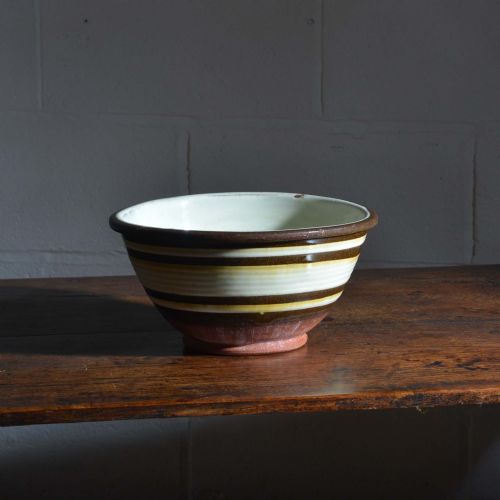
These traditional pottery basin examples are robust utilitarian earthenwares and stonewares designed for dairy, kitchen, and washroom use.
Traditional Pottery Basin
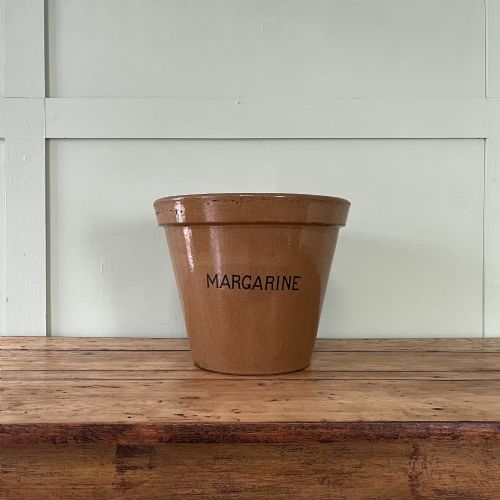
When you search for traditional pottery basin items, you encounter functional vessels spanning the nineteenth and twentieth centuries, including dairy bowls, mixing bowls, wash basins, and storage crocks. The Victorian period and Edwardian era supply the bulk of these utilitarian earthenwares and stonewares, reflecting daily domestic life in rural and urban settings.
Forms range from large dairy bowls and heavy cooking dishes to patterned toilet basins and water jugs. Makers utilised sturdy fabrics suited to practical tasks, creating items that served households, dairies, and farm kitchens across England and Scotland.
How they were made
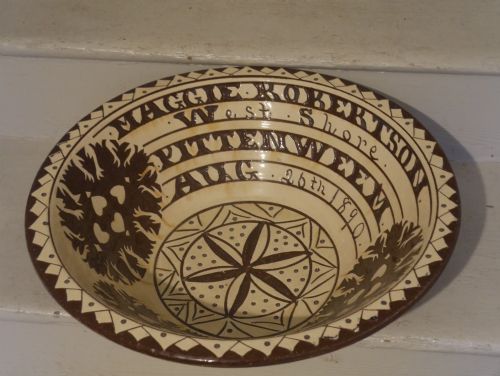
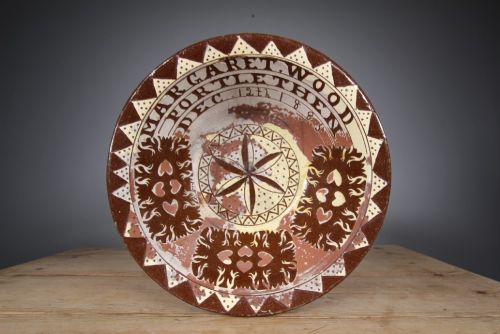
Potters shaped these vessels from earthenware, terracotta, ceramic, and stoneware, applying lead glazes, slip glazes, or simple slip decoration for surface finish and waterproofing. These materials provided the necessary weight and durability for heavy kitchen tasks, dairy processing, and washing.
Techniques relied on traditional throwing and moulding methods, resulting in thick walls and reinforced rims designed to withstand constant handling in busy domestic and agricultural environments.
Listings feature items from the 1850s through to the 1940s, spanning earthenware, terracotta, and glazed stoneware.
What varies in quality
Quality rests in the crispness of applied slip decoration, the evenness of the glaze application, and the structural integrity of the heavy body. Pieces bearing identifiable maker marks or specific regional attributions command greater interest from collectors.
The degree of survival among utilitarian vessels influences desirability, as heavy daily use often left deep marks, chips, and historical repairs across kitchenware and dairy bowls.
Seaton Pottery·T G Green Pottery·Mann Co·Minton
The Traditional Pottery Basin Glossary
- Slipware
- Pottery decorated with a liquid clay mixture applied before firing. This technique creates simple trailed or combed patterns on the surface.
- Terracotta
- Unglazed or clear-glazed fired red earthenware clay. It provides a porous, heavy body frequently utilised for utilitarian crocks and large vessels.
- Stoneware
- A heavy, dense ceramic fired at high temperatures until vitrified. It holds liquids without needing an interior glaze, making it ideal for food storage.
- Spongeware
- Pottery decorated by dabbing pigment onto the biscuit body using a sponge. This creates a mottled, textured pattern popular on nineteenth-century kitchen bowls.
- Gaudy Welsh
- A type of colourful pottery featuring cobalt blue, copper lustre, and iron-red highlights. It was widely produced in the nineteenth century for domestic table use.
Traditional Pottery Basin: Frequently Asked Questions
What were traditional pottery basins used for?
These vessels served essential domestic and agricultural functions, ranging from dairy processing and kitchen mixing to personal washing in Victorian bedrooms.
Their robust construction allowed them to handle heavy daily workloads involving milk, water, food preparation, and general household chores.
How do I care for antique pottery basins?
Wash these pieces gently by hand using mild soap and warm water, avoiding abrasive scourers that can damage historic glazes and softer earthenware bodies.
Keep them away from modern dishwashers and sudden temperature extremes to protect the historic ceramic fabric from thermal shock and cracking.
Can I still use these basins for food?
Many nineteenth-century and early twentieth-century pieces feature lead-containing glazes or historical wear that makes modern culinary use inadvisable.
It is generally best to enjoy these bowls as decorative objects or for dry storage rather than preparing food directly within them.
How can I tell the age of a basin?
Examine the weight of the clay body, the characteristics of the glaze, and any maker marks or regional decorative styles present on the piece.
Nineteenth-century examples often display heavier thrown earthenware walls and simpler slip or spongeware decoration compared to later twentieth-century factory wares.